Cost Per Square Foot Remodeling: What Homeowners Need to Know
"*" indicates required fields
You walk into your kitchen and notice the countertop is starting to separate from the cabinet. Or maybe you have been avoiding the guest bathroom because the tile is cracked and the floor feels soft. These small issues often lead to a bigger question: how much will it really cost to fix this? Homeowners across the country face the same dilemma when they start planning a renovation. Understanding the cost per square foot remodeling for your project can help you set a realistic budget, avoid surprises, and make informed decisions. Ignoring these early signs can turn a manageable update into a major financial burden.
Understanding cost per square foot remodeling
The term cost per square foot remodeling simply means the total price of a renovation divided by the square footage of the space being worked on. For example, if you remodel a 100-square-foot bathroom for $15,000, your cost per square foot is $150. This number helps you compare different projects, understand market rates, and decide where to invest your money.
This cost varies widely depending on the room, the materials, and the condition of your home. A kitchen remodel in an older house often costs more per square foot than a simple paint refresh in a newer home. Homes with outdated wiring, plumbing, or structural issues typically see higher per-square-foot costs because the work is more complex.
Homes built before 1980 are especially prone to higher remodeling costs. These homes may contain asbestos, lead paint, or outdated electrical systems that require special handling. Even newer homes can have hidden problems like water damage or poor insulation that drive up the cost per square foot.
Why This Matters for Your Home
Knowing your cost per square foot remodeling helps you avoid two common traps: overpaying for a simple job or underestimating a major project. When you understand the baseline cost, you can spot an unusually high or low quote and ask the right questions before signing a contract. This knowledge protects your wallet and your home.
Delaying a needed renovation because you are unsure of the cost often leads to bigger problems. A small leak behind a wall can turn into mold, rot, and structural damage. A cracked window seal can cause drafts that raise your energy bills. What starts as a $2,000 repair can become a $10,000 emergency if ignored. The cost per square foot of a full remodel is almost always higher than the cost of early intervention.
Safety is another reason to pay attention. Outdated wiring increases fire risk. Weak flooring can collapse under weight. A poorly maintained bathroom can develop mold that affects your family’s health. Professional remodeling addresses these issues correctly, protecting both your loved ones and your property value.
If you notice signs of this issue in your home, it may help to speak with a qualified contractor. Request a free quote or call to explore your repair or remodeling options.
Common Problems Homeowners Experience
Many homeowners discover the true cost of their renovation only after the work begins. They tear out a wall and find rotten wood, outdated plumbing, or wiring that doesn’t meet code. These surprises quickly increase the cost per square foot remodeling and stretch the budget beyond what was planned.
Other common problems include mismatched materials, poor workmanship from previous owners, and DIY attempts that made things worse. If you have ever painted over mold or covered a cracked floor with a rug, you know how these shortcuts can lead to bigger issues later. Professional contractors see these problems every day and know how to fix them correctly the first time.
- Cracked or loose tiles that allow water to seep into the subfloor
- Outdated fixtures that leak or fail to meet current building codes
- Soft spots in flooring that indicate rot or pest damage
- Drafty windows or doors that increase energy costs
- Mold or mildew in bathrooms, basements, or kitchens
- Old wiring that cannot handle modern appliances or electronics
How Professionals Solve the Problem
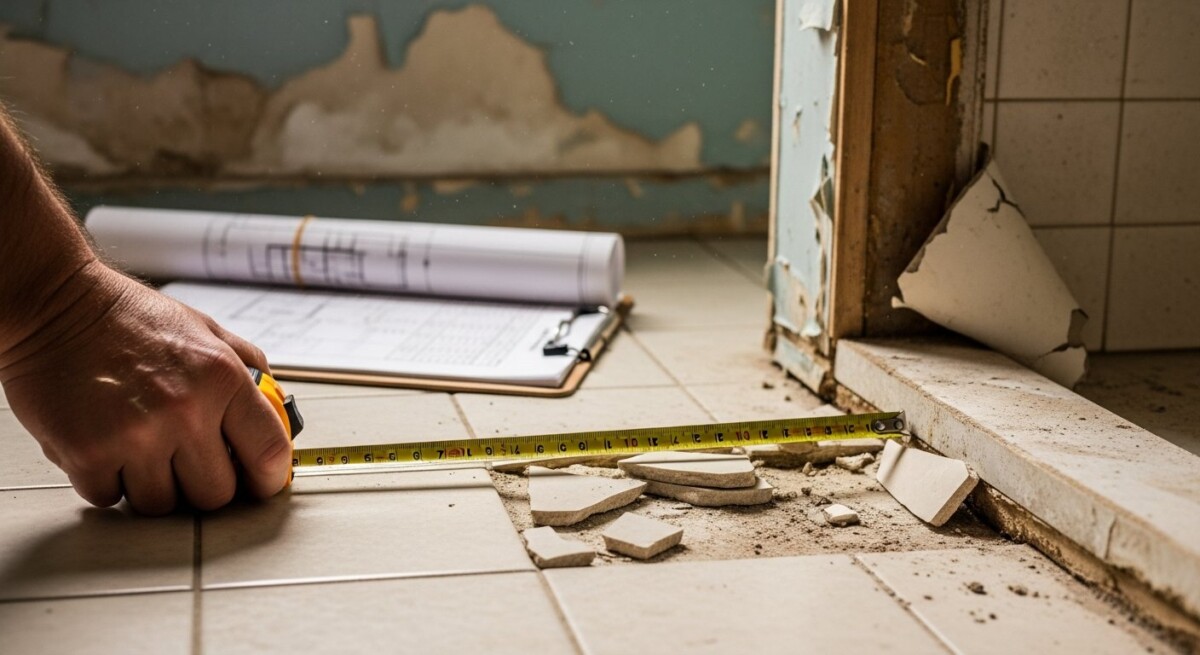
Experienced contractors start every project with a thorough inspection. They measure the space, check for hidden damage, and identify what needs to be replaced or repaired. This upfront assessment allows them to give you an accurate cost per square foot remodeling estimate and a realistic timeline. They also pull the necessary permits, ensuring the work meets local codes.
Professional crews follow a proven process to minimize disruptions and ensure quality. They handle demolition, structural repairs, installations, and finishing work in the right order. This approach prevents costly mistakes like installing drywall before the plumbing is tested or painting before the walls are properly sealed.
DIY renovations often fail because homeowners lack the tools, experience, or time to do the job right. Professionals bring specialized equipment, skilled labor, and warranties that protect your investment. In the long run, hiring a contractor often saves you money because the work lasts longer and avoids costly callbacks.
A professional inspection can reveal hidden issues before they become expensive repairs. Compare contractor quotes here or call to discuss your project.
Warning Signs You Should Not Ignore
Your home gives you clues when something needs attention. Learning to recognize these signs early can save you thousands of dollars and prevent safety hazards. Pay attention to changes in how your home looks, feels, and performs. The earlier you act, the lower your cost per square foot remodeling will likely be.
Some warning signs are obvious, like water stains on the ceiling or a musty smell in the basement. Others are subtle, like doors that stick, windows that are hard to open, or a room that feels drafty even when the heat is on. These small issues often point to larger problems that a professional can diagnose and fix.
- Water stains, bubbling paint, or peeling wallpaper
- Musty odors or visible mold growth
- Flooring that feels spongy or uneven
- Doors or windows that stick or do not close properly
- Frequent circuit breaker trips or flickering lights
- Higher than normal utility bills without a clear reason
What Affects the Cost of Repairs or Installation
The cost per square foot remodeling depends on several factors that you should understand before you start planning. The size of the room is the most obvious factor, but the condition of the existing structure often matters more. A small bathroom with rotten subfloor and outdated plumbing can cost more per square foot than a larger room that only needs cosmetic updates.
Materials play a huge role in the final price. Luxury tile, custom cabinetry, and high-end fixtures cost significantly more than standard options. Labor rates vary by region and by trade. Plumbers and electricians often charge more than painters or drywall installers. The accessibility of the work area also matters. A kitchen on the second floor with limited access will cost more than a ground-floor room with direct outdoor access.
The age of your home is another factor. Older homes often require custom solutions, specialized materials, and extra labor to match existing styles or meet current codes. A 1920s bungalow may need new wiring, plumbing, and insulation that a 2000s home does not. These added costs directly affect the cost per square foot.
Costs can vary depending on the condition of your home. The best way to know the price is to get a personalized estimate. Request free quotes from contractors or call today.
How to Choose the Right Contractor
Finding the right contractor is just as important as setting the right budget. A good contractor will give you a fair cost per square foot remodeling estimate, communicate clearly, and deliver quality work on time. Start by asking friends, neighbors, or local real estate agents for recommendations. Online review sites can also help you find reputable professionals in your area.
Once you have a few names, take the time to vet each one. Ask for proof of licensing and insurance. Read recent reviews and look for patterns in feedback. A contractor with consistent positive reviews is usually a safe bet. Request detailed written estimates from at least three contractors so you can compare prices, timelines, and scope of work.
- Verify the contractor’s license and liability insurance
- Read online reviews and ask for references from recent projects
- Request itemized estimates that break down materials, labor, and permits
- Compare at least three quotes before making a decision
- Confirm the contractor has experience with projects similar to yours
Long-Term Benefits of Professional Work
Investing in professional remodeling pays off in many ways over time. A properly executed renovation improves the safety and comfort of your home. You will enjoy a bathroom that drains correctly, a kitchen that works efficiently, and a living space that feels warm and inviting. These improvements make daily life easier and more pleasant.
Professional work also lasts longer. Quality materials and correct installation mean fewer repairs and less maintenance down the road. This durability reduces your long-term costs and protects your investment. When it comes time to sell, a well-remodeled home commands a higher price and sells faster than one with outdated or poorly done updates.
Energy efficiency is another long-term benefit. New windows, insulation, and appliances lower your monthly utility bills. A professional contractor can recommend the most cost-effective upgrades for your home and budget. Over a few years, these savings can offset the initial cost of the remodel, making the investment even more worthwhile.
What is a good cost per square foot for a remodel?
A good cost per square foot depends on the room and the quality of materials. For a basic bathroom remodel, expect $100 to $200 per square foot. A mid-range kitchen often runs $150 to $300 per square foot. High-end renovations with custom features can exceed $500 per square foot. Get multiple quotes to see what is reasonable for your area and project.
How do I calculate cost per square foot for remodeling?
Divide the total estimated cost of the project by the square footage of the room. For example, if a 150-square-foot kitchen costs $30,000, the cost per square foot is $200. This number helps you compare projects and understand where your money is going. Remember that smaller rooms often have a higher cost per square foot because fixed costs like permits and labor are spread over less space.
Why is my cost per square foot higher than average?
Your cost per square foot may be higher due to the condition of your home, the quality of materials you chose, or the complexity of the work. Older homes often require extra structural repairs or code upgrades. Custom layouts, unique materials, and specialty trades also increase the price. A contractor can explain exactly why your project costs more and help you find ways to save.
Does cost per square foot include materials and labor?
Yes, a good estimate includes both materials and labor. Some contractors also include permits, cleanup, and warranties in the cost per square foot. Always ask for a detailed breakdown so you know exactly what is covered. This transparency helps you compare quotes fairly and avoid unexpected charges.
Can I reduce the cost per square foot of my remodel?
You can lower the cost by choosing standard materials, keeping the existing layout, and doing some prep work yourself. For example, clearing out the room before the contractor arrives saves labor time. Avoid moving walls or plumbing, as these changes quickly increase the cost per square foot. Work with your contractor to identify cost-saving options that still meet your needs.
Is it cheaper to remodel or move?
Remodeling is often cheaper than moving, especially if you like your neighborhood and the home only needs updates. Moving involves real estate commissions, closing costs, moving expenses, and often a higher mortgage. Compare the total cost of remodeling with the cost of buying a new home and moving. In many cases, remodeling is the more affordable and less stressful option.
How long does a typical remodel take?
A small bathroom remodel usually takes 2 to 4 weeks. A kitchen renovation can take 4 to 8 weeks. Larger projects like whole-home remodels may take several months. The timeline depends on the scope of work, material availability, and contractor schedule. Ask your contractor for a realistic timeline and build in some buffer for unexpected delays.
Do I need a permit for my remodel?
Most significant remodels require permits, especially when you change the structure, plumbing, or electrical systems. Your contractor should handle the permit process as part of the project. Permits ensure the work meets safety codes and protects your home’s value. Skipping permits can lead to fines, insurance issues, and problems when you sell your home.
Understanding your cost per square foot remodeling is the first step toward a successful home improvement project. By knowing what to expect, recognizing warning signs early, and working with a qualified contractor, you can protect your home, your budget, and your peace of mind. Do not wait until a small issue becomes a costly emergency. Compare contractor quotes today to explore your options and find the right professional for your project.
"*" indicates required fields