Whole House Renovation Services: A Complete Homeowner Guide
"*" indicates required fields
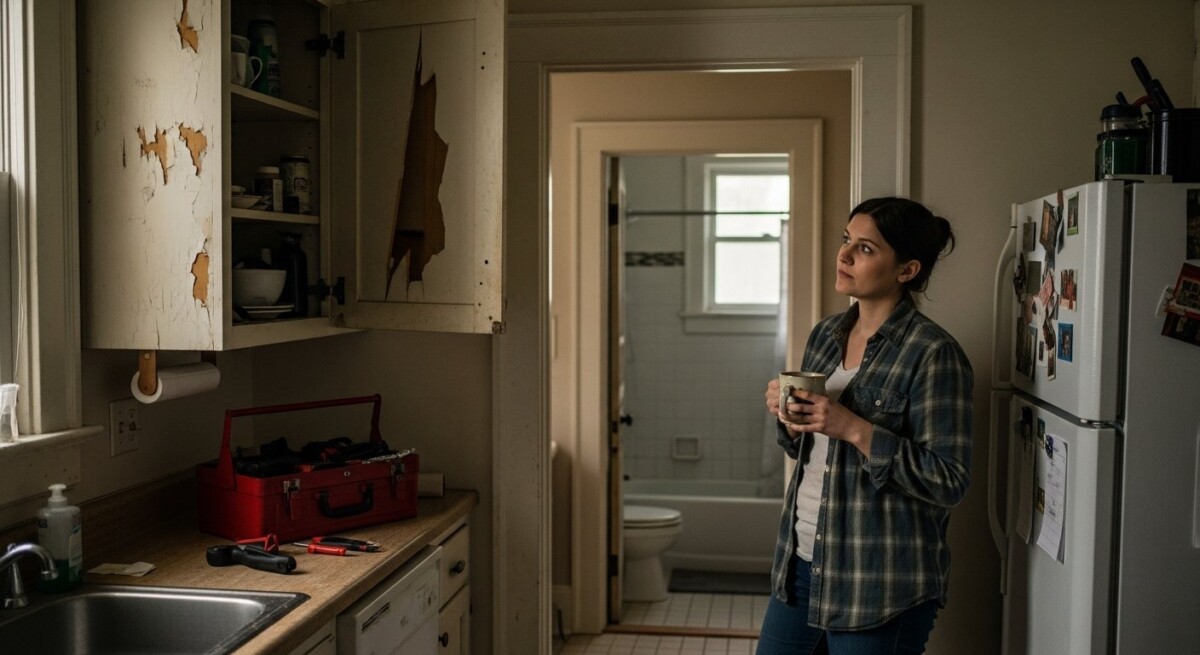
You walk into your living room and notice the paint is peeling near the ceiling. The kitchen cabinets stick when you open them, and the bathroom tile feels damp even hours after a shower. Little by little, your home starts to feel worn out, outdated, or just plain tired. Many homeowners discover these issues one room at a time, not realizing they are all signs that a whole house renovation might be the smartest solution. Ignoring these small problems can lead to bigger headaches,like water damage behind walls, outdated electrical systems, or rooms that simply don’t work for your family anymore. Understanding what whole house renovation services offer can help you decide if it’s time to take action.
Understanding Whole House Renovation Services
A whole house renovation is exactly what it sounds like: a complete overhaul of your home from top to bottom. Instead of fixing one room at a time, a professional team updates every area,kitchen, bathrooms, bedrooms, living spaces, flooring, lighting, plumbing, and often the structural bones of the house. It’s not about cosmetic changes alone; it addresses the functionality, safety, and comfort of your entire home.
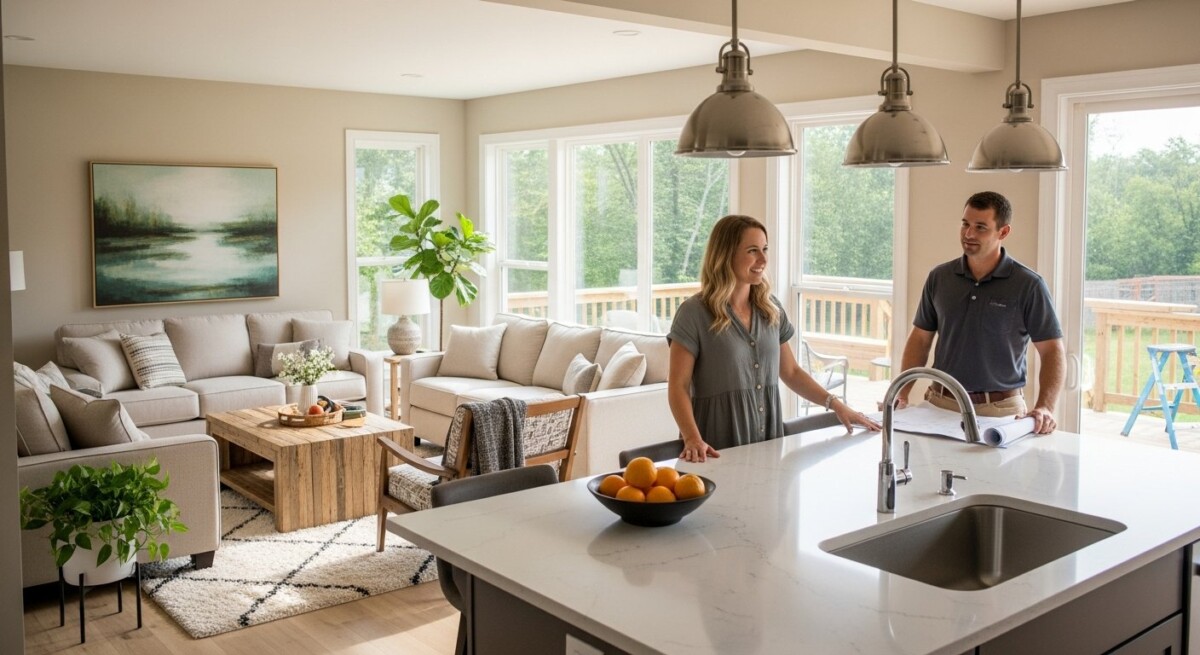
Why do homeowners choose this route? Often, it’s because they love their neighborhood but their home no longer meets their needs. Maybe the layout feels cramped, the systems are aging, or you want to modernize everything at once rather than living through years of piecemeal projects. Homes built before 1990, those with original fixtures, or houses that have been neglected for a decade or more are the most common candidates for a full renovation.
What Does a Whole House Renovation Include?
A typical project covers structural repairs, electrical and plumbing updates, new flooring and walls, kitchen and bathroom remodels, window and door replacements, and often interior painting or new cabinetry. The goal is to create a home that feels brand new while respecting its original character,if that matters to you. For a deeper look at the process, our guide on Home Renovation Services: A Guide for Smart Homeowners explains the key steps involved.
Why This Matters for Your Home
Delaying a whole house renovation can quietly erode your home’s value and your family’s comfort. Small leaks become big mold problems. Old wiring can become a fire hazard. Outdated insulation means higher energy bills every month. What starts as a few cosmetic annoyances can turn into thousands of dollars in emergency repairs.
There’s also the safety factor. Older homes may have lead paint, asbestos, or faulty gas lines. A professional renovation identifies and removes these hazards before they cause harm. And let’s not forget daily livability,a home that flows well, has enough storage, and uses modern materials simply feels better to live in. You deserve a space that supports your life, not one that constantly needs patching.
If you notice signs of this issue in your home, it may help to speak with a qualified contractor. Request a free quote or call to explore your repair or remodeling options.
Common Problems Homeowners Experience
Every home ages differently, but certain issues show up again and again in houses that need a full renovation. You might notice that your home feels drafty in winter and stuffy in summer. Or perhaps the floors are uneven, doors don’t close properly, and the kitchen layout makes cooking feel like an obstacle course.
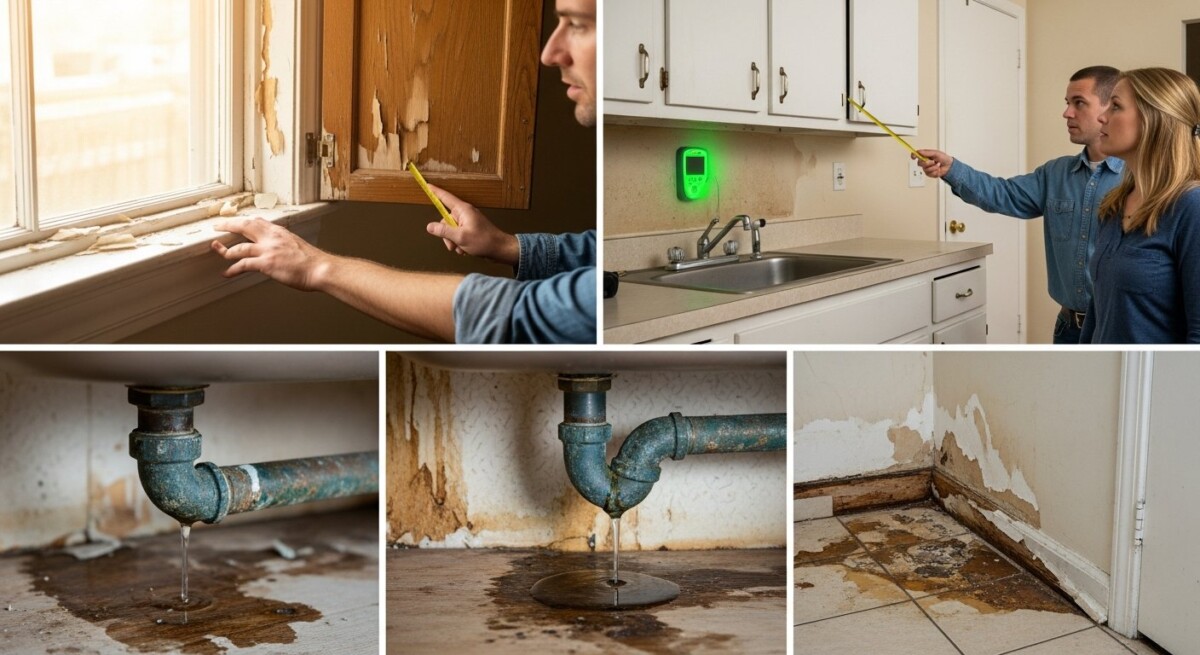
These problems aren’t just annoying,they often signal deeper issues. For example, a sagging floor could mean foundation trouble. Peeling paint might indicate moisture behind the walls. Outdated electrical panels can’t handle modern appliances, leading to tripped breakers or worse. Recognizing these patterns early can save you from major surprises.
- Outdated or unsafe electrical systems that can’t support modern electronics
- Plumbing leaks, low water pressure, or corroded pipes behind walls
- Drafty windows and doors that drive up energy costs
- Worn flooring that hides rot or insect damage underneath
- Outdated kitchen and bathroom layouts that waste space
- Poor insulation leading to uncomfortable temperatures year-round
How Professionals Solve the Problem
Experienced contractors approach a whole house renovation like a carefully planned operation. They start with a thorough inspection to find hidden issues,things you can’t see just by walking through. Then they design a plan that addresses both the visible problems and the underlying causes. This is where professional expertise really pays off.
Here is the typical process a contractor follows for a full home renovation:
- Initial assessment , Inspect the entire home, including attic, crawlspace, roof, and systems.
- Design and planning , Work with you to choose finishes, layouts, and materials that fit your budget.
- Permitting , Handle all necessary permits and code inspections so your renovation is legal and safe.
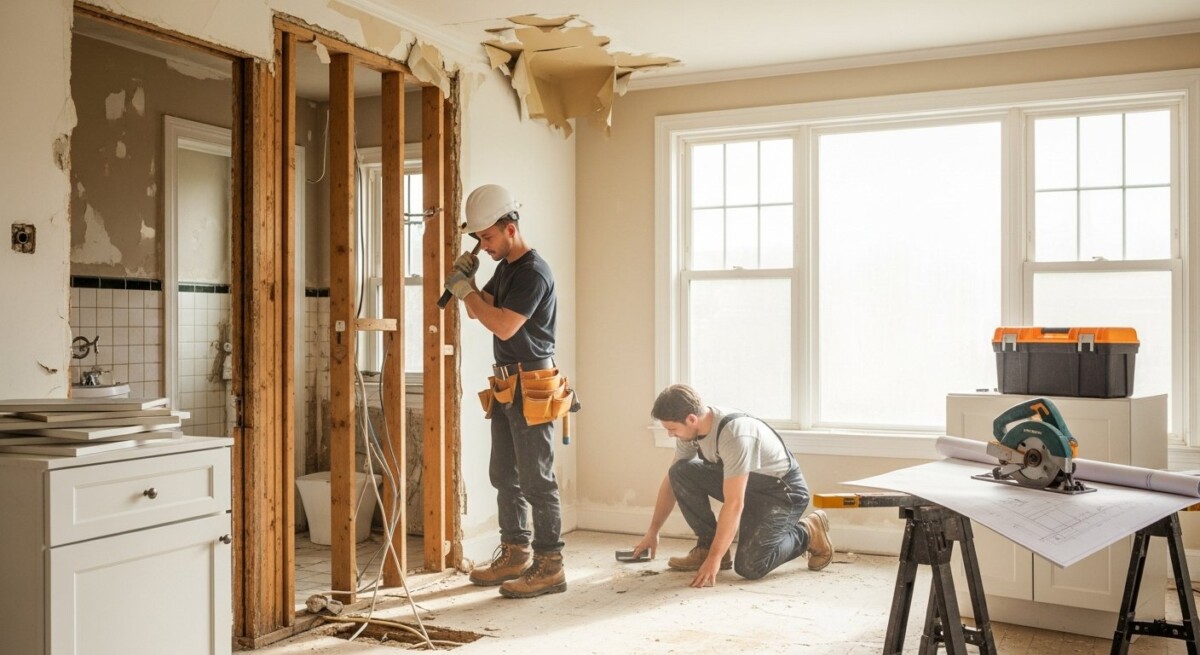
- Demolition and structural work , Remove old materials and repair any damaged framing, foundation, or roof.
- Systems upgrade , Replace or update electrical, plumbing, and HVAC systems to modern standards.
- Finishing , Install new walls, flooring, cabinets, fixtures, and paint.
- Final walkthrough , Review every detail with you and make any adjustments before you move back in.
DIY renovations often fail because homeowners miss critical steps or don’t have the tools to handle unexpected problems. A professional team brings the right equipment, experience, and insurance to complete the job safely. If you’re considering a specific room update, our article on Bedroom Renovation Services: A Guide to Upgrading Your Home offers helpful tips that can apply to larger projects too.
A professional inspection can reveal hidden issues before they become expensive repairs. Compare contractor quotes here or call to discuss your project.
Warning Signs You Should Not Ignore
Some problems are obvious,like a leaking roof or a broken furnace. But many warning signs are subtle. Pay attention to how your home feels and sounds. Does the floor creak in certain spots? Do you smell mustiness in the basement? Do light switches feel warm to the touch? These small clues often point to bigger issues.
Walking through your home with a critical eye once a season can help you catch problems early. Look for cracks in walls or ceilings, water stains near windows, and gaps around doors. If you notice any of these signs, don’t assume they’re cosmetic. They could be early warnings that a whole house renovation is needed.
- Cracks in drywall or plaster that grow wider over time
- Musty odors or visible mold, especially in basements or bathrooms
- Frequent tripped circuit breakers or flickering lights
- Uneven floors or doors that stick when opening or closing
- High energy bills that keep rising despite normal usage
- Water stains on ceilings or walls that reappear after cleaning
What Affects the Cost of Repairs or Installation
The price of a whole house renovation varies widely based on your home’s size, age, and condition. A 1,500-square-foot ranch will cost less than a 3,000-square-foot Victorian, but the real driver of cost is what’s hidden inside the walls. If your home needs new wiring, plumbing, or structural repairs, those expenses add up quickly.
Labor is another major factor. Skilled tradespeople charge higher rates in areas with strong demand. Materials also matter,custom cabinets and high-end flooring cost more than stock options. And accessibility plays a role: a house with a tight crawlspace or a steep roof takes longer to work on, which increases labor time. The age of your home matters too; older houses often require specialized techniques and materials to meet modern codes.
Costs can vary depending on the condition of your home. The best way to know the price is to get a personalized estimate. Request free quotes from contractors or call today.
How to Choose the Right Contractor
Selecting a contractor for a whole house renovation is one of the most important decisions you’ll make. You’re trusting them with your home, your budget, and your family’s safety. Don’t rush the process. Start by asking friends, neighbors, or local real estate agents for recommendations. Then vet each candidate carefully.
Look for a contractor who listens to your needs and communicates clearly. A good contractor will explain the process, answer your questions honestly, and provide a detailed written estimate. They should also be willing to show you examples of similar projects they’ve completed. Trust your instincts,if something feels off, keep looking.
- Verify their license and insurance with your state or local agency
- Read online reviews on Google, Yelp, and the Better Business Bureau
- Ask for at least three detailed written estimates from different contractors
- Check that they have experience with homes similar to yours in age and style
- Request references and call a few past clients to ask about their experience
Long-Term Benefits of Professional Work
A professionally completed whole house renovation pays dividends for years. Your home will be safer, more comfortable, and more energy-efficient. Modern insulation, windows, and HVAC systems can cut your utility bills by 20,30 percent. New wiring and plumbing reduce the risk of fires, leaks, and costly emergency repairs.
There’s also the resale value. A fully renovated home typically sells for significantly more than a fixer-upper, and it sells faster. Buyers are willing to pay a premium for a move-in-ready home with updated systems and finishes. Even if you plan to stay for decades, knowing your home is in excellent condition brings peace of mind. You’ll spend less time on maintenance and more time enjoying the space.
FAQs
How long does a whole house renovation typically take?
Most whole house renovations take between three and six months, depending on the size of the home and the scope of work. Complex projects with structural changes or custom finishes can take longer. Your contractor should give you a realistic timeline during the planning phase.
Can I live in my home during a whole house renovation?
In most cases, it is not recommended. The dust, noise, and lack of working kitchen and bathrooms make daily life very difficult. Many homeowners rent a temporary apartment or stay with family during the project. Discuss this with your contractor to plan ahead.
How much does a whole house renovation cost per square foot?
Costs range widely from $100 to $250 per square foot, depending on your location, materials, and the condition of your home. A basic cosmetic renovation costs less, while a full gut remodel with structural changes and high-end finishes costs more. Always get multiple quotes to understand your market.
Do I need permits for a whole house renovation?
Yes, almost all whole house renovations require permits for electrical, plumbing, structural changes, and sometimes roofing or windows. A reputable contractor will handle the permitting process for you. Skipping permits can lead to fines and problems when you sell your home.
What is the first step in planning a whole house renovation?
The first step is to define your goals and budget. Write down what you want to change and what you hope to achieve,better layout, more space, updated style. Then hire a contractor for a consultation and inspection. They can help you understand what’s realistic for your budget.
Will a whole house renovation increase my property taxes?
It can. When you renovate your home, the assessed value may increase, which can lead to higher property taxes. The amount varies by location. Ask your contractor or local tax assessor’s office for guidance before you start the project.
Can I finance a whole house renovation?
Yes, there are several financing options, including home equity loans, renovation mortgages (like FHA 203k or Fannie Mae HomeStyle), and personal loans. Talk to your bank or a mortgage broker to find the best option for your situation. Some contractors also offer payment plans.
What should I look for in a renovation contract?
Your contract should include a detailed scope of work, a payment schedule, a timeline with milestones, and a process for handling changes or unexpected issues. It should also list the materials and brands to be used. Never sign a contract without reading it thoroughly and asking questions.
Your home is more than just a place to sleep,it’s where your life happens. A whole house renovation can transform it into a space that works for you, keeps your family safe, and protects your investment. Don’t wait until small problems become major emergencies. Start exploring your options today by comparing contractor quotes and learning what’s possible for your home.

About Alex Carter
"*" indicates required fields