
Contractor Site Visit: What to Expect and How to Prepare
Know what to expect at a contractor site visit and how to prepare. Call (833)-365-8755 to compare quotes from independent local providers.

Learn more about General Contracting for guides, costs, and what to expect.
Compare General Contracting Pros Near You

Enter your ZIP code to compare independent local professionals and request free quotes.
You have booked your first contractor site visit. Maybe you are planning a kitchen remodel, a bathroom update, or a roof replacement. You know the project matters, but you are not sure what actually happens when a contractor walks through your door. Will they measure everything? Will they ask about your budget? Should you have documents ready? These questions are normal, and the good news is that a site visit is a structured, predictable process once you know what to look for.
This guide walks you through what to expect at a contractor site visit and how to prepare, from the moment you schedule the appointment to the moment you compare written proposals. You will learn what contractors inspect, which documents to gather, the questions that reveal a contractor's professionalism, and how to compare bids on equal scope so you can make a confident decision. Along the way, you will see how a free matching service like 180 Remodel can help you line up multiple consultations without the usual hassle.
What Actually Happens During a Contractor Site Visit
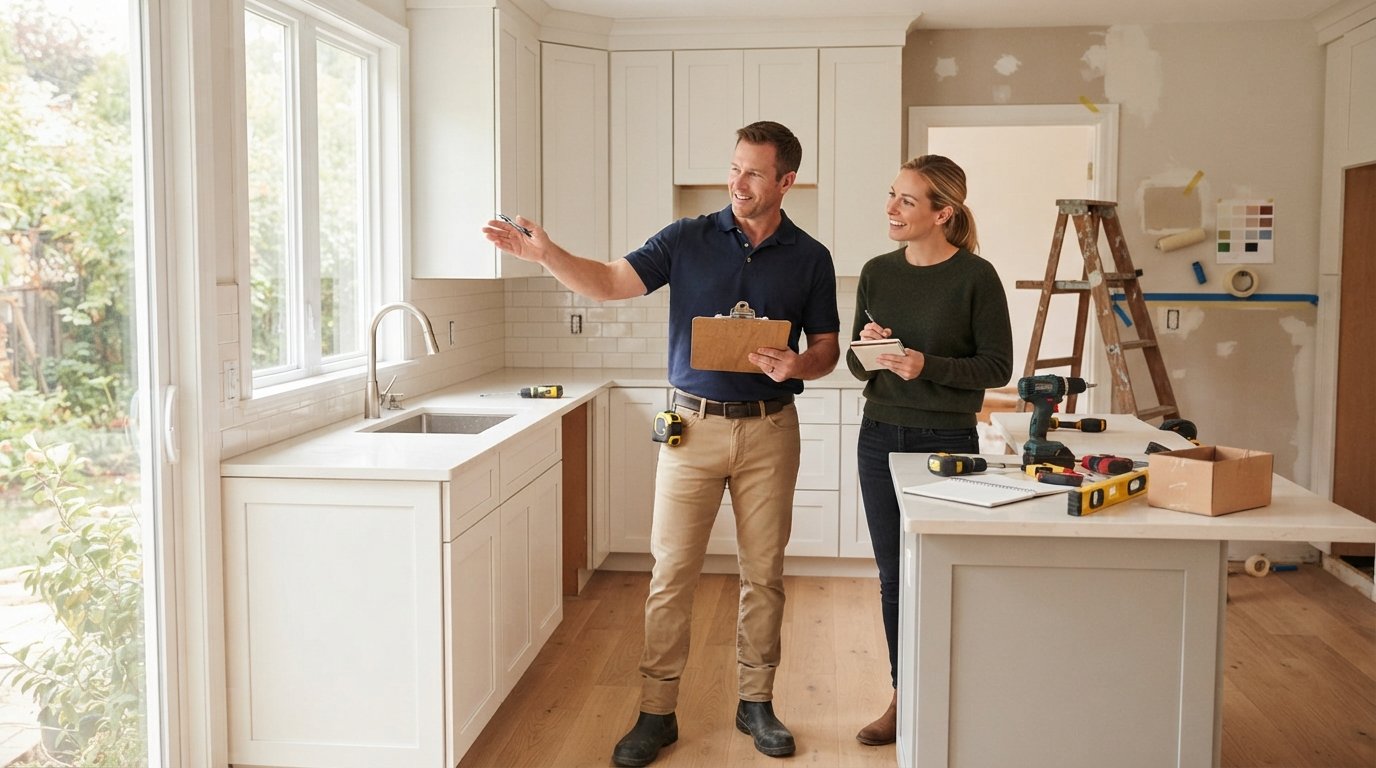
A contractor site visit is more than a quick look around. It is the contractor's opportunity to see the actual conditions of your home, understand your goals, and gather the details needed to produce an accurate written estimate. Most visits last between 30 and 90 minutes, depending on the project size and the number of questions on both sides. The contractor is not just measuring walls; they are looking for hidden challenges that affect cost and timeline.
During the walkthrough, expect the contractor to measure dimensions, inspect existing systems, and ask about how you use the space. For a kitchen remodel, they will measure cabinet runs, check appliance locations, and look at plumbing and electrical access. For a bathroom, they will inspect the subfloor, check ventilation, and note the location of the main stack. For exterior projects like roofing or windows, they will examine the condition of existing materials, check for water damage, and assess access and safety considerations. The goal is to build a complete picture so the proposal reflects reality, not guesswork.
Contractors also use the visit to ask questions that shape the scope. They may ask about your must haves versus nice to haves, your target completion date, and how you plan to use the space. They will also want to know about any prior renovations, permits pulled, or known issues like leaks or settling. These conversations help them tailor the proposal and flag potential change orders before work begins. If you want to understand how contractors stand behind their work after the project, our guide on contractor warranties and guarantees explains what to look for in writing.
Finally, the contractor will typically take photos and notes. They may also request access to the attic, crawlspace, or utility room. Do not be surprised if they ask to turn on faucets, flush toilets, or run the HVAC system. These checks reveal water pressure, drainage issues, and system performance that affect the project scope. By the end of the visit, you should have a clear sense of what the contractor will need from you and when to expect the written proposal.
Documents and Photos to Have Ready Before the Visit
Preparation makes the site visit more productive and shows the contractor you are serious about the project. Gathering a few key documents ahead of time can reduce back and forth and help the contractor produce a more accurate estimate. You do not need a perfect file, but having these items on hand will streamline the conversation.
Start with any existing plans, surveys, or permits related to your home or the project area. If you have a recent home inspection report, that is valuable because it may reveal issues the contractor should account for. For projects that involve structural changes or additions, having a property survey or plot plan helps the contractor understand setbacks and easements. If you have already received a proposal from another contractor, keep it nearby for reference, but do not share it unless you want to compare scope.
Photos are equally important. Take clear pictures of the current space from multiple angles, including any problem areas like water stains, cracks, or outdated wiring. If the project involves exterior work, photograph the roof, siding, and foundation from ground level and from any accessible vantage points. These photos help the contractor prepare and may reduce the need for a second visit. Also, gather any product specifications or inspiration images you have saved, such as cabinet styles, tile samples, or window models, so the contractor can align the proposal with your vision.
Here is a short list of items to have ready:
- Any existing blueprints, surveys, or permit documents
- Recent home inspection report or repair records
- Photos of the project area, including close-ups of problem spots
- Inspiration images or product specifications you like
- A written list of your must haves and your budget range
Having these items organized in a folder or on your phone makes the visit smoother and signals that you are a prepared homeowner. It also helps the contractor give you a more precise estimate, which reduces the chance of surprise costs later.
What Contractors Measure, Inspect, and Ask on a Walkthrough
Understanding what contractors look for during the walkthrough helps you anticipate their questions and prepare honest answers. Contractors are trained to spot potential issues that homeowners might overlook, and their inspection directly affects the proposal. Here is what they typically focus on, broken down by project type.
For interior remodels, contractors measure room dimensions, ceiling height, and door and window openings. They check the condition of floors, walls, and ceilings, looking for signs of water damage, uneven surfaces, or previous DIY work that may need correction. They inspect electrical panels to confirm capacity, test outlets and switches, and note the location of plumbing lines. In kitchens and bathrooms, they examine ventilation, moisture barriers, and the condition of subflooring. They may also ask about your appliance preferences because that affects electrical and plumbing rough-in.
For exterior projects, contractors inspect the roof from the ground and, if safe, from ladders or accessible windows. They look for missing shingles, granule loss, flashing issues, and signs of leaks in the attic. For windows, they check frame condition, glazing, and operation, and they measure rough openings. For siding and painting, they assess surface preparation needs, moisture intrusion, and the number of coats required. They also evaluate access for equipment and materials, which can affect labor costs.
Contractors will ask questions to clarify scope and priorities. Common questions include: What is your timeline? Have you selected materials, or do you need help with selections? Are there any known issues like leaks or pests? What is your budget range? Will you be living in the home during the project? These answers help the contractor structure the proposal and set realistic expectations. Be honest about budget and timeline; it helps the contractor propose a scope that fits your situation rather than guessing.
Questions That Reveal Licensing, Insurance, and Timelines
The site visit is also your chance to interview the contractor. Asking the right questions protects you and helps you compare candidates on more than price. You want to confirm that the contractor operates legally and professionally, and that their timeline is realistic. Here are key questions to ask during or right after the visit.
Start with licensing and insurance. Ask whether the contractor holds the required license for your project type and whether they can provide a copy. Ask about general liability insurance and workers compensation coverage, and request certificates. These documents protect you if an accident happens on your property. You should also ask whether the contractor will pull the necessary permits and whether permit fees are included in the proposal. A professional contractor will answer these questions directly and provide documentation without hesitation.
Next, ask about the project timeline. When can they start? How long will the work take? What factors could cause delays? Ask how they handle scheduling and whether they will provide a written schedule. Also ask who will be on site each day and whether subcontractors will be used. If subcontractors are involved, ask how the contractor manages their work and communication. A clear answer here indicates organized project management.
Finally, ask about payment terms and communication. How much is due at signing? Are payments tied to milestones? How will change orders be handled? Who is your main point of contact? These details matter as much as the total price. If you are also considering energy upgrades, you can explore solar options and compare quotes from independent providers through FreeSolarPowerQuotes to see how solar might fit your project.
Comparing Site Visit Proposals on Equal Scope
After the visits, you will receive written proposals. Comparing them fairly requires looking beyond the bottom line. Proposals can vary widely in what they include, and a lower price may reflect a smaller scope or missing items. To compare accurately, you need to normalize the scope so you are evaluating the same work.
Create a simple comparison sheet with columns for each contractor and rows for key scope items. Include demolition, materials, labor, permits, cleanup, and warranty terms. Check whether each proposal specifies brands, model numbers, and quantities. Look for exclusions, such as painting or trim work, that might be listed as allowances or omitted entirely. If a proposal is vague, ask the contractor to clarify in writing before you compare prices.
Here is a short list of what to compare across proposals:
- Scope of work: what is included and excluded
- Materials: brands, models, and quantities specified
- Permits and fees: who pulls them and who pays
- Timeline: start date, duration, and milestones
- Payment schedule and change order process
Once you have normalized the scope, you can compare prices meaningfully. A proposal that includes permits, cleanup, and a clear timeline may be a better value than a lower bid that leaves those items for you to handle. Trust your observations from the site visit: did the contractor listen, ask good questions, and provide documentation? Those signals often predict how the project will go.
Using 180 Remodel to Line Up Multiple Consultations
One of the best ways to prepare for a contractor site visit is to have multiple visits. Comparing two or three proposals gives you a realistic range and helps you spot outliers. But scheduling multiple contractors can be time consuming. That is where 180 Remodel helps. As a free matching and referral service, 180 Remodel connects homeowners with independent local providers for a wide range of projects, including roofing, windows, bathroom remodeling, HVAC, flooring, painting, plumbing, solar installations, kitchen remodeling, decks, and landscaping.
The process is simple: enter your ZIP code, complete a brief online form, and get matched with providers in the network. You can then compare quotes from independent local providers with no obligation. This saves you from hunting for phone numbers and vetting every call. It also lets you schedule site visits back to back, which makes comparing scope and pricing easier because the details are fresh in your mind.
When you use a matching service, remember that the providers are independent third parties. 180 Remodel does not perform the work itself. Your contract will be with the provider you choose. That makes your preparation even more important: use the site visit to ask about licensing, insurance, and timelines, and compare proposals carefully. With multiple consultations lined up, you can move from guesswork to a confident decision.
A contractor site visit does not have to be intimidating. With the right documents ready, a clear list of questions, and a plan for comparing proposals, you turn the visit into a productive step toward your renovation. Prepare well, ask directly, and compare fairly. That is how you protect your investment and get the project you actually want.