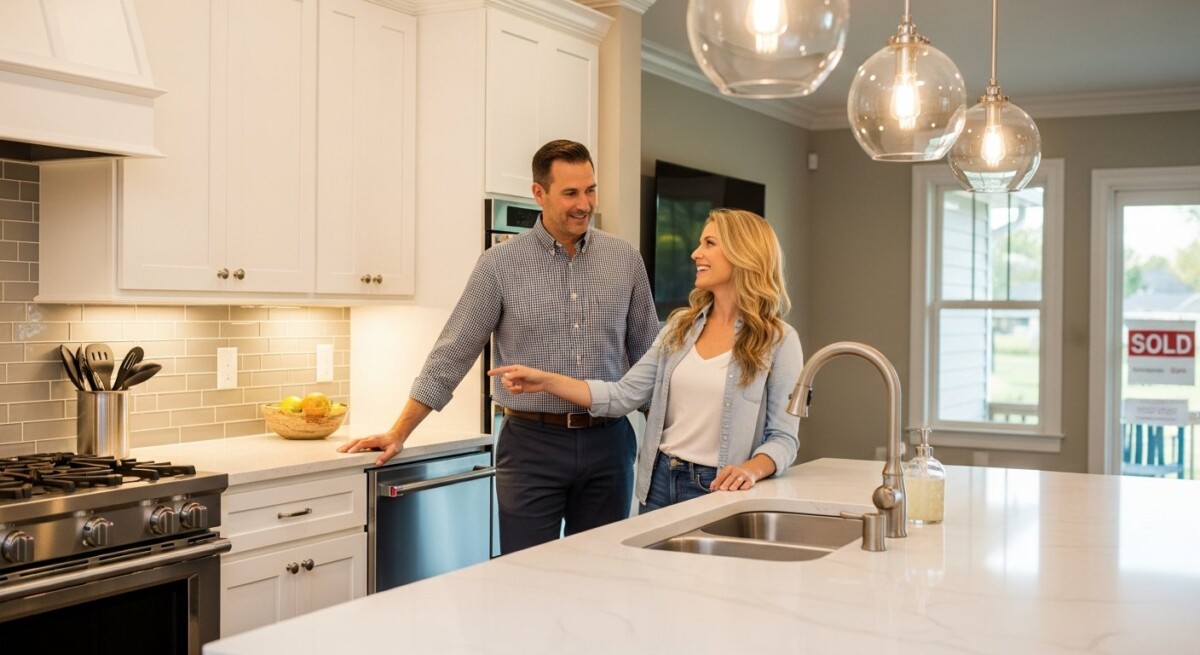

Understanding Average Home Remodeling Cost for Your Project
"*" indicates required fields
You’ve finally decided to tackle that outdated kitchen or transform your cramped bathroom. You start searching online for ideas, and excitement builds,until you see a wide range of price tags. One website quotes $15,000 for a bathroom remodel, another suggests $50,000. Suddenly, your dream project feels confusing and financially daunting. This uncertainty is how most homeowners discover the complex reality of average home remodeling costs. Without a clear understanding, you might delay the project indefinitely or make budget decisions that lead to unexpected expenses and compromised results down the line.
Understanding Average Home Remodeling Cost
Average home remodeling cost is not a single number but a helpful starting range for planning. It represents the typical amount homeowners invest in a specific type of renovation, like a kitchen or bathroom update, based on national or regional data. This figure helps you set initial expectations before diving into the unique details of your own home.
Costs vary so dramatically because every home and homeowner’s vision is different. The “average” is built from projects of all scopes, from simple cosmetic refreshes to full-scale gut renovations. Your final price will be shaped by your choices in materials, the size of the space, your home’s location, and the complexity of the work required.
While national averages provide a benchmark, they are just the beginning. A more accurate picture forms when you consider your specific goals and the current condition of your house. For a deeper look at the methodology, our article on how contractors estimate remodeling cost breaks down the professional process.
Which Homes See the Most Variation?
Older homes often have higher remodeling costs due to unforeseen issues like outdated wiring, plumbing, or structural adjustments needed once walls are opened. Similarly, homes in regions with higher labor and material costs will naturally see averages climb. The key is to use averages as a guide, not a guarantee, for your particular situation.
Why This Matters for Your Home
Accurately understanding remodeling costs protects your investment and your peace of mind. Underestimating expenses can lead to a half-finished project, forcing you to live in a construction zone or take on high-interest debt to complete the work. This financial strain is a common and stressful outcome of poor planning.
Beyond budget, a well-planned remodel addresses underlying issues that affect your home’s safety, efficiency, and value. Ignoring old plumbing during a bathroom update might save money upfront but could lead to a catastrophic leak inside your new walls. Professional remodeling corrects these hidden problems, ensuring your investment lasts for years.
If you notice signs of this issue in your home, it may help to speak with a qualified contractor. Request a free quote or call to explore your repair or remodeling options.
Common Problems Homeowners Experience
Homeowners often encounter a few predictable hurdles when budgeting for a remodel. The most frequent issue is “scope creep,” where small additions or changes during the project slowly inflate the final bill far beyond the initial estimate. Without a fixed-price contract, these surprises can derail your finances.
Another common problem is discovering hidden damage after demolition begins. What looked like a simple cabinet replacement can uncover mold, rot, or faulty wiring that must be addressed before new materials can be installed. These are not extras; they are necessary repairs for a safe, lasting result.
- Unrealistic DIY Expectations: Underestimating the skill, time, and tools needed, leading to costly mistakes.
- Comparing Incomparable Quotes: Getting bids that vary wildly because they include different levels of material quality, labor, and project scope.
- Ignoring Permit & Code Costs: Forgetting to budget for required permits and necessary upgrades to meet current building codes.
- Focusing Only on Cosmetic Costs: Budgeting for new finishes but not for the critical behind-the-walls work like plumbing or electrical updates.
- Poor Material Selection: Choosing cheap materials that wear out quickly, necessitating another remodel sooner than expected.
- Underestimating Living Disruptions: Not planning for the cost of eating out or temporary lodging if a kitchen or bathroom is unusable.
How Professionals Solve the Problem
A professional contractor brings clarity and control to the cost equation. They start by thoroughly assessing your space and goals, then provide a detailed estimate that accounts for both visible work and potential hidden contingencies. This transparency turns a vague average into a concrete plan for your home.
Their experience allows them to foresee challenges and sequence work efficiently, saving time and preventing costly change orders. They also manage all subcontractors, permits, and inspections, which is a full-time job in itself. This comprehensive service ensures the project meets building codes and quality standards, protecting your home’s value.
- Consultation & Scope Definition: They discuss your vision, needs, and budget to define the project’s exact scope.
- Detailed Estimation: They create a line-item estimate covering materials, labor, permits, and a contingency for unknowns.
- Material Selection & Scheduling: They help choose materials within your budget and create a realistic timeline, coordinating all trades.
- Professional Execution & Management: Skilled crews perform the work while the project manager oversees quality, safety, and adherence to the plan.
- Final Inspection & Walkthrough: They ensure every detail is complete to your satisfaction before finalizing the project.
A professional inspection can reveal hidden issues before they become expensive repairs. Compare contractor quotes here or call to discuss your project.
Warning Signs You Should Not Ignore
Sometimes, the decision to remodel isn’t just about desire but necessity. Certain signs in your home indicate that updates are urgently needed to prevent damage or safety hazards. Postponing action in these cases almost always leads to more extensive and expensive repairs later.
Pay attention to how your home functions daily. Persistent issues are often symptoms of larger problems that a remodel can solve holistically, rather than with a temporary patch. Addressing them proactively preserves your home’s structure and your family’s comfort.
- Water Damage or Persistent Leaks: Stains on ceilings, warped floors, or dripping under sinks signal failing plumbing that needs replacement.
- Outdated Electrical Systems: Frequently tripped breakers, flickering lights, or a lack of outlets indicate an overloaded, unsafe system.
- Inefficient Layouts That Disrupt Daily Life: A kitchen that doesn’t function or a bathroom that causes family traffic jams.
- Visible Wear & Tear on Key Surfaces: Cracked tiles, peeling countertops, or cabinet doors that won’t close properly.
- Poor Energy Efficiency: Drafty windows, inadequate insulation, or an old HVAC system that causes high utility bills.
- Lack of Safety Features: No grab bars in bathrooms, poor lighting, or slippery flooring that poses a risk, especially for aging residents.
What Affects the Cost of Repairs or Installation
Several key factors directly influence your final remodeling cost. The most obvious is the size and scope of the project. A full kitchen gut job will cost significantly more than refacing cabinets and updating appliances. Clearly defining what you want to achieve is the first step to understanding the price.
Material choices create a wide cost spectrum. Luxury options like natural stone, custom cabinetry, and high-end appliances can double or triple the budget compared to standard-grade, stock materials. Labor costs also vary by region and the project’s complexity, such as moving plumbing lines or load-bearing walls.
Costs can vary depending on the condition of your home. The best way to know the price is to get a personalized estimate. Request free quotes from contractors or call today.
How to Choose the Right Contractor
Selecting the right professional is the most critical step in ensuring your remodel stays on budget and meets expectations. It’s not just about the lowest bid; it’s about finding a trustworthy partner who communicates clearly and has proven experience. This decision will impact your daily life for weeks or months.
Take your time during the selection process. A reputable contractor will be happy to provide references, proof of insurance, and a detailed written contract. They should listen to your needs and offer solutions that align with your vision and budget, not pressure you into unnecessary upgrades.
- Verify Licenses, Insurance, and Bonding: This protects you from liability and ensures they meet state and local requirements.
- Read Reviews and Ask for References: Talk to past clients about their experience, including budget adherence and cleanup.
- Get Detailed, Written Estimates: Compare quotes that break down costs for materials, labor, and profit margins. Avoid vague, lump-sum bids.
- Compare Multiple Quotes: Get at least three estimates to understand the market rate for your project’s scope.
- Assess Communication and Professionalism: Choose someone who responds promptly, answers questions thoroughly, and makes you feel confident.
Long-Term Benefits of Professional Work
Investing in a professional remodel pays dividends long after the project is complete. Quality workmanship and materials extend the life of your renovation, meaning you won’t need to repair or replace elements prematurely. This durability translates to long-term savings and less hassle.
Beyond durability, a well-executed remodel enhances your daily living experience and your home’s financial value. Updated systems improve energy efficiency, lowering monthly bills. Modern, functional spaces also significantly boost resale value and appeal, ensuring you recoup a substantial portion of your investment if you sell. For a specific example, see how these principles apply in our guide to understanding your kitchen remodeling cost and budget.
Ultimately, professional work provides peace of mind. Knowing that electrical, plumbing, and structural elements are installed correctly and to code keeps your family safe. It turns your home into a more comfortable, valuable, and secure asset for the future.
How long does a typical home remodel take?
The timeline depends entirely on the project’s scope and complexity. A small bathroom update might take 2-3 weeks, while a full kitchen remodel or multi-room project can take 2-4 months. Your contractor should provide a detailed schedule that includes time for material delivery, each construction phase, and inspections.
Should I remodel or move?
This is a personal financial and lifestyle decision. Remodeling often makes sense if you love your location, have equity in your home, and the renovation cost is less than moving expenses and a higher mortgage. It also allows you to customize your home exactly to your needs, which a new house might not.
What is the typical return on investment (ROI) for a remodel?
ROI varies by project type and market. Minor kitchen remodels and bathroom updates often have high ROIs (70-80% or more), while luxury additions like a swimming pool may not recoup as much. A professional can help you understand which updates add the most value in your specific area.
How can I finance a home remodeling project?
Common options include cash savings, home equity loans or lines of credit (HELOCs), cash-out mortgage refinancing, or specialized renovation loans like the FHA 203(k). Each has different pros, cons, and qualification requirements based on your credit and home equity.
Do I need permits for my remodel?
Most structural, electrical, plumbing, and mechanical work requires a building permit from your local municipality. Your contractor should handle pulling all necessary permits, which ensure the work is inspected and meets safety codes. Skipping permits can lead to fines and problems when selling your home.
What’s the difference between an estimate and a quote?
An estimate is an educated guess of the project cost and can change. A quote (or bid) is a fixed-price offer for the defined scope of work. Always insist on a detailed, written quote or contract before work begins to lock in pricing and avoid surprises.
How much should I budget for unexpected issues?
It’s wise to set aside a contingency fund of 10-20% of your total project budget, especially for older homes. This covers unforeseen problems discovered during demolition, like outdated wiring or structural repairs, without derailing your entire project.
Can I live in my home during a major remodel?
It depends on the project. For a kitchen remodel, you may need to set up a temporary kitchen elsewhere. For a whole-home renovation, you might consider moving out temporarily. Discuss the logistics, dust, noise, and safety concerns with your contractor to make the best plan for your family.
Understanding average home remodeling costs is the first step toward turning your renovation vision into a successful reality. By moving from vague online figures to personalized, professional estimates, you gain control over your budget and your project’s outcome. Addressing needed updates early prevents minor issues from becoming major expenses, protecting your home’s value and your family’s comfort. The most practical next step is to gather detailed quotes from qualified local contractors, comparing not just price, but the scope, quality, and trustworthiness they offer. For homeowners in specific markets, like those exploring home remodeling in Houston, local expertise is invaluable for accurate budgeting.

About Alex Carter
"*" indicates required fields