
How Long Home Renovation Takes: A Realistic Timeline
"*" indicates required fields
You have finally decided to remodel your home. You flip through design magazines, save inspiration photos, and start dreaming of new countertops or a finished basement. Then a practical question stops you cold: how long is this going to take? The answer is rarely simple because every project is different. A half-bath refresh might wrap up in a few weeks, while a full gut renovation can stretch across several months. Knowing what drives those timelines helps you plan better, budget smarter, and keep your sanity intact. This guide breaks down the phases of a typical renovation, the factors that speed things up or slow them down, and how to set a schedule you can actually stick to.
Why Timelines Vary So Widely
Home renovation timelines are not one-size-fits-all. A cosmetic update like painting or new flooring might take a week or two. A structural overhaul involving moving walls, upgrading electrical panels, or replacing windows can take two to four months or longer. The biggest variables are project scope, permitting requirements, material availability, and contractor scheduling. In our guide on what is full home renovation, we explain how comprehensive projects typically involve demolition, structural work, rough-in trades, and finishing stages that each add time. The key is to match your expectations to the reality of the work involved rather than comparing your timeline to a neighbor’s quick kitchen refresh.
Average Timelines by Project Type
Every renovation falls into a general time frame based on the rooms involved and the complexity of the work. These estimates assume a licensed contractor is handling the job and that materials are available without long delays. DIY projects often take longer due to inexperience and limited labor.
- Bathroom remodel (small): 3 to 5 weeks. This includes replacing fixtures, tile, vanity, and lighting without moving plumbing or walls.
- Bathroom remodel (full): 6 to 10 weeks. Moving plumbing, installing a new shower pan, and adding custom tile work extend the schedule.
- Kitchen remodel (cosmetic): 4 to 6 weeks. New countertops, cabinet fronts, backsplash, and appliances.
- Kitchen remodel (full): 8 to 16 weeks. Structural changes, new cabinets, flooring, and electrical/plumbing reconfiguration.
- Basement finishing: 6 to 12 weeks. Framing, insulation, drywall, flooring, and any egress windows or bathroom additions.
- Whole-house renovation: 4 to 8 months or more. This depends heavily on square footage, number of rooms, and whether you are living in the home during construction.
These ranges assume no major surprises. If your project uncovers mold, outdated wiring, or termite damage, you should expect delays while those issues are resolved. A professional contractor from 180 Remodel can give you a more precise estimate after an in-person assessment of your home’s condition.
Phases of a Home Renovation
Understanding the sequence of work helps you see why each step takes as long as it does. Skipping phases or rushing them usually leads to poor quality or code violations that cost more later.
Planning and Design (1 to 4 weeks)
Before any hammer swings, you need a clear plan. This phase includes measuring rooms, selecting finishes, finalizing layouts, and hiring a contractor. For larger projects, you might also work with an architect or interior designer. If permits are required, the planning stage often overlaps with the permit application process. The more decisions you make upfront, the fewer delays you will face during construction.
Permitting and Approvals (2 to 8 weeks)
Many renovations require permits from your local building department. Structural changes, electrical upgrades, plumbing alterations, and additions almost always need approval. Permit review times vary widely. A simple bathroom permit might be issued in a week. A whole-house renovation could take a month or more. Your contractor should handle the permit process, but you should factor this waiting period into your overall timeline.
Demolition and Site Preparation (1 to 2 weeks)
Demolition is the fastest phase. Crews remove old cabinets, flooring, fixtures, and sometimes walls. Dust and noise are high during this period. If you are living in the home, you may want to stay elsewhere for a few days. Demolition also reveals unexpected problems, such as water damage or outdated wiring, that can add time to later phases.
Rough-In Work (2 to 4 weeks)
This is when the hidden systems of your home get updated. Electricians run new wiring, plumbers move or add pipes, and HVAC contractors adjust ductwork. Rough-in work is done before walls are closed up. Inspections typically happen at the end of this phase to ensure everything meets code. Delays here often occur if the inspector is booked out or if the work requires revisions.
Insulation and Drywall (1 to 3 weeks)
Once rough-ins pass inspection, insulation is installed, followed by drywall. Hanging drywall is relatively quick, but taping, mudding, and sanding take time because each layer of compound must dry before the next is applied. This phase can feel slow, but rushing it leads to visible seams and poor paint adhesion later.
Finishing Work (3 to 6 weeks)
This is where your renovation starts to look like the photos you saved. Flooring goes down, cabinets and countertops are installed, trim is added, and doors are hung. Painting, backsplash tile, and lighting fixtures complete the space. Finishing work requires careful sequencing. Cabinets must be installed before countertops, and countertops must be in place before the backsplash. Delays in material delivery can stall this phase significantly.
Final Walkthrough and Punch List (1 to 2 weeks)
After the main work is done, your contractor will walk through the project with you to identify any touch-ups or incomplete items. This punch list might include adjusting cabinet doors, touching up paint, or fixing a minor plumbing leak. Most contractors schedule this within a week or two of substantial completion.
Factors That Can Delay Your Renovation
Even with the best planning, delays happen. Being aware of common pitfalls helps you prepare for them mentally and financially.
- Material shortages and backorders: Specialty tiles, custom cabinets, and certain fixtures often have lead times of 4 to 12 weeks. Order everything as early as possible.
- Permit holdups: Understaffed building departments or complex plan reviews can push your start date back by weeks.
- Contractor availability: Good contractors are often booked weeks or months in advance. Scheduling conflicts between trades can also cause gaps.
- Change orders: Every time you change your mind about a finish, a layout, or a material, the schedule resets. Try to finalize all decisions before construction begins.
- Unforeseen conditions: Rotting subfloors, knob-and-tube wiring, or asbestos tile can halt work until remediation is complete.
If you are searching for home renovation near me, working with an experienced contractor who anticipates these issues and builds buffer time into the schedule can save you from costly overruns.
How Long Does Each Room Take?
Some homeowners prefer to tackle one room at a time to minimize disruption. Here is a closer look at typical timelines for individual spaces.
Kitchen Renovation
The kitchen is the most complex room in most homes. It involves plumbing, electrical, gas lines, cabinetry, countertops, flooring, and appliances. A cosmetic refresh can be done in 4 to 6 weeks. A full renovation that changes the layout or expands the space often takes 10 to 16 weeks. Custom cabinets alone can have an 8-week lead time. If you are ordering quartz or marble countertops, expect another 2 to 3 weeks from templating to installation.
Bathroom Renovation
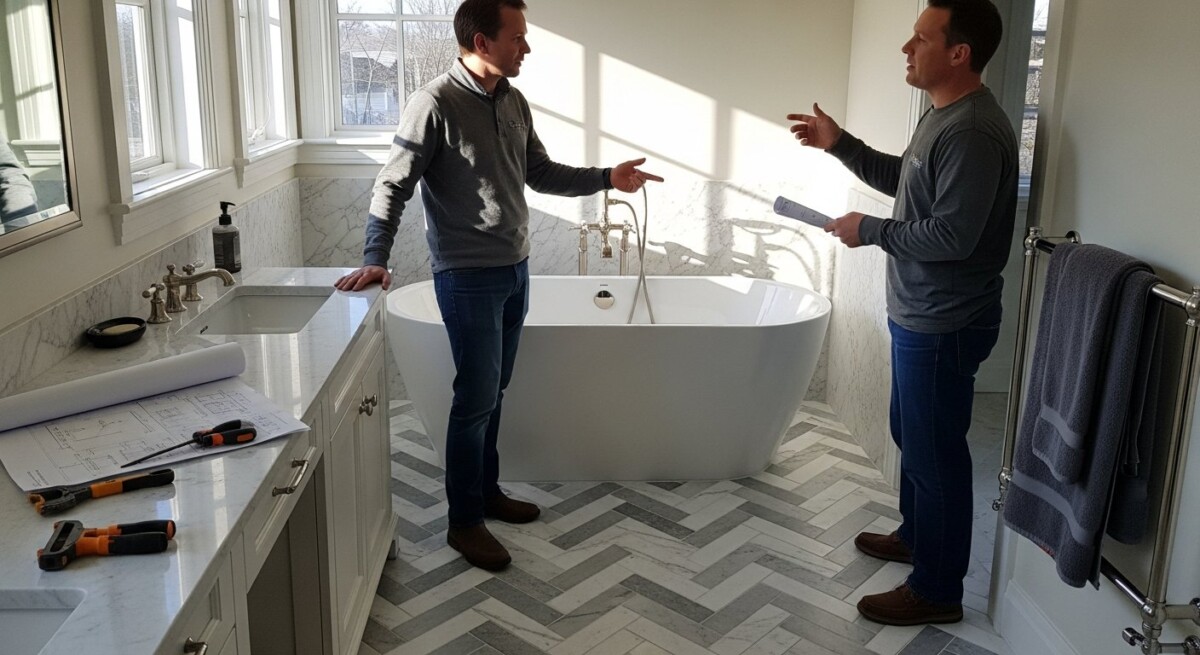
Bathrooms are smaller but technically demanding. Waterproofing, tile work, and plumbing all require skilled labor and drying times. A standard bathroom remodel takes 4 to 6 weeks. A master bathroom with a custom shower, soaking tub, and double vanity can take 8 to 12 weeks. Tile installation is often the bottleneck because each layer of thinset and grout needs time to cure.
Basement Remodeling
Finishing a basement adds livable square footage but comes with unique challenges like moisture control, egress windows, and HVAC extension. A basic basement finish with a single room and a bathroom takes 6 to 10 weeks. Adding a bedroom, home theater, or wet bar extends the timeline to 10 to 14 weeks. Permits for egress windows and electrical work can add 2 to 4 weeks to the upfront schedule.
Whole-Home Renovation
A full-house renovation is the most ambitious project. It touches every system and every room. Expect the project to last 4 to 8 months for a typical home. Factors like square footage, the number of bathrooms, and whether you are adding a second story all affect the total time. Living in the home during a whole-house renovation is difficult and often adds time because crews must work around occupied spaces.
Tips to Keep Your Renovation on Schedule
While you cannot control every variable, you can take steps to reduce the risk of delays.
- Plan ahead: Make all material and finish selections before the first day of demolition. Have everything ordered and confirmed with delivery dates.
- Hire an experienced contractor: A contractor with a strong network of reliable subcontractors and a track record of on-time projects is worth the investment.
- Build in buffer time: Add 10 to 20 percent to your contractor’s estimated timeline for unexpected issues.
- Communicate clearly: Set a weekly check-in with your contractor to review progress and address any concerns before they become problems.
- Limit change orders: Stick to your plan. If you must make a change, understand how it will affect both the budget and the schedule.
Living through a renovation is stressful, but a realistic timeline helps you manage expectations. Focus on the end result and trust the process. A well-planned renovation adds comfort, function, and value to your home for years to come.
Understanding how long home renovation takes helps you prepare for the journey ahead. Every project has its own rhythm, and the timeline depends on the choices you make and the team you hire. By planning thoroughly, staying flexible, and working with a trusted contractor, you can turn your renovation dreams into reality without unnecessary surprises. The effort you put into the planning phase will pay off every time you walk into your newly remodeled home.

About Alex Carter
"*" indicates required fields