Next Generation Home Renovation: A Practical Guide for Homeowners
"*" indicates required fields
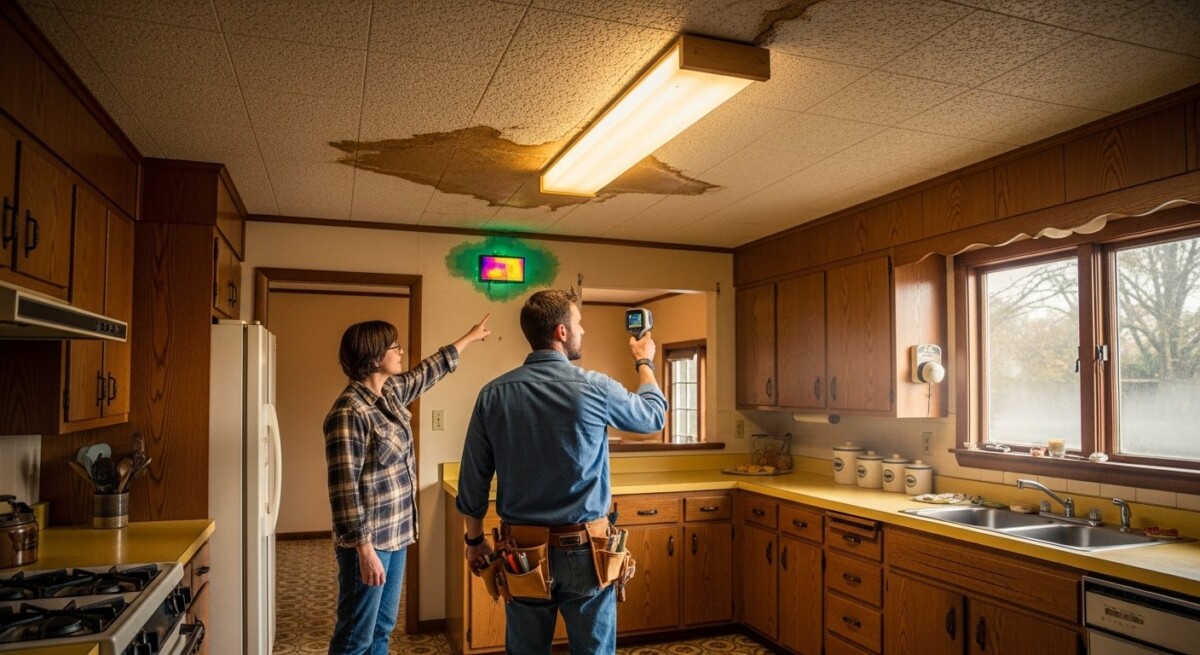
You walk into your kitchen one morning and notice a small water stain on the ceiling. It’s easy to brush off as a minor issue, but that small spot often signals a bigger problem lurking behind the walls. For many homeowners, discovering hidden damage, outdated systems, or inefficient layouts is the moment they realize their home needs more than a quick fix. This is where next generation home renovation comes in,a smarter, more efficient approach to updating your home that focuses on long-term value and performance. Ignoring these early signs can lead to costly structural damage, higher energy bills, and safety risks.
Understanding Next Generation Home Renovation
Next generation home renovation is not just about giving your home a fresh coat of paint. It refers to modern remodeling methods that use advanced materials, energy-efficient technologies, and smart design principles to improve your home’s functionality and durability. Unlike traditional renovations that often focus only on appearance, this approach addresses underlying issues like poor insulation, outdated wiring, and inefficient layouts.
This type of renovation is especially relevant for older homes built before modern building codes were established. Homes from the 1970s or earlier often have single-pane windows, inadequate insulation, and aging plumbing systems. However, even newer homes can benefit from next generation upgrades that improve comfort and reduce maintenance. If your home feels drafty, has uneven temperatures, or requires frequent repairs, a next generation renovation may be the solution you need.
Why This Matters for Your Home
Ignoring the need for a modern renovation can have serious consequences. Over time, small issues like a leaky roof or outdated electrical panel can lead to water damage, mold growth, or even fire hazards. These problems not only compromise your family’s safety but also reduce your home’s value when it’s time to sell.
Comfort is another major factor. An inefficient home can be drafty in winter and sweltering in summer, making daily life unpleasant. Energy bills also tend to climb as your HVAC system works harder to compensate for poor insulation or old windows. By investing in a next generation renovation, you’re not just fixing a problem,you’re improving your quality of life and protecting your largest investment.
If you notice signs of this issue in your home, it may help to speak with a qualified contractor. Request a free quote or call (602) 123-4567 to explore your repair or remodeling options.
Common Problems Homeowners Experience
Many homeowners first notice problems when a system fails or visible damage appears. For example, a clogged drain might seem minor, but it could indicate deeper plumbing issues. Similarly, cracked paint on walls may point to moisture problems that affect your home’s structure.
Older homes often suffer from outdated electrical systems that can’t handle modern appliances, leading to frequent breaker trips. Drafty windows and doors are also common, causing energy loss and uncomfortable rooms. These issues are not just annoyances,they signal that your home is overdue for an upgrade.
- Peeling paint or wallpaper caused by hidden moisture
- Frequent tripping of circuit breakers
- Uneven floors or sagging ceilings
- High energy bills despite normal usage
- Musty odors that suggest mold or mildew
- Cracks in walls or foundation that worsen over time
How Professionals Solve the Problem
Experienced contractors approach next generation renovation with a systematic plan. They start with a thorough inspection to identify all underlying issues, not just the visible damage. This ensures that no hidden problems are left to cause trouble later. After the inspection, they design a solution that addresses both immediate concerns and long-term performance.
The typical process follows these steps:
- Inspection and assessment , A contractor evaluates your home’s condition, including structural integrity, electrical systems, and insulation.
- Design and planning , Based on the inspection, they create a renovation plan that incorporates energy-efficient materials and modern building techniques.
- Permitting and approvals , Professionals handle necessary permits to ensure work meets local building codes.
- Construction and installation , Skilled workers execute the plan, from framing and drywall to new windows and HVAC systems.
- Final inspection and cleanup , The contractor verifies all work is complete and safe, then cleans the job site.
Professional work is safer and more reliable than DIY fixes because contractors have the training, tools, and insurance to handle complex tasks. They also guarantee their work, giving you peace of mind. In our guide on home renovation contractors in the USA, we explain how to find trusted experts for your project.
A professional inspection can reveal hidden issues before they become expensive repairs. Compare contractor quotes here or call (602) 123-4567 to discuss your project.
Warning Signs You Should Not Ignore
Your home often gives clear signals when something is wrong. Recognizing these early warning signs can save you thousands of dollars in emergency repairs. The key is to act quickly when you notice changes, no matter how small they seem.
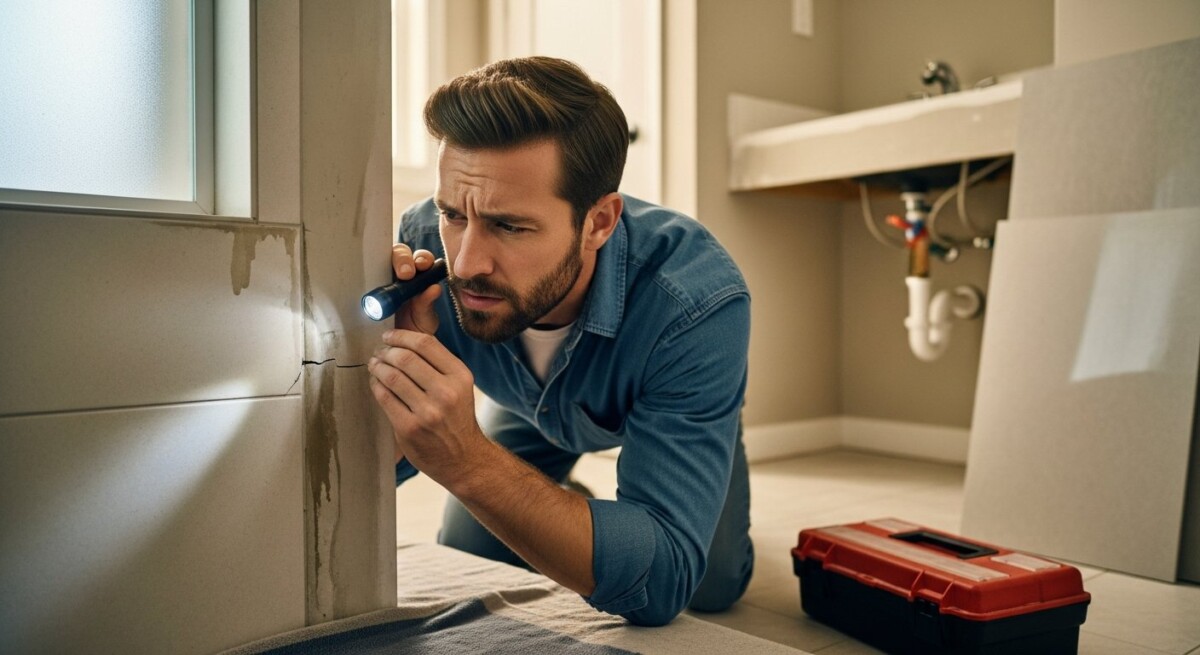
For instance, a small water stain on the ceiling might indicate a slow roof leak that could eventually cause rot or collapse. Similarly, a door that sticks might seem like a minor annoyance, but it could be a sign of foundation movement. Don’t wait until the problem becomes obvious,schedule an inspection at the first sign of trouble.
- Water stains on ceilings, walls, or floors
- Windows or doors that stick or are hard to open
- Unexplained spikes in your utility bills
- Visible mold or mildew in bathrooms or basements
- Cracks in drywall, tile, or brickwork
- Foul smells coming from drains or vents
What Affects the Cost of Repairs or Installation
The cost of a next generation renovation varies widely based on several factors. The size of the project is the most obvious: a full kitchen remodel will cost more than replacing a few windows. The materials you choose also play a big role,energy-efficient windows and smart home systems have higher upfront costs but can save money over time.
Labor costs depend on the complexity of the work and your location. For example, rewiring an older home may require specialized electricians, which raises the price. Accessibility also matters: if your home has tight crawl spaces or difficult-to-reach areas, contractors may charge more for the extra effort. The age of your home can also increase costs if it contains hazardous materials like asbestos or lead paint that require special handling.
Costs can vary depending on the condition of your home. The best way to know the price is to get a personalized estimate. Request free quotes from contractors or call (602) 123-4567 today.
How to Choose the Right Contractor
Finding a reliable contractor is essential for a successful renovation. Start by asking for recommendations from neighbors or friends who have had similar work done. Then, verify that any contractor you consider is licensed, insured, and has good reviews from past clients.
Don’t settle for the first quote you receive. Comparing multiple estimates helps you understand what a fair price looks like and what services are included. A trustworthy contractor will provide a detailed written estimate and explain each line item. If you’re wondering about the best timing for your project, our article on the best time for home renovation offers helpful advice.
- Check the contractor’s license and insurance coverage
- Read online reviews on Google, Yelp, or the Better Business Bureau
- Ask for a detailed written estimate that includes materials and labor
- Compare quotes from at least three contractors before deciding
- Confirm the contractor has experience with projects similar to yours
Long-Term Benefits of Professional Work
Investing in a professional next generation renovation pays off in many ways. First, your home becomes safer,modern electrical systems and fire-resistant materials reduce the risk of accidents. Second, durability improves: new roofing, siding, and windows can last decades without needing repairs.
Energy efficiency is another major benefit. Upgrades like better insulation, energy-efficient windows, and smart thermostats can lower your utility bills by 20,30%. Over time, these savings can offset the initial cost of the renovation. Finally, a well-executed renovation increases your home’s resale value, making it more attractive to buyers if you ever decide to sell.
If you’re planning a renovation in a specific area, such as Colorado, our guide on home renovation Denver Colorado provides local insights and tips.
What is the difference between a traditional renovation and a next generation renovation?
A traditional renovation focuses mainly on cosmetic updates like paint and flooring. Next generation renovation goes deeper, addressing structural issues, energy efficiency, and smart home integration to improve long-term performance and comfort.
How long does a next generation home renovation typically take?
The timeline depends on the scope of work. A single-room upgrade might take 2,4 weeks, while a whole-house renovation can take 3,6 months. A professional contractor will give you a realistic schedule after inspecting your home.
Do I need a permit for a next generation renovation?
Most major renovations require permits, especially when you’re changing electrical, plumbing, or structural elements. Your contractor should handle the permitting process to ensure the work meets local building codes.
Can I live in my home during a renovation?
It depends on the extent of the work. For smaller projects like a bathroom remodel, you can usually stay in your home. For whole-house renovations, you may need to temporarily relocate for safety and convenience.
How much does a next generation renovation cost on average?
Costs vary widely based on project size, materials, and location. A kitchen remodel might cost $20,000,$50,000, while a full home renovation can exceed $100,000. The best way to get an accurate estimate is to request quotes from multiple contractors.
Will a next generation renovation increase my home insurance?
It might. Upgrades that improve safety,like new wiring or a reinforced roof,could lower your premiums. However, increasing your home’s total value may raise your coverage limit. Check with your insurance provider after the renovation is complete.
What is the most important upgrade in a next generation renovation?
Energy efficiency upgrades, such as improved insulation and high-performance windows, often provide the best return on investment. They lower utility bills and make your home more comfortable year-round.
How do I know if my contractor is trustworthy?
Look for a valid license, insurance, and positive online reviews. Ask for references from recent projects and call them. A trustworthy contractor will also provide a written contract and a clear timeline before starting work.
Your home is one of your most valuable assets, and taking care of it early can save you stress and money in the long run. If you notice any warning signs or simply want to improve your home’s efficiency and comfort, don’t wait. Compare contractor quotes to find the right professional for your next generation renovation project.

About Alex Carter
"*" indicates required fields