Energy Efficient Home Upgrades That Boost Comfort and Value
"*" indicates required fields
You walk into your living room on a cold winter morning. The heater has been running all night, but the room still feels drafty. Your energy bill arrives a few weeks later, and it is higher than you expected. This scenario is all too common for homeowners. Many people discover their home has hidden energy problems only after they feel discomfort or see rising utility costs. Ignoring these signs can lead to expensive repairs and wasted money month after month. Understanding energy efficient home upgrades is the first step toward a more comfortable home and lower bills.
Understanding Energy Efficient Home Upgrades
Energy efficient home upgrades are improvements that reduce the amount of energy your home uses to heat, cool, and power itself. These upgrades can range from simple fixes like sealing air leaks to larger projects like installing new windows or upgrading your HVAC system. The goal is simple: keep your home comfortable while using less energy.
Why do homes lose energy? Most older homes were built without modern insulation or high-efficiency windows. Air leaks around doors, windows, and ducts allow heated or cooled air to escape. Over time, these small gaps add up to major energy loss. Homes built before 2000 are especially likely to benefit from upgrades, but even newer homes can have areas that need improvement.
If you are wondering where to start, a home energy audit can identify the biggest sources of energy waste. Many homeowners are surprised to learn how much they can save by addressing these issues one at a time.
Why This Matters for Your Home
Ignoring energy inefficiency does more than raise your monthly bills. It can lead to real damage inside your home. When warm air leaks out in winter, moisture can condense inside walls, leading to mold growth or wood rot. In summer, an overworked air conditioner may struggle to keep up, wearing out faster and costing more in repairs.
There are also safety risks. An inefficient heating system that runs constantly is more likely to develop problems like cracked heat exchangers or carbon monoxide leaks. Your comfort suffers too,rooms that are too hot or too cold make everyday life less enjoyable. Perhaps most importantly, an energy-hungry home has a lower resale value. Buyers today look for homes that are efficient and move-in ready.
If you notice signs of this issue in your home, it may help to speak with a qualified contractor. Request a free quote or call to explore your repair or remodeling options.
Common Problems Homeowners Experience
Energy inefficiency shows up in different ways depending on your home’s age, construction, and location. Some problems are obvious, while others are hidden until a professional inspects the home. Here are the most common issues homeowners face:
- Drafty rooms near windows or doors , even with weatherstripping, older frames let air pass through
- Uneven temperatures between rooms , one room feels stuffy while another is freezing
- High energy bills with no change in usage , your heating or cooling system is working harder than it should
- Furnace or AC running constantly , the system never shuts off because it cannot reach the set temperature
- Ice dams on the roof in winter , warm attic air melts snow, which refreezes at the eaves
- Condensation on windows , a sign of excess humidity and poor insulation
Each of these problems points to a specific area of energy loss. The good news is that all of them can be fixed with the right upgrades. In our guide on Energy Efficient Home Upgrades for Comfort and Savings, we explain how to identify and address these issues step by step.
How Professionals Solve the Problem
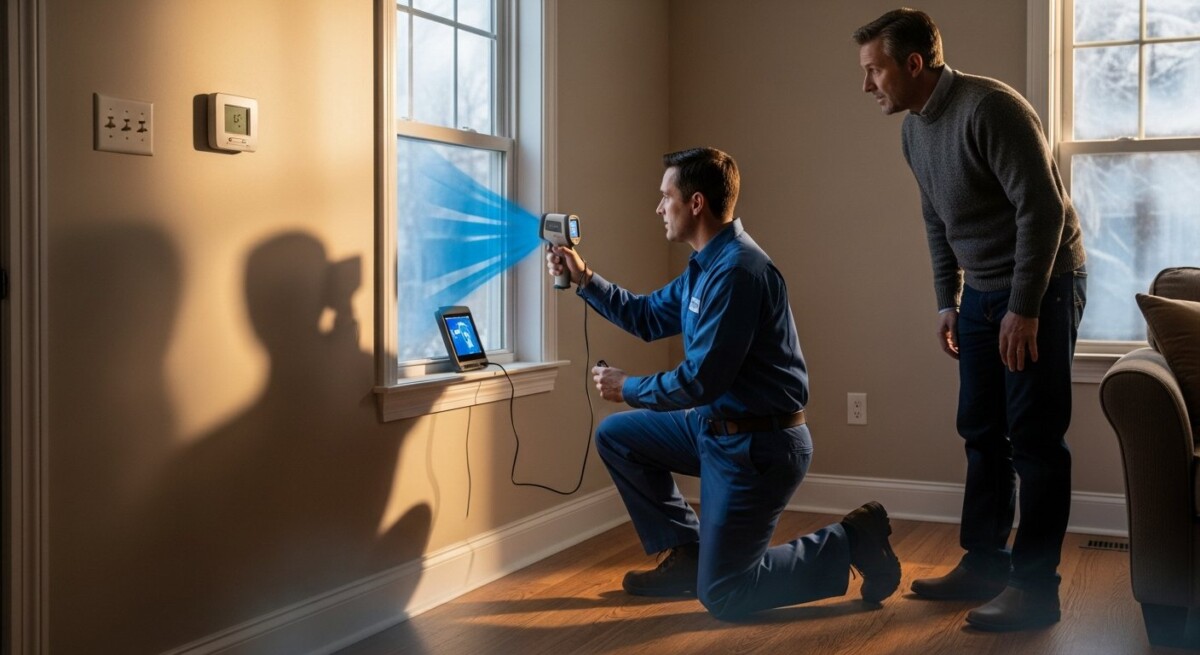
Experienced contractors approach energy upgrades systematically. They start with a thorough inspection to find every source of air leakage and poor insulation. Then they create a plan that addresses the most impactful areas first. Professional work ensures that upgrades are done correctly and safely, often with warranties that protect your investment.
Here is the typical process a contractor follows:
- Home energy audit , using tools like blower doors and infrared cameras to detect air leaks and insulation gaps
- Sealing air leaks , caulking, weatherstripping, and foam sealant around windows, doors, attic hatches, and duct joints
- Adding or upgrading insulation , blown-in cellulose or spray foam in attics, walls, and crawl spaces
- Upgrading windows and doors , installing double-pane, low-E glass and properly sealed frames
- Improving HVAC efficiency , sealing ducts, adding programmable thermostats, or replacing old equipment
DIY attempts can save money upfront, but they often miss hidden problems. A professional knows where to look and how to fix issues without causing damage. For example, adding insulation without sealing air leaks first can trap moisture inside your walls, leading to mold. Trusting a contractor gives you peace of mind that the job is done right the first time.
A professional inspection can reveal hidden issues before they become expensive repairs. Compare contractor quotes here or call to discuss your project.
Warning Signs You Should Not Ignore
Your home gives you clues when it is losing energy. Paying attention to these signs early can save you hundreds of dollars in wasted energy and prevent bigger problems down the road. Walk through your home and look for these warning signs:
- Drafts around windows and doors , hold a candle near the frame; if the flame flickers, you have an air leak
- Attic insulation that is uneven or below the floor joists , a sign that insulation has settled or was never adequate
- Ducts that are visible in the basement or attic , if you see disconnected or crushed sections, conditioned air is escaping
- Frozen pipes in winter , poor insulation around pipes can lead to bursts and water damage
- Excessive dust or humidity indoors , air leaks bring in outdoor pollutants and moisture
- High energy bills compared to neighbors , a quick comparison can reveal if your home is underperforming
If you spot any of these signs, do not wait. Small problems grow over time. A crack in your attic seal today can become a major leak next winter, costing you far more in heating bills and potential water damage.
What Affects the Cost of Repairs or Installation
The cost of energy efficient upgrades varies widely based on your home’s size, condition, and the type of work needed. Understanding these factors helps you budget realistically and compare quotes with confidence.
Key cost factors include the size of the project,sealing a few windows costs much less than replacing all of them. Materials also matter: spray foam insulation is more expensive than fiberglass batts but offers better performance. Labor costs depend on accessibility; an attic with limited headroom takes longer to insulate than an open crawl space. The age of your home can also affect pricing because older homes may have hidden issues like knob-and-tube wiring or asbestos that must be addressed first.
On average, homeowners spend between $2,000 and $10,000 on a comprehensive energy upgrade package, but individual projects can be much smaller. The best way to know the exact cost for your home is to get personalized estimates from multiple contractors.
Costs can vary depending on the condition of your home. The best way to know the price is to get a personalized estimate. Request free quotes from contractors or call today.
How to Choose the Right Contractor
Finding a trustworthy contractor is just as important as choosing the right upgrade. A good contractor will explain your options clearly, provide a detailed written estimate, and stand behind their work. Here are practical tips for selecting the right professional:
- Check licenses and insurance , verify that the contractor is licensed in your state and carries liability insurance and workers’ compensation
- Read customer reviews , look for recent reviews on Google, Yelp, or the Better Business Bureau, and pay attention to how complaints were handled
- Ask for detailed estimates , a good estimate breaks down materials, labor, and any permit fees, so you know exactly what you are paying for
- Compare multiple quotes , get at least three quotes to understand the market rate and avoid overpaying
- Confirm experience with similar projects , ask if they have done energy audits or insulation work on homes similar to yours
Taking time to vet contractors pays off. A quality installation will save you money for years, while a poor one can lead to ongoing problems. If you want to learn more about how efficient upgrades work alongside your heating and cooling system, read our guide on Energy Efficient HVAC: Save Money and Improve Home Comfort.
Long-Term Benefits of Professional Work
Investing in professional energy upgrades offers benefits that go far beyond lower utility bills. First, your home becomes safer. Proper insulation and sealed ducts reduce the risk of moisture damage and mold. Second, your home lasts longer. When your heating and cooling systems do not have to work as hard, they experience less wear and tear, extending their lifespan.
Your comfort improves dramatically. No more cold spots in winter or stuffy rooms in summer. Your home feels consistent and pleasant year-round. This comfort also translates into higher resale value. Real estate agents and appraisers increasingly factor energy efficiency into home valuations. A home with documented upgrades can sell for more and spend less time on the market.
Finally, professional work reduces your long-term maintenance. Sealed attics and crawl spaces keep out pests and moisture, which means fewer repairs down the road. For a deeper look at how these upgrades fit into a complete home improvement plan, check out our article on Energy Efficient Home Upgrades for Comfort and Savings.
What is the most cost-effective energy upgrade?
Air sealing is usually the most cost-effective upgrade. It stops heated and cooled air from escaping through gaps around windows, doors, and attic hatches. Sealing these leaks can reduce energy waste by 10 to 20 percent, often for a very low cost.
How much can I save with energy efficient upgrades?
Savings depend on your home and the upgrades you choose. On average, homeowners save 15 to 30 percent on their energy bills after a comprehensive upgrade. Some households see even higher savings if their home was very inefficient before.
Do energy upgrades increase home value?
Yes. Studies show that homes with energy efficient features sell for more than comparable homes without them. Buyers are willing to pay a premium for lower utility costs and a more comfortable living environment.
How long do energy upgrades last?
Most energy upgrades last 20 to 30 years. Insulation, once properly installed, lasts indefinitely. High-efficiency windows and doors typically come with warranties of 20 years or more. Sealed ducts and air barriers also provide long-lasting benefits.
Can I do energy upgrades myself?
Some small projects like weatherstripping or caulking windows can be done yourself. However, larger upgrades like attic insulation, duct sealing, and window replacement are best left to professionals. Mistakes can reduce effectiveness or even cause damage.
How do I know if my home needs energy upgrades?
Look for drafts, high bills, or uneven temperatures. A professional home energy audit is the most reliable way to find out. The audit will identify exactly where your home is losing energy and recommend the most effective fixes.
What is a home energy audit?
A home energy audit is a thorough inspection of your home’s energy performance. A contractor uses special tools like a blower door and infrared camera to find air leaks and insulation gaps. The audit results in a detailed report with recommendations for upgrades.
Are there rebates or tax credits for energy upgrades?
Yes. Federal tax credits and local utility rebates are available for many energy efficient upgrades, including insulation, windows, and HVAC systems. Check the Energy Star website or ask your contractor about current incentives in your area.
Making your home more energy efficient is one of the smartest investments you can make. It saves you money every month, protects your home from damage, and increases its value. Do not wait until a small problem becomes a costly repair. Start by getting quotes from qualified contractors who can show you exactly what your home needs and how much it will cost. Compare those quotes, ask questions, and choose the professional who fits your budget and your needs. Your home,and your wallet,will thank you.

About Alex Carter
"*" indicates required fields