
What Affects Home Remodeling Cost: A Homeowner’s Guide
"*" indicates required fields
You’ve finally decided to tackle that kitchen renovation or add the master bathroom you’ve always wanted. You start dreaming about finishes and layouts, but then a practical question hits: how much will this actually cost? You search online for “average remodel cost” and get a dizzying range of numbers that don’t seem to apply to your specific home. The truth is, a remodeling cost isn’t a one-size-fits-all number; it’s a unique calculation based on your home, your choices, and the work required. Ignoring the true factors that drive price can lead to stalled projects, budget overruns, or choosing the wrong contractor for the job.
Understanding What Affects Home Remodeling Cost
Home remodeling cost is the total price of transforming a part of your home. It’s not just materials and labor slapped together. Think of it as a detailed recipe where changing even one ingredient changes the final result.
The final price is shaped by a combination of your project’s scope, the quality of materials you select, and the complexity of the work involved. Every home and every homeowner’s vision is different, which is why costs can vary so dramatically from one project to the next.
While all homes can be remodeled, older homes often present unique challenges that can affect cost, like outdated wiring, plumbing, or structural issues discovered once walls are opened.
Scope: The Biggest Driver of Price
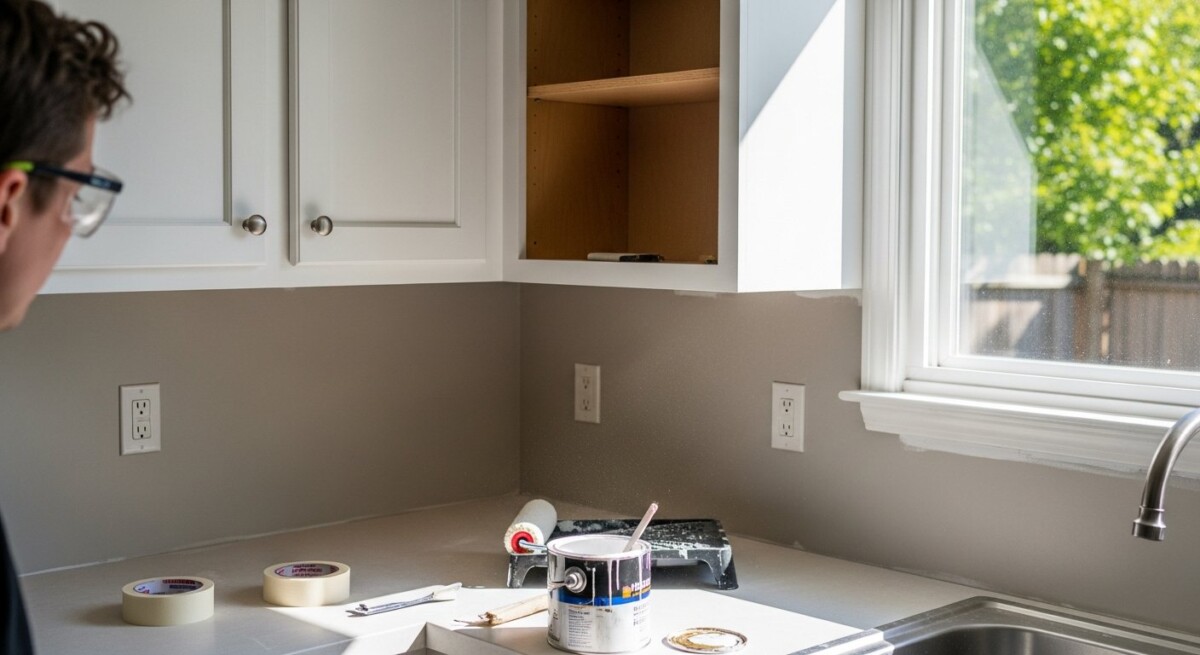
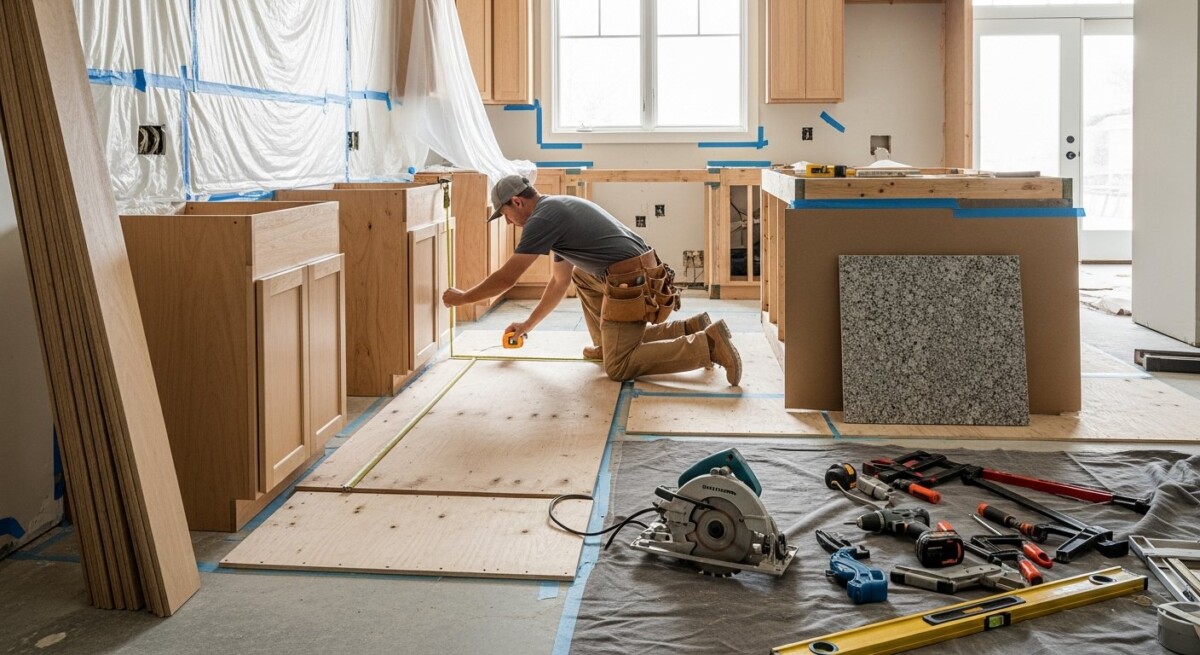
The “scope” of your project is simply how much you want to change. A minor cosmetic update, like painting cabinets and replacing hardware, has a small scope. A full gut renovation, where everything is removed down to the studs, has a large scope. The more you change, the more materials and labor are required, directly increasing the cost.
Why This Matters for Your Home
Understanding what drives remodeling costs is crucial for protecting your investment. A realistic budget based on true factors helps you plan financially and avoid the stress of running out of funds mid-project.
More importantly, it guides you toward a successful outcome. When you know what you’re paying for, you can make informed decisions about where to splurge and where to save, ensuring the finished project adds value, safety, and enjoyment to your home for years to come.
Underestimating costs often leads homeowners to cut corners or hire unqualified help, which can result in poor workmanship, code violations, or even safety hazards. A well-planned budget is your first step toward a quality remodel.
If you notice signs of this issue in your home, it may help to speak with a qualified contractor. Request a free quote or call to explore your repair or remodeling options.
Common Problems Homeowners Experience
Many homeowners begin their remodeling journey with a budget in mind, only to be surprised when estimates come in higher. This often happens because they’ve budgeted for the visible finishes without accounting for the unseen work.
Another common issue is the “while we’re at it” trap. Once demolition begins, hidden problems like water damage, faulty wiring, or insufficient insulation are revealed. Addressing these issues is non-negotiable for a safe, lasting remodel, but they weren’t part of the original plan or budget.
- Underestimating the cost of necessary structural updates.
- Being surprised by permit fees and building code requirements.
- Choosing high-end appliances but not budgeting for the electrical or plumbing upgrades they require.
- Planning for new flooring but discovering the subfloor needs extensive repair.
- Wanting to move plumbing fixtures or walls, which significantly increases labor and material costs.
- Facing limited availability of skilled labor or materials, which can delay the project and increase price.
How Professionals Solve the Problem
A professional contractor doesn’t just give you a random number. They systematically evaluate every factor that will influence your project’s cost to provide a detailed, realistic estimate. This process brings clarity and prevents surprises.
Their experience allows them to anticipate common hidden issues specific to your type of home or project. They build contingencies and proper planning into the estimate, transforming a wish list into an actionable, well-priced plan. For a deeper look into this process, our article on how contractors estimate remodeling cost breaks it down step-by-step.
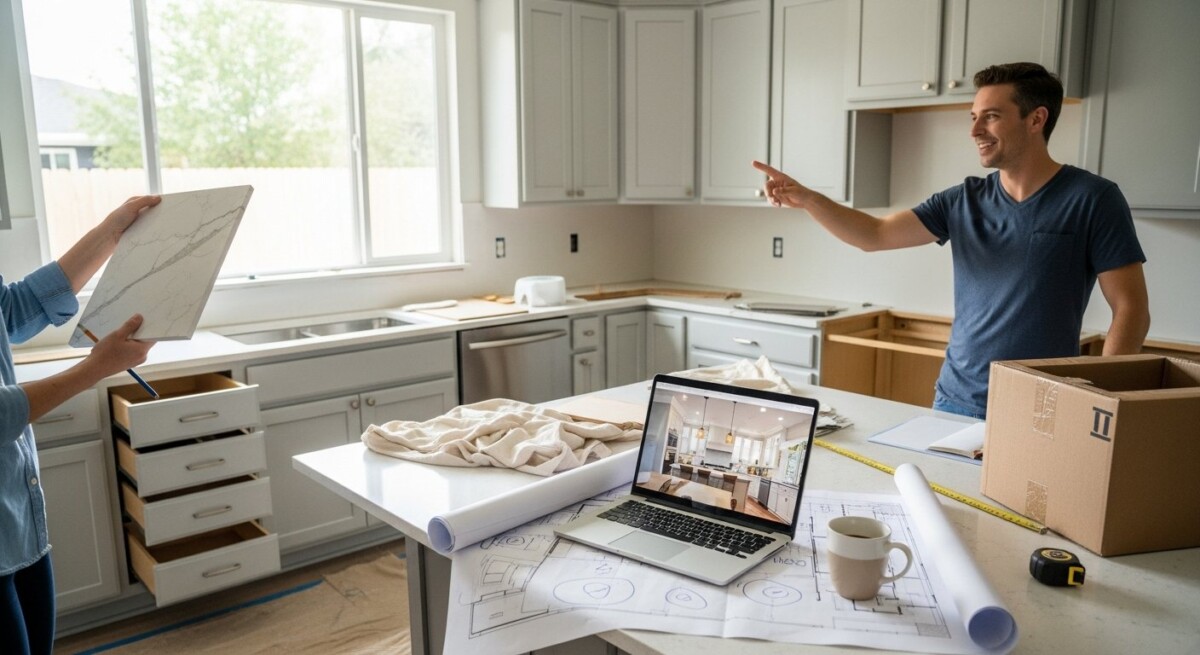
- Consultation & Vision: They discuss your goals, preferences, and budget to understand the project scope.
- Site Inspection & Measurement: They thoroughly assess your home’s current condition, taking precise measurements and noting potential challenges.
- Detailed Planning & Design: Often with designer input, they create plans that specify materials, layouts, and all construction details.
- Material & Labor Calculation: They calculate exact quantities of materials and the hours of skilled labor needed for each task.
- Quote Presentation: They provide a transparent, line-item estimate that clearly shows where your money is going, allowing for informed adjustments.
A professional inspection can reveal hidden issues before they become expensive repairs. Compare contractor quotes here or call to discuss your project.
Warning Signs You Should Not Ignore
If you’re gathering estimates and they vary wildly with no clear explanation, it’s a major red flag. This usually means scopes of work are not being defined consistently, and some contractors may be missing critical cost factors.
Another warning sign is a contractor who provides a firm quote without asking detailed questions about your home or seeing the space. This “ballpark” figure is almost guaranteed to change, usually upward, once the real work begins.
- An estimate that seems too good to be true (it almost always is).
- A contractor who is vague about what is and isn’t included in the price.
- No allowance for potential hidden conditions or unforeseen issues.
- Pressure to sign a contract immediately with a “today only” discount.
- Reluctance to provide references or proof of license and insurance.
- An estimate that’s just one total number, with no breakdown of costs.
What Affects the Cost of Repairs or Installation
Several key factors directly influence your final remodeling bill. The first is the size and scale of the project. A larger space requires more materials,more flooring, more paint, more cabinets. It also requires more labor hours to complete.
Material selections create a huge cost range. Laminate countertops and stock cabinets have a very different price point than quartzite countertops and custom cabinetry. Your choices here allow you to control budget and align cost with your long-term goals.
Other major factors include labor complexity (moving plumbing is more expensive than keeping fixtures in place), home age and condition (older homes often need more preparatory work), and location/accessibility (a third-story bathroom remodel may cost more due to logistics). Understanding your kitchen remodeling cost and budget dynamics is a perfect example of how these factors interplay in a specific project.
Costs can vary depending on the condition of your home. The best way to know the price is to get a personalized estimate. Request free quotes from contractors or call today.
How to Choose the Right Contractor
The right contractor is your partner in navigating cost factors. They should be a communicator, an educator, and a transparent planner. Your goal is to find someone who helps you understand the investment, not just take your money.
Start by getting at least three detailed estimates. This allows you to compare not just the bottom line, but the scope of work, material quality, and project approach. The cheapest option is rarely the best value in remodeling.
- Verify they are licensed, insured, and bonded for your protection.
- Read recent reviews and ask for references from past clients with similar projects.
- Ensure they provide a written, detailed contract that includes payment schedule, timeline, and specific materials.
- Choose someone who listens to your concerns and answers questions clearly, without pressure.
- Confirm they will handle all necessary permits and inspections, a critical step that affects cost and legality.
Long-Term Benefits of Professional Work
Investing in a well-planned, professionally executed remodel pays dividends long after the project is complete. Quality workmanship and proper installation mean your new space will be durable, safe, and function as intended for decades.
This approach protects and increases your home’s value. A remodel that is done correctly, with proper permits and high-quality materials, is a strong selling point. Conversely, a cheap, poorly done remodel can actually detract from your home’s value and become a liability.
You’ll also enjoy benefits like improved energy efficiency from new windows or insulation, reduced maintenance costs, and the daily comfort and joy of a space that truly meets your family’s needs. For homeowners in specific areas, considering local trends is also wise, as outlined in our guide to home remodeling in Houston.
How much should I budget for unexpected costs?
It’s wise to set aside an additional 10-20% of your total project budget as a contingency fund. Even with the best planning, remodeling can reveal hidden issues like outdated wiring or structural surprises once walls are opened. This fund ensures these necessary fixes don’t derail your project or force you to compromise on quality elsewhere.
Does a more expensive contractor always mean better quality?
Not always, but a very low bid is a major red flag. The highest price doesn’t guarantee the best work, but a price significantly lower than others often means the contractor is cutting corners, using inferior materials, or has misunderstood the scope. Focus on the value offered,the combination of quality materials, clear communication, solid reputation, and a detailed plan,rather than price alone.
What is the difference between an estimate and a quote?
An estimate is an educated guess of the projected cost, often given early in the planning process and subject to change. A quote (or bid) is a fixed-price offer to complete a specifically defined scope of work. Always get a detailed written quote before signing a contract, as this is the price you should expect to pay if the scope doesn’t change.
Should I get permits for my remodel?
Absolutely. Permits are required for most structural, electrical, and plumbing work. They ensure the work is inspected and meets building codes for safety. Skipping permits can lead to fines, problems when you sell your home, and unsafe living conditions. A reputable contractor will handle this process for you.
How can I save money on my remodeling project?
Smart savings come from planning, not cutting critical corners. Keep plumbing and electrical fixtures in their existing locations if possible. Choose durable, mid-range materials instead of the most premium options. Plan thoroughly to avoid costly change orders mid-project. Also, remodeling during a contractor’s off-peak season (often late fall/winter) can sometimes yield better pricing.
How long does a typical home remodel take?
The timeline depends entirely on the project’s scope and complexity. A small bathroom might take 3-4 weeks, while a full kitchen remodel or whole-house renovation can take 3-6 months or more. Your contractor should provide a detailed timeline in the contract, but be prepared for some flexibility as unexpected issues can arise.
Understanding what affects your home remodeling cost is the foundation of a successful project. It empowers you to plan realistically, choose the right professional partner, and make decisions that align with your budget and goals. By addressing these factors early and seeking detailed, professional quotes, you can transform your home with confidence, knowing you’ve invested wisely in your home’s future, comfort, and value.

About Alex Carter
"*" indicates required fields