How Much Does a Remodel Increase Your Home’s Value?
"*" indicates required fields
You’ve been thinking about updating your kitchen for years. The cabinets are dated, the countertops are worn, and you dream of a space that truly works for your family. But as you start to plan, a big question holds you back: is this renovation actually a good investment? You’re not just spending money; you’re hoping to add value to your biggest asset. Understanding how much a remodel increases home value is the key to making a smart, confident decision that protects your investment and enhances your daily life.
Understanding How Much a Remodel Increases Home Value
Home value increase from a remodel isn’t a simple, guaranteed percentage. It’s the estimated amount of value a specific improvement adds to your home’s overall market price. Think of it as your potential return on investment (ROI).
This value boost happens because you’re replacing worn, outdated, or inefficient features with new, desirable ones. You’re essentially curing functional or aesthetic defects that might deter future buyers. The amount of value added depends heavily on the type of project, the quality of work, and your local real estate market.
While any home can benefit, the impact is often most noticeable in homes that are significantly outdated compared to neighborhood standards. A modernized home in a well-kept area typically sees a stronger value lift than a high-end renovation in a declining market.
Why This Matters for Your Home
Ignoring needed updates or choosing the wrong projects can quietly cost you money. An outdated or poorly functioning home may sell for less and take longer to find a buyer when the time comes. You’re essentially leaving potential equity on the table.
Beyond pure resale value, strategic remodels solve real problems. They can fix safety issues, improve energy efficiency to lower bills, and dramatically increase your daily comfort and enjoyment. A well-planned renovation is an investment in both your financial future and your present quality of life.
If you notice signs that your home is falling behind or no longer meets your needs, it may help to speak with a qualified contractor. Request a free quote or call to explore your repair or remodeling options.
Common Problems Homeowners Experience
Many homeowners struggle with knowing where to start or which projects will pay off. It’s easy to pour money into personal preferences that don’t align with broader market appeal, resulting in a low return.
Common issues that signal a remodel could boost your value include kitchens and bathrooms stuck in past decades, inefficient layouts that waste space, and worn-out flooring or fixtures. Exterior problems like peeling paint or an old roof can also hurt curb appeal and value before a buyer even steps inside.
- Outdated Kitchens and Bathrooms: These are the most scrutinized rooms. Old appliances, laminate counters, and worn cabinetry are major value detractors.
- Poor Curb Appeal: A faded, tired exterior creates a negative first impression that can lower perceived value.
- Inefficient Use of Space: Closed-off floor plans, lack of storage, or unused rooms make a home feel smaller and less functional.
- Worn-Out Major Systems: An aging HVAC system, old plumbing, or outdated electrical wiring are red flags for buyers and appraisers.
- Lack of Modern Amenities: No dedicated laundry space, insufficient lighting, or only one bathroom in a multi-bedroom home can limit value.
- Visible Wear and Tear: Scratched floors, stained carpets, and damaged walls make a home feel poorly maintained.
How Professionals Solve the Problem
A professional contractor doesn’t just swing a hammer. They act as a guide, helping you navigate which projects offer the best balance of personal enjoyment and value retention. They bring knowledge of what buyers in your area expect and can advise on material choices that look great and stand the test of time.
Their process ensures the job is done correctly, safely, and up to code,factors that are critical for protecting your investment. A DIY or poorly executed project can actually decrease your home’s value if it raises concerns about quality or safety.
- Consultation & Planning: They assess your home, discuss your goals and budget, and help prioritize projects with the best potential ROI.
- Design & Material Selection: Professionals recommend layouts and materials that enhance both function and broad appeal, avoiding overly personalized choices that might not resonate.
- Permitting & Scheduling: They handle necessary permits and create a realistic timeline, minimizing disruption and ensuring work is legally compliant.
- Quality Execution: Skilled tradespeople perform the work to high standards, ensuring durability and a finished look that appeals to future appraisers and buyers.
- Final Inspection & Cleanup: The project is completed thoroughly, with all work inspected and the site cleaned, ready to enjoy and show off.
A professional inspection can reveal hidden issues before they become expensive repairs. Compare contractor quotes here or call to discuss your project.
Warning Signs You Should Not Ignore
Your home often gives you clues that an update is overdue. Paying attention to these signs can help you act before small issues become major value killers. Early action is almost always more cost-effective than waiting for a full breakdown or a rushed sale.
Listen to feedback from guests or your real estate agent if you’ve considered selling. Their neutral perspective can highlight value detractors you’ve grown accustomed to seeing every day.
- You’re Apologizing for Your Home: Do you find yourself saying “the kitchen is old, but…” when showing people around?
- Comparable Homes Sell Faster & For More: Neighbors with similar-sized but updated homes are outpacing yours on the market.
- Functionality is Frustrating: Lack of counter space, not enough bathrooms for your family, or a layout that traps you in one room.
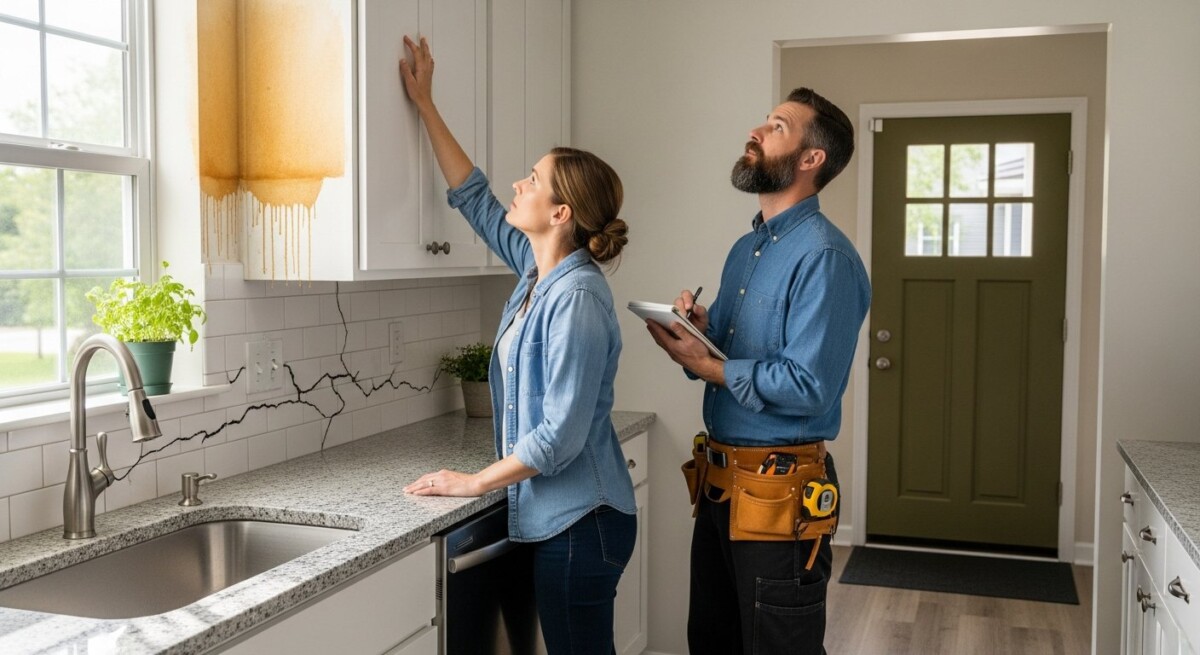
- Repairs Are Becoming Constant: You’re constantly fixing leaks, creaks, and breakdowns instead of enjoying your home.
- Energy Bills Are Climbing: Drafty windows, poor insulation, or an old HVAC system are costing you monthly and signaling inefficiency.
- You’re Planning to Sell in 3-5 Years: Strategic updates made now can be enjoyed by you and then leveraged for a stronger sale price.
What Affects the Cost of Repairs or Installation
The cost of a value-adding remodel isn’t one-size-fits-all. It’s influenced by the scope of work, the quality of materials you choose, and the current condition of your home. A simple cosmetic update costs far less than reconfiguring plumbing and walls.
Labor is a significant factor, and rightly so. Experienced, licensed professionals ensure the work is done safely and correctly, which protects your home’s value. The accessibility of the work area and the age of your home can also affect cost, as older homes sometimes reveal unexpected issues once walls are opened.
Costs can vary depending on the condition of your home. The best way to know the price is to get a personalized estimate. Request free quotes from contractors or call today.
How to Choose the Right Contractor
Your contractor is your partner in this investment, so choosing wisely is crucial. Look for a professional who listens to your goals and communicates clearly and honestly about costs and timelines. They should view your project through the dual lens of creating a space you love and protecting your home’s marketability.
Always verify their credentials and ask for references from past clients. A trustworthy contractor will be transparent and happy to provide this information, giving you peace of mind.
- Check Licenses, Insurance, and Bonding: This is non-negotiable for your protection and indicates a legitimate business.
- Read Reviews and Ask for References: Talk to past clients about their experience, the quality of work, and how the contractor handled any challenges.
- Ask for a Detailed, Written Estimate: The estimate should break down costs for materials, labor, and permits, so you understand what you’re paying for.
- Compare Multiple Quotes: Get at least three detailed quotes to understand the market rate and different approaches to your project.
- Confirm Experience with Similar Projects: Ask to see photos of completed work that is similar in style and scope to what you want. For example, our guide on kitchen upgrades that increase home value shows the kind of finished results you should look for in a portfolio.
Long-Term Benefits of Professional Work
The benefits of a professional remodel extend far beyond the immediate “wow” factor. Quality workmanship and materials mean your updates will last for years, reducing the need for costly repairs or re-dos down the line. This durability is a key part of protecting your investment.
You’ll also enjoy improved safety, better energy efficiency, and a home that functions seamlessly for your life. When it’s time to sell, these factors combine to create a strong value proposition. A modern, move-in-ready home appeals to the largest pool of buyers, helping you sell faster and for a better price. Understanding which kitchen upgrades increase home value is a perfect example of targeting improvements that deliver both immediate satisfaction and long-term financial benefit.
What is the average ROI for a home remodel?
It varies greatly by project. Minor kitchen remodels and bathroom updates often see returns of 60-80%, while larger, more personalized projects may have a lower percentage return. The key is to focus on updates that align with neighborhood norms.
Which remodels add the most value?
Kitchen and bathroom renovations typically offer the strongest returns, followed by adding a deck, replacing siding or windows, and finishing a basement. Curb appeal projects like a new garage door or landscaping also have high impact for relatively low cost.
Can a remodel decrease my home’s value?
Yes, if it’s poorly executed, doesn’t meet building codes, or is overly customized to a niche taste that doesn’t appeal to the broader market. This is why professional guidance is so valuable.
How do I know if my remodel will pay off?
Research comparable homes in your area, consult with a local real estate agent about what buyers want, and work with a contractor who understands value-driven remodeling. Getting multiple quotes helps ensure the project cost is in line with the potential value add.
Is it better to remodel or move?
If you love your location but need more space or modern features, remodeling is often more cost-effective than moving when you factor in real estate commissions, closing costs, and moving expenses. It also lets you create your ideal home exactly how you want it.
Should I remodel before selling?
Strategic, cosmetic updates before selling can be very effective. Focus on key areas like fresh paint, updated fixtures, and targeted kitchen and bathroom upgrades that make the home feel fresh and well-maintained without undertaking major construction.
How does financing a remodel work?
Options include home equity loans, cash-out refinances, or renovation mortgages. Your contractor may also have relationships with lenders. Discuss your budget openly with your contractor to explore feasible options.
How long does a typical remodel take?
Timelines vary. A small bathroom might take 2-3 weeks, while a full kitchen remodel could take 6-12 weeks. Your contractor should provide a detailed schedule upfront and communicate regularly about progress.
Investing in your home through a thoughtful remodel is one of the smartest financial decisions a homeowner can make. By focusing on projects that enhance both your daily life and your home’s market appeal, you build equity and create a space you truly love. If you’re considering an update, the best first step is to gather information. Comparing detailed quotes from qualified local contractors will give you the clarity and confidence to move forward with your investment.

About Alex Carter
"*" indicates required fields