Smart Home Renovation: Upgrade Your Home for Modern Living
"*" indicates required fields
You walk into your living room, and the lights don’t turn on. The thermostat feels stuck, and you cannot remember if you left the garage door open. These small frustrations often signal a bigger issue: your home’s technology is outdated. Many homeowners discover this when they try to add a new device, only to find their wiring or panel cannot handle it. Ignoring these limits can lead to higher energy bills, safety risks, and expensive emergency fixes later.
That is where a smart home renovation comes in. It is not just about gadgets. It means upgrading your home’s electrical, wiring, and structural systems so they work with modern technology. This article explains what a smart home renovation involves, why it matters, and how to get it done without stress.
Understanding Smart Home Renovation
A smart home renovation is a remodeling project that integrates technology into your home’s core systems. This includes installing smart lighting, automated thermostats, security cameras, voice-controlled outlets, and whole-home wiring for internet and entertainment. The goal is to make your home more convenient, efficient, and secure.
This type of renovation often happens during a larger remodel, such as a kitchen or bathroom update, but it can also be done as a standalone project. Older homes, especially those built before 2000, typically lack the neutral wires and updated panels needed for smart devices. Even newer homes may need upgrades if the builder used basic components.
Why This Matters for Your Home
Ignoring the need for a smart home renovation can affect your daily life in real ways. Without proper wiring, your smart devices may lose connection, fail to sync, or drain power unnecessarily. This can lead to higher electricity bills and frequent replacements of devices that burn out prematurely.
Safety is another major concern. Outdated electrical systems are a leading cause of house fires. Adding smart smoke detectors, leak sensors, and security cameras can protect your family and property. A professional renovation also ensures all installations meet current building codes, which protects your home insurance coverage.
If you notice signs of this issue in your home, it may help to speak with a qualified contractor. Request a free quote or call to explore your repair or remodeling options.
Common Problems Homeowners Experience
Many homeowners jump into buying smart devices, only to discover their home cannot support them. A common complaint is that a smart switch requires a neutral wire, but the existing wiring lacks one. Another is that the Wi-Fi signal drops in certain rooms, making voice assistants and cameras unreliable.
Other issues include outlets that do not fit smart plugs, circuit breakers that trip when multiple devices run at once, and thermostats that lose power because the HVAC system is incompatible. These problems are frustrating, but they are also fixable with the right renovation plan.
- Frequent Wi-Fi dead zones in certain rooms
- Smart switches or dimmers that flicker or fail
- Circuit breakers tripping when using smart appliances
- Outlets that do not accommodate USB or smart plugs
- Incompatible thermostat wiring for modern models
- Old electrical panels that lack space for new circuits
How Professionals Solve the Problem
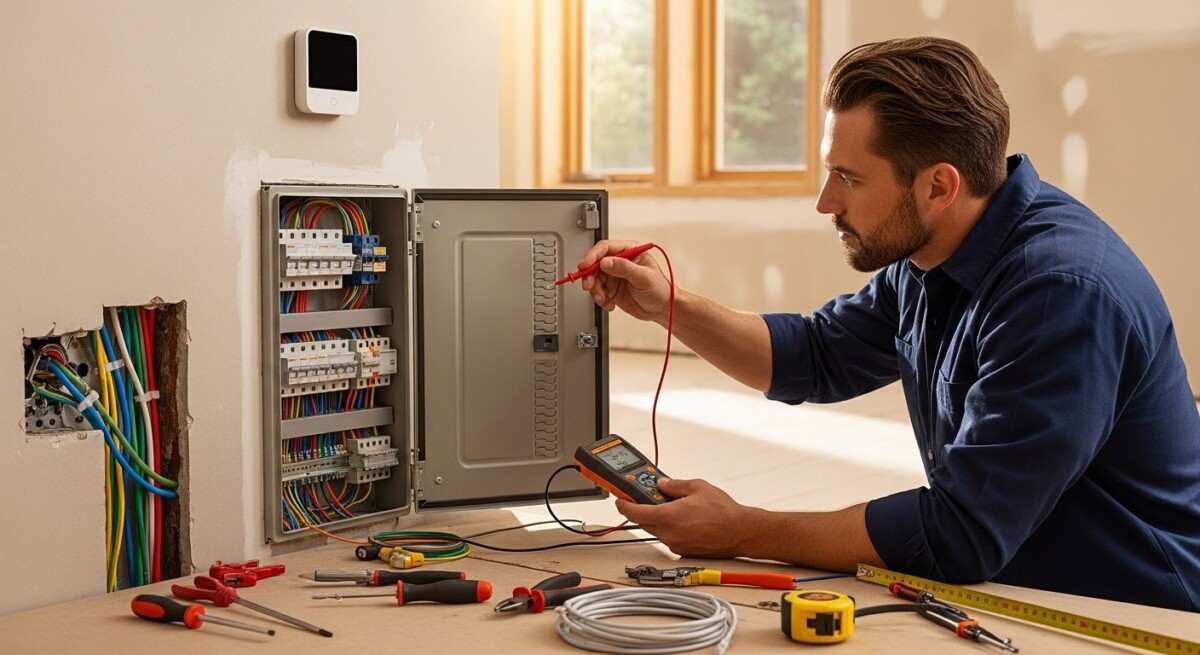
Experienced contractors start with a thorough assessment of your current electrical system, wiring, and panel capacity. They identify what needs upgrading and plan a phased approach that fits your budget. This avoids the guesswork and trial-and-error that often comes with DIY installations.
A typical smart home renovation follows these steps:
- Consultation and site evaluation. The contractor inspects your home’s wiring, panel, and existing devices.
- System design. They create a plan for wiring, outlets, and device placement to ensure full coverage.
- Permitting and code compliance. Professionals handle permits and ensure all work meets local safety codes.
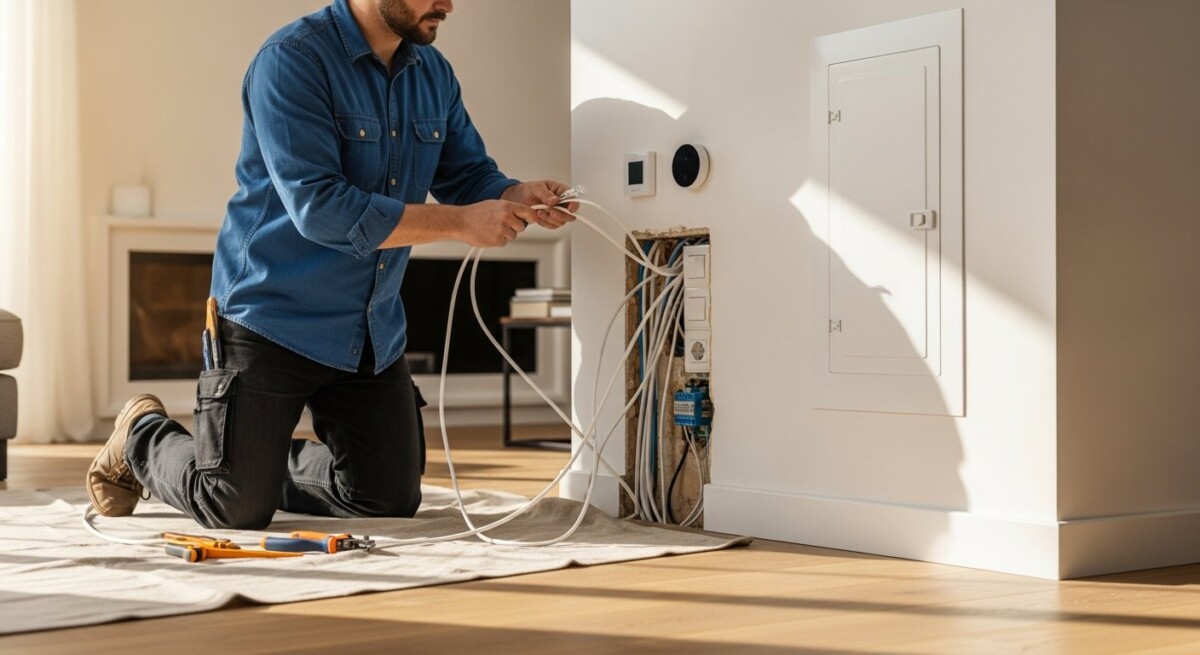
- Installation. Electricians run new wires, upgrade panels, and install smart switches, outlets, and hubs.
- Testing and setup. Every device is tested, and the system is configured to work together seamlessly.
Professional work is safer and more reliable than DIY because contractors guarantee their labor and carry insurance. They also know how to avoid common mistakes, like overloading circuits or installing incompatible devices.
A professional inspection can reveal hidden issues before they become expensive repairs. Compare contractor quotes here or call to discuss your project.
Warning Signs You Should Not Ignore
Your home often gives you clues that it needs a smart home renovation. Pay attention to these signs before they turn into bigger problems. Early action can save you hundreds of dollars and prevent damage to your walls or devices.
If you notice any of the following, it is time to call a professional:
- Smart devices frequently disconnect or lose pairing
- Lights flicker when a smart appliance turns on
- Outlets feel warm or make buzzing sounds
- Your breaker panel is full with no room for new circuits
- You still use older incandescent bulbs because smart LEDs do not work
- Your home was built before 2000 and has never had an electrical update
What Affects the Cost of Repairs or Installation
The cost of a smart home renovation depends on several factors. The size of your home matters because larger spaces need more wiring and devices. The age of your home also plays a role; older homes often require a full panel upgrade or new wiring runs, which increases labor time.
Material choices affect the price too. Basic smart switches cost less than high-end models with touchscreens or voice control. Accessibility is another factor; if your walls are open during a remodel, installation is cheaper than retrofitting through finished walls. Finally, local labor rates and permit fees vary by region.
Costs can vary depending on the condition of your home. The best way to know the price is to get a personalized estimate. Request free quotes from contractors or call today.
How to Choose the Right Contractor
Not every contractor has experience with smart home technology. Look for someone who specializes in home automation or low-voltage wiring. Ask about their familiarity with systems like Z-Wave, Zigbee, or Matter, which are common in smart homes.
Take these steps to find a reliable professional:
- Verify their license and liability insurance
- Read reviews on sites like Google and the Better Business Bureau
- Ask for a detailed written estimate that breaks down labor and materials
- Get at least three quotes to compare pricing and scope
- Confirm they have completed similar smart home projects recently
In our guide on smart home renovation ideas, we explain how to choose the best technology for your lifestyle. For a full overview of what to expect, read our practical guide for homeowners. If you are still deciding whether a full remodel is right, check out our article on what is smart home remodeling.
Long-Term Benefits of Professional Work
Investing in a professional smart home renovation pays off over time. Your home becomes more energy-efficient because smart thermostats and lighting adjust automatically based on occupancy. This can lower your monthly utility bills by 10 to 30 percent.
Safety improves with features like smart locks, video doorbells, and leak detectors that send alerts to your phone. These systems also increase your home’s resale value. Many buyers today expect a home to have at least basic smart features, so a well-done renovation can give you an edge in the market.
Finally, professional work reduces future maintenance. Devices installed correctly last longer, and warranties protect you if something fails. You avoid the headache of troubleshooting flaky connections or replacing burned-out components.
What is the first step in a smart home renovation?
The first step is a professional assessment of your home’s electrical system and wiring. A contractor will inspect your panel, check for neutral wires, and evaluate your current devices. This helps you understand what upgrades are needed and how much the project will cost.
Can I do a smart home renovation myself?
Some tasks, like installing a smart plug or changing a light bulb, are DIY-friendly. However, rewiring, panel upgrades, and whole-home automation are best left to licensed electricians. Mistakes can cause electrical hazards, void warranties, or damage expensive devices.
How much does a smart home renovation cost?
Costs vary widely based on home size, existing wiring, and the devices you choose. A basic upgrade for a small home might start around $1,500, while a whole-home renovation with custom wiring can exceed $10,000. Getting multiple quotes helps you find a fair price.
How long does a smart home renovation take?
A simple upgrade, like adding smart switches and a thermostat, can take one to two days. A full renovation that includes new wiring, a panel upgrade, and multiple devices may take one to three weeks. The timeline depends on the complexity of the work and permitting requirements.
Will a smart home renovation increase my home’s value?
Yes, smart home features are attractive to buyers and can increase resale value by 3 to 5 percent. Energy-efficient systems, security features, and modern convenience are strong selling points. A professional installation adds credibility and peace of mind for potential buyers.
What smart devices should I start with?
Begin with devices that offer the biggest impact: a smart thermostat, a few smart lights, and a video doorbell. These are easy to install and show immediate benefits. From there, you can expand to smart locks, sensors, and whole-home automation.
Do I need a new electrical panel for a smart home?
Not always. If your panel has unused breaker slots and enough capacity, you may not need an upgrade. However, older panels (like 60-amp or fuse-based systems) often need replacement to handle modern loads. A professional can tell you during the inspection.
A smart home renovation is a practical investment that makes your daily life easier, safer, and more efficient. Whether you are adding a few devices or planning a full upgrade, the key is to start with a professional evaluation. This helps you avoid costly mistakes and ensures everything works together. Before you buy any equipment, compare contractor quotes to understand your options and budget. The right professional can turn your home into the smart, connected space you deserve.

About Alex Carter
"*" indicates required fields