Open Concept Home Remodel: A Practical Guide for Homeowners
"*" indicates required fields
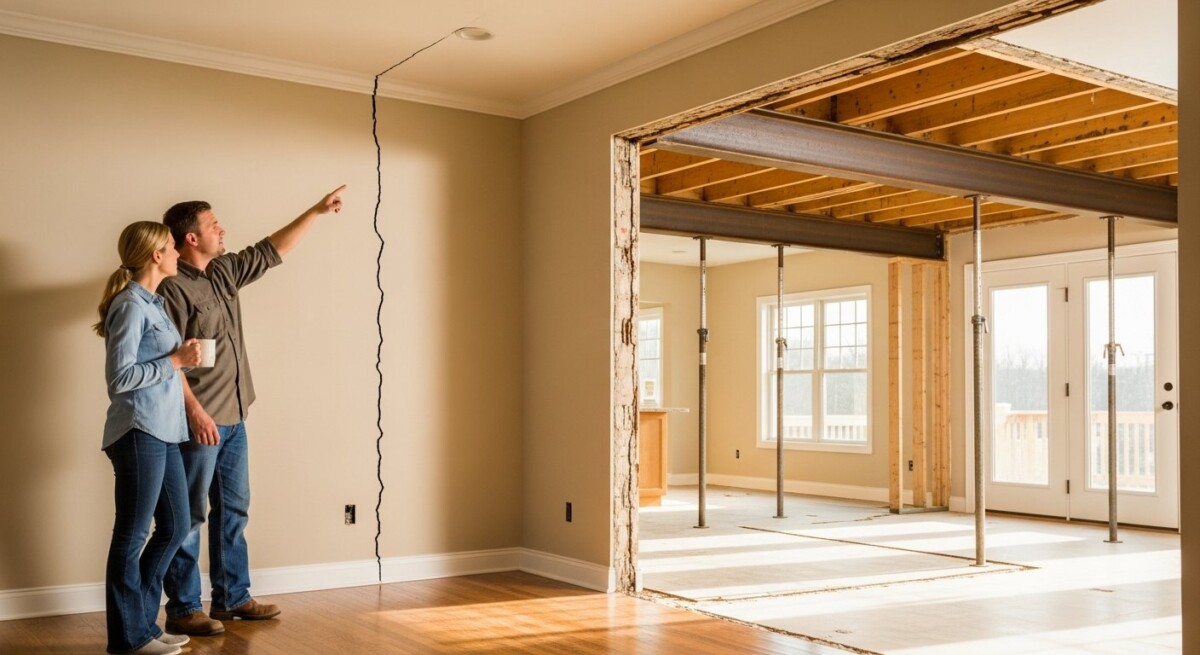
You walk into your living room and notice the wall between the kitchen and dining area has a small crack near the ceiling. At first, you think it’s just drywall settling. But over the next few weeks, the crack grows wider. The door to the hallway starts sticking. You begin to wonder if that wall is actually bearing weight. This is a common moment for homeowners considering an open concept home remodel. What starts as a cosmetic issue can quickly become a structural concern that affects your entire house. Ignoring these signs can lead to costly repairs down the road.
Understanding Open Concept Home Remodel
An open concept home remodel involves removing walls, typically between the kitchen, living room, and dining area, to create one large, flowing space. This design trend has become popular because it makes homes feel larger, brighter, and more connected. Many older homes, built with separate rooms and load-bearing walls, are prime candidates for this type of renovation.
Why does this matter? Because not every wall is safe to remove. Load-bearing walls support the weight of the floors and roof above. Removing them without proper reinforcement can lead to sagging ceilings, cracked drywall, and even structural failure. Homes built before the 1980s often have walls that were designed to carry weight, making an open concept remodel more complex.
What Makes a Wall Load-Bearing?
A load-bearing wall typically runs perpendicular to the floor joists and sits directly above a foundation wall or beam. If you have a two-story home, the wall might also support the floor above. A professional contractor can identify these walls during an inspection. Trying to guess yourself can be risky, as mistakes can compromise your home’s safety.
Why This Matters for Your Home
An open concept remodel isn’t just about aesthetics. It affects your home’s safety, comfort, and long-term value. Removing the wrong wall without proper engineering can cause floors to slope, ceilings to crack, and doors to jam. Over time, these issues can lead to expensive structural repairs that far exceed the cost of a proper remodel.
There’s also the issue of energy efficiency. Open floor plans often require changes to heating and cooling systems. Without careful planning, you might end up with uneven temperatures or higher utility bills. Additionally, an open concept remodel can increase your home’s resale value when done correctly, as many buyers prefer spacious, connected living areas.
If you notice signs of this issue in your home, it may help to speak with a qualified contractor. Request a free quote or call to explore your repair or remodeling options.
Common Problems Homeowners Experience
Homeowners often run into several issues during an open concept remodel. One common problem is discovering that a wall they planned to remove is load-bearing. This requires adding a beam or column, which increases the project’s cost and complexity. Another issue is finding outdated wiring or plumbing inside the wall that needs to be relocated.
Many homeowners also struggle with the transition between different flooring types. When you remove walls, you may need to patch or replace flooring to create a seamless look. Other challenges include dealing with uneven ceilings, mismatched trim, and the need for additional lighting in the new open space.
- Cracking or sagging ceilings after wall removal
- Sticking doors or uneven floors
- Old wiring or plumbing inside walls
- Gaps between flooring materials
- Poor lighting distribution in the new space
- Unexpected permits or code requirements
How Professionals Solve the Problem
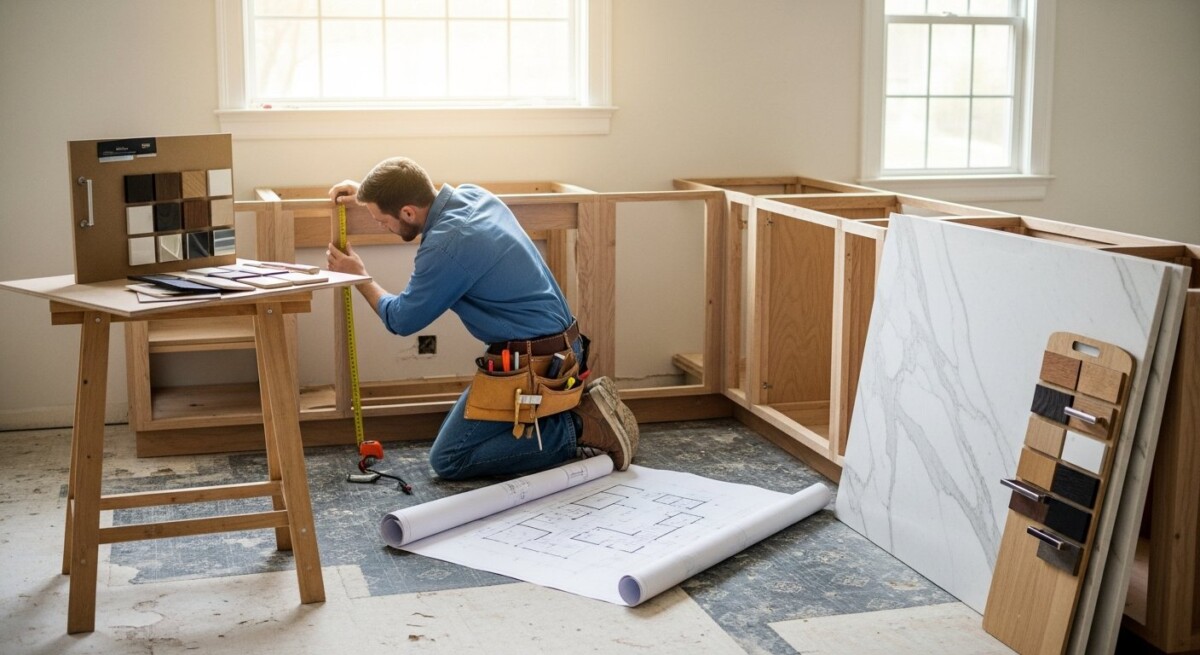
Experienced contractors start every open concept remodel with a thorough inspection. They check for load-bearing walls, locate hidden utilities, and assess the home’s overall structure. From there, they create a detailed plan that includes necessary permits, beam installations, and rerouting of electrical and plumbing lines.
The typical process follows these steps:
- Inspection and planning , A contractor evaluates the home and designs a safe remodeling plan.
- Structural support , If a load-bearing wall is removed, a steel or laminated veneer lumber (LVL) beam is installed to carry the weight.
- Utility relocation , Electricians and plumbers move wiring, outlets, and pipes to accommodate the new layout.
- Flooring and ceiling repair , Damaged areas are patched or replaced to create a unified finish.
- Final finishing , Drywall, paint, trim, and lighting are installed to complete the look.
Professional work is safer and more reliable than DIY fixes because contractors have the training, tools, and insurance to handle unexpected issues. A mistake in a load-bearing wall can cost thousands to fix, so hiring a pro is a smart investment.
A professional inspection can reveal hidden issues before they become expensive repairs. Compare contractor quotes here or call to discuss your project.
Warning Signs You Should Not Ignore
Your home often gives you clues that a wall removal or structural change is needed. Pay attention to cracks that appear suddenly, especially near door frames or ceiling corners. Doors that stick or windows that won’t open properly can also indicate shifting weight. If you notice a bouncy or uneven floor, it’s time to investigate.
Other signs include gaps between walls and ceilings, visible sagging in the roofline, or a new slant in your floors. These issues suggest that your home’s structure is under stress. Early action can prevent these problems from worsening and save you money in the long run.
- New or widening cracks in drywall or plaster
- Doors that stick or won’t close properly
- Uneven or bouncy floors
- Gaps between walls and ceilings
- Visible sagging in the roofline
- Cracks in the foundation or exterior brickwork
What Affects the Cost of Repairs or Installation
The cost of an open concept remodel varies widely based on several factors. The size of the area you’re opening up is a major driver,more square footage means more labor and materials. The type of wall being removed also matters; removing a load-bearing wall requires a beam and possibly a column, which adds to the cost.
Materials play a role too. A steel beam costs more than a wooden one, but it may be necessary for longer spans. Labor rates depend on your location and the complexity of the work. Accessibility is another factor,if your home has limited access for equipment, the project may take longer and cost more. Older homes often have hidden surprises like asbestos or outdated wiring that require extra work.
Costs can vary depending on the condition of your home. The best way to know the price is to get a personalized estimate. Request free quotes from contractors or call today.
How to Choose the Right Contractor
Choosing the right contractor is critical for a successful open concept remodel. Start by checking licenses and insurance,this protects you if something goes wrong. Read customer reviews on sites like Google or Houzz to see what past clients say about their work. Ask for detailed estimates that break down labor, materials, and permits.
It’s also smart to compare multiple quotes before making a decision. This helps you understand the market rate and avoid overpaying. Confirm that the contractor has experience with similar projects, especially structural work. A good contractor will be happy to provide references and photos of past open concept remodels.
- Verify licensing and insurance
- Read online reviews and ask for references
- Get at least three detailed estimates
- Ask about experience with load-bearing walls
- Ensure the contract includes a timeline and payment schedule
Long-Term Benefits of Professional Work
A professionally done open concept remodel offers lasting benefits. Your home will be safer because the structure is properly supported. The new layout will feel more spacious and functional, improving your daily life. Quality work also lasts longer,no sagging ceilings or cracked walls a few years down the road.
Energy efficiency can improve if you upgrade insulation and lighting during the remodel. An open floor plan often increases natural light, reducing your reliance on artificial lighting. Finally, a well-executed remodel boosts your home’s resale value. In our guide on best home remodeling companies: how to find trusted pros, we explain how to vet contractors for these high-stakes projects. When you invest in professional work, you’re not just renovating,you’re protecting your home for years to come.
How much does an open concept remodel cost?
Costs typically range from $15,000 to $50,000, depending on the scope of work, materials, and labor in your area. Removing a load-bearing wall can add $3,000 to $10,000 for a beam and support column. Always get multiple quotes to compare.
Do I need a permit for an open concept remodel?
Yes, most cities require a permit for structural changes like wall removal. A professional contractor will handle the permitting process for you. Skipping permits can lead to fines and problems when selling your home.
Can I remove a wall myself?
It’s not recommended unless you have structural engineering experience. Removing a load-bearing wall without proper support can cause serious damage or injury. Hiring a contractor is safer and often more cost-effective in the long run.
How long does an open concept remodel take?
A typical project takes 4 to 8 weeks, depending on the size and complexity. This includes planning, permitting, construction, and finishing work. Delays can occur if hidden issues like wiring or plumbing are found.
Will an open concept remodel increase my home value?
Yes, when done correctly, it can increase resale value by making your home more appealing to modern buyers. However, poor workmanship can lower value. For more on high-return projects, read our article on high ROI home remodeling projects that add real value.
What should I do if I have a small home?
An open concept remodel can make a small home feel much larger. Focus on removing non-load-bearing walls and adding natural light. A contractor can help you maximize your space without compromising structure.
How do I know if a wall is load-bearing?
Look for walls that run perpendicular to floor joists, sit above a foundation, or are located in the center of the house. A professional inspection is the only way to be sure. Don’t rely on guesswork.
What if my home has asbestos or lead paint?
Older homes often contain hazardous materials. A professional contractor can test for these and arrange for safe removal. This adds to the cost but is essential for your health and safety.
An open concept remodel can transform your home, but it’s not a project to take lightly. By addressing issues early and working with experienced contractors, you can create a beautiful, safe, and valuable living space. Before you start, take the time to compare quotes from multiple professionals. This simple step can save you money, stress, and headaches. For homeowners in warmer climates, our guide on home remodel Miami Florida: a practical guide for homeowners offers region-specific advice that applies to many open concept projects. Your dream home is within reach,just make sure you build it on a solid foundation.

About Alex Carter
"*" indicates required fields