Garage Conversion Services: Turn Your Garage Into Usable Space
"*" indicates required fields
You walk into your garage to grab a tool, and you can barely move. Boxes are stacked to the ceiling. Bicycles hang from hooks. The car hasn’t fit inside for years. That unused space could be a home office, a guest room, a gym, or even a rental unit. Many homeowners live with a cluttered garage without realizing what they are missing. That is where garage conversion services come in. A garage conversion transforms that wasted square footage into a comfortable, functional living area. Ignoring the potential of your garage means missing out on valuable home space. Over time, clutter can lead to pest problems, moisture damage, and safety hazards. Addressing the issue now can save you money and give you the room you need.
Understanding Garage Conversion Services
A garage conversion is the process of turning your attached or detached garage into a livable room. This is not simply cleaning it out and putting down a rug. A proper conversion involves insulating walls and ceilings, installing flooring, adding electrical outlets and lighting, and often running HVAC ducts to make the space comfortable year-round. The goal is to create a room that feels like a natural extension of your home.
Why do homeowners choose a garage conversion? The most common reason is a need for more space without the cost of a full home addition. A garage conversion is typically more affordable than building a new room from the ground up. It also uses existing structure, which can simplify permitting and construction. Homes with outdated garages, single-car garages that are too small for modern vehicles, or garages that have become storage dumps are ideal candidates for this type of remodel.
What Can a Garage Become?
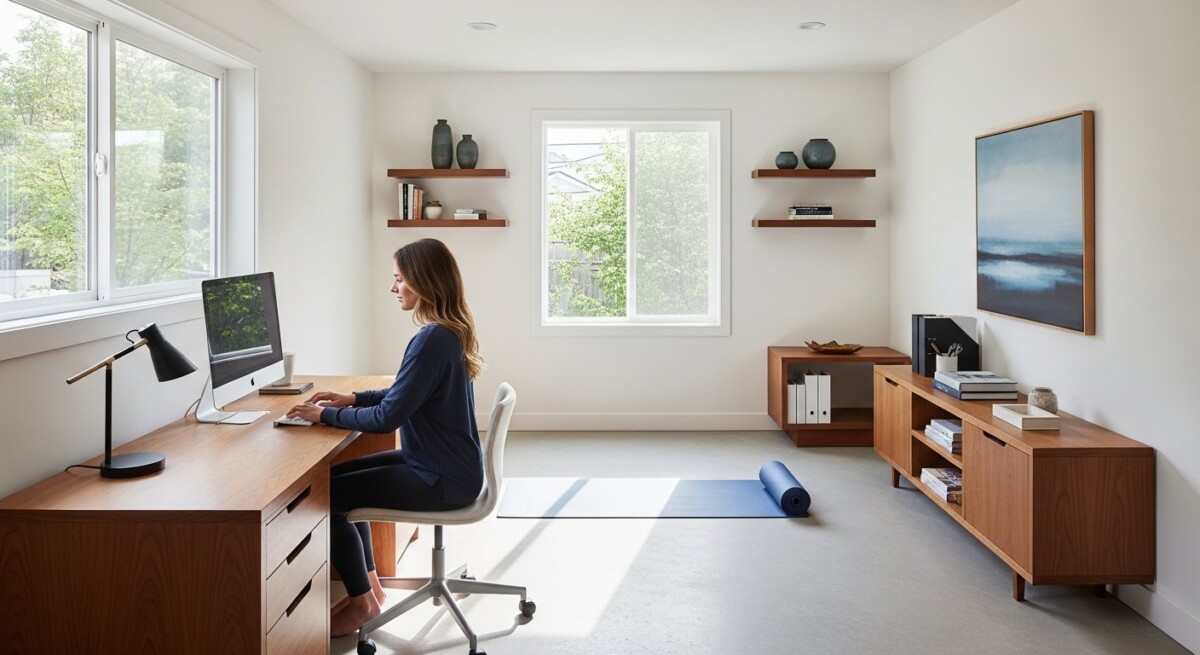
The possibilities are nearly endless. Homeowners frequently convert garages into home offices, especially with remote work on the rise. Others create guest bedrooms, playrooms for children, home gyms, art studios, or even in-law suites. With the right plumbing work, a garage can also become a bathroom or a kitchenette for a rental unit. The key is to match the conversion to your family’s needs and your local building codes.
Why This Matters for Your Home
Your home is likely your largest investment, and every square foot of unused space represents lost value. A finished garage conversion adds livable square footage, which directly increases your home’s resale value. According to real estate experts, a well-done garage conversion can offer a strong return on investment, sometimes recouping 70,80% of the project cost. More importantly, it solves real problems like overcrowding, lack of privacy, or the need for a dedicated workspace.
Safety is another critical factor. An uninsulated garage can become dangerously hot in summer and freezing cold in winter. If you store chemicals, gasoline, or old paint in the garage, those items pose a fire risk. Converting the space properly eliminates these hazards and brings the garage up to the same safety standards as the rest of your home. Delaying the project means continuing to live with those risks and missing out on a comfortable, usable room.
If you notice signs of this issue in your home, it may help to speak with a qualified contractor. Request a free quote or call (480) 648-7602 to explore your repair or remodeling options.
Common Problems Homeowners Experience
Many homeowners struggle with a garage that is too cold, too hot, or simply too cluttered to use. The space often becomes a catch-all for items that don’t have a home inside the house. Over time, this leads to disorganization and even damage to stored belongings. Moisture can seep in through unsealed garage doors, causing mold and mildew on boxes, furniture, and clothing.
Another common problem is a lack of functionality. A bare concrete floor is hard on your feet and difficult to clean. Poor lighting makes the space feel dark and uninviting. Without proper insulation, the garage is unusable for most of the year. Homeowners often realize they have hundreds of square feet going to waste while they are cramped inside the main living areas.
- Clutter buildup , Boxes, tools, and old furniture pile up because there is no other storage.
- Temperature extremes , Uninsulated garages can swing 30 degrees or more from the outside temperature.
- Pest infestations , Gaps in the garage door or walls let in rodents, insects, and spiders.
- Moisture damage , Condensation and leaks ruin stored items and promote mold growth.
- Poor lighting , A single bare bulb makes the space feel like a dungeon.
- Lost potential , The space could be a bedroom, office, or rental unit but sits empty.
How Professionals Solve the Problem
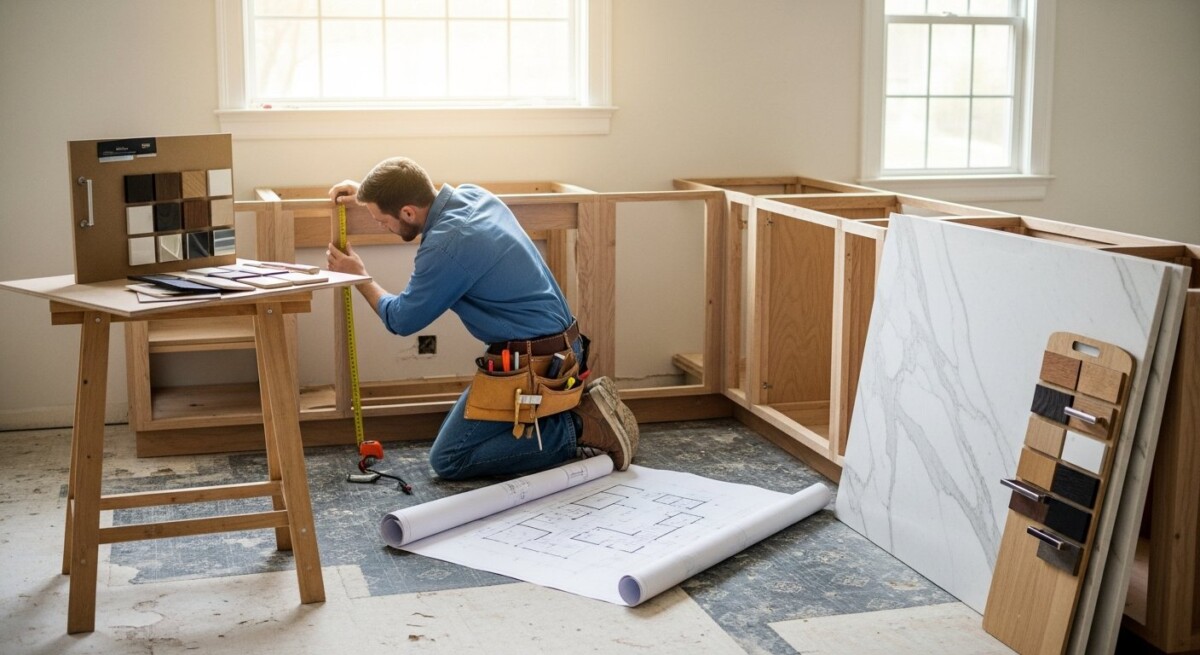
Experienced contractors approach a garage conversion with a systematic plan. They start by evaluating the existing structure, checking for any underlying issues like foundation cracks, roof leaks, or outdated wiring. Then they create a design that meets your needs and complies with local building codes. Professional work ensures that every step is done correctly, from insulating the walls to installing proper ventilation.
The typical process includes several key stages. First, the garage door is removed and replaced with a wall, windows, and a standard entry door. This step alone makes the space feel like a real room. Next, the floor is leveled and insulated, then covered with a finished flooring material like laminate, tile, or carpet. Electrical work is done to add outlets, switches, and ceiling lights. Finally, the walls are insulated, drywalled, painted, and trimmed out.
- Initial inspection , The contractor checks for structural, electrical, and plumbing issues.
- Design and permitting , Blueprints are created and permits are obtained from your local building department.
- Demolition and preparation , Old shelving, the garage door, and any damaged materials are removed.
- Framing and insulation , Walls are framed where needed, and insulation is installed in walls, ceiling, and floor.
- Electrical and HVAC , New wiring, outlets, switches, and heating/cooling ducts or mini-splits are added.
- Drywall and finishes , Drywall is hung, taped, mudded, and painted. Flooring and trim are installed.
- Final inspection , The work is inspected to ensure it meets all safety and code requirements.
A professional inspection can reveal hidden issues before they become expensive repairs. Compare contractor quotes here or call (480) 648-7602 to discuss your project.
Warning Signs You Should Not Ignore
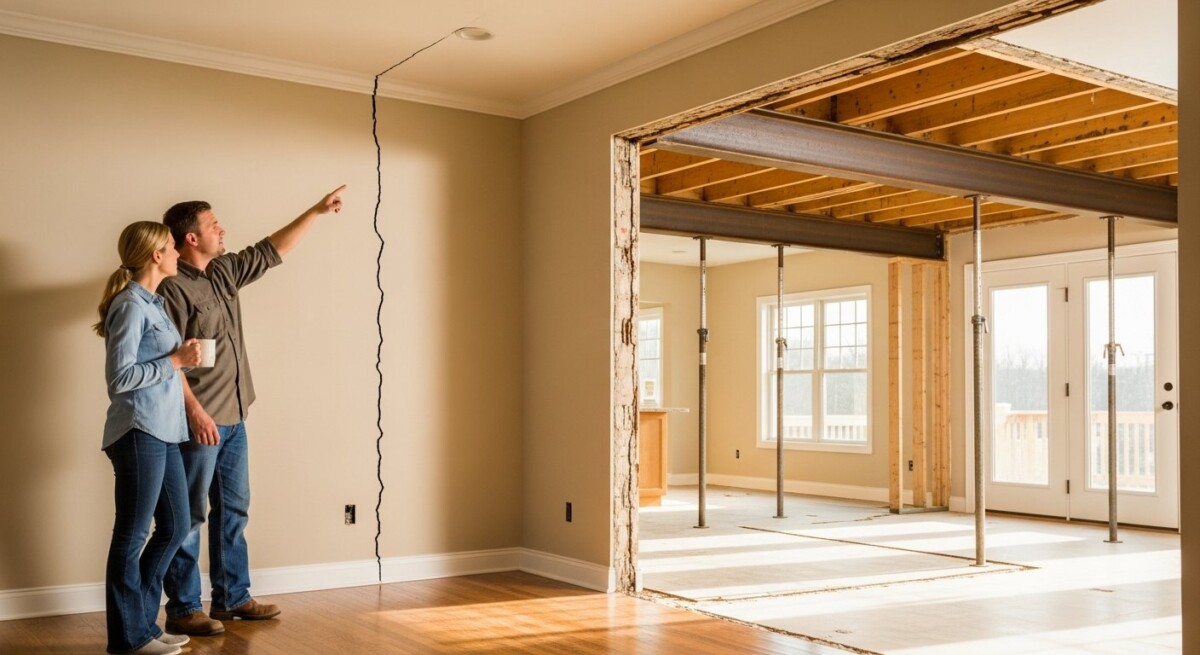
If your garage is showing any of these signs, it may be time to consider a conversion. Early detection can prevent small issues from turning into major headaches. For example, a small water stain on the drywall might indicate a roof leak that could eventually cause rot. Cracks in the concrete floor may be a sign of foundation settling. Ignoring these warnings can lead to costly repairs down the road.
Pay attention to how the garage feels and looks. If it is always dusty, damp, or drafty, those are signs that the space is not sealed properly. If you notice that items stored in the garage get musty or discolored, moisture is likely present. Addressing these issues now, as part of a conversion, will save you from having to fix them later in a more expensive way.
- Visible mold or mildew , Black spots on walls, floor, or stored items indicate moisture problems.
- Strong odors , Musty, chemical, or gasoline smells suggest poor ventilation or leaks.
- Drafts near the garage door , Cold air seeping in means the seal is failing.
- Cracked or uneven concrete floor , This can signal foundation issues that need attention.
- Rodent droppings or nests , Pests in the garage can spread to the rest of the house.
- High energy bills , An uninsulated garage can affect the temperature of adjacent rooms, increasing heating and cooling costs.
What Affects the Cost of Repairs or Installation
The cost of a garage conversion varies widely based on several factors. The size of the garage is the biggest driver,a two-car garage will cost more to convert than a one-car garage. The condition of the existing structure also matters. If the foundation is solid and the roof is in good shape, you will save money. If major repairs are needed, the price goes up. The complexity of the design also plays a role. Adding a bathroom or kitchenette requires plumbing work, which increases costs. Running new electrical circuits and HVAC ducts adds to the total as well.
Material choices are another factor. Basic laminate flooring and standard paint will keep costs lower. High-end tile, custom cabinetry, and premium fixtures will raise the budget. Labor rates vary by region, but most contractors charge a combination of materials and hourly labor. The best way to understand the cost for your specific situation is to get multiple quotes from licensed professionals. They can inspect your garage and provide an accurate estimate based on your needs.
Costs can vary depending on the condition of your home. The best way to know the price is to get a personalized estimate. Request free quotes from contractors or call (480) 648-7602 today.
How to Choose the Right Contractor
Finding the right contractor for your garage conversion is essential to a successful project. You want someone who is licensed, insured, and experienced with this type of work. A good contractor will walk you through the process, answer your questions, and provide a clear contract that outlines the scope of work, timeline, and payment schedule. Do not rush the selection process. Take your time to research and compare options.
Start by asking for recommendations from friends or neighbors who have had similar work done. Online review sites and the Better Business Bureau can also provide valuable feedback. Once you have a few candidates, ask for detailed estimates. A lowball bid might sound tempting, but it could indicate that the contractor plans to cut corners or use cheap materials. Trust your instincts and choose someone who communicates clearly and seems genuinely interested in your project.
- Verify licensing and insurance , Make sure the contractor is licensed in your state and carries liability and workers’ compensation insurance.
- Read customer reviews , Look for recent reviews on Google, Yelp, or the contractor’s website.
- Ask for detailed estimates , A good estimate breaks down materials, labor, permits, and any other fees.
- Compare multiple quotes , Get at least three quotes to understand the market rate and avoid overpaying.
- Confirm experience , Ask how many garage conversions the contractor has completed and ask for photos of past work.
Long-Term Benefits of Professional Work
Investing in a professional garage conversion pays off in many ways over the years. You gain a functional room that your family can use every day. That new home office can improve your work-life balance. A guest bedroom makes hosting visitors easier. A rental unit can generate monthly income. Beyond the immediate benefits, a properly converted garage adds to your home’s overall value, making it more attractive to future buyers.
Professional work also ensures that the space is energy efficient. Proper insulation and sealed windows reduce heating and cooling costs. Quality flooring and paint hold up better over time, reducing the need for maintenance. And because the work is done to code, you avoid safety hazards and potential fines if you ever decide to sell the home. In short, a professional conversion is an investment that pays for itself through comfort, convenience, and increased property value.
What is a garage conversion?
A garage conversion is a home remodeling project that turns an attached or detached garage into a livable room, such as a bedroom, office, gym, or rental unit. It involves insulating, adding electrical and HVAC systems, and finishing the walls, floor, and ceiling to create a comfortable space that meets building codes.
How much does a garage conversion cost?
Costs typically range from $10,000 to $30,000 for a basic conversion, but can go higher for larger garages or projects that include plumbing for a bathroom or kitchenette. The final price depends on the size of the garage, the materials chosen, and the condition of the existing structure. Getting multiple quotes from licensed contractors is the best way to determine the cost for your home.
Do I need a permit for a garage conversion?
Yes, most local building departments require a permit for a garage conversion because it involves structural, electrical, and HVAC work. A professional contractor will handle the permitting process for you, ensuring that the work meets all safety and code requirements. Skipping permits can lead to fines and problems when you sell your home.
Can I convert my garage into a bedroom?
Yes, a garage can be converted into a bedroom as long as it meets local building codes for egress windows, ceiling height, and ventilation. An egress window is required for safety in case of fire. A professional contractor can help you design a bedroom that meets all code requirements and feels comfortable.
Will a garage conversion increase my home value?
Yes, a well-done garage conversion typically increases your home’s resale value by adding livable square footage. The return on investment varies but is often between 70% and 80% of the project cost. Converting a garage can also make your home more attractive to buyers who need extra space for a home office or guest room.
How long does a garage conversion take?
Most garage conversions take between 4 and 8 weeks, depending on the size of the garage, the complexity of the work, and weather conditions. Simple conversions without plumbing can be completed in 4 to 6 weeks. Projects that include a bathroom or kitchenette may take 8 weeks or longer.
Can I convert my garage if I have an HOA?
It depends on your homeowners association (HOA) rules. Some HOAs restrict garage conversions because they affect parking or the appearance of the neighborhood. Check your HOA’s covenants, conditions, and restrictions (CC&Rs) before starting the project. A professional contractor can often help you navigate HOA requirements.
What is the difference between a garage conversion and a garage renovation?
A garage conversion focuses on changing the garage into a livable room, while a renovation typically involves repairing or upgrading the garage as a functional storage or parking space. A conversion requires more extensive work, such as insulation, drywall, and HVAC, to make the space suitable for daily living.
Your garage holds more potential than you might think. Whether you need a home office, a guest room, or a rental unit, a professional garage conversion can turn that cluttered space into something truly valuable. Addressing the project early saves you from ongoing clutter, safety hazards, and missed opportunities. The best way to get started is to compare quotes from licensed contractors who specialize in this type of work. They can help you understand the costs, timelines, and possibilities for your specific home. Take the first step today and explore what your garage could become.

About Alex Carter
"*" indicates required fields