Modern Living Space Renovation: A Practical Homeowner Guide
"*" indicates required fields
You walk into your living room and something feels off. The paint is peeling in the corners, the layout feels cramped, and that old carpet has seen better days. Maybe the kitchen cabinets are warping, or the bathroom tile is cracking. These signs of aging are common in many homes, and they often start small. But if you ignore them, what begins as a cosmetic annoyance can turn into a costly structural problem. That is why a modern living space renovation is not just about making your home look good,it is about protecting your investment and improving your daily comfort.
Understanding Modern Living Space Renovation
A modern living space renovation is the process of updating your home to meet current standards of comfort, efficiency, and style. It goes beyond simple repairs. It involves rethinking how you use each room, choosing durable materials, and addressing hidden issues like outdated wiring or poor insulation.
Homes built more than 20 years ago are most likely to need this kind of renovation. Older homes often have layouts that don’t match how families live today. They may have small closets, inefficient heating, or awkward floor plans. Even newer homes can feel outdated if the finishes were low quality or if the previous owners made DIY changes that didn’t hold up.
In our guide on top remodeling trends for modern living, we explain how open floor plans, energy-efficient fixtures, and smart home technology are changing the way homeowners approach their spaces. A renovation is your chance to bring your home into the present.
Why This Matters for Your Home
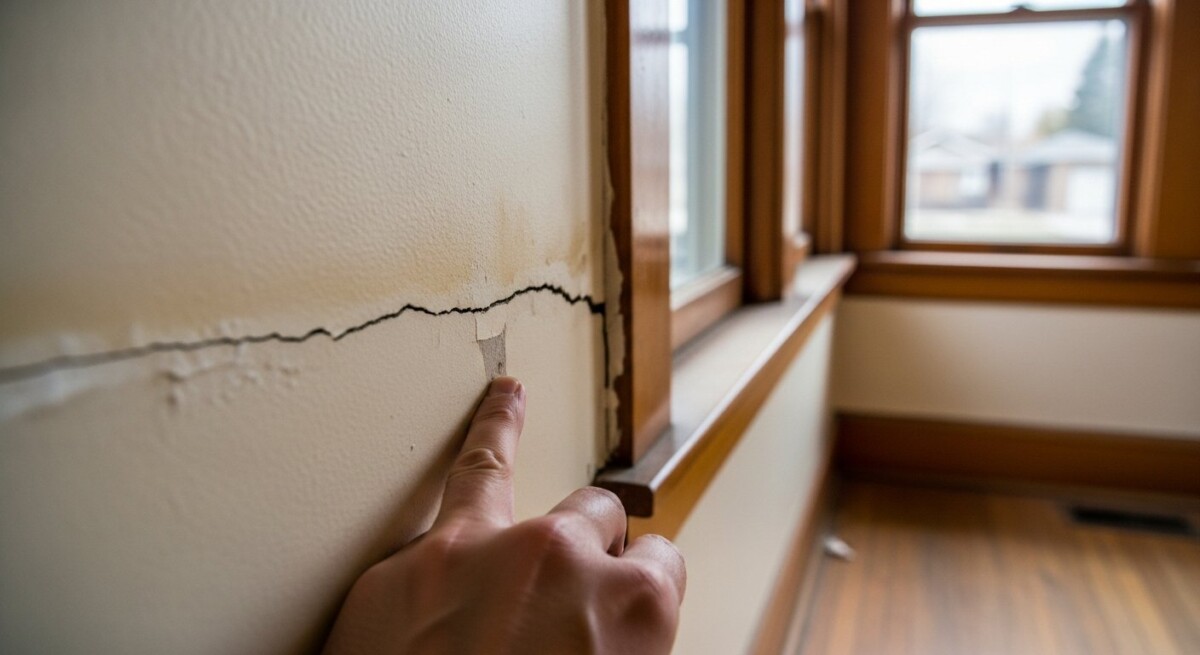
Ignoring the need for a renovation can lead to serious consequences. Small cracks in walls may indicate foundation settling. Old plumbing can burst without warning, causing water damage that costs thousands to repair. Outdated electrical systems are a fire risk. These problems do not fix themselves,they get worse.
Your comfort also suffers. Drafty windows, uneven floors, and poor lighting make daily life less enjoyable. A home that feels tired and worn down affects your mood and even your productivity. Renovating gives you control over your environment.
Finally, there is the financial angle. A well-planned renovation increases your home’s resale value. If you ever decide to sell, modern finishes and updated systems will attract more buyers and command a higher price. Delaying repairs only reduces your return on investment.
If you notice signs of this issue in your home, it may help to speak with a qualified contractor. Request a free quote or call (480) 725-5444 to explore your repair or remodeling options.
Common Problems Homeowners Experience
Every home ages differently, but certain problems show up again and again. You might notice that your living room feels dark and cramped because of a poorly placed wall. Your kitchen countertops may be stained and chipped. The bathroom might have mold growing in the grout because the ventilation is inadequate.
These problems are not just ugly. They can affect your health and safety. Mold can trigger allergies. Poor lighting can lead to accidents. An outdated layout wastes space you are already paying for. Recognizing these issues early is the first step toward solving them.
- Outdated flooring that is worn, stained, or uneven
- Inefficient windows that let in drafts and raise energy bills
- Poorly designed layouts that waste square footage
- Old kitchen or bathroom fixtures that leak or function poorly
- Insufficient storage that creates clutter
- Faded or peeling paint that makes the home feel neglected
How Professionals Solve the Problem
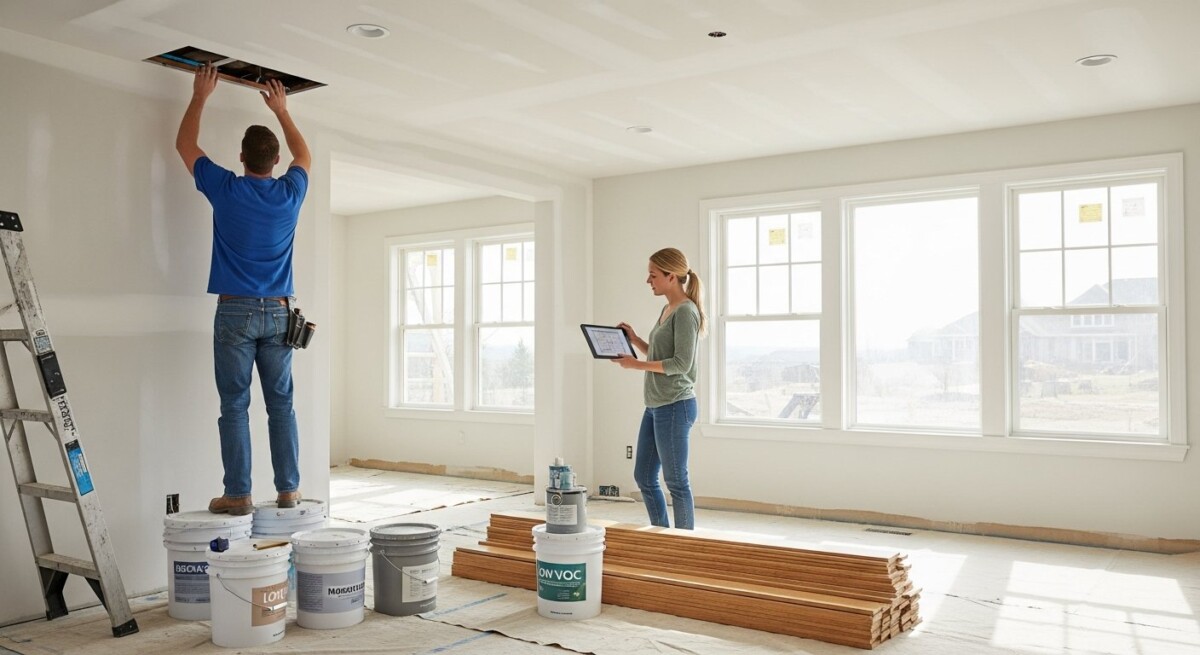
Experienced contractors bring knowledge and efficiency that DIY efforts rarely match. They start with a thorough inspection to identify both visible and hidden problems. Then they create a plan that addresses everything from structural issues to finishing details.
- Inspection and assessment , A contractor checks for water damage, electrical safety, structural integrity, and code compliance.
- Design and material selection , They help you choose layouts, colors, and materials that fit your budget and lifestyle.
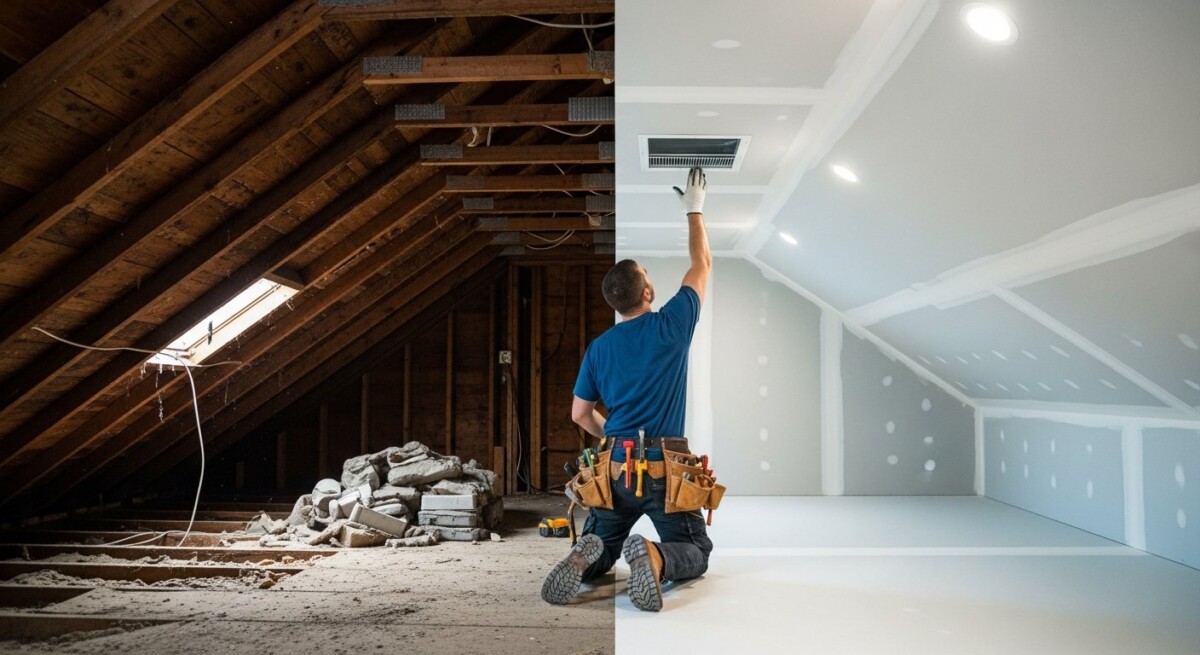
- Demolition and preparation , Old fixtures, flooring, and walls are removed safely, with proper disposal.
- Structural and system updates , Wiring, plumbing, insulation, and load-bearing walls are upgraded as needed.
- Installation and finishing , New flooring, cabinets, countertops, lighting, and paint are installed professionally.
- Final inspection and cleanup , Every detail is checked for quality, and the worksite is left clean.
Professional work is safer and more reliable. Contractors carry insurance, pull permits, and guarantee their work. A DIY mistake can cost more to fix than hiring a pro in the first place. For more insight, read our comparison of renovation versus remodeling to understand which approach fits your project.
A professional inspection can reveal hidden issues before they become expensive repairs. Compare contractor quotes here or call (480) 725-5444 to discuss your project.
Warning Signs You Should Not Ignore
Your home gives you clues when something needs attention. You just have to know what to look for. A musty smell in the basement or a water stain on the ceiling are obvious signs. But other indicators are subtler. Doors that stick may mean the foundation is shifting. A constantly running toilet could indicate a plumbing problem that is wasting water and money.
Pay attention to how your home feels. If the temperature varies wildly from room to room, your insulation or HVAC system may be failing. If light switches feel warm to the touch, there could be an electrical issue. These warning signs should prompt action, not just a mental note.
- Cracks in walls, ceilings, or foundation that widen over time
- Water stains, bubbling paint, or peeling wallpaper
- Drafty rooms or high energy bills despite normal usage
- Mold or mildew in bathrooms, basements, or around windows
- Doors or windows that no longer close properly
- Frequent circuit breaker trips or flickering lights
What Affects the Cost of Repairs or Installation
Renovation costs vary widely based on your specific situation. The size of the project is the biggest factor. A full kitchen remodel costs more than updating a bathroom. The materials you choose also play a major role. Solid hardwood floors cost more than laminate, but they last longer and add more value.
Labor costs depend on the complexity of the work. Moving load-bearing walls or rewiring an entire house requires specialized skills and takes more time. Accessibility matters too. A bathroom on the second floor may be harder to work on than a ground-floor kitchen. Older homes often have hidden surprises like asbestos or knob-and-tube wiring that require special handling.
Costs can vary depending on the condition of your home. The best way to know the price is to get a personalized estimate. Request free quotes from contractors or call (480) 725-5444 today.
How to Choose the Right Contractor
Finding the right contractor can feel overwhelming, but a few simple steps can guide you. Start by asking for recommendations from friends, neighbors, or local hardware stores. Then do your own research. A good contractor will have a professional website, clear contact information, and a portfolio of completed projects.
Once you have a few candidates, interview them. Ask about their experience with projects like yours. Request references and actually call them. A reputable contractor will be happy to provide proof of licensing and insurance. Never hire someone who pressures you to make a quick decision or asks for full payment upfront.
- Verify they have a valid license and liability insurance
- Read online reviews on Google, Yelp, or the Better Business Bureau
- Get at least three detailed written estimates for comparison
- Ask for a timeline and a clear payment schedule
- Confirm they have experience with the specific type of renovation you need
Long-Term Benefits of Professional Work
Investing in a professional renovation pays off in many ways. Your home becomes safer, more comfortable, and more efficient. Modern insulation and windows lower your heating and cooling bills. Updated electrical systems reduce the risk of fires. New plumbing prevents water damage and mold growth.
Durability is another key benefit. Professional-grade materials and installation last for decades. You will not have to repaint, recaulk, or replace fixtures every few years. That saves you time, money, and frustration. And when it comes time to sell, a renovated home appraises higher and sells faster.
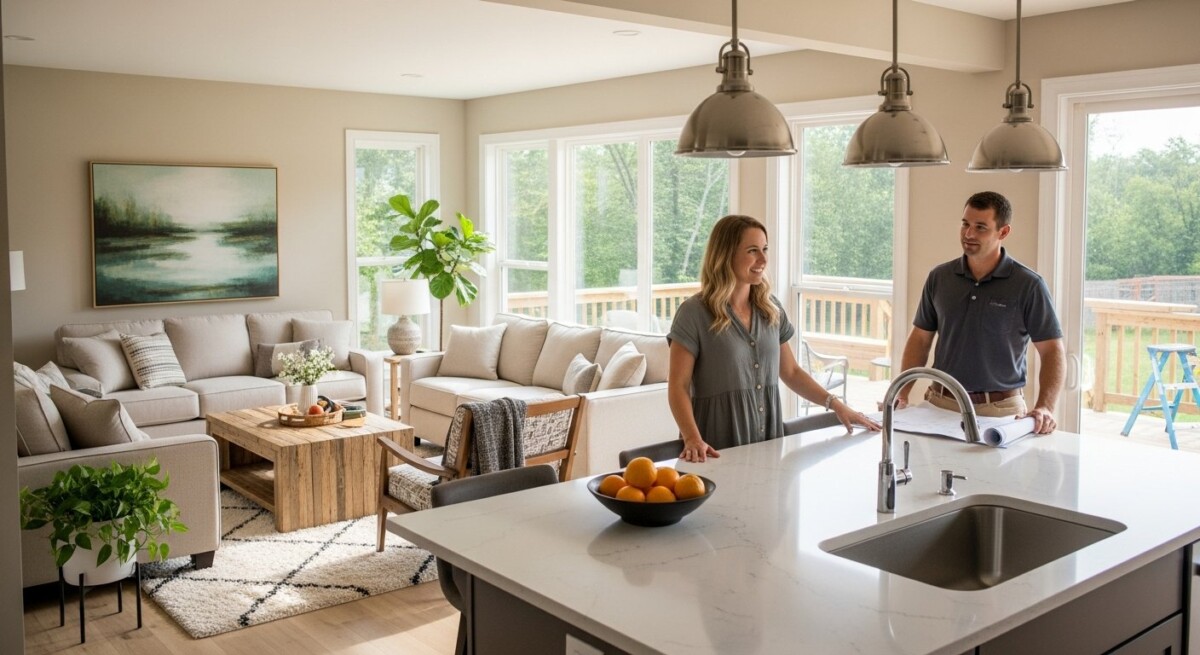
Finally, there is the everyday joy of living in a space that works for you. A modern living space renovation can turn a dark, cramped house into a bright, open home that you are proud to show off. That peace of mind is priceless.
How long does a modern living space renovation take?
The timeline depends on the scope of work. A single room refresh may take two to four weeks. A whole-home renovation can take three to six months. Your contractor should provide a realistic schedule after the initial assessment.
Do I need a permit for a living space renovation?
Most structural, electrical, and plumbing work requires permits. Your contractor should handle the permit process as part of their service. Skipping permits can lead to fines and problems when you sell your home.
Can I live in my home during a renovation?
It depends on the extent of the work. Minor updates like painting or flooring can be done while you stay home. Major renovations involving kitchen or bathroom removal may require temporary relocation for safety and convenience.
What is the most cost-effective way to update a living space?
Painting walls, updating light fixtures, and replacing hardware are low-cost changes with high impact. For bigger improvements, focus on energy-efficient upgrades like new windows or insulation, which pay for themselves over time through lower utility bills.
How do I know if my renovation needs a structural engineer?
If you plan to remove or modify load-bearing walls, add a second story, or change the roofline, you will likely need an engineer. Your contractor can assess the situation and recommend the right professional.
Should I renovate before selling my home?
In most cases, yes. Minor renovations like fresh paint, new flooring, and updated fixtures can increase your sale price and help the home sell faster. Major renovations may not offer a full return on investment, so focus on high-impact, low-cost updates.
What is the difference between renovation and remodeling?
Renovation means restoring or updating something to a good condition. Remodeling involves changing the structure or layout. For example, replacing countertops is a renovation; knocking down a wall to open the kitchen is a remodeling.
How can I finance a living space renovation?
Options include cash savings, home equity loans, personal loans, or contractor financing plans. Some homeowners use credit cards for smaller projects. Compare interest rates and terms before choosing a method.
A modern living space renovation is one of the best investments you can make in your home. It improves safety, comfort, and value while preventing costly future repairs. Do not wait until a small problem becomes a big emergency. Start by exploring your options and comparing contractor quotes. That simple step puts you in control of your project and your budget.

About Alex Carter
"*" indicates required fields