How to Avoid Remodeling Mistakes and Protect Your Home
"*" indicates required fields
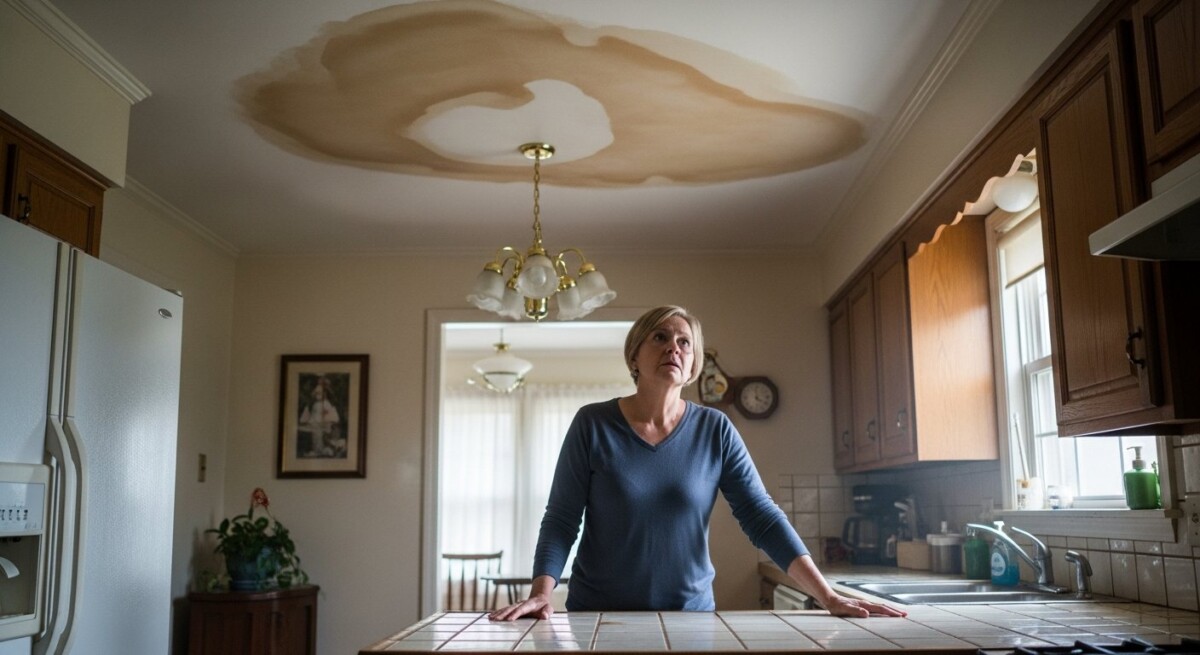
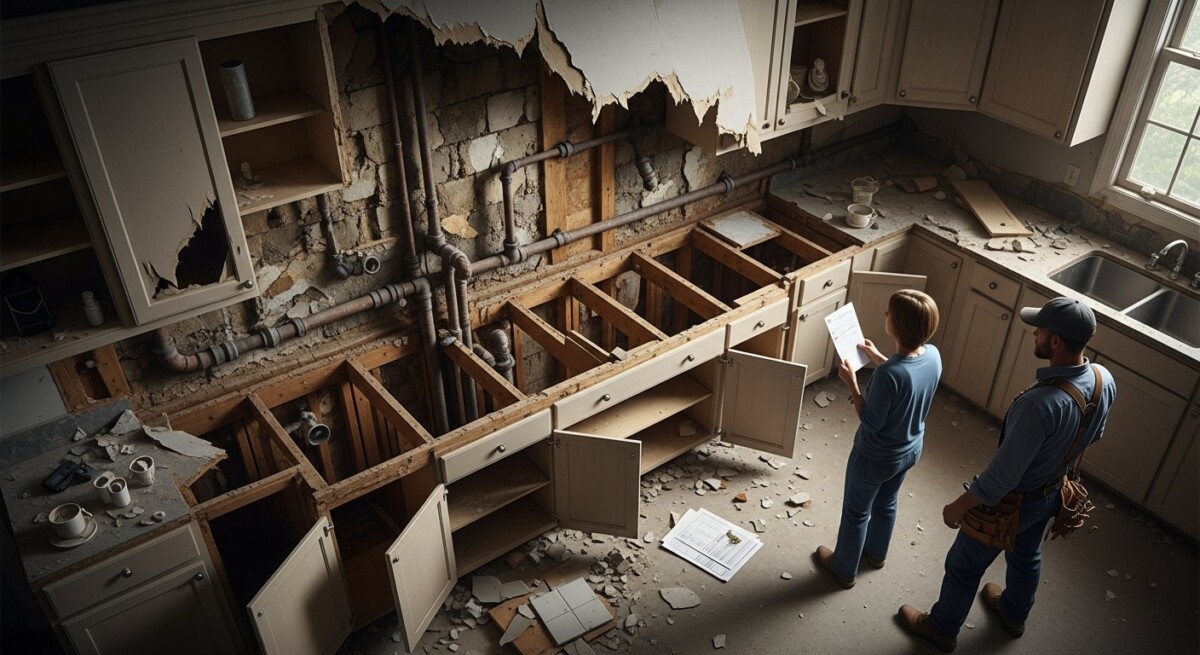
You finally decided to remodel your kitchen. You picked out the cabinets, chose the paint color, and imagined family dinners in a beautiful new space. But halfway through the project, you discovered the plumbing was outdated, the walls had hidden water damage, and the contractor you hired didn’t pull the required permits. Suddenly, your dream renovation turned into a stressful, expensive mess. This is exactly the kind of situation that happens when homeowners don’t know how to avoid remodeling mistakes. The problem often starts small,a tile that doesn’t match or a budget that seems tight,but it can spiral into structural issues, permit violations, and thousands of dollars in unexpected costs.
Many homeowners discover these issues only after the work has begun. A wall comes down and reveals mold. A new window doesn’t fit because the framing is rotted. The electrician shows up and says the wiring is unsafe. These surprises are not just inconvenient; they can stop your project cold and drain your savings. Ignoring the possibility of these problems is one of the most common remodeling mistakes, and it can turn a simple upgrade into a major headache.
Understanding How to Avoid Remodeling Mistakes
Remodeling mistakes are errors in planning, budgeting, hiring, or execution that lead to poor results, wasted money, or safety hazards. They happen for many reasons: homeowners rush into projects without a clear plan, they hire unlicensed contractors to save money, or they underestimate the scope of work needed. Even small missteps, like ordering materials before measurements are final, can cause big problems.
Some homes are more vulnerable to these mistakes than others. Older homes often have hidden issues like outdated wiring, old plumbing, or structural changes that weren’t properly documented. First-time renovators are also at higher risk because they may not know what questions to ask or what permits are required. The good news is that with the right information and professional guidance, you can avoid these pitfalls entirely.
What Makes a Remodeling Mistake So Costly?
The cost of a mistake isn’t just the repair. It’s the delay, the frustration, and the lost value of your home. A poorly done bathroom remodel can lower your property value instead of raising it. A kitchen with bad layout choices can make everyday cooking harder. When you understand how to avoid remodeling mistakes, you save time, money, and stress. You also protect one of your biggest investments: your home.
Why This Matters for Your Home
Remodeling mistakes don’t just hurt your budget,they can damage your home. A contractor who skips waterproofing in a shower might cause water to leak into the walls, leading to mold and rot. An unlicensed electrician might create fire hazards that put your family at risk. These are not rare horror stories; they are common outcomes when homeowners don’t take the right steps.
Safety risks are the most serious concern. Faulty electrical work, improper structural changes, and gas line mistakes can all lead to dangerous situations. Comfort problems are also common: a room that’s too cold in winter, a window that doesn’t seal, or a floor that creaks with every step. These issues make your home less enjoyable every single day.
Perhaps the biggest hidden cost is the increase in repair expenses over time. A small problem that could have been fixed for a few hundred dollars can turn into a thousand-dollar repair if ignored. By learning how to avoid remodeling mistakes upfront, you prevent these escalating costs and protect your home’s value for years to come.
If you notice signs of this issue in your home, it may help to speak with a qualified contractor. Request a free quote or call (602) 730-0613 to explore your repair or remodeling options.
Common Problems Homeowners Experience
Most remodeling mistakes fall into a few predictable categories. Budget overruns are the most common,homeowners often underestimate costs by 20 to 50 percent. Design errors are another frequent issue, like choosing a vanity that’s too large for the bathroom or placing an island where it blocks traffic flow. Then there are contractor problems: hiring someone who isn’t licensed, insured, or experienced in your type of project.
These problems show up in real homes every day. A homeowner might order custom cabinets that don’t fit because the measurements were off. Another might discover the new flooring was installed over an uneven subfloor, causing it to crack within months. These issues are frustrating, but they are also preventable.
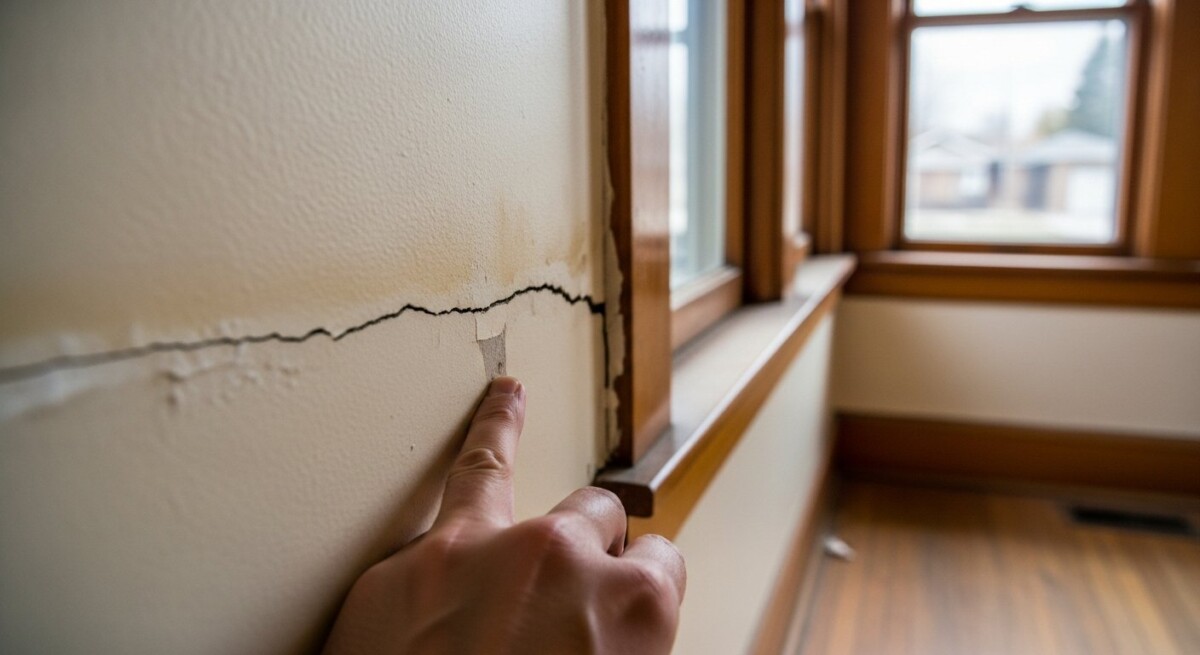
- Visible damage: Cracks in drywall, gaps around windows, or uneven floors after a renovation.
- Performance problems: Doors that stick, windows that are hard to open, or a shower that doesn’t drain properly.
- Structural concerns: Sagging beams, shifting foundations, or walls that weren’t properly supported.
- Aging materials: Old pipes, outdated wiring, or insulation that doesn’t meet current codes.
- Permit violations: Work that doesn’t pass inspection, leading to fines or trouble when selling the home.
- Poor craftsmanship: Uneven tile, sloppy paint lines, or fixtures installed incorrectly.
How Professionals Solve the Problem
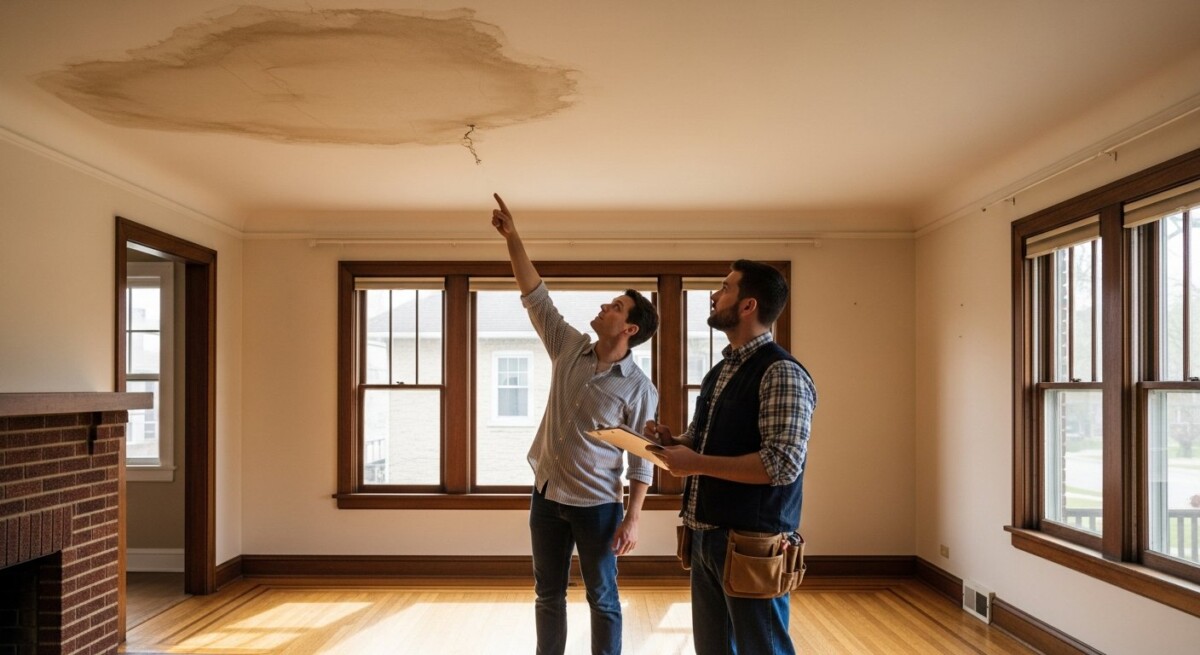
Experienced contractors know how to avoid remodeling mistakes because they’ve seen them all before. They start with a thorough assessment of your home, checking for hidden issues like water damage, outdated wiring, or structural weaknesses. They also handle permits and inspections, ensuring your project meets local building codes. This upfront work prevents surprises that could derail your project later.
Professional work is safer and more reliable than DIY fixes for most major projects. A licensed electrician knows how to wire a kitchen safely. A general contractor has relationships with trusted plumbers, carpenters, and tile setters. They coordinate the work so that each trade arrives at the right time, and they fix problems before they become crises.
- Inspection and planning: The contractor inspects your home, identifies potential issues, and creates a detailed plan.
- Permitting: They pull the necessary permits and schedule inspections with the local building department.
- Demolition and prep: Old materials are removed carefully to avoid damaging the structure.
- Rough work: Plumbing, electrical, and HVAC systems are updated or installed.
- Finishing: Walls, floors, cabinets, and fixtures are installed with precision.
- Final inspection and cleanup: The work is inspected, and the site is cleaned up thoroughly.
A professional inspection can reveal hidden issues before they become expensive repairs. Compare contractor quotes here or call (602) 730-0613 to discuss your project.
Warning Signs You Should Not Ignore
Some remodeling mistakes leave early signs. If you catch them before the work starts, you can save yourself a lot of trouble. Pay attention to any red flags during the planning phase, such as a contractor who gives a vague estimate or refuses to put things in writing. Also watch for signs that your home has hidden problems, like water stains on ceilings or walls that feel damp to the touch.
Early action is your best defense. A small leak behind a wall can be fixed for a few hundred dollars if caught early. If ignored, it can lead to mold remediation costing thousands. Similarly, a contractor who seems unprofessional during the bid process is likely to cause problems on the job. Trust your instincts and do your research.
- Water stains or musty odors: These can indicate leaks or mold that need to be addressed before remodeling.
- Cracks in walls or foundations: Structural issues must be evaluated by a professional before any major work.
- Outdated electrical panels: Old wiring can’t handle modern appliances and may be a fire hazard.
- Sagging floors or ceilings: These are signs of structural damage that need immediate attention.
- Contractor reluctance to provide references or licenses: A red flag that they may not be qualified.
- Unusually low bids: Often a sign that corners will be cut or unexpected charges added later.
What Affects the Cost of Repairs or Installation
The cost of a remodeling project depends on several factors. The size of the project is the most obvious: a full kitchen remodel costs more than a small bathroom update. The materials you choose also matter,custom cabinets and high-end countertops are more expensive than stock options. Labor costs vary by region and by the complexity of the work.
Accessibility is another factor. If your home is older or has a difficult layout, contractors may need to spend more time on prep work. For example, running new plumbing through a concrete slab is more expensive than through a crawl space. The age of your home also plays a role: older homes often require updates to bring them up to current building codes, which adds to the cost.
Costs can vary depending on the condition of your home. The best way to know the price is to get a personalized estimate. Request free quotes from contractors or call (602) 730-0613 today.
How to Choose the Right Contractor
Choosing the right contractor is one of the most important steps in learning how to avoid remodeling mistakes. A good contractor will be honest about timelines, costs, and potential challenges. They will also communicate clearly and keep you informed throughout the project. Start by asking friends and neighbors for recommendations, then research online reviews.
Always verify that a contractor is licensed and insured. Licensing requirements vary by state, but a valid license shows that the contractor has met basic standards. Insurance protects you if a worker is injured on your property or if the work causes damage. Never hire a contractor who cannot provide proof of both.
- Check licenses and insurance: Ask for proof and verify with your local licensing board.
- Read customer reviews: Look for patterns in feedback, not just one or two reviews.
- Ask for detailed estimates: A good estimate includes materials, labor, permits, and a timeline.
- Compare multiple quotes: Get at least three bids to understand the market rate for your project.
- Confirm experience with similar projects: A contractor who specializes in kitchens will do better work than a general handyman.
Long-Term Benefits of Professional Work
When you hire a professional and learn how to avoid remodeling mistakes, you gain more than just a finished room. You get peace of mind knowing the work was done safely and correctly. Professional work also lasts longer. A properly installed roof, floor, or bathroom will serve you for decades without problems, while a DIY or poorly done job may need repairs within a few years.
Energy efficiency is another major benefit. Professionals know how to seal windows, insulate walls, and install energy-efficient appliances and lighting. This can lower your utility bills and make your home more comfortable year-round. Over time, these savings can offset the cost of the renovation.
Perhaps the biggest long-term benefit is increased home value. A well-planned, professionally executed remodel can increase your home’s resale value by a significant amount. Buyers are willing to pay more for a home that has been updated correctly, with permits and professional craftsmanship. By avoiding mistakes, you protect your investment and create a home that you can enjoy for years.
What is the most common remodeling mistake?
The most common remodeling mistake is failing to plan properly. Many homeowners start a project without a clear budget, timeline, or design plan. This leads to cost overruns, delays, and decisions made under pressure. Taking time to plan with a professional contractor can prevent most of these issues.
How can I avoid budget overruns during a remodel?
To avoid budget overruns, start by getting multiple detailed quotes from licensed contractors. Include a 10 to 20 percent contingency fund for unexpected issues. Avoid making changes once the work has started, as change orders are a common source of extra costs. Always get everything in writing.
Should I get permits for my remodel?
Yes, you should always get the required permits for any major remodeling project. Permits ensure that the work meets local building codes and safety standards. Skipping permits can lead to fines, problems when selling your home, and unsafe conditions. A professional contractor will handle the permitting process for you.
How do I know if a contractor is reliable?
A reliable contractor will have a valid license, insurance, and a portfolio of past projects. They will provide a written estimate and contract, answer your questions clearly, and offer references from previous clients. Avoid contractors who demand full payment upfront or pressure you to make quick decisions.
What is the best way to compare contractor quotes?
Compare quotes by looking at the scope of work, materials, timeline, and total cost. The cheapest bid is not always the best choice. Look for contractors who include detailed breakdowns and explain their pricing. Use a platform like 180 Remodel to compare multiple quotes from pre-screened professionals in your area.
Can I remodel my own home to save money?
You can save money by doing some work yourself, like painting or demolition, but leave complex tasks like plumbing, electrical, and structural work to professionals. Mistakes in these areas can be dangerous and expensive to fix. A hybrid approach,hiring pros for the hard parts,often works well.
How long does a typical remodel take?
Timelines vary by project. A small bathroom remodel might take two to three weeks, while a full kitchen renovation can take six to twelve weeks. Delays can happen due to material shortages, weather, or unexpected issues found during demolition. A good contractor will give you a realistic timeline and update you regularly.
What should I look for in a remodeling contract?
A good contract includes a detailed description of the work, a list of materials, a payment schedule, a start and completion date, and a warranty. It should also specify who is responsible for permits and clean-up. Never sign a contract that is vague or missing important details.
Remodeling your home is an exciting opportunity to create a space you love. But it also comes with risks. By understanding how to avoid remodeling mistakes, you can protect your budget, your safety, and your home’s value. The key is to plan carefully, hire qualified professionals, and compare multiple quotes before making a decision. Start your project on the right foot by speaking with a trusted contractor today.

About Alex Carter
"*" indicates required fields