How to Plan Home Renovation: A Step-by-Step Homeowner Guide
"*" indicates required fields
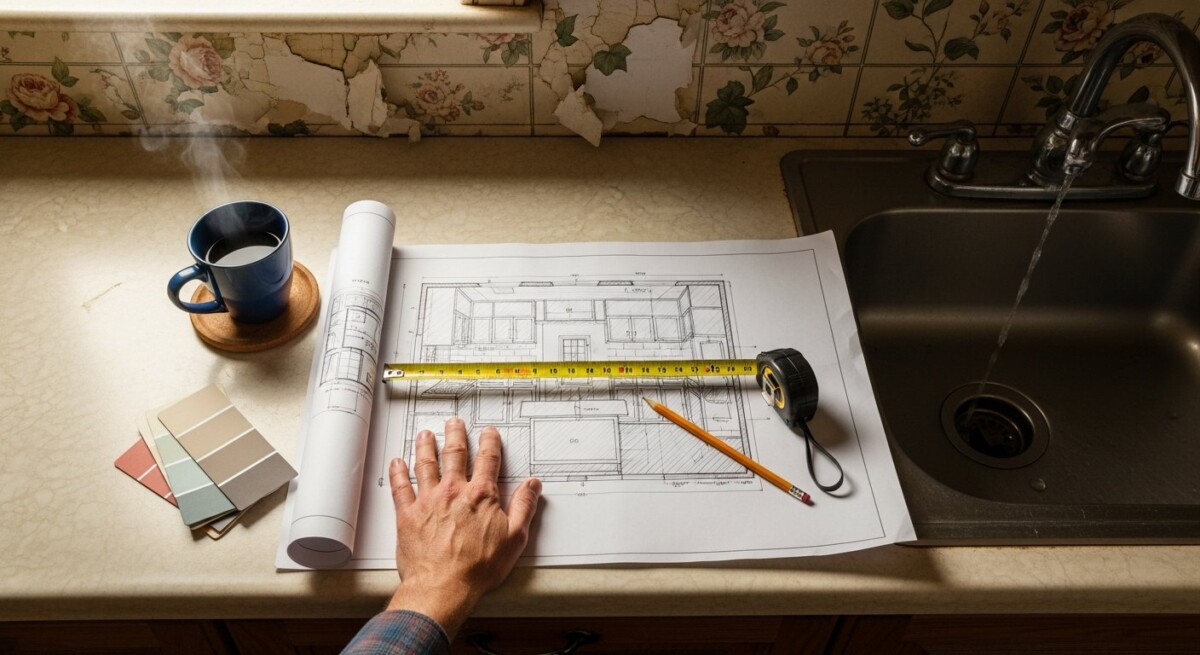
You walk into your kitchen, and the cabinet door hangs loose. The wallpaper is peeling in the corner. The bathroom faucet drips a steady rhythm. These small issues seem harmless at first. But over time, they grow into bigger problems that affect your comfort, safety, and home value. Many homeowners ignore these signs because they don’t know where to start. That is why understanding how to plan home renovation is essential,it saves you stress, money, and disappointment down the road. Without a solid plan, even a simple remodel can spiral into unexpected costs and delays.
Understanding How to Plan Home Renovation
Home renovation planning means mapping out every step of your project before any work begins. It involves setting a budget, deciding what you want to change, choosing materials, and finding the right contractor. A good plan also includes a realistic timeline and a contingency fund for surprises.
Many homeowners jump into renovations without a clear strategy. They buy materials on impulse or hire the first contractor they meet. This often leads to budget overruns, unfinished work, or poor-quality results. Older homes, especially those built before 1990, are more likely to need updates that require careful planning. But any home,whether new or old,benefits from a structured approach.
Why a Written Plan Matters
A written renovation plan acts as your roadmap. It keeps you focused, helps you communicate with contractors, and prevents costly mistakes. When you write down your goals, you avoid scope creep,the tendency to add more work as the project goes on. A plan also helps you compare contractor quotes fairly because everyone bids on the same scope of work.
Why This Matters for Your Home
Ignoring renovation planning can lead to serious consequences. Without a plan, you might run out of money halfway through the project. Or you could discover a structural issue after the walls are closed up. These problems are expensive to fix and stressful to manage. A well-planned renovation protects your home’s structure and keeps your family safe.
Safety is one of the biggest concerns. Faulty wiring, outdated plumbing, or weak foundations can cause fires, floods, or collapses. Professional planning helps you identify these risks early. It also ensures that your renovation meets local building codes, which is critical if you ever sell your home.
Comfort and energy efficiency also improve with proper planning. Replacing old windows, adding insulation, or upgrading your HVAC system can lower your utility bills. These upgrades pay for themselves over time, but only if they are planned and installed correctly.
If you notice signs of this issue in your home, it may help to speak with a qualified contractor. Request a free quote or call to explore your repair or remodeling options.
Common Problems Homeowners Experience
Most homeowners encounter similar challenges when planning a renovation. The most common mistake is underestimating the total cost. Many people only budget for materials and labor, forgetting permits, waste removal, and temporary housing. Another frequent issue is unrealistic timelines. A kitchen remodel might take six to eight weeks, not the two weeks you see on TV shows.
Communication breakdowns also cause problems. Homeowners may assume the contractor understands their vision, but without detailed plans, misunderstandings happen. This leads to rework, delays, and frustration. Finally, many homeowners try to do too much at once, tackling multiple rooms without enough resources or time.
- Underestimating the total budget, including permits and hidden costs
- Choosing materials that are out of stock or backordered for months
- Hiring unlicensed or uninsured contractors to save money
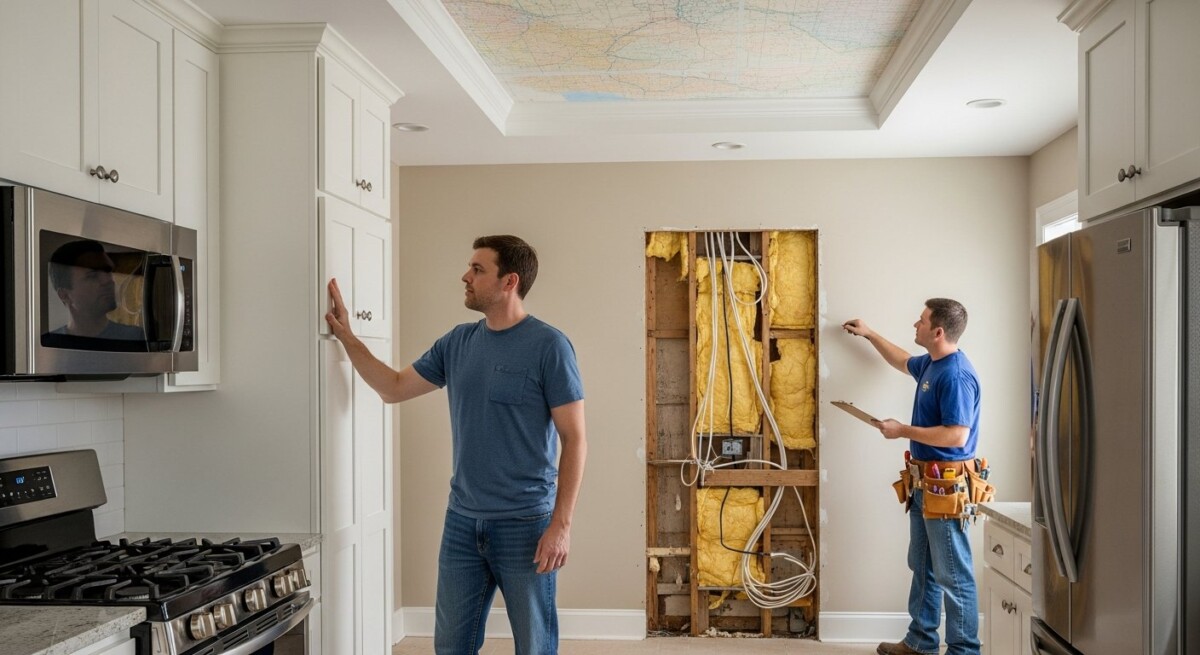
- Starting demolition before confirming structural or electrical plans
- Ignoring the need for temporary living arrangements during the build
- Failing to get multiple quotes and compare them side by side
How Professionals Solve the Problem
Professional contractors bring experience, tools, and project management skills that most homeowners lack. They know how to sequence work so that one trade doesn’t interfere with another. For example, electricians must finish rough-in work before drywall goes up. A good contractor coordinates these steps seamlessly.
Professionals also handle permits and inspections. This ensures your renovation meets local codes and passes final inspection when you sell the home. They also have relationships with suppliers, which can help you get better prices on materials and avoid long wait times.
- Initial consultation: The contractor visits your home, listens to your goals, and takes measurements.
- Scope of work: They create a detailed list of tasks, materials, and timelines.
- Permits and approvals: The contractor pulls necessary permits from your city or county.
- Demolition and prep: The team safely removes old materials and prepares the space.
- Rough-in work: Electricians, plumbers, and HVAC technicians complete hidden work.
- Finishing: Drywall, flooring, cabinets, paint, and fixtures are installed.
- Final inspection: The contractor walks through with you to ensure everything meets your expectations.
A professional inspection can reveal hidden issues before they become expensive repairs. Compare contractor quotes here or call to discuss your project.
Warning Signs You Should Not Ignore
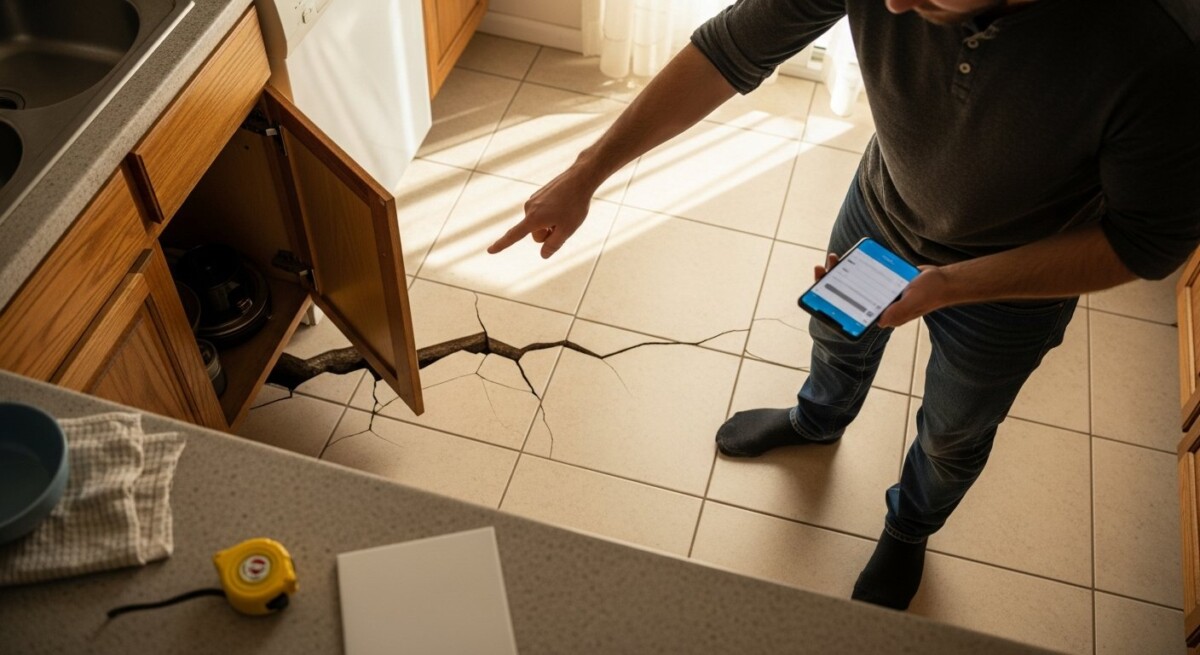
Your home often gives you clues that it needs attention. Cracks in the walls, doors that stick, or floors that slope may indicate foundation problems. Water stains on ceilings or walls suggest a leaky roof or plumbing issue. Musty odors can mean mold growing behind walls.
These warning signs are easy to dismiss, but they rarely go away on their own. In fact, they usually get worse. A small roof leak can turn into extensive water damage and mold remediation costing thousands. Catching problems early gives you more options and lower repair costs.
- Water stains or discoloration on ceilings, walls, or floors
- Persistent musty smells or visible mold growth
- Cracks in drywall, brick, or foundation that widen over time
- Doors or windows that stick, warp, or don’t close properly
- Unexplained increases in water, gas, or electric bills
- Outdated electrical panels, fuse boxes, or aluminum wiring
What Affects the Cost of Repairs or Installation
Several factors determine how much your renovation will cost. The size of the project is the most obvious factor. A full kitchen remodel costs more than a bathroom refresh because it requires more materials, labor, and time. The quality of materials also affects the price,quartz countertops cost more than laminate, and hardwood flooring costs more than vinyl.
Labor costs vary by region and by the complexity of the work. If your home has limited access,like a third-floor bathroom with narrow stairs,the contractor may charge more for moving materials. Older homes often have outdated wiring or plumbing that must be brought up to code, adding to the cost. The age of your home can also reveal hidden issues like asbestos or lead paint, which require specialized removal.
Costs can vary depending on the condition of your home. The best way to know the price is to get a personalized estimate. Request free quotes from contractors or call today.
How to Choose the Right Contractor
Selecting a contractor is one of the most important decisions in your renovation. A good contractor communicates clearly, shows up on time, and delivers quality work. A bad one can turn your dream project into a nightmare. Start by asking for recommendations from friends, neighbors, or online community groups.
Once you have a few names, do your homework. Check their license and insurance status with your state’s licensing board. Read online reviews on Google, Yelp, or the Better Business Bureau. Pay attention to how they handle complaints,a few negative reviews are normal, but how the contractor responds matters.
- Verify that the contractor is licensed and carries liability insurance and workers’ compensation.
- Read recent customer reviews and look for patterns,good and bad.
- Ask for a detailed written estimate that includes materials, labor, permits, and cleanup.
- Get at least three quotes to compare pricing and approach.
- Confirm the contractor has experience with projects similar to yours.
Long-Term Benefits of Professional Work
Investing in professional renovation work pays off in many ways. First, your home will be safer. Licensed contractors follow building codes that protect against fires, electrical shocks, and structural failures. Second, professional work lasts longer. Proper installation means fewer repairs and replacements down the road.
Energy efficiency is another long-term benefit. New windows, insulation, and HVAC systems reduce your monthly utility bills. Over several years, these savings can offset the cost of the renovation. Finally, a well-executed renovation increases your home’s resale value. Buyers pay more for updated kitchens, bathrooms, and energy-efficient features.
Frequently Asked Questions
How do I start planning a home renovation?
Begin by listing your goals and priorities. Decide which rooms need work and what changes you want. Then set a realistic budget and timeline. Research contractors and get multiple quotes before making any decisions.
What is the first step in a home renovation project?
The first step is to assess your home’s condition and identify any urgent repairs. Then create a detailed scope of work. Finally, get professional inspections for structural, electrical, and plumbing systems before you start designing.
How much should I budget for a home renovation?
A good rule is to set aside 10 to 20 percent of your total budget for unexpected issues. For a kitchen remodel, expect to spend between $15,000 and $50,000 depending on size and materials. Bathroom remodels typically range from $7,000 to $25,000.
Do I need a permit for my home renovation?
Most structural, electrical, plumbing, and major remodeling projects require permits. Small cosmetic changes like painting or replacing fixtures usually do not. Check with your local building department or ask your contractor to handle permits.
How long does a typical home renovation take?
A single room renovation like a bathroom usually takes 3 to 6 weeks. A kitchen remodel can take 6 to 10 weeks. Whole-home renovations may take several months. Timelines depend on the scope of work, material availability, and contractor schedule.
Should I live in my home during a renovation?
It depends on the extent of the work. For a single bathroom or kitchen, you can often stay in the home with some inconvenience. For major whole-home renovations, you may want to move out temporarily to avoid dust, noise, and safety hazards.
How do I compare contractor quotes?
Make sure each quote includes the same scope of work, materials, and timeline. Compare the total price, but also look at what is excluded. Ask questions about warranties, payment schedules, and how they handle changes or delays.
What is the most common mistake in home renovation planning?
The most common mistake is underestimating the budget and timeline. Many homeowners forget to include permits, waste disposal, and temporary housing. Always add a contingency fund and expect some delays.
Planning a home renovation doesn’t have to be overwhelming. By taking it step by step, setting a clear budget, and working with experienced professionals, you can transform your home without unnecessary stress. The key is to start early, ask questions, and compare your options. Request quotes from multiple contractors to find the best fit for your project and your budget. Your home deserves the care that comes from thoughtful planning and skilled work.

About Alex Carter
"*" indicates required fields