How Accurate Remodeling Estimates Are: A Homeowner’s Guide
"*" indicates required fields
You finally decide to remodel your outdated bathroom or replace those drafty windows. You collect a few estimates from contractors, and the numbers are all over the map,some are thousands of dollars apart. You wonder: how accurate remodeling estimates are in the first place? Can you trust that low bid, or is the high bid just padding the price? This uncertainty is one of the most frustrating parts of home improvement. If you pick the wrong estimate, you might face surprise costs, unfinished work, or a project that drags on for months. Understanding what makes an estimate accurate,and what doesn’t,can save you money, time, and a lot of headaches.
Understanding How Accurate Remodeling Estimates Are
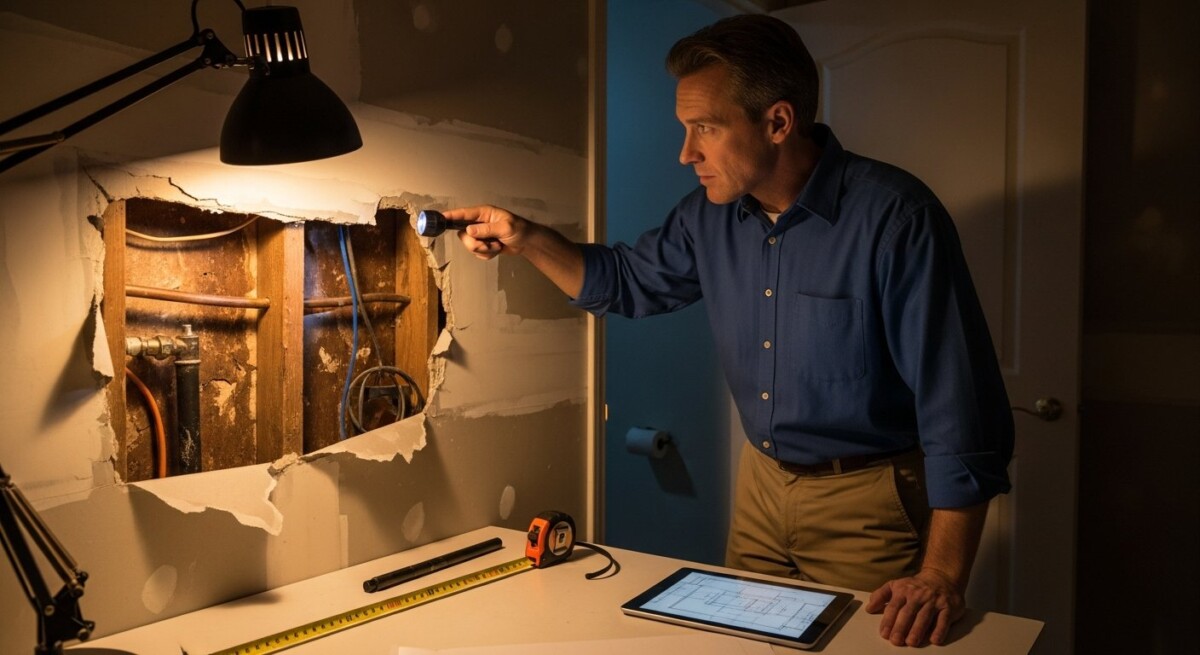
An estimate is simply a contractor’s educated guess at what your project will cost. It’s based on the scope of work, local material prices, labor rates, and the time required to finish the job. But no estimate is perfect because every home has hidden conditions,old wiring, water damage behind walls, or out-of-square framing,that can change the final price.
Some estimates are intentionally low to win your business, with the contractor planning to add charges later through change orders. Others are higher because the contractor has included a buffer for unexpected issues. The most accurate estimates come from contractors who visit your home, take measurements, and inspect the areas that will be affected. Phone or online-only quotes are almost always less reliable.
Homes older than 20 years are especially prone to estimate surprises. Older plumbing, electrical systems, and structural components often need upgrades to meet current building codes, and those costs can’t be fully known until walls are opened. Even newer homes can have problems if previous renovations were done poorly or without permits.
What Makes an Estimate Accurate?
An accurate estimate breaks down costs into clear categories: materials, labor, permits, cleanup, and a contingency reserve (typically 10,20% of the total). It also includes a detailed scope of work that describes exactly what will be done, what materials will be used, and what is not included. If an estimate is just a single number on a napkin, it’s a red flag.
Why This Matters for Your Home
When you choose a remodeling estimate that turns out to be inaccurate, the consequences go beyond just a higher final bill. If the contractor runs out of money halfway through, they may cut corners, use cheaper materials, or simply walk off the job. That leaves you with a half-finished project and a home that’s less safe and less comfortable.
Safety risks are real. An inaccurate estimate that doesn’t account for proper load-bearing supports, ventilation, or electrical capacity can lead to structural failures, fire hazards, or mold growth. Your home’s value can also take a hit if the work isn’t done to code or if future buyers discover unpermitted renovations.
Delaying a remodel because you’re unsure about costs often leads to bigger problems. A small leak behind a bathroom wall can turn into widespread rot and mold within months. A drafty window can cause your HVAC system to work harder, raising energy bills. The longer you wait, the more expensive the eventual repair becomes.
If you notice signs of this issue in your home, it may help to speak with a qualified contractor. Request a free quote or call (555) 123-4567 to explore your repair or remodeling options.
Common Problems Homeowners Experience
One of the most common problems is receiving an estimate that doesn’t match the final invoice. Homeowners often report that their contractor added charges for things like “unforeseen structural issues” or “material price increases” that weren’t mentioned in the original bid. This creates distrust and budget stress.
Another issue is the “lowball estimate” that seems too good to be true. A contractor may quote a very low price to get the job, then use change orders to inflate the total. By the time the work is done, you’ve paid as much or more than you would have with a higher initial bid,but with more stress and delays.
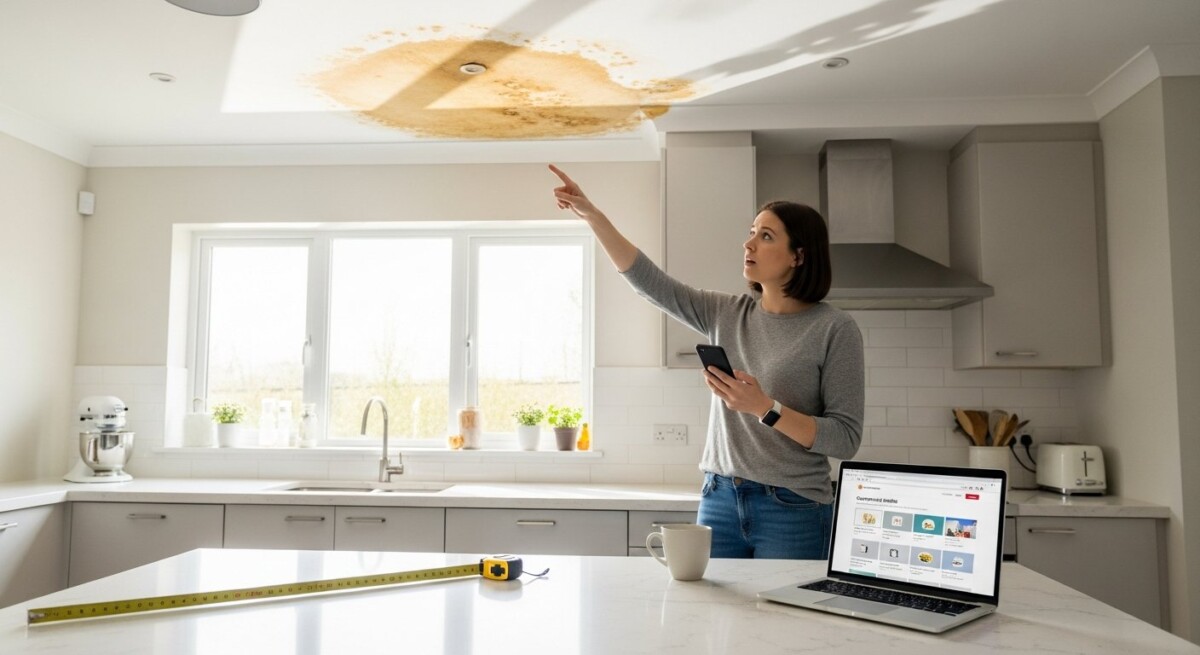
- Visible damage: Cracks in drywall, gaps around windows, or water stains on ceilings that weren’t accounted for in the estimate.
- Performance problems: New fixtures that don’t work properly, doors that don’t close, or windows that still leak air.
- Structural concerns: Sagging floors, uneven walls, or signs of foundation movement that require extra work.
- Aging materials: Old wiring, corroded pipes, or asbestos-containing materials that must be replaced or abated.
- Permit issues: Work that was done without required permits, leading to fines or difficulty selling the home.
- Scope creep: The project grows beyond what was originally discussed, but the estimate wasn’t updated.
How Professionals Solve the Problem
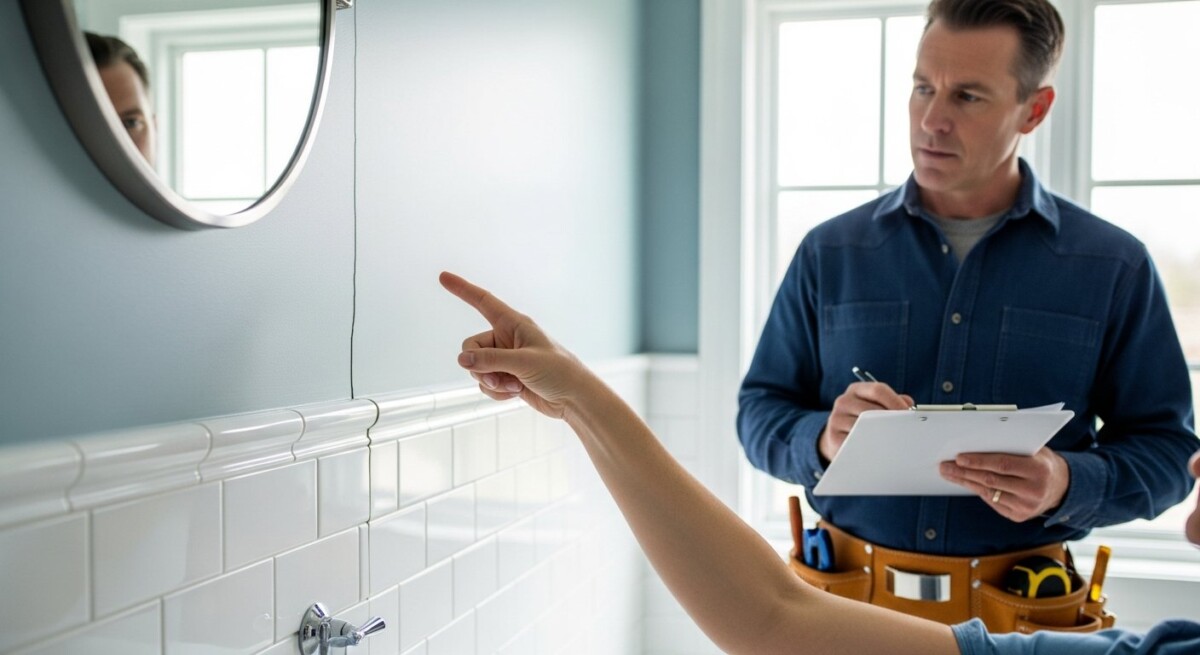
Experienced contractors address estimate accuracy by conducting a thorough on-site inspection before quoting. They measure everything, check accessible attic and crawl spaces, and test systems like plumbing and electrical. They also research local permit requirements and material prices to build a realistic budget.
- Inspection and measurement: The contractor visits your home, takes detailed measurements, and identifies potential issues.
- Scope development: They create a written scope of work that lists every task, material, and finish item.
- Cost breakdown: The estimate is divided into materials, labor, permits, cleanup, and a contingency fund.
- Review with you: They walk through the estimate with you, explaining each line item and answering questions.
- Contract signing: A detailed contract is signed that matches the estimate, with clear terms for changes.
Professional work is safer and more reliable than DIY because contractors carry insurance, know building codes, and have experience handling surprises. They also have relationships with suppliers, which can mean better material prices and faster delivery times.
A professional inspection can reveal hidden issues before they become expensive repairs. Compare contractor quotes here or call (555) 123-4567 to discuss your project.
Warning Signs You Should Not Ignore
Your home often gives you clues that a remodel estimate might be missing something important. Pay attention to these signs before you sign a contract. Catching problems early can save you from cost overruns and project delays.
If a contractor refuses to visit your home and insists on quoting from photos or a phone call, that’s a major warning sign. Similarly, if an estimate is significantly lower than others you’ve received, ask why. A good contractor should be able to explain the difference.
- Contractor won’t do a site visit before providing an estimate.
- Estimate is a single number with no breakdown of costs.
- No mention of permits or who will pull them.
- Vague language like “as needed” or “if necessary” without specifics.
- Pressure to sign immediately before you can compare quotes.
- Cash-only payment requests or unusually large upfront deposits.
What Affects the Cost of Repairs or Installation
The size of your project is the biggest factor. A full kitchen remodel costs more than a bathroom refresh, and a whole-house window replacement is pricier than fixing one window. Materials also drive costs,custom cabinetry, premium flooring, and energy-efficient windows cost more than standard options.
Labor rates vary by region and by trade. Plumbers, electricians, and structural carpenters typically charge higher rates than general laborers. Accessibility matters too: a bathroom on the second floor costs more to remodel than one on the first, and a roof with a steep pitch is more expensive to replace than a low-slope roof.
The age of your home can significantly affect costs. Older homes often require upgrades to bring them up to current codes,like replacing galvanized pipes or upgrading an electrical panel. These costs aren’t optional, and they can add thousands to your project.
Costs can vary depending on the condition of your home. The best way to know the price is to get a personalized estimate. Request free quotes from contractors or call (555) 123-4567 today.
How to Choose the Right Contractor
Choosing the right contractor starts with doing your homework. Don’t just pick the lowest bid or the first name you find online. Take time to vet each candidate so you feel confident in your choice.
Ask for references and actually call them. Visit a completed project if possible. A contractor who is proud of their work will be happy to show it off. Also, check with your local building department to see if any complaints have been filed against them.
- Check licenses and insurance: Verify that the contractor is licensed in your state and carries general liability and workers’ compensation insurance.
- Read customer reviews: Look for patterns in reviews,both good and bad,on sites like Google, Yelp, and the Better Business Bureau.
- Ask for detailed estimates: Get written estimates that break down costs and include a scope of work.
- Compare multiple quotes: Get at least three estimates so you can see what’s reasonable for your area.
- Confirm experience: Ask if they’ve done similar projects, especially in homes of similar age or style.
Long-Term Benefits of Professional Work
When you hire a professional contractor who provides an accurate estimate, you get more than just a finished project. You get peace of mind knowing that the work was done correctly, safely, and to code. That translates into a home that’s more comfortable, more energy-efficient, and worth more when you sell.
Professional work also lasts longer. Proper installation means your new bathroom won’t leak, your windows will seal tightly, and your roof will withstand storms. You’ll spend less on maintenance and repairs over the life of the improvements.
Energy efficiency is another major benefit. A properly insulated and sealed home, with efficient windows and HVAC systems, can lower your utility bills by 20% or more. That’s money back in your pocket every month. And if you ever decide to sell, energy-efficient upgrades are a strong selling point for buyers.
Frequently Asked Questions
How accurate are remodeling estimates?
Remodeling estimates can be quite accurate when based on a thorough on-site inspection and a detailed scope of work. However, even the best estimates may vary by 10,20% due to hidden conditions. Always include a contingency fund in your budget.
Why are remodeling estimates so different from each other?
Estimates differ because contractors use different methods to calculate costs, include different levels of detail, and may have different overhead rates. A low estimate might also be missing important items like permits or disposal fees. Comparing scope, not just price, is key.
Should I always choose the lowest remodeling estimate?
No. The lowest estimate can be a sign that the contractor is cutting corners, using cheap materials, or planning to add charges later. It’s better to choose a mid-range estimate from a reputable contractor with good reviews and a clear scope of work.
What should be included in a remodeling estimate?
A good estimate should include a detailed scope of work, a breakdown of material and labor costs, permit fees, cleanup costs, a timeline, and a contingency amount. It should also state what is not included in the price.
Can I trust online remodeling cost calculators?
Online calculators can give you a rough ballpark, but they are not accurate enough for budgeting a real project. They can’t account for your home’s specific conditions, local labor rates, or the quality of materials you want. Always get in-person estimates.
How do I know if a contractor’s estimate is fair?
Compare it to at least two other estimates for the same scope of work. If one estimate is drastically lower or higher, ask for an explanation. A fair estimate will be in the middle range and will include clear, detailed line items.
What happens if the actual cost exceeds the estimate?
If the overage is due to unforeseen conditions (like rotten wood behind a wall), the contractor should discuss it with you before proceeding. A good contract will outline how change orders are handled. If the overage is due to poor estimating, the contractor may eat the cost or negotiate a solution.
Can I negotiate a remodeling estimate?
Yes, but focus on the scope rather than just the price. Ask if you can reduce costs by choosing different materials, simplifying the design, or doing some demolition yourself. A reputable contractor will work with you to find a solution that fits your budget.
When it comes to remodeling, knowledge is power. The more you understand about how accurate remodeling estimates are,and what makes them reliable or unreliable,the better decisions you’ll make for your home. Don’t rush the process. Take time to get multiple estimates, ask questions, and choose a contractor you trust. Your home will thank you, and so will your wallet.

About Alex Carter
"*" indicates required fields