Hot Water Problems: A Homeowner’s Guide to Diagnosis and Repair
"*" indicates required fields
There’s nothing more frustrating than stepping into the shower only to be met with a blast of cold water. Or waiting endlessly for the kitchen sink to get warm enough to wash dishes. Hot water problems disrupt your daily routine, cause stress, and can be a sign of a serious issue with your water heater or plumbing system. Understanding what’s happening is the first step toward restoring comfort and peace of mind to your home.
Understanding Common Hot Water Problems
Hot water problems aren’t just about a lack of heat. They can manifest in several ways, each pointing to a different potential cause. From inconsistent temperatures to strange noises and discolored water, these issues signal that your system needs attention.
The heart of your home’s hot water is the water heater, whether it’s a traditional tank model or a modern tankless unit. Over time, sediment builds up, parts wear out, and connections can fail. Recognizing the specific symptom you’re experiencing is key to understanding the underlying problem.
The Role of Your Water Heater
Your water heater works hard, often for a decade or more. It constantly heats and stores water, which leads to mineral deposits from your water supply settling at the bottom of the tank. This sediment buildup is a primary culprit for many common issues, including reduced efficiency, strange rumbling sounds, and a shorter lifespan for the unit.
Why It Matters for Homeowners
Reliable hot water is a modern necessity we often take for granted. When it fails, it impacts everything from personal hygiene and clean dishes to laundry and household sanitation. Beyond the daily inconvenience, unresolved hot water problems can lead to much more serious and costly consequences.
Ignoring warning signs like a small leak or a pilot light that won’t stay lit can result in major water damage, mold growth, or even a complete system failure that leaves you without hot water entirely. Furthermore, an inefficient or failing water heater consumes more energy, driving up your monthly utility bills unnecessarily.
Don’t let a small issue turn into a major home emergency. Getting a professional diagnosis at the first sign of trouble protects your home, your wallet, and your comfort.
Is your water heater acting up? Our licensed technicians can diagnose the problem quickly and provide a clear, upfront repair estimate. Schedule a service call online or call us now at (555) 123-HEAT.
Common Issues and Their Causes
Most hot water troubles fall into a few predictable categories. By identifying your specific symptom, you can better understand what might be happening inside your system.
- No Hot Water: This could be caused by a tripped circuit breaker (for electric heaters), a failed heating element, a blown pilot light (for gas heaters), or a malfunctioning thermostat.
- Not Enough Hot Water (Running Out Quickly): Often due to a undersized unit for your household’s demand, a broken dip tube that mixes cold and hot water, or a significant sediment buildup that reduces tank capacity.
- Water Is Not Hot Enough: Usually a simple thermostat setting that’s been adjusted too low, but can also indicate a failing thermostat or a problem with the heating elements.
- Discolored or Rusty Hot Water: Typically points to corrosion inside the tank itself or in the home’s pipes. A rusty tank often means it is nearing the end of its life and may start leaking soon.
- Rumbling or Popping Noises: Almost always caused by sediment (mineral deposits) at the bottom of the tank overheating and rumbling, like a kettle on a stove. This reduces efficiency and can damage the tank.
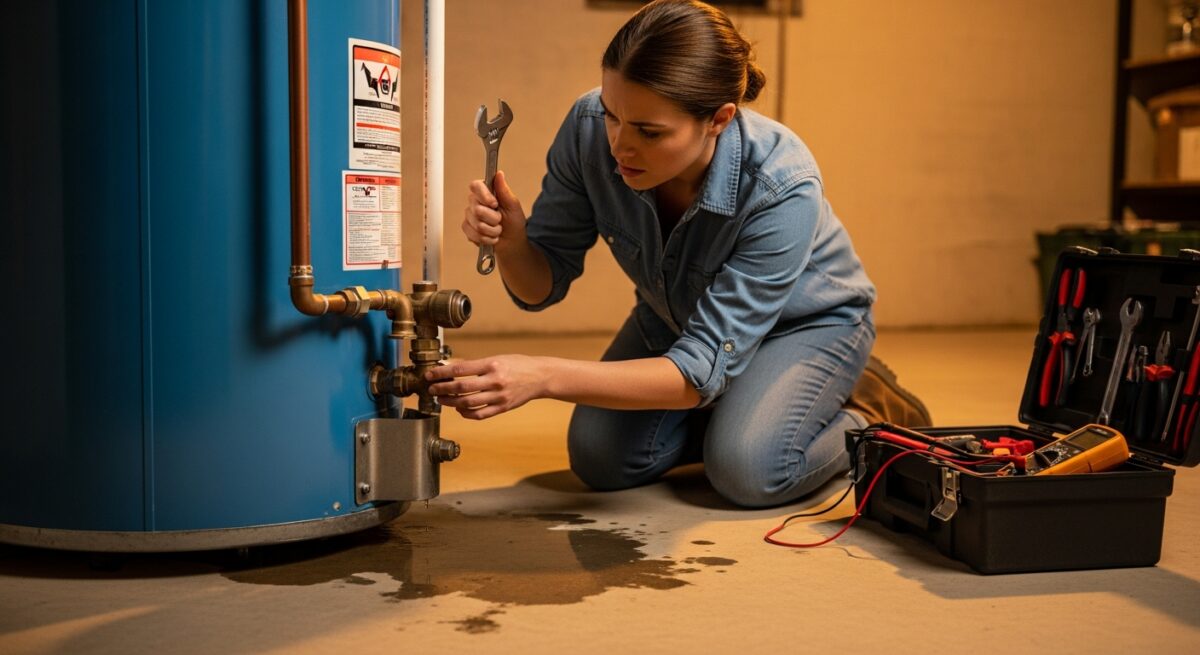
- Leaks Around the Water Heater: Can come from a variety of places: loose connections, a faulty temperature & pressure relief valve, or, most seriously, from the tank itself, which usually requires full replacement.
How Professionals Fix the Problem
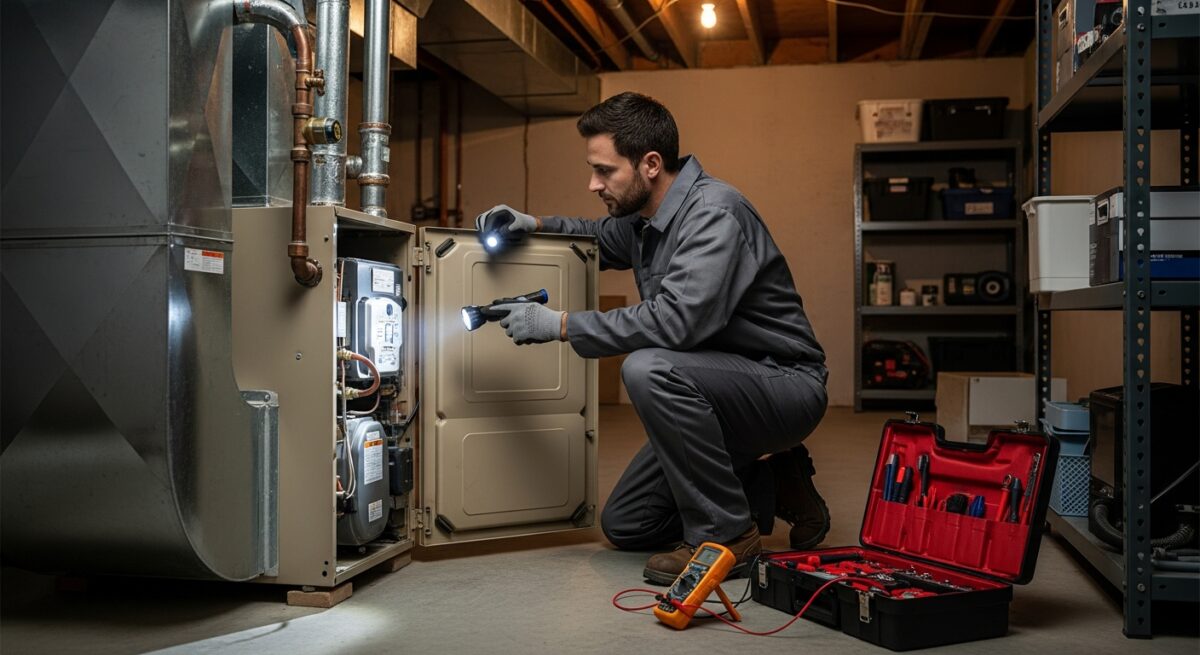
When you call a professional, the process begins with a thorough diagnosis. A skilled technician will inspect your entire system, not just the water heater, to pinpoint the exact cause. They will check the unit’s age, look for leaks, test the thermostat and heating elements, and assess the pressure and connections.
Based on the diagnosis, the repair path becomes clear. For many issues, a repair is the most cost-effective solution. This can involve:
- Flushing the Tank: To remove sediment and restore efficiency and capacity.
- Replacing Faulty Parts: Such as heating elements, thermostats, pressure relief valves, or anodes rods.
- Repairing Connections: Tightening or replacing inlet/outlet pipes and valves.
If the unit is old, severely corroded, or leaking from the tank itself, the technician will recommend a replacement. They will help you choose the right size and type (tank vs. tankless) for your home’s needs and ensure a safe, code-compliant installation.
From simple repairs to full system replacements, our team handles it all with precision and care. Learn more about our water heater services or call (555) 123-HEAT for expert help today.
Signs You Should Not Ignore
Some hot water problems are minor, but others are urgent red flags. Knowing the difference can prevent property damage and ensure your family’s safety.
Water where it shouldn’t be is always a cause for immediate action. A small drip can quickly become a flood, damaging floors, walls, and belongings. Similarly, any sign of gas (like a rotten egg smell near a gas water heater) requires you to shut off the gas supply and call a professional immediately.
Here are critical warning signs that demand prompt professional attention:
- Water Pooling Around the Base: Indicates a leak, often from the tank itself.
- Rusty Water from Hot Taps Only: Signals internal tank corrosion.
- Loud Banging or Knocking Sounds: Severe sediment buildup or overheating.
- Smell of Rotten Eggs (Gas Heaters): Potential gas leak or bacteria in the tank.
- No Hot Water After Checking Basics: If the breaker is on and the pilot is lit, internal components have likely failed.
Cost Factors and What Affects Pricing
The cost to fix a hot water problem depends on several factors. A simple repair like replacing a thermostat or flushing the tank is relatively affordable. More complex repairs, like replacing heating elements or addressing internal tank issues, will cost more.
The most significant cost factor is whether you need a full water heater replacement. The price is influenced by the type of unit (standard tank vs. high-efficiency or tankless), its capacity (gallons), the complexity of the installation (like relocating the unit or updating venting), and your local labor rates. A professional will always provide a detailed, upfront estimate so you know exactly what to expect.
Worried about the cost? We offer transparent, flat-rate pricing and financing options to make quality repairs and replacements affordable. Get your free, no-obligation estimate now by calling (555) 123-HEAT.
How To Choose the Right Professional or Service
Not all plumbers specialize in water heaters. It’s important to choose a service provider with specific expertise in water heater repair and installation. Look for a company that is licensed, insured, and has positive reviews from local homeowners.
Ask about their experience with your type of system (gas, electric, tankless) and whether they offer warranties on both parts and labor. A trustworthy professional will perform a thorough inspection, explain your options clearly without pressure, and provide a written estimate before starting any work.
Long-Term Benefits for Your Home
Addressing hot water problems promptly does more than just fix an immediate annoyance. It protects your home from water damage, improves energy efficiency to lower bills, and extends the life of your appliance. A properly maintained or new water heater provides reliable comfort for years, ensuring your family always has the hot water they need, when they need it. Investing in professional service is an investment in your home’s value and your daily quality of life.
Frequently Asked Questions
How long should a water heater last?
A traditional tank water heater typically lasts 8-12 years. Tankless models can last 20 years or more with proper maintenance. Age, water quality, and maintenance are the biggest factors in lifespan.
What does it mean if my hot water smells like rotten eggs?
This usually indicates sulfur bacteria in the tank. For gas heaters, it can also be a sign of a gas leak. This smell requires immediate attention from a professional to diagnose and resolve safely.
Can I fix my water heater myself?
Some minor tasks, like adjusting the thermostat, can be DIY. However, most repairs involve gas lines, high-voltage electricity, high pressure, and heavy components. For safety and to avoid voiding warranties, complex repairs are best left to licensed professionals.
Why is my water heater making noise?
Rumbling, popping, or banging noises are almost always caused by sediment buildup at the bottom of the tank overheating. Flushing the tank can often resolve this issue and improve efficiency.
Is a tankless water heater better?
Tankless heaters provide endless hot water on demand and are more energy-efficient, saving on utility bills. They have a higher upfront cost but a longer lifespan. The best choice depends on your household size, usage patterns, and budget.
How often should I flush my water heater?
It’s recommended to flush your water heater once a year to remove sediment. This simple maintenance task can improve efficiency, increase hot water capacity, and extend the unit’s life.
What should I do if my water heater is leaking?
First, turn off the power (circuit breaker for electric, gas supply valve for gas) and the cold water inlet valve to the heater. Then, call a professional plumber immediately. A leaking tank often cannot be repaired and will need replacement.
Why is my hot water rusty?
If only the hot water is rusty, the inside of your water heater tank is likely corroding. This is a common sign that the tank is failing and may soon develop a leak, indicating the need for replacement.
Don’t let unreliable hot water disrupt your home life. With the right knowledge and a trusted professional by your side, you can quickly restore comfort, safety, and efficiency to your household’s water system. Taking action at the first sign of trouble is the smartest way to protect your investment and ensure your family’s daily needs are met.

About Alex Carter
"*" indicates required fields