Basement Finishing Cost: A Practical Guide for Homeowners
"*" indicates required fields
You finally decided to turn that dark, unfinished basement into a home theater, a guest suite, or a playroom for the kids. You start measuring, dreaming, and then you search online for “basement finishing cost.” Suddenly, the numbers feel overwhelming. One website says $10,000, another says $50,000, and you have no idea which estimate fits your home. This confusion is exactly why so many homeowners delay the project,and why delaying can actually cost you more in the long run.
Every unfinished basement is a missed opportunity for extra living space, but it also hides potential problems like moisture, poor insulation, or outdated wiring. The true basement finishing cost depends on your home’s unique conditions, the materials you choose, and whether you hire a professional. In this guide, we’ll break down the numbers, explain what drives the price, and show you how to get a fair quote without the guesswork.
Understanding Basement Finishing Cost
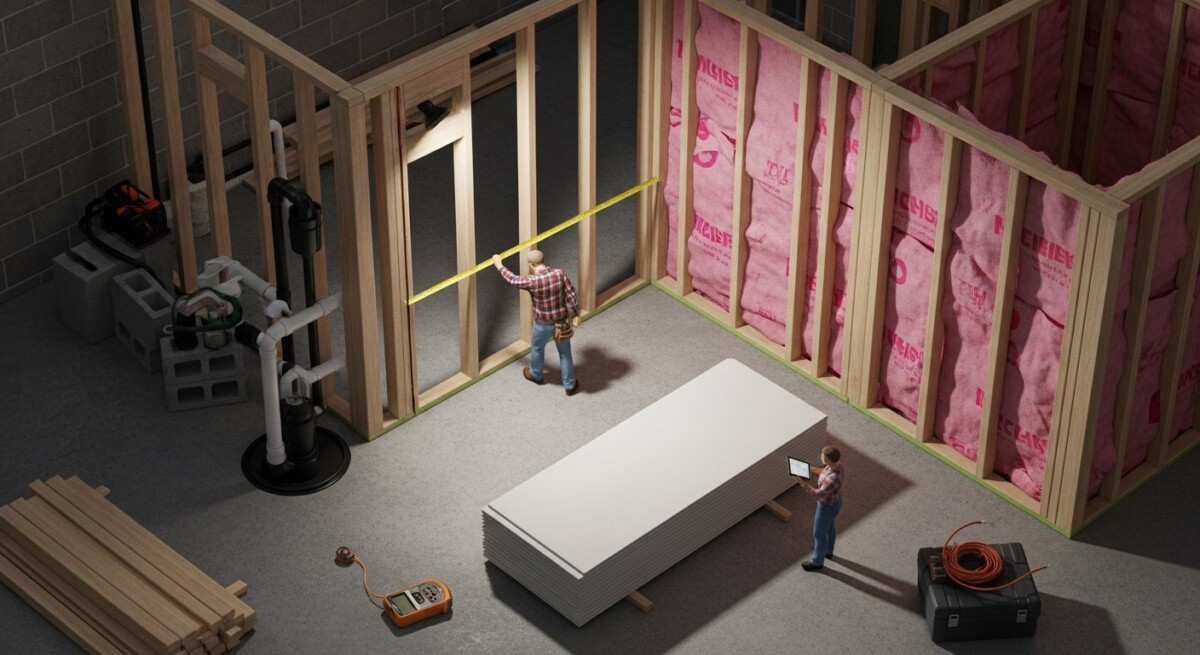
Basement finishing means turning a raw, concrete-walled basement into a livable, comfortable room. This usually involves framing walls, adding insulation, installing drywall, running electrical and plumbing, and finishing the floor and ceiling. The cost varies widely because every basement is different,some need sump pumps or French drains, while others just need paint and carpet.
The national average for finishing a basement ranges from $15,000 to $35,000 for a typical 500,1,000 square foot area. But that’s just a starting point. High-end finishes, custom bathrooms, or structural changes can push the total past $50,000. On the other hand, a simple, budget-friendly finish might cost as little as $7,000. The key is understanding what influences that number for your basement.
Which Homes Are Most Affected?
Older homes (built before 1980) often have lower ceilings, stone foundations, or outdated electrical panels that increase finishing costs. Newer homes may already have rough-ins for plumbing or higher ceilings, making the job simpler. Homes in flood-prone regions or with a high water table will almost always require waterproofing, which adds to the budget. If your basement has never been finished, expect to invest in both structural and cosmetic upgrades.
Why This Matters for Your Home
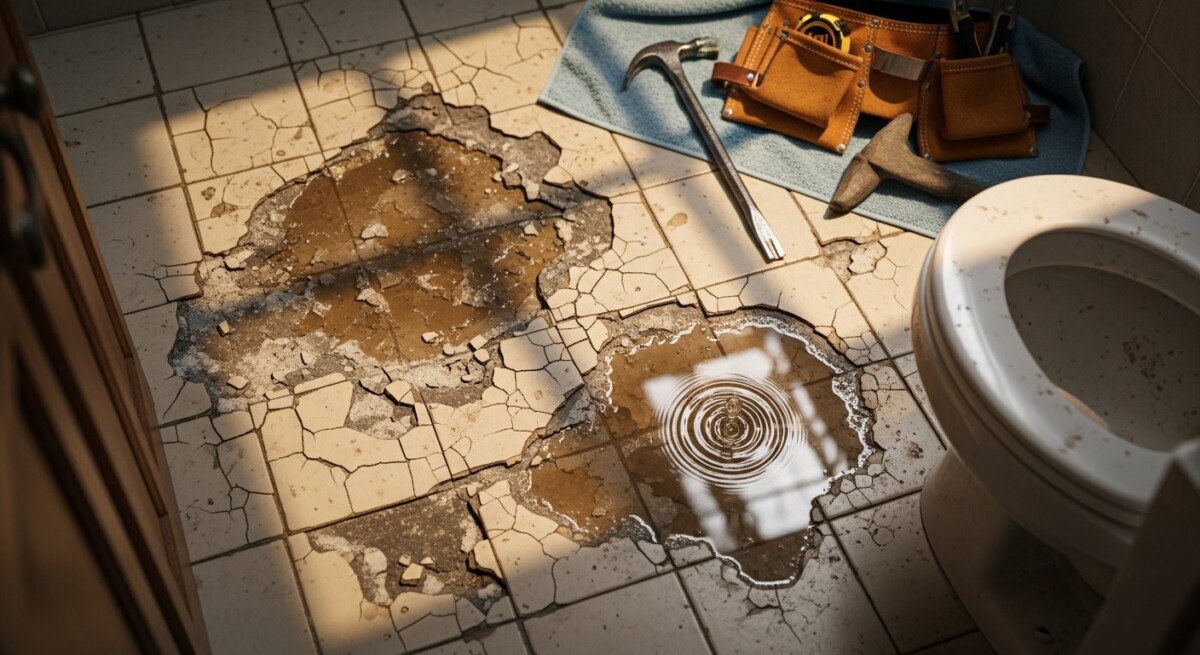
Ignoring your unfinished basement isn’t just an aesthetic choice,it can lead to real problems. Moisture seeping through concrete walls can cause mold, mildew, and musty odors that travel upstairs. Over time, this damages drywall, flooring, and even your home’s foundation. Cracks in the floor or walls can widen, letting in radon gas or pests.
Safety is another concern. Unfinished basements often have exposed wiring, sharp edges, and poor lighting. If you ever sell your home, an unfinished basement can lower your property value compared to a finished, usable space. In our guide on home addition cost estimate, we explain how adding livable square footage typically boosts resale value,and finishing a basement is one of the most cost-effective ways to do that.
Delaying the project also means repair costs will increase. A small crack in the foundation can become a major leak after a heavy rain. Tackling these issues early, during a finish, is far cheaper than fixing them later.
If you notice signs of this issue in your home, it may help to speak with a qualified contractor. Request a free quote or call to explore your repair or remodeling options.
Common Problems Homeowners Experience
When homeowners start planning their basement finish, they often discover unexpected issues. A wall that looked solid turns out to have water stains. The floor slopes toward the center, making it hard to install carpet. The ceiling is too low for standard drywall, or the electrical panel can’t handle extra circuits.
Here are the most common problems that affect basement finishing cost:
- Moisture or water intrusion , Cracks in the foundation or poor drainage can lead to damp walls and floors, requiring waterproofing before finishing.
- Low ceiling height , Building codes often require a minimum of 7 feet of headroom. If your basement is shorter, you may need to dig down or use creative framing.
- Outdated or insufficient electrical , Adding lights, outlets, and appliances often requires upgrading the panel or running new circuits.
- Poor insulation , Uninsulated concrete walls lose heat and can make the basement cold and drafty. Adding insulation adds cost but improves comfort.
- Radon gas , Many basements have elevated radon levels. Mitigation systems can cost $800,$2,500 but are essential for safety.
- Uneven or damaged floor , Cracks, dips, or old adhesives may need self-leveling compound or new concrete before flooring can be installed.
How Professionals Solve the Problem
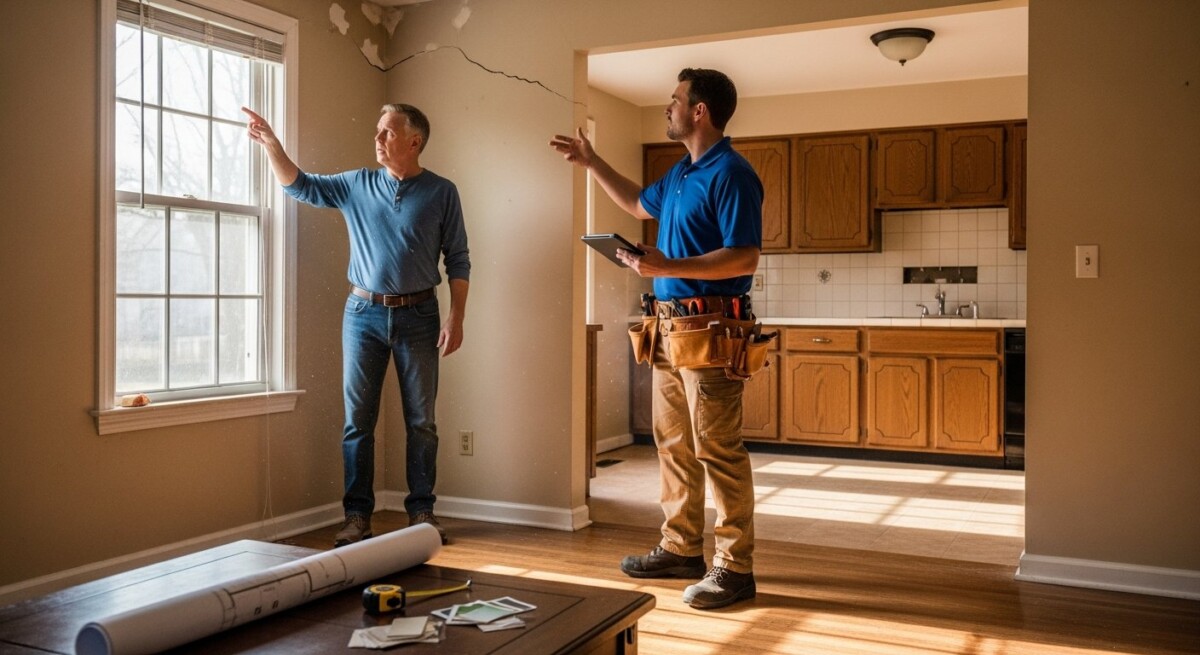
Experienced contractors approach a basement finish as a complete system, not just a cosmetic upgrade. They start with a thorough inspection to identify hidden issues,moisture, structural weaknesses, or code violations,that a DIYer might miss. Then they create a plan that addresses these problems first, ensuring the finished space is safe and durable.
The typical process looks like this:
- Inspection and planning , The contractor checks for water damage, measures ceiling height, evaluates the electrical panel, and tests for radon. They also discuss your layout and design preferences.
- Waterproofing and drainage , If needed, they install a sump pump, seal cracks, or add a French drain system to keep the basement dry.
- Framing and insulation , Walls are framed with pressure-treated lumber and insulated with foam board or fiberglass. Vapor barriers are installed to prevent moisture from reaching the drywall.
- Electrical, plumbing, and HVAC , Licensed electricians run new circuits for lights and outlets. Plumbers add bathroom or wet bar rough-ins. HVAC ducts are extended to provide heating and cooling.
- Drywall, flooring, and finishing , Drywall is hung, taped, and painted. Flooring (carpet, tile, luxury vinyl) is installed. Trim, doors, and light fixtures complete the space.
- Musty odors or visible mold , This indicates moisture is present, even if you don’t see standing water. Mold can affect indoor air quality and health.
- Efflorescence (white, chalky powder on walls) , This is a sign of water seeping through concrete. It means your walls aren’t properly sealed.
- Cracks in the foundation floor or walls , Hairline cracks are common, but wider cracks (over 1/8 inch) or horizontal cracks suggest structural movement.
- Peeling paint or wallpaper , If you’ve painted basement walls and the paint is bubbling or peeling, moisture is trapped behind it.
- Insect or pest activity , Cracks, gaps, or dampness can attract termites, ants, or rodents.
- Cold drafts or high energy bills , Poor insulation in the basement can make your whole home less energy-efficient.
- Check licenses and insurance , Verify that the contractor is licensed in your state and carries general liability and workers’ compensation insurance. This protects you if something goes wrong.
- Read customer reviews , Look for reviews on Google, Yelp, or the Better Business Bureau. Pay attention to comments about communication, timeliness, and problem-solving.
- Ask for detailed estimates , A good estimate breaks down costs for materials, labor, permits, and any subcontractors. Avoid vague quotes that just say “$25,000 for the whole job.”
- Compare multiple quotes , Get at least three quotes from different contractors. This gives you a realistic range and helps you spot outliers that are too high or too low.
- Confirm experience with similar projects , Ask if they’ve finished basements before, especially in homes similar to yours. Experienced contractors know how to handle moisture, low ceilings, and code issues.
Professional work is almost always safer and more reliable than DIY because contractors know local building codes, carry insurance, and have the tools to handle unexpected problems. A mistake with wiring or plumbing can lead to fires or floods,costs far beyond what you’d pay a pro. If you’re considering a bathroom addition, check our bathroom remodel cost guide for more details on pricing.
A professional inspection can reveal hidden issues before they become expensive repairs. Compare contractor quotes here or call to discuss your project.
Warning Signs You Should Not Ignore
Your basement might be trying to tell you it needs attention long before you start a finish project. Paying attention to these warning signs can save you thousands in unexpected repair costs later.
If you notice any of these signs, it’s wise to address them before finishing the space. Early action prevents bigger problems like structural damage or mold remediation, which can cost thousands more.
What Affects the Cost of Repairs or Installation
The final basement finishing cost depends on several key factors. Understanding them helps you budget accurately and avoid surprises.
Size of the space is the biggest driver. A 300-square-foot basement costs less than a 1,200-square-foot one, but you’ll still pay for fixed costs like permits and minimum contractor fees. Materials also vary widely,luxury vinyl plank flooring costs more than carpet, and custom cabinetry adds more than basic shelving.
Labor rates depend on your location and the complexity of the work. Basements with existing plumbing rough-ins or easy access to the electrical panel are faster and cheaper. Accessibility matters too: if your basement has a narrow stairwell or no exterior entrance, moving materials in and out takes longer, increasing labor costs. Age of the home plays a role,older homes often require more structural work, like leveling floors or upgrading wiring, which adds to the budget.
If you’re planning to add a bathroom, check our bathtub installation cost guide for specific pricing on fixtures and labor.
Costs can vary depending on the condition of your home. The best way to know the price is to get a personalized estimate. Request free quotes from contractors or call today.
How to Choose the Right Contractor
Finding the right contractor for your basement finish is just as important as the budget. A good contractor will help you avoid costly mistakes and deliver a space you’ll love for years.
Long-Term Benefits of Professional Work
Investing in a professionally finished basement pays off in more ways than one. First, you gain usable living space without the cost of a full home addition. A finished basement can serve as a home office, gym, rental suite, or entertainment area,adding flexibility to your daily life.
Second, professional work improves safety. Proper electrical work reduces fire risk, waterproofing prevents mold, and insulation lowers energy bills. These upgrades also protect your home’s structure, extending its lifespan. When it’s time to sell, a finished basement can increase your home’s resale value by 70,80% of the project cost, according to many real estate studies.
Finally, you avoid the headaches of DIY mistakes. A professional finish is durable, code-compliant, and built to last. You won’t have to worry about sagging drywall, leaky pipes, or electrical shorts five years down the road. The upfront cost is an investment in comfort, safety, and peace of mind.
Frequently Asked Questions
What is the average cost to finish a basement?
The average cost to finish a basement ranges from $15,000 to $35,000 for a standard 500,1,000 square foot space. This includes framing, insulation, drywall, electrical, flooring, and basic finishes. High-end materials, a bathroom, or a wet bar can increase the cost to $50,000 or more.
Is it cheaper to finish a basement yourself?
DIY finishing can save on labor costs, but it often leads to higher expenses in the long run due to mistakes, code violations, and material waste. Professional contractors also get better pricing on materials and can complete the job faster. For most homeowners, hiring a pro is more cost-effective.
Does finishing a basement add value to my home?
Yes, finishing a basement typically adds 70,80% of the project cost to your home’s resale value. A finished basement increases usable square footage, which is a major selling point for buyers. However, the value depends on the quality of the finish and local market conditions.
How long does it take to finish a basement?
A typical basement finish takes 4 to 8 weeks, depending on the size and complexity. Simple finishes with no structural changes may take 3,4 weeks, while projects involving a bathroom, custom built-ins, or extensive waterproofing can take 8,12 weeks.
Do I need a permit to finish my basement?
Most municipalities require permits for basement finishing, especially for electrical, plumbing, and structural work. Permits ensure the work meets safety codes and can protect you during a home sale. Your contractor should handle the permit process.
What is the most expensive part of finishing a basement?
The most expensive parts are typically electrical work, plumbing (if adding a bathroom), and flooring. Framing and drywall are moderate costs, while finishes like countertops, cabinets, and lighting fixtures can add up quickly. Waterproofing can also be a significant expense if needed.
Can I finish a basement with low ceilings?
Building codes usually require a minimum ceiling height of 7 feet for habitable spaces. If your basement has lower ceilings, you may need to excavate the floor, which is costly, or use alternative designs like a “drop ceiling” that maximizes headroom. A contractor can assess your options.
Does basement finishing include waterproofing?
Not always. Basic finishing packages often assume the basement is already dry. If moisture issues are found during inspection, waterproofing is added as a separate line item. It’s crucial to address moisture before finishing to prevent mold and damage.
Finishing your basement is one of the smartest home improvements you can make. It adds space, value, and comfort to your home. But the key to a successful project is understanding the true basement finishing cost for your home,not a national average. That means getting multiple quotes from qualified contractors who can inspect your space and give you a real estimate. Don’t let uncertainty keep you from creating the home you want. Start by comparing contractor quotes today.

About Alex Carter
"*" indicates required fields