What Is Luxury Home Renovation: A Homeowner’s Guide
"*" indicates required fields
When a standard bathroom update or a quick kitchen refresh no longer feels like enough, homeowners start asking a different question. They stop wondering about basic upgrades and begin exploring what is luxury home renovation. This is not about swapping out a faucet or painting a wall. It is about transforming a house into a personal sanctuary with premium materials, custom craftsmanship, and meticulous attention to detail. A luxury renovation elevates every surface, every fixture, and every square foot to a level that prioritizes comfort, aesthetics, and long-term value. Whether you are planning a single room overhaul or a whole-home transformation, understanding the true scope of luxury work helps you make informed decisions and avoid costly missteps.
Defining Luxury Home Renovation Beyond the Price Tag
Many people assume that a luxury renovation is simply an expensive one. While budget does play a role, the real distinction lies in the approach, the materials, and the level of customization. A luxury home renovation is a comprehensive, design-driven process that focuses on creating a bespoke living environment. It involves working with skilled architects, interior designers, and specialized contractors who prioritize quality over speed. The goal is not just to update a home but to reimagine it entirely. This often includes structural changes, high-end finishes, smart home integration, and energy-efficient systems that standard renovations rarely address. In our guide on luxury home remodeling for homeowners, we explain how this process differs from typical home improvement projects.
The materials used in a luxury renovation set it apart. Instead of stock cabinets and off-the-shelf countertops, you might select handcrafted millwork, natural stone slabs, or imported tiles. Fixtures are chosen for their design pedigree and durability. A luxury renovation also prioritizes the sensory experience of a home: the way light moves through a room, the acoustics, the texture of the flooring underfoot, and the feel of a custom door handle. Every detail is intentional. This level of thought and execution requires careful planning and a team that understands how to bring a sophisticated vision to life without compromising on functionality.
Key Features That Define a Luxury Renovation
To better understand what is luxury home renovation, it helps to look at the specific features that separate it from a standard remodel. These elements are not just about aesthetics; they also improve how a home performs and how it makes you feel. Below are the hallmarks of a true luxury renovation.
- Custom Millwork and Cabinetry: Built-in bookcases, paneled walls, and custom kitchen cabinets are designed specifically for your space. They use premium woods and finishes that cannot be found in a showroom.
- Architectural Details: Crown molding, coffered ceilings, wainscoting, and archways add character and depth. These features require skilled carpenters and precision installation.
- High-End Appliances and Fixtures: Professional-grade kitchen appliances, designer faucets, and spa-like shower systems are standard. Brands such as Sub-Zero, Wolf, and Waterworks are common choices.
- Smart Home Integration: Automated lighting, climate control, security systems, and audio-visual setups are seamlessly woven into the design. Controls are often hidden behind custom panels or integrated into millwork.
- Premium Flooring and Surfaces: Wide-plank hardwood, natural stone, marble, and hand-scraped tiles provide texture and longevity. Heated floors are a frequent addition in bathrooms and master suites.
These features go beyond simple upgrades. They represent a commitment to quality that affects the daily experience of living in the home. For example, a custom kitchen island with a waterfall marble countertop and integrated outlets is not just beautiful; it becomes the central gathering point for family and guests. Similarly, a spa-like bathroom with a steam shower, soaking tub, and heated floors transforms a routine morning into a ritual of comfort.
The Planning Process: Where Luxury Renovations Begin
Every successful luxury renovation starts with a detailed plan. Unlike a standard remodel, where you might pick out tile and paint colors in a weekend, the planning phase for a luxury project can take several months. It begins with a thorough assessment of your home’s existing structure, systems, and layout. Architects and designers work together to create a cohesive vision that aligns with your lifestyle and aesthetic preferences. This is the stage where you decide whether to open up a floor plan, add a new wing, or convert underutilized spaces into functional rooms. For more ideas on how to approach this stage, explore our collection of luxury home remodeling ideas to inspire your own project.
Once the design is finalized, the focus shifts to budgeting and sourcing. A luxury renovation budget must account for high-quality materials, skilled labor, permits, and potential contingencies. It is not uncommon for projects to include imported stone, custom furniture, and artisan finishes that require long lead times. A general contractor with experience in luxury work is essential here. They coordinate the various trades, manage the schedule, and ensure that every element meets the designer’s specifications. Communication is key. Regular meetings and detailed project timelines help keep the renovation on track, even when unexpected challenges arise, such as supply chain delays or hidden structural issues.
Choosing the Right Contractor for Your Luxury Project
Selecting the right team is arguably the most important decision you will make during a luxury renovation. Standard contractors may excel at basic remodels, but they often lack the experience, network, and attention to detail required for high-end work. A luxury contractor brings a portfolio of similar projects, references from discerning clients, and relationships with top-tier suppliers. They understand the nuances of working with expensive materials and the importance of protecting your home during construction. When vetting potential contractors, ask about their experience with projects of your scale and complexity. Request to see completed work and speak directly with past clients. A reputable contractor will also have proper licensing, insurance, and a clear contract that outlines scope, timeline, and payment terms.
Another critical factor is the contractor’s ability to collaborate with architects and designers. Luxury renovations are team efforts. The best results come when everyone communicates openly and respects each other’s expertise. A contractor who dismisses the designer’s vision or tries to cut corners on materials will compromise the final outcome. Look for a contractor who values craftsmanship and has a proven track record of delivering on ambitious designs. The right partner will also help you navigate the complexities of permits and building codes, which can be more stringent for major structural changes. By choosing a contractor who specializes in luxury work, you protect your investment and ensure that the renovation proceeds smoothly from start to finish.
Common Rooms Transformed by Luxury Renovations
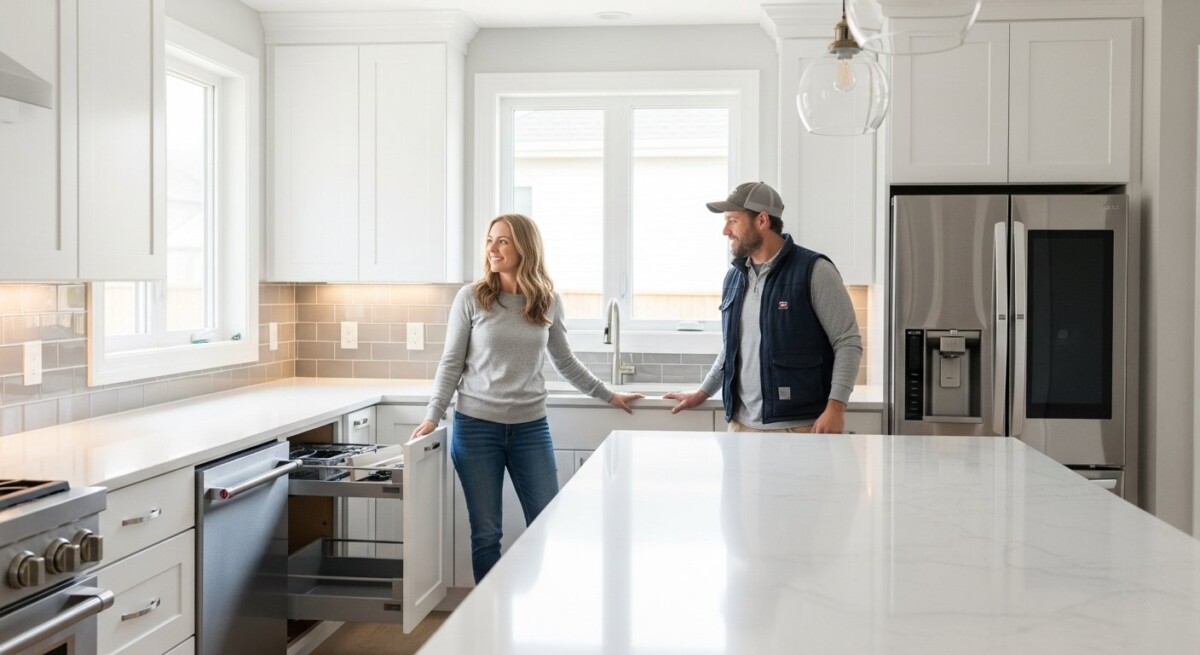
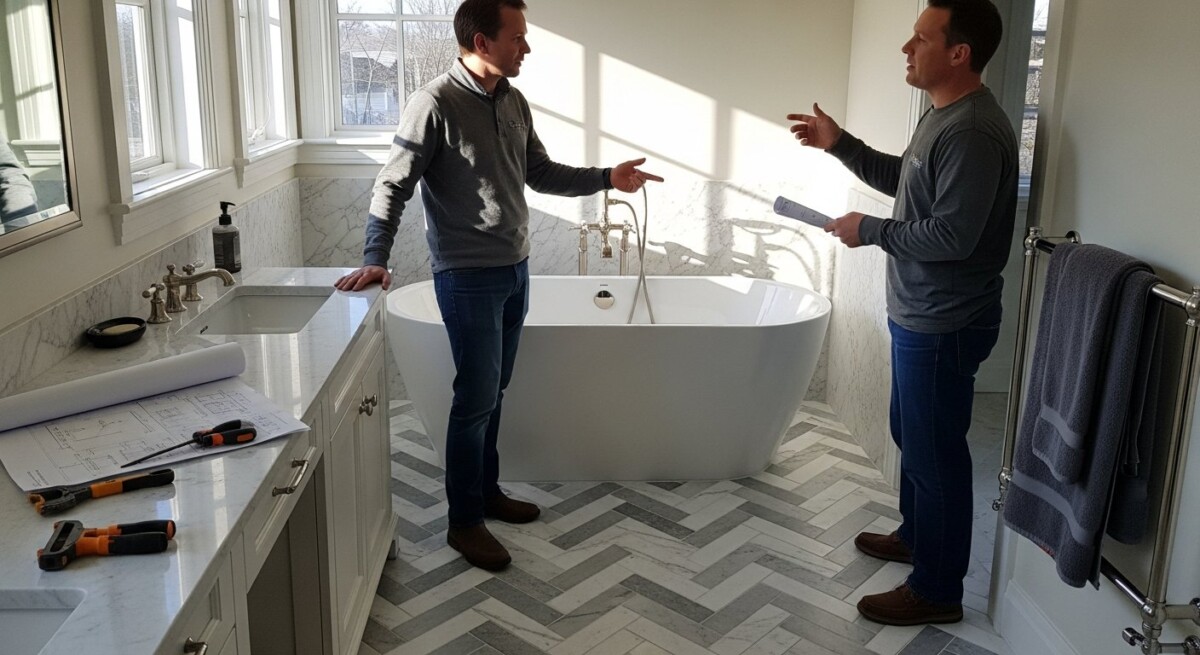
While a luxury renovation can touch every part of a home, certain rooms tend to receive the most attention. The kitchen is often the centerpiece of a luxury remodel. It is where families gather, meals are prepared, and guests are entertained. A luxury kitchen features custom cabinetry, top-of-the-line appliances, a large island with seating, and ample storage designed for efficiency and beauty. Countertops in marble or quartzite, a backsplash of hand-painted tiles, and a walk-in pantry with custom shelving are common additions. The master bathroom is another high-priority space. Luxury bathrooms resemble private spas with freestanding soaking tubs, oversized steam showers, double vanities, and heated floors. The lighting is layered to create ambiance, and the fixtures are chosen for both form and function.
Primary suites also undergo dramatic transformations. Beyond the bedroom itself, homeowners add sitting areas, custom closets, and even small home offices. The goal is to create a retreat that feels separate from the rest of the house. Living and dining rooms are often opened up to improve flow and natural light. A luxury living room might include a custom fireplace surround, built-in shelving, and coffered ceilings. Home theaters, wine cellars, and gyms are also popular additions in luxury renovations. These specialized rooms require careful planning for acoustics, climate control, and electrical needs. Each space is designed to serve a specific purpose while maintaining a cohesive aesthetic throughout the home.
Budgeting Realistically for a Luxury Home Renovation
Understanding the financial commitment is essential before starting a luxury renovation. Costs vary widely based on location, scope, and material choices. A full-home luxury renovation can range from several hundred thousand dollars to well over a million. Per square foot, luxury projects often cost two to three times more than standard remodels. This is due to the premium materials, custom work, and specialized labor involved. It is important to work with a contractor who provides a detailed estimate that breaks down costs for materials, labor, permits, and design fees. Always set aside a contingency fund of at least 15 to 20 percent to cover unexpected expenses, such as structural repairs or material price increases.
Financing a luxury renovation often requires a different approach than a standard remodel. Many homeowners use cash from savings or investments, while others take out a construction loan or a home equity line of credit. Some choose to refinance their mortgage to access equity. A luxury renovation can significantly increase your home’s resale value, but it is important to discuss your long-term plans with a real estate professional. If you intend to sell within a few years, focus on improvements that appeal to buyers in your market. If you plan to stay for decades, prioritize your own comfort and enjoyment. The best renovations balance personal preferences with sound financial decisions.
Sustainability and Smart Technology in Luxury Design
Modern luxury renovations increasingly incorporate sustainable practices and smart technology. Homeowners want homes that are not only beautiful but also efficient and environmentally responsible. This might include solar panels, energy-efficient windows, and high-performance insulation. Geothermal heating and cooling systems are becoming more common in luxury homes, as are energy recovery ventilators that improve indoor air quality. These systems reduce utility costs and minimize the home’s carbon footprint without sacrificing comfort. Sustainable materials are also popular, such as reclaimed wood, recycled glass countertops, and low-VOC paints. A luxury renovation can be both opulent and eco-friendly when the right choices are made.
Smart home technology is another defining feature of luxury renovations. Integrated systems allow homeowners to control lighting, temperature, security, and entertainment from a single interface or mobile app. Automated blinds, video doorbells, and multi-room audio systems are standard. In a luxury renovation, these technologies are hidden from view. Speakers are recessed into ceilings, sensors are embedded in walls, and control panels are disguised as art or cabinetry. The result is a home that anticipates your needs without cluttering the design. A professional integrator should be part of the team to ensure that all systems work together seamlessly and can be upgraded as technology evolves.
Navigating Challenges in Luxury Renovations
Even the best-planned luxury renovations encounter obstacles. Supply chain delays, material shortages, and labor availability can affect timelines. Custom items, such as imported stone or handcrafted cabinetry, often require months of lead time. Homeowners should prepare for these delays and maintain flexibility. Another common challenge is coordinating multiple subcontractors. A luxury renovation involves electricians, plumbers, carpenters, painters, and specialists for flooring, tile, and millwork. The general contractor must schedule these trades carefully to avoid conflicts and keep the project moving. Communication breakdowns can also derail a project. Regular meetings and clear documentation help everyone stay aligned.
Structural surprises are another reality of renovation work. Opening a wall might reveal outdated wiring, termite damage, or foundation issues. These problems must be addressed before proceeding, which can increase costs and extend timelines. A good contractor will keep you informed and present solutions. Budget overruns are a risk in any renovation, but they are more common in luxury projects due to the complexity and custom nature of the work. To mitigate this, review every change order carefully and understand the financial implications before approving it. By working with an experienced team and maintaining realistic expectations, you can navigate these challenges and achieve the home of your dreams.
Understanding what is luxury home renovation empowers you to approach your project with confidence. It is a journey that requires patience, investment, and a team of skilled professionals. The result is a home that reflects your personal style, meets your highest standards, and provides lasting value. Whether you are upgrading a single room or transforming an entire estate, the principles of luxury renovation remain the same: quality, craftsmanship, and thoughtful design. Start by defining your vision, assembling the right team, and planning for the unexpected. With the right approach, your luxury renovation will be an investment in your home and your quality of life.

About Alex Carter
"*" indicates required fields