Full House Renovation: A Complete Homeowner’s Guide to Success
"*" indicates required fields
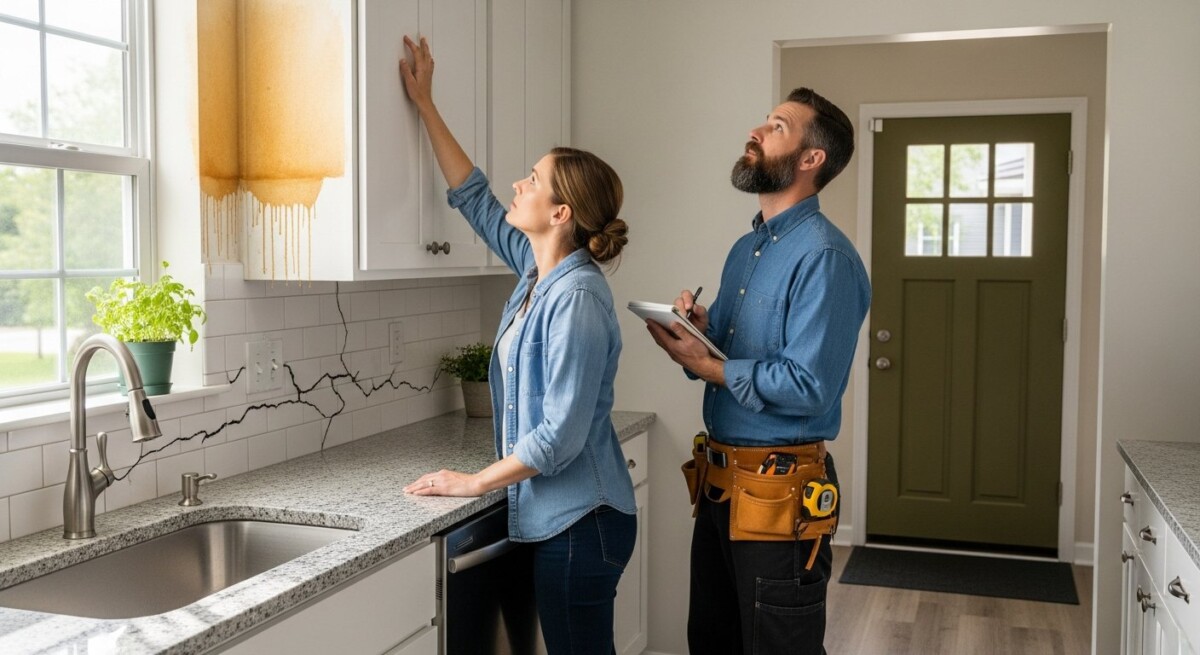
You walk into your living room and notice a crack in the ceiling that wasn’t there last month. The kitchen cabinets are sticking, the bathroom tile is lifting, and the hallway light flickers every time you flip the switch. Little by little, your home starts to feel less like a sanctuary and more like a growing to-do list. If this sounds familiar, you may be facing what contractors call a full house renovation,a project that updates or repairs multiple areas of your home at once.
Many homeowners discover the need for a full house renovation gradually. One repair leads to another, and soon you realize the entire house needs attention. The risk of ignoring these signs is real: small problems can turn into costly emergencies, and outdated systems can compromise your family’s safety and comfort. Understanding what a full house renovation involves is the first step toward making your home safe, efficient, and enjoyable again.
Understanding Full House Renovation
A full house renovation is a comprehensive project that updates multiple rooms or systems in your home,often all at once. Unlike a single-room remodel, this approach addresses the whole property, from the foundation to the roof. It typically includes structural repairs, updated plumbing and electrical systems, new flooring, fresh paint, and modern fixtures throughout the house.
Homes that are 20 years or older commonly need a full renovation because building materials wear out over time. Older homes may also have outdated wiring, inefficient windows, or aging plumbing that no longer meets current safety standards. A full renovation brings everything up to code and gives your home a fresh start.
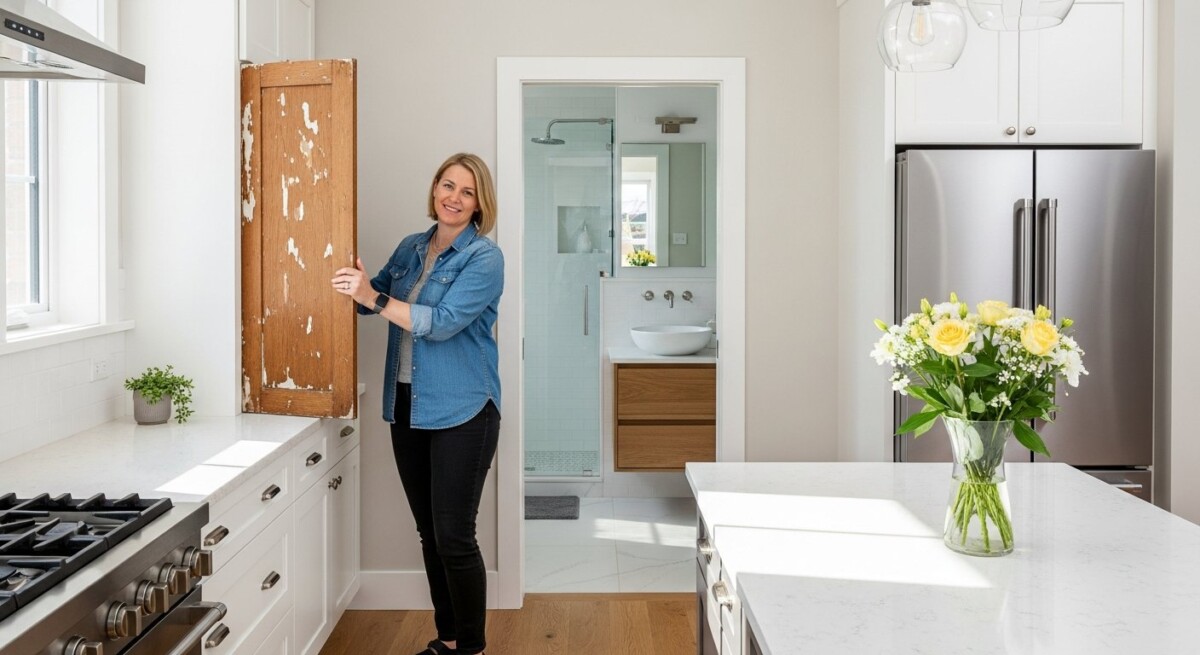
Some homeowners choose a full renovation when they buy an older property and want to customize it. Others decide to renovate when they plan to stay in their home long-term and want to improve comfort and energy efficiency. No matter the reason, a full house renovation is a major investment that pays off in safety, livability, and property value.
Why This Matters for Your Home
Neglecting the need for a full house renovation can lead to serious consequences. Water leaks from old pipes can cause mold growth, which affects indoor air quality and your family’s health. Faulty electrical wiring is a fire hazard. Drafty windows and poor insulation make your heating and cooling system work harder, driving up energy bills month after month.
Delaying repairs also increases costs. What starts as a small roof leak can rot the underlying wood, damage insulation, and eventually require a full roof replacement. A cracked foundation wall can worsen over time, leading to expensive structural repairs. The longer you wait, the more extensive,and expensive,the work becomes.
Beyond safety and cost, an outdated home can feel uncomfortable and stressful. Rooms that are dark, cramped, or poorly laid out affect your daily life. A full house renovation solves these problems by creating a space that works for how you actually live.
If you notice signs of this issue in your home, it may help to speak with a qualified contractor. Request a free quote or call (480) 418-8846 to explore your repair or remodeling options.
Common Problems Homeowners Experience
Homeowners often report a mix of issues that point to the need for a full house renovation. One of the most common problems is outdated electrical systems that can’t handle modern appliances. You might notice frequent breaker trips, dimming lights, or outlets that feel warm to the touch.
Another frequent issue is water damage from old plumbing. Leaky pipes behind walls cause stains on ceilings and walls, musty odors, and even warped flooring. In bathrooms, cracked tiles and grout let moisture seep into subfloors, leading to rot and mold. These problems often appear in multiple rooms at once, making a room-by-room approach inefficient.
- Outdated electrical panels and insufficient outlets for modern devices
- Leaky or corroded plumbing causing water stains and low water pressure
- Cracked or uneven flooring from moisture damage or settling
- Drafty single-pane windows that increase energy bills
- Worn-out roofing or siding that allows water intrusion
- Old insulation that fails to keep your home comfortable year-round
How Professionals Solve the Problem
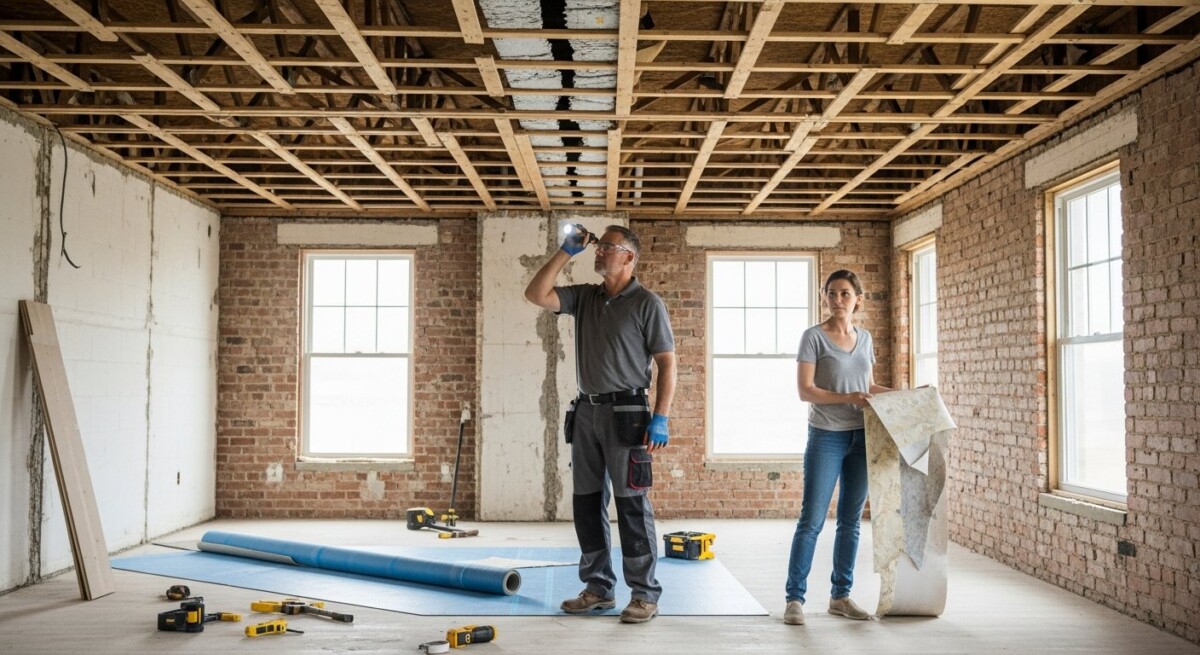
Experienced contractors approach a full house renovation with a systematic plan. They start by inspecting your entire home to identify all issues,both visible and hidden. Using specialized tools, they can detect moisture behind walls, find cracks in the foundation, and assess the condition of your electrical and plumbing systems. This thorough evaluation ensures nothing is missed.
Once the assessment is complete, the contractor creates a detailed project plan. The work typically follows a logical order: structural repairs first, then new electrical and plumbing, followed by insulation, drywall, flooring, and finally finishes like paint and fixtures. This sequence prevents damage to new materials and keeps the project on schedule.
- Inspection and planning: A full walkthrough of your home, including attic, basement, and crawl spaces.
- Demolition and removal: Tearing out old materials like carpet, cabinets, and damaged drywall.
- Structural work: Repairing or reinforcing foundation, walls, and roof framing.
- Systems upgrade: Replacing electrical wiring, plumbing pipes, and HVAC ductwork as needed.
- Insulation and drywall: Installing new insulation and hanging, taping, and finishing drywall.
- Finishing touches: Installing flooring, cabinets, countertops, trim, paint, and fixtures.
Hiring professionals for a full house renovation is safer and more reliable than doing it yourself. Licensed contractors carry insurance, pull the necessary permits, and ensure all work meets local building codes. They also have the experience to handle unexpected problems,like discovering termite damage behind a wall,without derailing the entire project.
A professional inspection can reveal hidden issues before they become expensive repairs. Compare contractor quotes here or call (480) 418-8846 to discuss your project.
Warning Signs You Should Not Ignore
Your home often gives clear signals that a full renovation is overdue. Pay attention to these warning signs, especially if you notice them in multiple areas of the house. Early action can save you thousands of dollars and prevent safety hazards.
One of the most telling signs is when repair costs start piling up across different rooms. If you’re fixing a leaky faucet one week and patching a roof leak the next, it’s time to consider a comprehensive renovation. Another red flag is when your energy bills keep rising despite regular HVAC maintenance,this often means your home’s envelope is failing.
- Frequent electrical issues like flickering lights, tripped breakers, or buzzing outlets
- Visible water stains, peeling paint, or bubbling wallpaper on walls and ceilings
- Musty smells or visible mold growth in basements, bathrooms, or closets
- Drafts near windows and doors, or rooms that are hard to heat or cool
- Sagging floors, cracked tiles, or doors that stick and don’t close properly
- Outdated fixtures that are hard to find replacement parts for
What Affects the Cost of Repairs or Installation
The cost of a full house renovation varies widely based on several key factors. The size of your home is the biggest driver,a 1,200-square-foot bungalow will cost less to renovate than a 3,000-square-foot two-story house. The scope of work also matters: replacing all windows and roofing costs more than just updating a kitchen and bathroom.
Materials play a significant role in pricing. Choosing luxury vinyl plank flooring instead of hardwood, or stock cabinets instead of custom ones, can lower your budget without sacrificing quality. Labor costs depend on your location and the complexity of the work. Homes with difficult access,like narrow staircases or tight crawl spaces,may require more time and specialized equipment.
Finally, the age of your home affects cost. Older homes often contain materials like lead paint or asbestos that must be safely removed before renovation begins. These abatement procedures add to the total price but are essential for safety. A thorough inspection will give you a clear picture of what your specific home needs.
Costs can vary depending on the condition of your home. The best way to know the price is to get a personalized estimate. Request free quotes from contractors or call (480) 418-8846 today.
How to Choose the Right Contractor
Selecting the right contractor for your full house renovation is one of the most important decisions you’ll make. A good contractor will communicate clearly, stick to the schedule, and handle unexpected issues professionally. Start by asking for recommendations from friends or neighbors who have recently completed similar projects.
Always verify that a contractor is licensed and insured. Licensing ensures they meet state requirements, and insurance protects you if someone gets injured on your property. Read online reviews on platforms like Google, Yelp, and the Better Business Bureau to learn about other homeowners’ experiences. A contractor with a history of positive feedback is more likely to deliver quality work.
- Check for a valid contractor’s license and liability insurance
- Read recent customer reviews and ask for references from past projects
- Request a detailed written estimate that breaks down materials, labor, and timeline
- Get at least three quotes to compare pricing and scope of work
- Confirm the contractor has experience with full house renovations, not just small repairs
Long-Term Benefits of Professional Work
A professionally executed full house renovation offers benefits that last for decades. Your home becomes safer with updated wiring, plumbing, and structural repairs. You’ll enjoy better indoor air quality thanks to new insulation and ventilation, and your energy bills will drop with modern windows, doors, and HVAC systems.
Durability is another major advantage. Professional contractors use high-quality materials and proper installation techniques, which means your renovation will hold up better over time. You’ll spend less on maintenance and repairs in the years following the project. Plus, a fully renovated home is more appealing to future buyers, which can significantly increase your property’s resale value.
Finally, living in a home that feels fresh, functional, and comfortable improves your quality of life. You’ll enjoy your kitchen, relax in your bathroom, and feel proud of your living spaces. A full house renovation transforms your house into the home you’ve always wanted.
How long does a full house renovation take?
The timeline depends on the size of your home and the scope of work. A typical full renovation for a 1,500-square-foot home takes between 8 and 16 weeks. Larger homes or projects involving structural changes can take 6 months or more. Your contractor will provide a detailed schedule after the initial inspection.
Can I live in my home during a full renovation?
Living in the home during a full renovation is challenging but possible for some homeowners. You’ll need to cope with noise, dust, and limited access to kitchens and bathrooms. Many families choose to stay with relatives or rent a temporary apartment for the most disruptive phases. Discuss your living situation with your contractor to plan accordingly.
Do I need permits for a full house renovation?
Yes, most full house renovations require permits from your local building department. Permits ensure that electrical, plumbing, structural, and other work meets safety codes. A licensed contractor typically pulls the permits as part of their service. Skipping permits can lead to fines and problems when you sell your home.
How much does a full house renovation cost per square foot?
Costs vary widely by region and materials, but a typical range is $50 to $150 per square foot. Basic renovations with stock materials fall on the lower end, while high-end finishes and custom work push the price higher. Getting multiple quotes will give you a realistic budget for your area.
What is the difference between a renovation and a remodel?
A renovation restores or repairs existing structures without changing their layout or function. A remodel changes the structure, layout, or purpose of a room, like turning a spare bedroom into a home office. Full house projects often combine both renovation and remodeling work.
Should I renovate room by room or all at once?
Renovating all at once is more efficient and often less expensive than doing room-by-room projects over time. You avoid duplicate costs for permits, dumpsters, and contractor mobilization. A single project also ensures consistent design and finishes throughout your home. However, the upfront cost is higher.
How do I finance a full house renovation?
Homeowners commonly use cash savings, home equity loans, or renovation loans like the FHA 203(k) to finance a full renovation. Some contractors offer financing options through third-party lenders. Compare interest rates and terms to find the best option for your budget.
A full house renovation is a big decision, but it’s one of the best investments you can make in your home. By addressing problems early and working with experienced professionals, you protect your property, your family, and your peace of mind. The key is to start with a clear plan and compare quotes from trusted contractors so you can move forward with confidence.

About Alex Carter
"*" indicates required fields