
How to Estimate Renovation Costs: A Homeowner’s Guide
"*" indicates required fields
You walk into your kitchen one morning and notice a small crack in the tile. Or maybe the bathroom faucet has been dripping for weeks, and you keep putting off the repair. These small issues are easy to ignore at first, but they can quickly grow into expensive problems. Whether you’re planning a full home remodel or just need a simple fix, understanding how to estimate renovation costs is the first step toward protecting your home and your budget.
Many homeowners discover this challenge when they receive a surprising quote from a contractor or realize their DIY estimate was far too low. Without a reliable method for how to estimate renovation costs, you risk overspending, delaying the project, or starting work you can’t finish. This article walks you through the process step by step, so you can approach your next renovation with confidence.
Understanding how to estimate renovation costs
Estimating renovation costs means calculating the total money needed for materials, labor, permits, and unexpected issues. It’s not just about adding up costs from a home improvement store. A realistic estimate accounts for the specific conditions of your home, local labor rates, and the complexity of the project.
Cost estimates vary because every home is different. Older homes may have outdated wiring or plumbing that needs updating. Newer homes might require less structural work but more specialized finishes. Learning how to estimate renovation costs helps you set a realistic budget and avoid financial surprises midway through the project.
Why homeowners struggle with cost estimation
Most homeowners underestimate the cost of renovations by 20 to 40 percent. This happens because they forget to include permit fees, disposal costs, or the price of fixing hidden damage. Without professional experience, it’s easy to miss expenses that contractors know to expect.
Why This Matters for Your Home
Ignoring the need for accurate cost estimation can lead to serious problems. If you start a renovation without a clear budget, you might run out of money before the work is finished. This can leave your home in a partially completed state, which is both unsafe and uncomfortable.
Delaying necessary repairs because you’re unsure of costs often makes the damage worse. A small leak can turn into mold growth. A cracked foundation can compromise your home’s structural integrity. The longer you wait, the more expensive the fix becomes. Knowing how to estimate renovation costs allows you to plan ahead and address issues before they escalate.
If you notice signs of this issue in your home, it may help to speak with a qualified contractor. Request a free quote or call (480) 418-2260 to explore your repair or remodeling options.
Common Problems Homeowners Experience
Homeowners often face the same challenges when trying to estimate renovation costs. They may find that contractor quotes vary widely, which can be confusing. It’s also common to discover unexpected issues once the project begins, such as water damage behind walls or outdated electrical systems.
Another frequent problem is underestimating the cost of materials. Prices for lumber, tile, and fixtures have increased in recent years. Without up-to-date information, your initial estimate may be far below the actual cost.
- Receiving quotes that differ by thousands of dollars
- Discovering hidden damage after demolition begins
- Underestimating the cost of permits and inspections
- Overlooking disposal and clean-up fees
- Forgetting to include labor for specialized trades
- Realizing too late that your budget doesn’t cover finishes you want
How Professionals Solve the Problem
Professional contractors have years of experience estimating renovation costs accurately. They know what to look for during an inspection and can identify potential issues before work begins. This reduces the risk of surprise expenses and helps you stay on track.
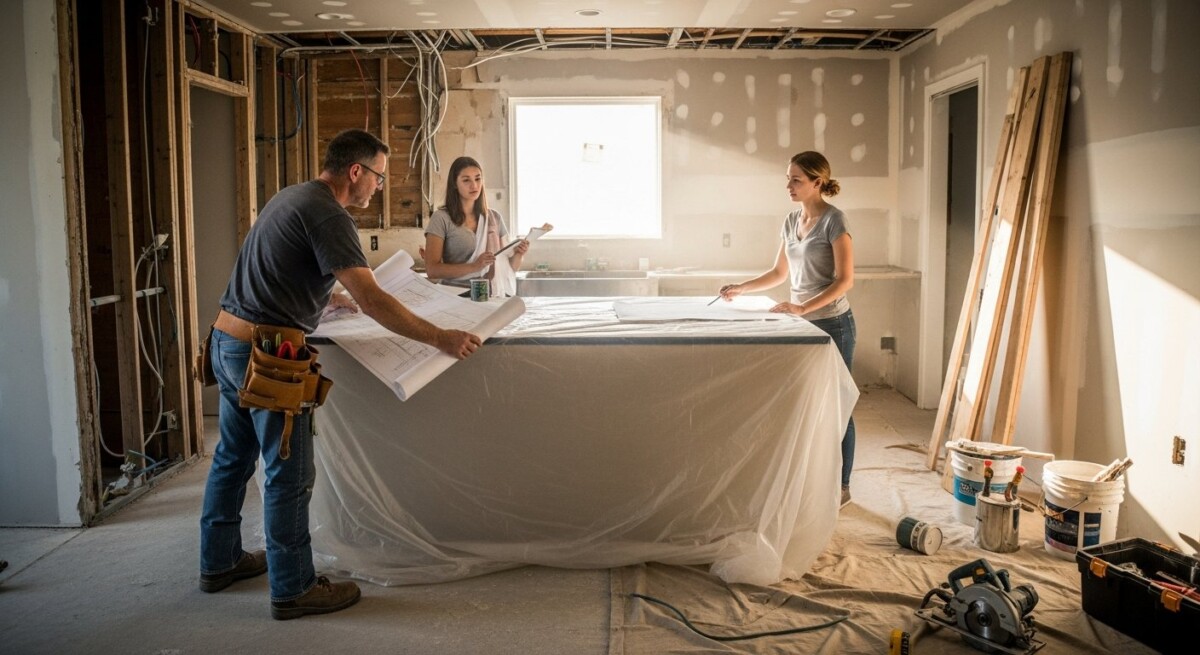
When you work with a contractor, the process typically follows a clear structure. First, the contractor visits your home to assess the scope of work and measure the space. Next, they review material options and labor requirements. Finally, they provide a detailed written estimate that breaks down every cost.
- On-site inspection to evaluate existing conditions
- Discussion of your goals, timeline, and budget
- Selection of materials and finishes
- Preparation of a detailed cost breakdown
- Review of permits and code requirements
- Final quote with payment schedule and timeline
Professional work is often safer and more reliable than DIY fixes. In our guide on bathroom makeover on a budget: renovation costs demystified, we explain how to balance quality with affordability. Contractors also carry insurance, which protects you if something goes wrong. Attempting a complex renovation yourself can lead to costly mistakes that require professional correction.
A professional inspection can reveal hidden issues before they become expensive repairs. Compare contractor quotes here or call (480) 418-2260 to discuss your project.
Warning Signs You Should Not Ignore
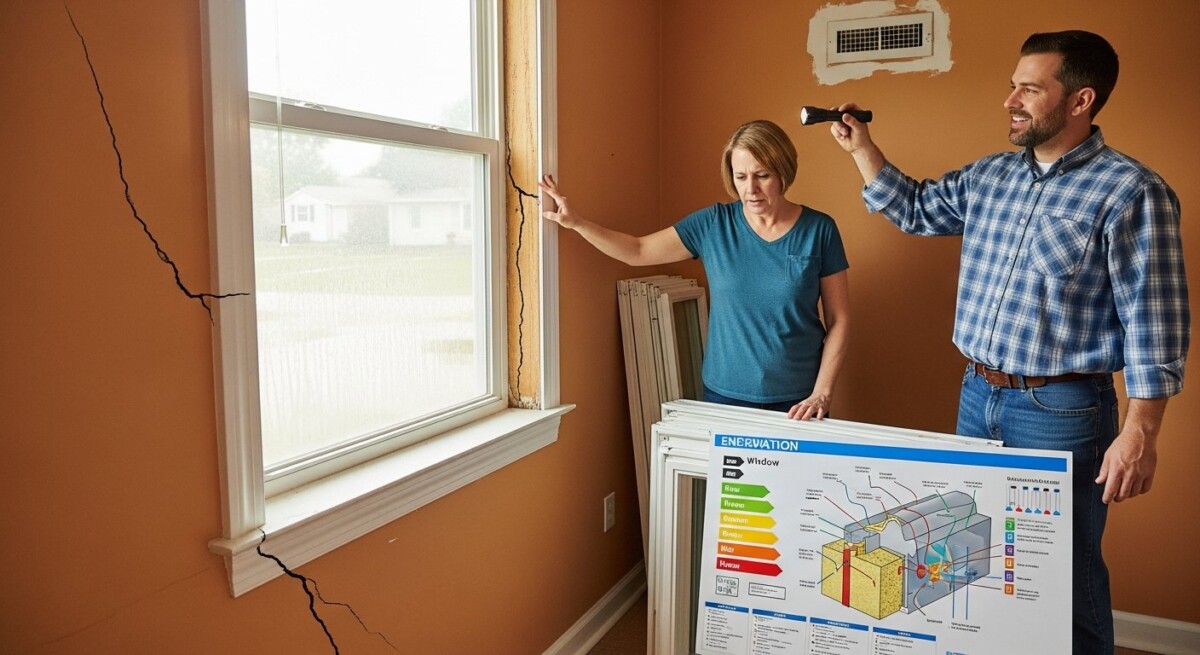
Recognizing early warning signs can save you thousands of dollars. If you notice water stains on the ceiling, cracks in the foundation, or windows that won’t open properly, these are signs that repairs may be needed. Ignoring them often leads to more extensive damage and higher costs.
Other warning signs include unusually high energy bills, musty odors, or floors that feel uneven. These issues may indicate problems with insulation, plumbing, or the structure of your home. Addressing them early keeps your renovation project on schedule and within budget.
- Water stains or peeling paint on walls or ceilings
- Musty or moldy smells in basements or bathrooms
- Doors or windows that stick or don’t close properly
- Visible cracks in walls, ceilings, or foundation
- Unexplained increases in heating or cooling costs
- Squeaky or uneven floors
What Affects the Cost of Repairs or Installation
The cost of any renovation project depends on several factors. The size of the room or area being renovated is one of the biggest drivers of cost. A small bathroom remodel costs less than a full kitchen renovation simply because there is less material and labor involved.
Material choices also play a major role. Luxury finishes like marble countertops or custom cabinetry cost significantly more than standard options. The accessibility of the work area matters too,projects on upper floors or in tight spaces often require more labor time.
In our article on why renovation costs increase: a homeowner’s guide, we break down additional factors like permit fees, seasonal demand, and the age of your home. Understanding these variables helps you prepare a more accurate estimate and avoid surprises.
Costs can vary depending on the condition of your home. The best way to know the price is to get a personalized estimate. Request free quotes from contractors or call (480) 418-2260 today.
How to Choose the Right Contractor
Selecting the right contractor is essential for a successful renovation. Start by asking for recommendations from friends or neighbors who have completed similar projects. Online reviews and ratings on trusted platforms can also help you narrow down your options.
Once you have a shortlist, take time to verify each contractor’s credentials. A reliable contractor will be happy to provide proof of insurance and licensing. Comparing multiple quotes also helps you understand what a fair price looks like for your project.
- Verify that the contractor is licensed and insured in your state
- Read reviews on Google, Yelp, or the Better Business Bureau
- Ask for at least three detailed written estimates
- Confirm experience with projects similar to yours
- Request references and follow up with past clients
Long-Term Benefits of Professional Work
Investing in professional renovation work pays off over time. High-quality materials and proper installation improve the safety and comfort of your home. You’ll also enjoy better energy efficiency, which lowers your monthly utility bills.
Professional renovations also increase your home’s resale value. Buyers are willing to pay more for a home with updated kitchens, bathrooms, and energy-efficient systems. Additionally, professional work comes with warranties that protect you if something goes wrong after the project is complete.
Reduced maintenance is another long-term benefit. When work is done correctly the first time, you spend less time and money on future repairs. This makes professional renovation a smart financial decision for any homeowner.
How do I estimate renovation costs for my home?
Start by measuring the area you want to renovate and listing all the materials and finishes you need. Research local labor rates and add 15 to 20 percent for unexpected issues. Getting multiple quotes from contractors is the most reliable way to create an accurate estimate.
What is the biggest factor affecting renovation costs?
Labor is typically the largest expense in any renovation, accounting for 40 to 60 percent of the total cost. Material prices, project complexity, and your location also significantly influence the final estimate.
How much should I budget for a kitchen remodel?
A minor kitchen remodel costs between $10,000 and $25,000, while a major renovation can range from $30,000 to $70,000 or more. The final cost depends on cabinet quality, countertop materials, and whether you move plumbing or electrical fixtures.
Should I get multiple renovation quotes?
Yes, you should get at least three quotes from licensed contractors. Comparing quotes helps you understand the market rate for your project and identify any outliers that seem too high or too low.
Can I use an online renovation cost calculator?
Online calculators can give you a rough idea of costs, but they are not accurate enough for budgeting. They don’t account for your home’s specific conditions, local labor rates, or hidden issues that may arise during demolition.
What is the biggest mistake homeowners make when estimating costs?
The most common mistake is forgetting to include permit fees, disposal costs, and a contingency fund for unexpected repairs. Many homeowners also underestimate the cost of labor and high-quality materials.
How do I know if a contractor’s quote is fair?
Compare the quote to at least two other estimates from licensed contractors. Look for a detailed breakdown of materials, labor, and timeline. A fair quote should be within 10 to 15 percent of the average of all quotes you receive.
Is it worth hiring a contractor for small renovations?
Even small renovations benefit from professional expertise. A contractor can spot potential problems early, ensure work meets building codes, and complete the job faster than a DIY approach. This often saves you money in the long run.
Estimating renovation costs doesn’t have to be overwhelming. By understanding the key factors, watching for warning signs, and working with experienced professionals, you can protect your home and your budget. The best time to address a renovation is before small problems become major expenses. Start by comparing contractor quotes to see what your project will really cost.

About Alex Carter
"*" indicates required fields