
Whole Home Transformation: A Practical Guide for Homeowners
"*" indicates required fields
You walk into your living room and notice a crack snaking up the wall. In the kitchen, one cabinet door hangs crooked. The bathroom tile feels cold and dated, and the hallway carpet shows years of wear. These small imperfections start as minor annoyances, but over time they add up to something bigger: a home that no longer feels comfortable, safe, or efficient. This is exactly when a whole home transformation becomes a smart solution rather than a luxury. Instead of patching problems one at a time, you can address them together, saving money, stress, and future headaches.
Understanding Whole Home Transformation
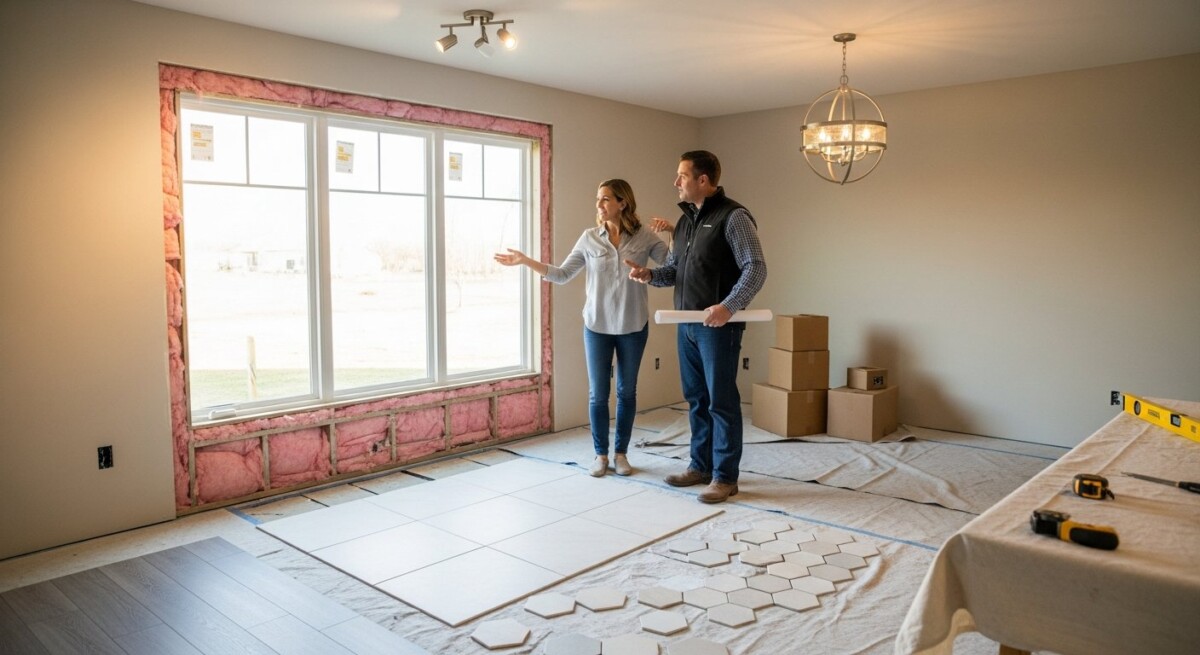
A whole home transformation is a coordinated approach to updating, repairing, or remodeling multiple areas of your house at once. It might include replacing old windows, upgrading insulation, remodeling a bathroom, refreshing kitchen cabinets, or installing new flooring. The goal is to improve the function, safety, and appearance of your entire living space, not just one room.
This kind of project often happens when a home is 15 to 30 years old, though any house can benefit. Systems wear out, styles change, and family needs evolve. What worked when you moved in may no longer serve your daily life. A whole home transformation addresses these shifts in a single, planned effort rather than through scattered repairs over years.
Homes most affected are those with outdated materials, inefficient energy systems, or visible wear from age. If your house feels tired, drafty, or cramped, you are likely a good candidate for a coordinated update. The key is to work with professionals who can see the big picture and prioritize what matters most for your home and budget.
Why This Matters for Your Home
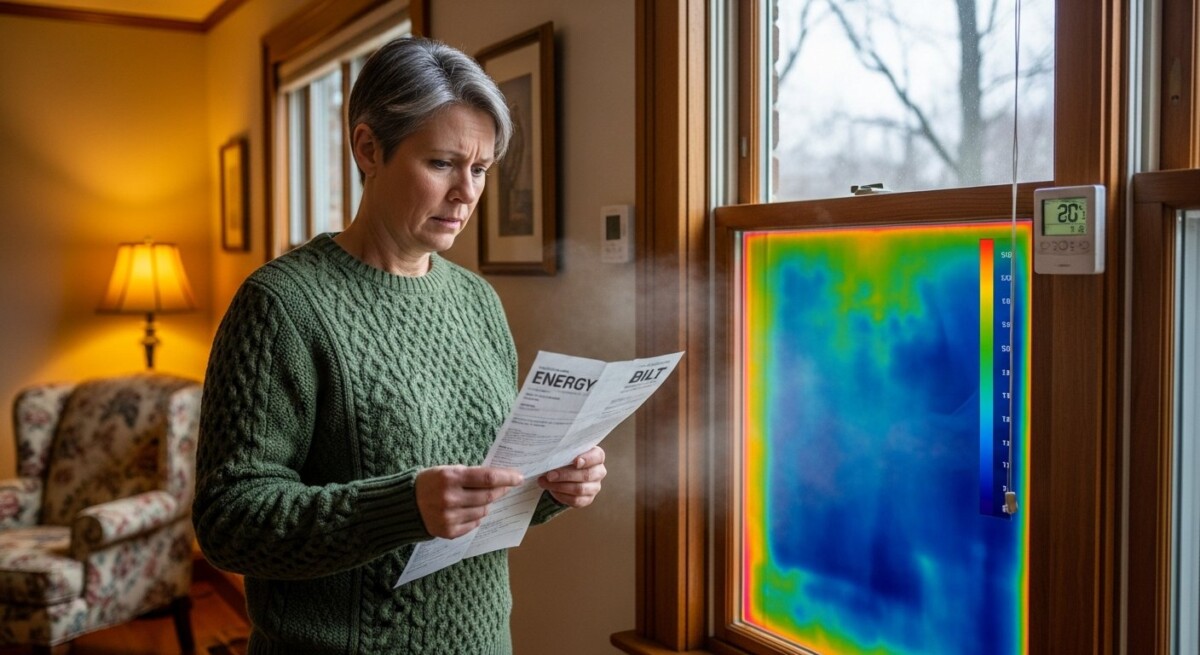
Ignoring the gradual decline of your home leads to real consequences. Small cracks can become structural issues. Old windows waste energy and drive up utility bills. Outdated bathrooms may develop hidden mold or plumbing leaks. What starts as a cosmetic problem often becomes a costly repair if left unchecked.
Safety is another major concern. Aging electrical systems, worn roofing, or unstable handrails pose risks to your family. A whole home transformation allows you to address these hazards proactively, before an accident or emergency forces a rushed, expensive fix. Protecting your property and the people inside it should always come first.
Comfort matters too. A home that is drafty in winter, stuffy in summer, or awkward to move through drains your energy and enjoyment. Investing in a coordinated upgrade makes your home more pleasant to live in every day. And when it comes time to sell, a well-maintained, updated home commands a higher price and sells faster.
If you notice signs of this issue in your home, it may help to speak with a qualified contractor. Request a free quote or call to explore your repair or remodeling options.
Common Problems Homeowners Experience
Most homeowners first notice problems in high-traffic areas. The kitchen might have worn countertops, outdated appliances, or insufficient storage. Bathrooms often show peeling paint, cracked tiles, or fixtures that leak. Living spaces may feel dark, cramped, or poorly laid out. These issues make daily routines harder and reduce your enjoyment of the home.
Structural problems are less visible but equally important. Foundation cracks, sagging floors, or windows that stick signal deeper issues. Energy inefficiency shows up in high bills and rooms that never feel comfortable. Aging plumbing can cause water damage behind walls before you see a single drop.
Common issues include:
- Outdated or damaged flooring, such as worn carpet, scratched hardwood, or broken tile
- Drafty windows and doors that increase energy costs
- Kitchens with insufficient counter space, poor layout, or failing appliances
- Bathrooms with cracked fixtures, poor ventilation, or mold growth
- Inadequate lighting that makes rooms feel dark or uninviting
- Worn roofing or siding that compromises protection from the elements
How Professionals Solve the Problem
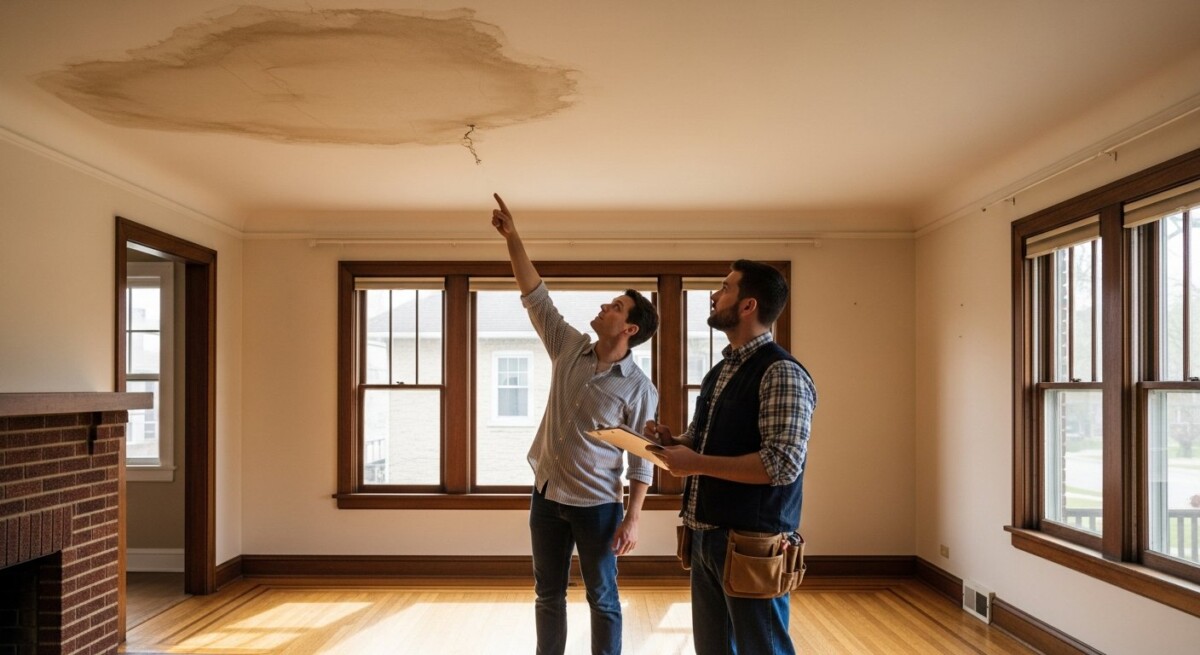
Experienced contractors begin with a thorough inspection of your home. They assess the condition of major systems, identify hidden damage, and listen to your goals. This assessment forms the basis of a plan that prioritizes safety, efficiency, and your budget. Instead of guessing, professionals use their training to find root causes and address them correctly.
A typical whole home transformation follows a structured process:
- Initial consultation and inspection: A contractor walks through your home, takes measurements, and discusses your priorities. They may use tools like moisture meters or thermal cameras to find hidden issues.
- Design and planning: You work together to select materials, finishes, and layouts. The contractor provides a detailed scope of work and timeline.
- Permitting and preparation: Professionals handle necessary permits and protect your furniture and floors. They order materials and schedule subcontractors.
- Demolition and removal: Old fixtures, flooring, or walls are carefully removed. Debris is hauled away responsibly.
- Structural and system upgrades: Repairs to framing, plumbing, electrical, or HVAC are completed. This stage ensures your home is safe and functional.
- Installation and finishing: New materials are installed, from flooring and cabinetry to lighting and trim. Final touches like painting and caulking complete the look.
- Final walkthrough and cleanup: The contractor reviews the work with you, addresses any concerns, and leaves your home clean and ready to enjoy.
Professional work is safer and more reliable than DIY because contractors carry insurance, know building codes, and have experience handling unexpected problems. They also have access to high-quality materials and tools that most homeowners do not. In our guide on installing light fixtures, we explain how proper installation affects both safety and aesthetics,a small example of why professional expertise matters for your entire home.
A professional inspection can reveal hidden issues before they become expensive repairs. Compare contractor quotes here or call to discuss your project.
Warning Signs You Should Not Ignore
Your home sends signals when it needs attention. Learning to recognize these early warnings can save you thousands of dollars and prevent emergencies. Many problems start small but grow quickly when ignored. Pay attention to changes in how your home looks, feels, and performs.
Early detection gives you the advantage of time. You can plan the work around your schedule, compare quotes, and choose the best contractor. When you wait until something breaks, you are forced into hasty decisions and often pay a premium for emergency service.
Warning signs that suggest repairs may be needed:
- Cracks in walls, ceilings, or foundations that widen over time
- Windows or doors that stick, rattle, or let in drafts
- Water stains, musty odors, or peeling paint that indicate moisture problems
- Higher energy bills without a change in usage habits
- Uneven floors or sagging rooflines that suggest structural movement
- Outdated electrical outlets, flickering lights, or frequently tripped breakers
What Affects the Cost of Repairs or Installation
Several factors influence the total cost of a whole home transformation. The size of your home is the most obvious: larger spaces require more materials and labor. The scope of work also matters. Replacing all windows costs more than painting a few rooms, but the long-term energy savings often offset the initial investment.
Material choices significantly affect pricing. Premium flooring, custom cabinetry, and energy-efficient windows cost more upfront but last longer and add more value. Labor costs vary by region and the complexity of the work. Older homes often require additional structural repairs or asbestos abatement, which adds time and expense. Accessibility also plays a role; a bathroom on the second floor may require more effort than one on the main level.
Your home’s age and condition matter too. A house built in the 1970s may need updated wiring or plumbing, while a newer home might only need cosmetic refreshes. The best way to understand your specific costs is to get a personalized estimate from a local contractor who can inspect your property.
Costs can vary depending on the condition of your home. The best way to know the price is to get a personalized estimate. Request free quotes from contractors or call today.
How to Choose the Right Contractor
Finding the right contractor is one of the most important decisions you will make during a whole home transformation. A good contractor communicates clearly, shows up on time, and delivers quality work. A poor choice can lead to delays, budget overruns, and frustration. Take your time to research and compare options.
Start by asking for recommendations from neighbors or friends who have had similar work done. Online reviews on platforms like Google, Yelp, or the Better Business Bureau provide insight into a contractor’s reputation. Once you have a shortlist, interview each candidate and ask about their experience with whole home projects specifically.
Tips for selecting the right contractor:
- Verify licenses and insurance: Ensure the contractor is licensed in your state and carries general liability and workers’ compensation insurance.
- Read customer reviews: Look for consistent feedback about quality, communication, and timeliness.
- Ask for detailed estimates: A good estimate breaks down materials, labor, permits, and timeline. Avoid vague quotes.
- Compare multiple quotes: Get at least three estimates to understand the market rate and identify outliers.
- Confirm experience with similar projects: Ask for photos or references from whole home transformations they have completed.
Long-Term Benefits of Professional Work
Investing in a whole home transformation pays dividends for years. Professionally completed work lasts longer and performs better than patchwork repairs or DIY efforts. You gain peace of mind knowing that your home is safe, efficient, and built to modern standards. This is especially true for critical systems like electrical, plumbing, and roofing.
Energy efficiency is one of the most immediate benefits. New windows, better insulation, and updated HVAC systems reduce monthly bills and make your home more comfortable in every season. Many homeowners see a return on investment within a few years through lower utility costs alone. Additionally, professional installations often come with warranties that protect your investment.
Home value is another major advantage. Real estate experts consistently report that updated kitchens, bathrooms, and energy-efficient features increase resale value. A well-executed whole home transformation can recoup 60 to 80 percent of its cost at sale, according to industry data. But even if you never sell, the daily enjoyment of a beautiful, functional home is priceless. For more on how thoughtful updates improve your living space, see our article on shedding light on home transformation.
What is a whole home transformation?
A whole home transformation is a coordinated remodeling project that updates multiple areas of your house at once. It often includes replacing flooring, remodeling kitchens and bathrooms, upgrading windows, and improving energy efficiency. The goal is to improve safety, comfort, and value across your entire home.
How long does a whole home transformation take?
The timeline depends on the scope of work and size of your home. A partial transformation covering two or three rooms might take four to eight weeks. A full home renovation can take three to six months or longer. Your contractor will provide a detailed schedule after the initial inspection.
How much does a whole home transformation cost?
Costs vary widely based on home size, materials, and location. A minor refresh might start around $15,000, while a comprehensive renovation can exceed $100,000. Getting multiple quotes from licensed contractors is the best way to understand pricing for your specific project.
Do I need permits for a whole home transformation?
Most major renovations require permits, especially when you alter structural elements, electrical systems, or plumbing. A reputable contractor will handle the permitting process for you. Working without permits can lead to fines and problems when selling your home.
Can I live in my home during the renovation?
It depends on the scope of work. For partial transformations, you can usually stay in your home with some inconvenience. Full renovations that affect kitchens, bathrooms, or HVAC systems may require temporary relocation. Discuss this with your contractor during planning.
What is the first step in a whole home transformation?
The first step is a professional inspection and consultation. A contractor walks through your home, identifies issues, and discusses your goals. This assessment forms the basis for a detailed plan and estimate. We recommend comparing quotes from at least three contractors before starting.
How do I finance a whole home transformation?
Many homeowners use home equity loans, personal loans, or renovation mortgages. Some contractors offer financing options through third-party lenders. Discuss your budget with your contractor and explore financing before signing a contract.
What should I look for in a contractor?
Look for a licensed, insured contractor with experience in whole home projects. Check reviews, ask for references, and get detailed written estimates. A good contractor communicates clearly, answers your questions, and provides a realistic timeline.
Your home is one of your largest investments, and keeping it in good condition protects both your family and your finances. A whole home transformation addresses problems early, improves daily comfort, and adds lasting value. Instead of waiting for small issues to become emergencies, take a proactive approach. Compare quotes from qualified contractors to find the right team for your project, and start enjoying the home you deserve.

About Alex Carter
"*" indicates required fields