
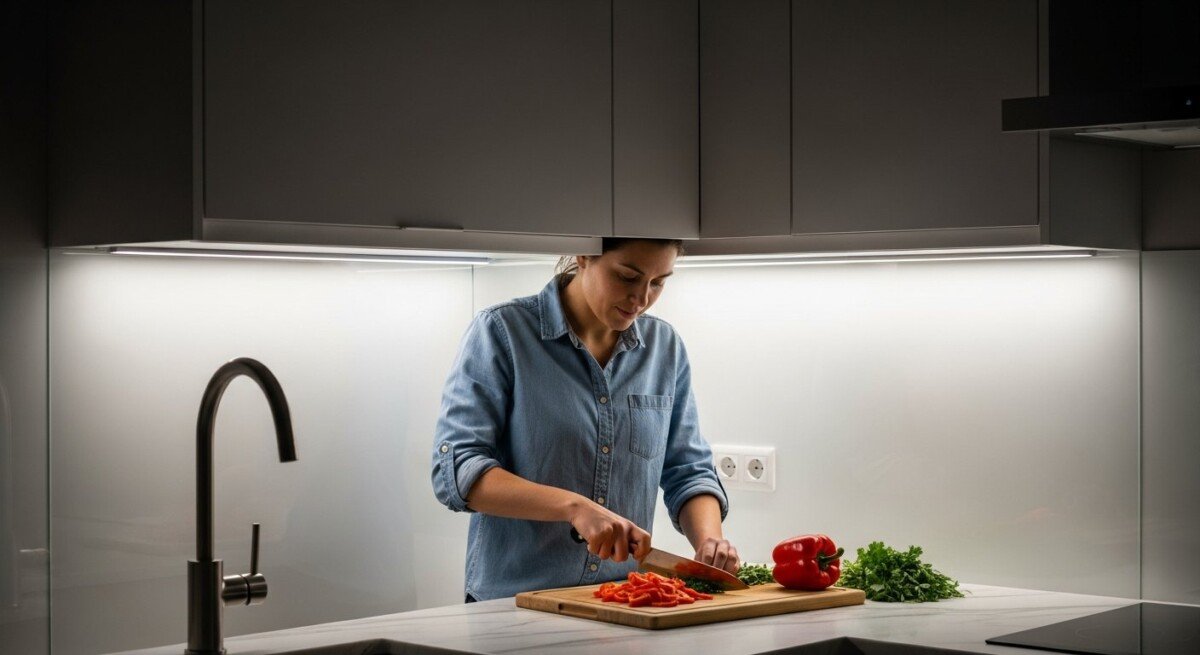
Under Cabinet Lighting: A Practical Guide for Homeowners
A practical guide to under cabinet lighting for homeowners, covering benefits, common problems, and why professional installation ensures safety, functionality, and lasting value.

By Alex Carter
Learn more about Exterior Painting for guides, costs, and what to expect.
Compare Exterior Painting Pros Near You

Enter your ZIP code to compare top-rated local professionals and request free quotes.
You’re chopping vegetables for dinner, and your shadow falls right across the cutting board. You squint, trying to see if the chicken is cooked through, but the light from the ceiling fixture just doesn’t reach. This daily frustration is a common problem in many kitchens and bathrooms, and it’s exactly what under cabinet lighting is designed to solve. More than just a convenience, proper task lighting can transform how you use your space, but choosing and installing it involves important decisions about wiring, placement, and fixtures. Ignoring these details can lead to poor results, potential safety issues with electrical work, or even damage to your beautiful cabinetry.
Understanding Under Cabinet Lighting
Under cabinet lighting is exactly what it sounds like: light fixtures installed on the underside of your upper kitchen or bathroom cabinets. Their primary job is to cast light downward onto your countertops, eliminating shadows and providing clear, focused light for tasks like food prep, reading recipes, or applying makeup.
This type of lighting isn’t a luxury; it’s a fundamental layer of good kitchen design. While overhead lights illuminate the whole room, they often leave your workspace in a shadow. Under cabinet lights fill in that gap, creating a safer and more functional environment. They come in various types, from simple plug-in pucks to hardwired linear strips, each with different benefits for brightness, energy use, and color quality.
Wired vs. Wireless: What’s the Difference?
The biggest distinction in under cabinet lighting is how it gets power. Hardwired systems are connected directly to your home’s electrical circuit, offering a clean, permanent look with no visible cords. Wireless or plug-in systems use an outlet, which can be easier to install but may leave you managing visible power cords. A professional can help you decide which system best fits your home’s layout and your goals.
Why This Matters for Your Home
Getting your under cabinet lighting right impacts your home in several meaningful ways. First and foremost, it’s a major safety upgrade. Proper lighting reduces eye strain and the risk of accidents with knives or hot appliances by ensuring you can see your workspace clearly.
Beyond safety, it protects your investment. Quality installation prevents damage to your cabinets from improper mounting or heat from certain bulb types. It also significantly enhances your home’s functionality and perceived value. A well-lit kitchen feels more inviting and spacious, a feature future buyers will notice and appreciate.
If you notice signs of this issue in your home, it may help to speak with a qualified contractor. Request a free quote or call to explore your repair or remodeling options.
Common Problems Homeowners Experience
Many homeowners start with a DIY under cabinet lighting kit, only to run into predictable issues. The most common problem is inadequate lighting,a few dim puck lights spaced too far apart that still leave dark spots on the counter. This defeats the entire purpose of the installation.
Other frequent frustrations include visible, dangling power cords that ruin the sleek look of your kitchen, lights that are too harsh or cast a strange color (making food look unappetizing), or switches placed in inconvenient locations. These problems often stem from a lack of planning regarding light placement, electrical access, and fixture type.
- Inconsistent brightness and dark spots on countertops.
- Visible, messy power cords running from outlets to fixtures.
- Lights that are too “cool” (blue) or too “warm” (yellow), affecting how colors look.
- Flickering lights or fixtures that burn out quickly.
- Switches located awkwardly behind appliances or inside cabinets.
- Damage to cabinet finish from adhesive tapes or improper mounting.
How Professionals Solve the Problem
A professional electrician or remodeling contractor approaches under cabinet lighting as a complete system, not just a set of fixtures. They start by assessing your specific kitchen layout, your cabinetry, and how you use the space. This planning phase is crucial for avoiding the common pitfalls of DIY projects.
They ensure the electrical work is safe and up to code, which is vital when dealing with wiring near sinks and appliances. Professionals have the tools and expertise to hide wires seamlessly, often running them through the walls or cabinets for an invisible, built-in look. They also understand how to select the right color temperature and brightness for a functional and pleasant atmosphere, integrating your new lighting with your existing smart home automation system if desired.
- Consultation & Planning: Discuss your needs, evaluate the space, and design a lighting plan that covers all work areas evenly.
- Electrical Assessment: Determine the best power source, ensure circuit capacity, and plan for switch placement.
- Professional Installation: Safely run wiring, mount fixtures securely without damaging cabinets, and connect to switches or dimmers.
- System Testing & Adjustment: Power up the system, adjust light levels, and ensure all controls work smoothly.
A professional inspection can reveal hidden issues before they become expensive repairs. Compare contractor quotes here or call to discuss your project.
Warning Signs You Should Not Ignore
If you already have under cabinet lighting, it’s important to know when it might need an update or repair. Older lighting, especially fluorescent tubes or early-generation LED strips, can become inefficient, dim, or start to fail. These are signs it’s time for a modern, energy-efficient upgrade.
Ignoring these signs means you’re living with subpar lighting and potentially wasting energy. More seriously, any sign of electrical trouble,like frequent bulb blowouts, buzzing sounds, or flickering that coincides with using another appliance,should be addressed immediately for safety.
- Your current under cabinet lights are dim, flicker, or don’t turn on at all.
- You have to use the bright overhead light to see tasks clearly.
- The light color makes your countertops or food look strange or unappealing.
- You notice buzzing, humming, or a burning smell from the fixtures.
- The installation looks messy, with visible wires or fixtures coming loose.
- Your system is over 10 years old and uses outdated technology.
What Affects the Cost of Repairs or Installation
The cost of installing new under cabinet lighting isn’t one-size-fits-all. Several key factors influence the final price, starting with the scope of the project. Are you adding lights to a small kitchenette or a large, U-shaped kitchen with an island? More linear feet of lighting means more materials and labor.
The type of fixtures you choose (basic LED strips vs. high-end, dimmable linear lights) and the complexity of the electrical work are major cost drivers. If your cabinets are already finished and installed, an electrician may need to do more careful work to hide wiring, which can take more time than wiring during a full kitchen remodel. Accessibility to power sources, similar to considerations in understanding and fixing plumbing pressure problems, can also impact the project’s complexity and cost if new circuits need to be run.
Costs can vary depending on the condition of your home. The best way to know the price is to get a personalized estimate. Request free quotes from contractors or call today.
How to Choose the Right Contractor
Selecting the right professional is critical for a successful outcome. Look for a licensed electrician or a remodeling contractor with specific experience in cabinet lighting installations. They should understand both the electrical requirements and the finish details that make the project look built-in, not tacked-on.
Always ask for references and look at photos of their past work. A trustworthy contractor will be happy to provide this and will also pull any necessary permits for the electrical work, which is a sign they do things by the book. This protects you and ensures the work meets local safety codes.
- Verify they are licensed, insured, and permitted for electrical work in your area.
- Ask for examples of previous under cabinet lighting projects.
- Request a detailed, written estimate that breaks down materials and labor.
- Get quotes from 2-3 contractors to compare scope and pricing.
- Choose someone who listens to your needs and explains the process clearly.
Long-Term Benefits of Professional Work
Investing in a professional under cabinet lighting installation pays off for years to come. A properly installed system is safe, reliable, and durable. You won’t be dealing with flickering lights or failing fixtures every few months. The improved lighting quality makes your kitchen more enjoyable to use every single day.
From a financial perspective, modern LED lighting is highly energy-efficient, saving you money on your utility bills over its long lifespan. It also adds to your home’s appeal and market value. A well-lit, functional kitchen is a major selling point, and a clean, professional installation shows that home systems have been well-maintained. This upgrade, much like investing in solar power and net metering, is an improvement that combines daily utility with long-term value.
FAQs
How long does under cabinet LED lighting last?
Quality LED under cabinet lights can last 50,000 hours or more. For typical kitchen use, that’s often 15-20 years before you might notice a decrease in brightness. This incredible lifespan is a key reason they are the standard choice for professional installations.
Can I install under cabinet lighting myself?
Plug-in, battery-operated, or adhesive strip kits are marketed for DIY. While possible, results are often less polished, with visible cords and potential adhesion issues. For hardwired, seamless lighting that integrates with your switches, a professional is strongly recommended for safety and quality.
What is the best color temperature for kitchen task lighting?
For kitchen tasks, a neutral white light in the 3000K to 4000K (Kelvin) range is ideal. It provides bright, clear illumination without the harsh blue tone of higher temperatures or the overly yellow tone of warmer lights, making food and workspace colors appear natural.
Should under cabinet lights be dimmable?
Absolutely. Dimmability is a highly recommended feature. It allows you to have bright light for cooking and prep, then lower it to a soft glow for ambiance during cleanup or when using the kitchen as a gathering space in the evening.
How do I hide the wires for a clean look?
Professionals hide wires by running them through the wall behind the backsplash, inside the cabinets themselves, or through a dedicated channel or raceway. This requires careful planning, proper tools, and knowledge of electrical codes to do safely and effectively.
Can I add under cabinet lighting to existing cabinets?
Yes, a professional can expertly add lighting to your existing cabinets. They will assess the best way to run power, often by tapping into an existing outlet circuit and carefully routing wires to minimize visible damage and preserve the integrity of your cabinetry.
Under cabinet lighting is one of those smart upgrades that you appreciate every day. It solves a real problem, enhances safety, and makes your kitchen more beautiful and functional. If your counters are stuck in the shadows, it’s worth exploring a professional solution. Getting a few detailed quotes from qualified contractors is the best first step to understand your options, costs, and the potential to transform a key part of your home.
Learn more about Exterior Painting for guides, costs, and what to expect.
Compare Exterior Painting Pros Near You
Enter your ZIP code to compare top-rated local professionals and request free quotes.