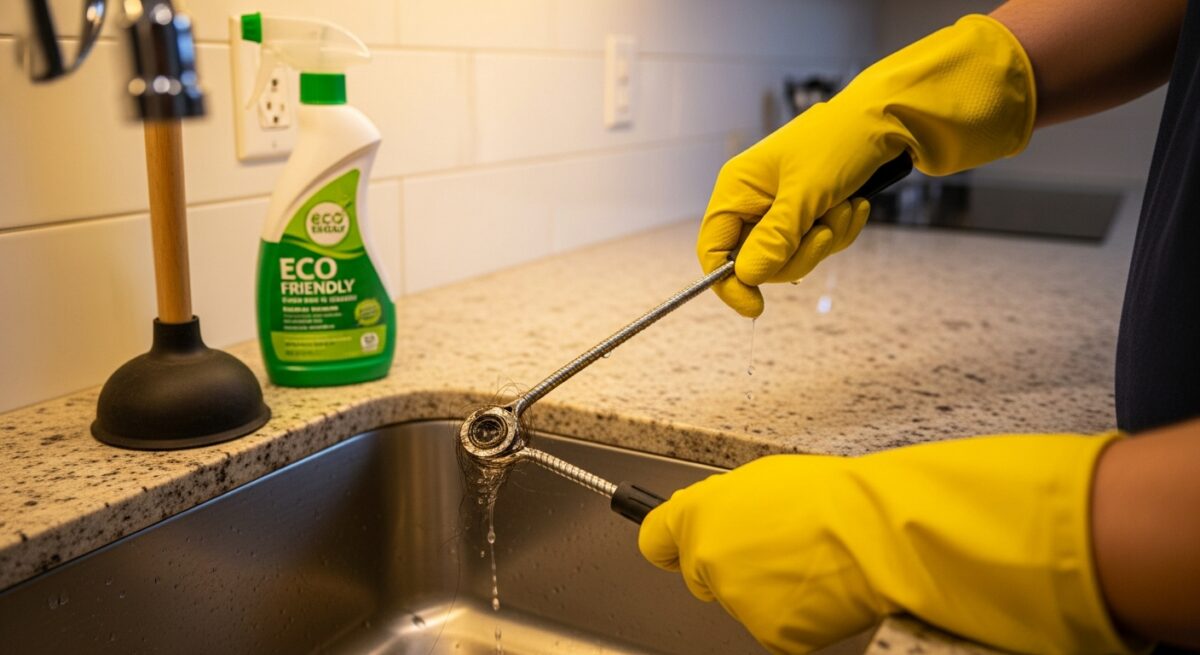
Slow Draining Sink Solutions for Your Home
"*" indicates required fields
You turn on the faucet, and instead of water whisking away, it pools around the drain. That slow, gurgling sink is more than just a minor annoyance,it’s a sign something is wrong in your pipes. From a simple hair clog to a more serious blockage deep in your plumbing, a slow drain disrupts your daily routine and can lead to bigger problems if ignored. The good news is that effective, lasting solutions are available, and understanding your options is the first step to restoring proper flow and peace of mind.
Understanding Slow Draining Sink Solutions
A slow draining sink is a common household issue, but the solution isn’t always one-size-fits-all. Effective solutions range from simple DIY methods for minor clogs to professional techniques that address stubborn blockages or underlying pipe problems. The right approach depends on accurately diagnosing the cause, which can save you time, money, and frustration.
Homeowners often start with a store-bought chemical drain cleaner or a plunger. While these can work for surface-level clogs, they sometimes fail to reach the main obstruction or can even damage older pipes. Professional solutions, on the other hand, use specialized tools and expertise to not only clear the current clog but also to identify potential issues that could cause future slowdowns.
The Goal of a True Solution
The ultimate goal isn’t just a temporary fix. A true solution restores full water flow, prevents the clog from quickly returning, and ensures no damage is done to your plumbing system in the process. This often requires looking beyond the immediate drain and considering the entire pipe run.
Why It Matters for Homeowners
Ignoring a slow drain might seem easy, but it rarely gets better on its own. What begins as a minor delay in draining can quickly escalate into a complete blockage, leaving you with a sink full of stagnant water. This standing water becomes a breeding ground for bacteria and can cause unpleasant odors to waft through your kitchen or bathroom.
Beyond the hygiene concerns, a persistently slow drain can signal more serious issues. A partial blockage creates increased pressure in your pipes, which can lead to leaks at joints or connections. Over time, this can cause water damage to cabinets, floors, and even the structural elements of your home, leading to repairs that are far more costly than addressing the drain early.
Finally, there’s the daily inconvenience and frustration. A sink that doesn’t drain properly slows down meal prep, cleaning, and personal grooming. Solving the problem quickly restores functionality to one of your home’s most-used fixtures and eliminates a persistent source of stress.
Don’t let a slow drain disrupt your day. Contact our licensed plumbers or call (555) 123-4567 for a fast, effective solution you can trust.
Common Issues and Their Causes
Most slow drains are caused by a buildup of materials that catch on pipe walls and gradually restrict water flow. The most common culprits depend on which sink in your home is affected. Understanding what’s likely causing the slowdown helps in choosing the right solution.
In bathroom sinks, the primary offender is a combination of hair, soap scum, and skin particles. Hair wraps around the stopper and drain pipe, acting as a net that catches other debris. In kitchen sinks, the issue is usually grease, oil, and food particles. Even if you use a strainer, small bits of grease can solidify inside the pipes, creating a sticky trap for other waste.
Sometimes, the problem isn’t directly in the sink drain. Issues further down the line can also manifest as a slow drain. Here are the most frequent causes:
- Hair and Soap Scum (Bathrooms): This sticky combination creates a tough, felt-like clog right below the drain opening.
- Grease and Food Waste (Kitchens): Cooking fats solidify in cool pipes, narrowing the passage for water.
- Small Objects: Jewelry, bottle caps, or children’s toys can accidentally fall down the drain and create a physical blockage.
- Mineral Buildup: In areas with hard water, minerals like calcium and lime can accumulate inside pipes, reducing their diameter over years.
- Vent Pipe Issues: Your plumbing system has vents that allow air in, enabling water to flow smoothly. If a vent is blocked, it can create suction that slows drainage.
How Professionals Fix the Problem
When a plunger or drain snake isn’t enough, professional plumbers have a suite of tools and methods to diagnose and clear stubborn clogs efficiently and safely. The process typically starts with a thorough assessment to locate the exact nature and position of the blockage before any work begins.
For most sink clogs, a professional will use a motorized drain auger, also known as a drain snake. This flexible cable is fed into the drain until it meets the obstruction. The plumber can then break up the clog or retrieve it. For deeper or more stubborn blockages, hydro-jetting is an extremely effective solution. This technique uses a high-pressure stream of water to scour the entire inside of the pipe, blasting away grease, scale, and debris, leaving the pipe clean and clear.
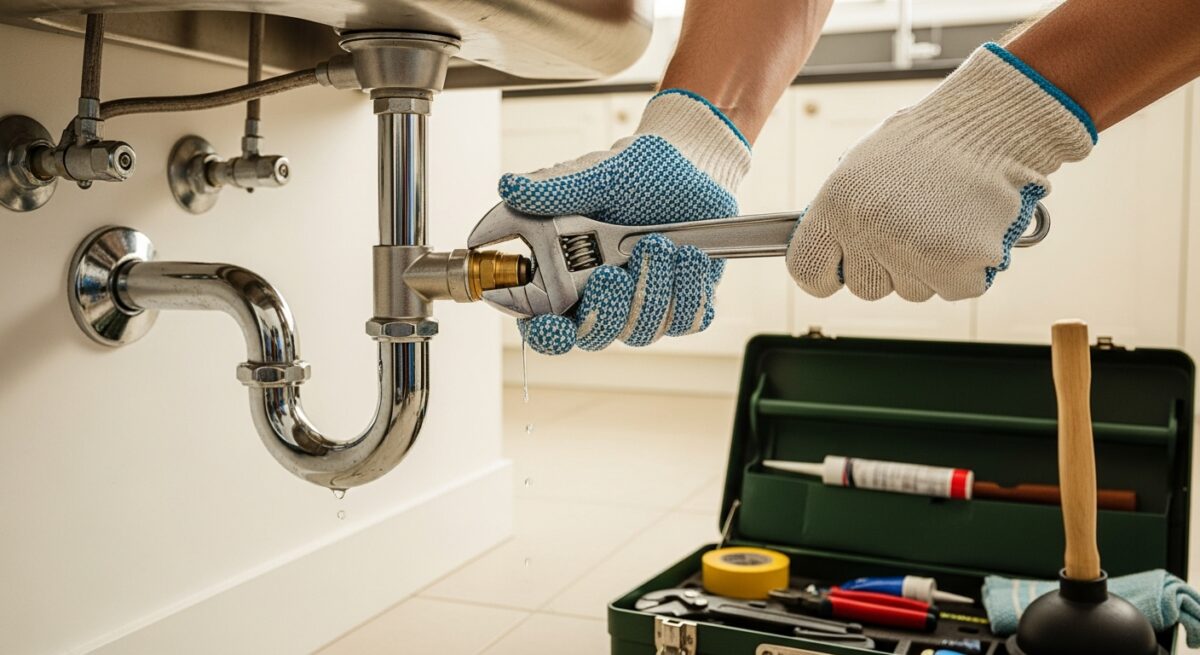
If a physical object or a severe grease clog is the issue, the professional may need to disassemble and clean the P-trap,the U-shaped pipe under your sink. This is a straightforward task for an expert, who will also check for any damage or wear on the pipes during the process. The steps are simple:
- Inspection: Assessing the sink and drain to determine the best approach.
- Access: Using the appropriate tool to reach the clog, whether through the drain opening or by accessing the P-trap.
- Clearance: Mechanically or hydraulically removing the blockage.
- Flush and Test: Running water to ensure full drainage is restored and checking for leaks.
Ready for a drain that works like new? Schedule your service online or call (555) 123-4567 for same-day availability in most areas.
Signs You Should Not Ignore
A sink that drains a little slower than usual is the first and most obvious sign. However, your plumbing system often gives other warnings that the problem is worsening or is more serious than a simple clog. Paying attention to these signs can help you call a professional before a small issue becomes a major headache.
If multiple fixtures in your home are draining slowly at the same time,like a kitchen sink and a nearby bathroom,this often indicates a blockage in the main sewer line. This is a more serious issue that requires immediate professional attention to prevent backups into your home. Gurgling sounds from the drain or toilet when you run the sink are another red flag, suggesting air is trapped in the pipes due to a blockage.
Here are key warning signs that you should not ignore:
- Water Backs Up in Other Fixtures: Flushing a toilet causes water to bubble up in the shower drain.
- Persistent Foul Odors: A constant sewer smell coming from the drain, even after cleaning.
- Frequent Clogs: The same drain clogs repeatedly every few weeks, indicating a partial blockage that keeps catching debris.
- Visible Sewage Backup: The most severe sign, requiring an emergency plumbing call.
Cost Factors and What Affects Pricing
The cost to fix a slow drain can vary, but most professional services are very affordable, especially when compared to the cost of repairing water damage from an overflow. The final price typically depends on a few straightforward factors. The primary consideration is the location and severity of the clog. A simple hair clog in the P-trap is quicker and less expensive to fix than a deep grease blockage in the main kitchen line or a collapsed pipe.
The method required for clearing the drain also affects the price. Using a standard auger is generally a standard service fee. More advanced solutions like hydro-jetting or camera inspections involve more specialized equipment and time, which will be reflected in the cost. Furthermore, if the repair needs to happen outside of normal business hours, such as on a weekend or holiday, an emergency service rate may apply.
Transparency is key. A reputable plumbing service will provide a clear, upfront estimate after a brief diagnosis. They should explain exactly what the problem is, what they plan to do to fix it, and what the total cost will be before any work begins, with no hidden fees.
Get a clear, upfront price for your drain repair. Request your free, no-obligation estimate today by calling (555) 123-4567.
How To Choose the Right Professional or Service
With many options available, selecting the right professional for your slow drain is important. You want someone who will fix the problem correctly the first time, without causing damage or overcharging. Always look for a licensed and insured plumbing company. This protects you and your home in the rare event that something goes wrong during the repair.
Check for online reviews and testimonials from past customers. A consistent record of positive feedback regarding punctuality, cleanliness, fair pricing, and effective repairs is a strong indicator of reliable service. It’s also wise to choose a company that offers a guarantee on their work, standing behind the solutions they provide.
Finally, trust your instincts during the initial call. The representative should be helpful, answer your questions clearly, and provide straightforward information about pricing and scheduling. A professional service will prioritize your understanding and comfort throughout the process.
Long-Term Benefits for Your Home
Investing in a professional solution for a slow drain does more than just solve an immediate annoyance. It contributes to the long-term health and efficiency of your entire plumbing system. A thorough cleaning with methods like hydro-jetting can remove years of buildup, potentially improving water pressure and flow throughout your home and extending the life of your pipes.
Preventing small clogs from becoming major blockages saves you from the stress, mess, and significant expense of a sewer backup. It also helps you avoid water damage to your cabinetry, floors, and walls, which can lead to mold growth and costly renovations. A well-maintained drain system is a key component of a safe, hygienic, and comfortable home.
Ultimately, the peace of mind that comes with knowing your plumbing is functioning properly is invaluable. You can use your sinks with confidence, free from the worry of unexpected overflows or escalating problems. Regular maintenance and prompt professional repairs are a smart investment in your home’s value and your family’s daily well-being.
Frequently Asked Questions
Can I use chemical drain cleaners for a slow sink?
We do not recommend them. Chemical cleaners are often ineffective on tough clogs and can damage older metal or PVC pipes, leading to leaks. They also pose safety risks to your skin and eyes. A mechanical method or professional service is safer and more effective.
How often should I have my drains professionally cleaned?
For most households, an annual preventative cleaning of kitchen and main drain lines is a good practice. If you have older plumbing, large trees near your sewer line, or experience frequent slow drains, you may need service more often.
What’s the difference between snaking and hydro-jetting?
Snaking uses a cable to puncture or grab a clog, creating a hole for water to pass. Hydro-jetting uses high-pressure water to completely clean the entire interior pipe wall, removing all debris and buildup. It’s a more comprehensive solution for greasy or scaled pipes.
Why does my sink drain slowly even when there’s no visible clog?
The clog may be deeper in the pipes, beyond the P-trap. It could also be caused by a blocked plumbing vent on your roof or a problem with the main sewer line, especially if other drains are also slow.
Is a slow drain an emergency?
A single slow sink is usually not an emergency. However, if multiple fixtures are backed up, you smell sewage, or water is overflowing, you should treat it as an emergency and call a plumber immediately to prevent property damage.
Can a slow drain fix itself?
Rarely. While water may eventually seep past a partial clog, the underlying buildup remains and will almost certainly worsen over time, leading to a complete blockage. It’s best to address it promptly.
What can I do to prevent slow drains?
Use drain strainers in all sinks, avoid pouring grease down the kitchen drain, and flush drains monthly with a mixture of hot water and baking soda/vinegar. Avoid putting coffee grounds, eggshells, or starchy foods down the disposal.
Do you offer a warranty on your drain cleaning services?
Yes, we stand behind our work. Our services include a warranty on the specific section of pipe we clear. If the same drain clogs again due to the same issue within our warranty period, we will return to address it at no extra charge.
A slow-draining sink is a problem with clear, professional solutions. By understanding the causes, recognizing the warning signs, and choosing a trusted expert to handle the repair, you can quickly restore function and protect your home from more serious damage. Don’t settle for temporary fixes or daily frustration,take action for a lasting solution.

About Alex Carter
"*" indicates required fields