
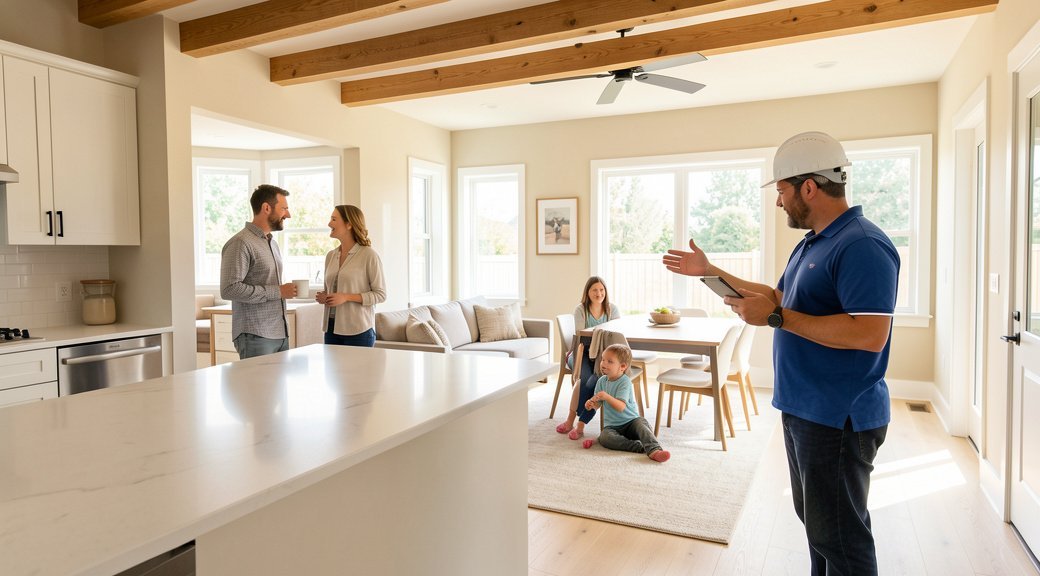
Open Floor Plan Remodeling Ideas for Your Home
Discover practical open floor plan remodeling ideas to transform your home. Learn how to create a spacious, functional layout that boosts value and improves daily living.

By Alex Carter
Learn more about Home Remodeling for guides, costs, and what to expect.
Compare Home Remodeling Pros Near You

Enter your ZIP code to compare top-rated local professionals and request free quotes.
You love the idea of a spacious, light-filled home where the kitchen flows into the living area, perfect for entertaining and keeping an eye on the kids. But your current layout feels choppy, dark, and disconnected, with walls that box you in and make daily life feel cramped. You’ve been dreaming of opening things up, but the thought of knocking down walls brings up big questions about cost, structural safety, and design. Ignoring this desire for a better living space means continuing to live in a home that doesn’t work for your lifestyle, and a poorly planned DIY attempt could lead to costly mistakes or even compromise your home’s safety and value.
Understanding Open Floor Plan Remodeling Ideas
Open floor plan remodeling is about intentionally removing barriers within your home to create a more unified and functional living space. It typically involves taking down non-structural walls between key areas like the kitchen, dining room, and living room. The goal is to improve sightlines, increase natural light, and create a versatile environment that adapts to modern living.
This approach is especially popular in older homes built with more compartmentalized rooms. By rethinking the layout, you can transform a dated, segmented house into a bright, contemporary home that feels larger and more connected. It’s not just about demolition; it’s a thoughtful redesign of how your family uses and moves through the heart of the home.
Why This Matters for Your Home
An outdated, closed-off floor plan can significantly impact your daily comfort and your home’s long-term value. It can make your home feel dark and small, hinder social interaction when you have guests, and create inefficient use of square footage. Rooms may sit empty while everyone crowds into one area, which doesn’t make sense for how we live today.
More importantly, a well-executed open concept remodel can dramatically increase your property’s market appeal and resale value. It addresses the modern buyer’s desire for spacious, multi-functional living areas. Conversely, a poorly planned renovation that ignores structural elements or fails to create a cohesive design can actually decrease your home’s value and create safety hazards.
If you notice signs that your home’s layout is holding you back, it may help to speak with a qualified contractor. Request a free quote or call to explore your repair or remodeling options.
Common Problems Homeowners Experience
When tackling an open floor plan project, homeowners often encounter unexpected challenges that go beyond simply removing drywall. One major issue is discovering load-bearing walls that are essential to the home’s structure. Removing these requires a complex and carefully engineered solution, like installing a beam, which is not a DIY project.
Another common problem is failing to plan for the new layout’s functionality. Without walls, you lose natural places for furniture, storage, and lighting. This can leave you with a vast, empty space that feels awkward rather than inviting. A professional helps you think through these practical details from the start.
- Hidden Structural Surprises: Finding electrical wiring, plumbing, or HVAC ducts inside walls you planned to remove.
- Poor Space Definition: The new open area feels like one giant, undefined room without cozy zones.
- Inadequate Lighting Plan: Loss of ceiling light locations from removed walls, creating dark spots.
- Noise and Smell Transmission: Kitchen noises and cooking odors now travel freely into the living area.
- Lost Storage: Eliminating walls often means losing closets, pantries, or built-in cabinets.
- Flooring Mismatches: Different flooring materials in the old rooms now clash in the new open space.
How Professionals Solve the Problem
A professional remodeling contractor brings the expertise to navigate the complexities of an open floor plan renovation safely and efficiently. They start by understanding your vision and then apply technical knowledge to make it a reality. Their process ensures the final result is not only beautiful but also structurally sound and built to last.
They manage the entire project, from securing necessary permits to coordinating specialized trades like electricians and carpenters. This holistic approach prevents the disjointed efforts that happen when homeowners try to manage each step themselves. For inspiration on creating functional zones within your new open space, explore our small home remodeling ideas to maximize your space.
- Consultation & Planning: They assess your home’s structure, discuss your needs, and create a detailed design plan that includes lighting, furniture placement, and traffic flow.
- Engineering & Permits: For load-bearing walls, they work with an engineer to design the proper support beam and pull all required building permits to ensure the work is legal and up to code.
- Careful Demolition: They safely remove walls while protecting the rest of your home from dust and damage, and properly reroute any utilities found within.
- Structural Installation: They expertly install any necessary beams, columns, or supports to maintain the integrity of your home.
- Finishing & Unification: They repair ceilings and walls, install consistent flooring, and implement the lighting and design plan to create a polished, cohesive look.
A professional inspection can reveal hidden issues before they become expensive repairs. Compare contractor quotes here or call to discuss your project.
Warning Signs You Should Not Ignore
How do you know if your home is a good candidate for an open floor plan remodel? Often, your daily frustrations are the biggest clues. If you constantly feel cut off from family or guests while cooking, or if your home feels dark and cramped despite having decent square footage, it’s a sign your layout is working against you.
Acting on these feelings with a well-planned renovation can prevent you from simply “making do” with a dysfunctional space. Early planning with a pro can also help you budget effectively and phase the project if needed, rather than facing a sudden, overwhelming expense down the road when you finally decide you can’t take it anymore.
- You have multiple small, rarely used rooms next to a small, heavily used kitchen.
- Natural light is blocked, making your main living areas feel dark and dreary.
- Entertaining is difficult because guests are segregated into separate rooms.
- You feel isolated when preparing meals while others are in a different room.
- Your home’s flow feels awkward, with too many doorways or hallways eating up space.
- Your furniture layout feels forced because walls are in the wrong places.
What Affects the Cost of Repairs or Installation
The cost of an open floor plan remodel can vary widely, and understanding the factors helps you set realistic expectations. The single biggest cost driver is whether the walls you want to remove are load-bearing. Installing a structural beam involves engineering, specialized materials, and skilled labor, which increases the project price significantly.
Other major factors include the size and scope of the project. Are you opening up one wall between the kitchen and living room, or reconfiguring the entire main floor? The need to move plumbing, electrical, or HVAC systems will also add cost. Finally, your choices for finishes,like new flooring throughout the entire space or custom cabinetry,will impact the final budget.
Costs can vary depending on the condition of your home. The best way to know the price is to get a personalized estimate. Request free quotes from contractors or call today.
How to Choose the Right Contractor
Selecting the right contractor is the most important decision you’ll make for your remodel. Look for a professional with specific, proven experience in open concept renovations. They should have a portfolio of before-and-after photos that show similar projects and be able to explain how they handled structural challenges.
Don’t base your decision on price alone. The lowest bid can sometimes mean cutting corners, using subpar materials, or lacking proper insurance. A trustworthy contractor will be transparent about costs, timelines, and potential challenges from the very first conversation.
- Verify Credentials: Check for a valid state license, liability insurance, and workers’ compensation coverage.
- Review Past Work: Look at online portfolios and read reviews on independent sites. Ask for references from past clients with similar projects.
- Get Detailed Estimates: A good quote is itemized, explaining costs for materials, labor, permits, and a clear payment schedule.
- Compare Multiple Quotes: Get at least three detailed estimates to understand the market rate and scope of work.
- Assess Communication: Choose someone who listens to your ideas, answers questions clearly, and makes you feel comfortable.
Long-Term Benefits of Professional Work
Investing in a professionally executed open floor plan remodel pays dividends for years to come. First and foremost, you gain peace of mind knowing the structural changes were done safely and to code, protecting your family and your investment. The quality of craftsmanship also means your new space will stand up to daily wear and tear, requiring less maintenance.
You’ll also enjoy a home that truly fits your lifestyle, enhancing daily comfort and making hosting effortless. From a financial perspective, this is one of the smartest renovations for boosting resale value, as it modernizes an older home to meet current buyer desires. Thoughtful design, like the principles discussed in our guide on shower remodel ideas to refresh your space, focuses on both beauty and long-term functionality.
How long does an open floor plan remodel typically take?
The timeline depends on the project’s complexity. A simple non-load-bearing wall removal might take 1-2 weeks. A full main floor reconfiguration involving structural beams, moving utilities, and new flooring can take 6-12 weeks. Your contractor should provide a detailed schedule upfront.
Can any wall be removed to create an open floor plan?
Not every wall can be removed. Load-bearing walls support the weight of the house above and require a structural beam to replace them. A qualified contractor can identify which walls are load-bearing and engineer the proper solution, which is why a professional assessment is crucial.
Will removing walls make my home noisier?
It can, but a professional can incorporate design solutions to manage sound. Strategies include using area rugs, soft furnishings, high ceilings, strategic furniture placement, and even specialized building materials to dampen noise between zones like the kitchen and living area.
What should I do with the empty space after walls are removed?
A good design plan, created with your contractor or designer, will define “zones” for different activities. You can use furniture arrangement, area rugs, changes in lighting, and even slight changes in ceiling height or floor level to subtly differentiate the kitchen, dining, and living spaces within the open area.
Do I need a permit to remove a wall in my house?
In almost all cases, yes. Removing walls, especially load-bearing ones, requires a building permit to ensure the work meets safety codes. A reputable contractor will handle the permit process for you, which also usually involves inspections during and after the work.
How can I add storage after removing walls?
Creative storage solutions are key. Professionals might incorporate floor-to-ceiling cabinets, kitchen islands with deep drawers, built-in shelving units that act as room dividers, or utilize under-stair spaces. Planning for storage is a critical part of the initial design phase.
Will an open floor plan increase my heating and cooling costs?
It can, as you’re conditioning one large volume of air instead of smaller, closed rooms. However, a professional can help mitigate this by ensuring your HVAC system is properly balanced for the new layout and by recommending energy-efficient solutions like zoning dampers or updated windows.
Can I remodel in phases to manage cost?
Absolutely. A good contractor can help you plan a phased approach. For example, you might tackle the structural wall removal and basic finishes first, then update flooring, lighting, and kitchen cabinetry in a later phase. This allows you to spread out the investment over time. For more on maximizing a compact area, our article on small bathroom remodel ideas for space and style offers clever strategies.
Opening up your floor plan is a transformative project that can modernize your home and dramatically improve how you live in it. By understanding the process, recognizing the signs you need a change, and partnering with a skilled professional, you can avoid costly pitfalls and achieve a beautiful, functional result. If your current layout is holding you back, the best next step is to gather information from experienced contractors. Comparing detailed quotes is a smart, no-obligation way to understand your options and move confidently toward the open, inviting home you’ve been imagining.
Learn more about Home Remodeling for guides, costs, and what to expect.
Compare Home Remodeling Pros Near You
Enter your ZIP code to compare top-rated local professionals and request free quotes.