
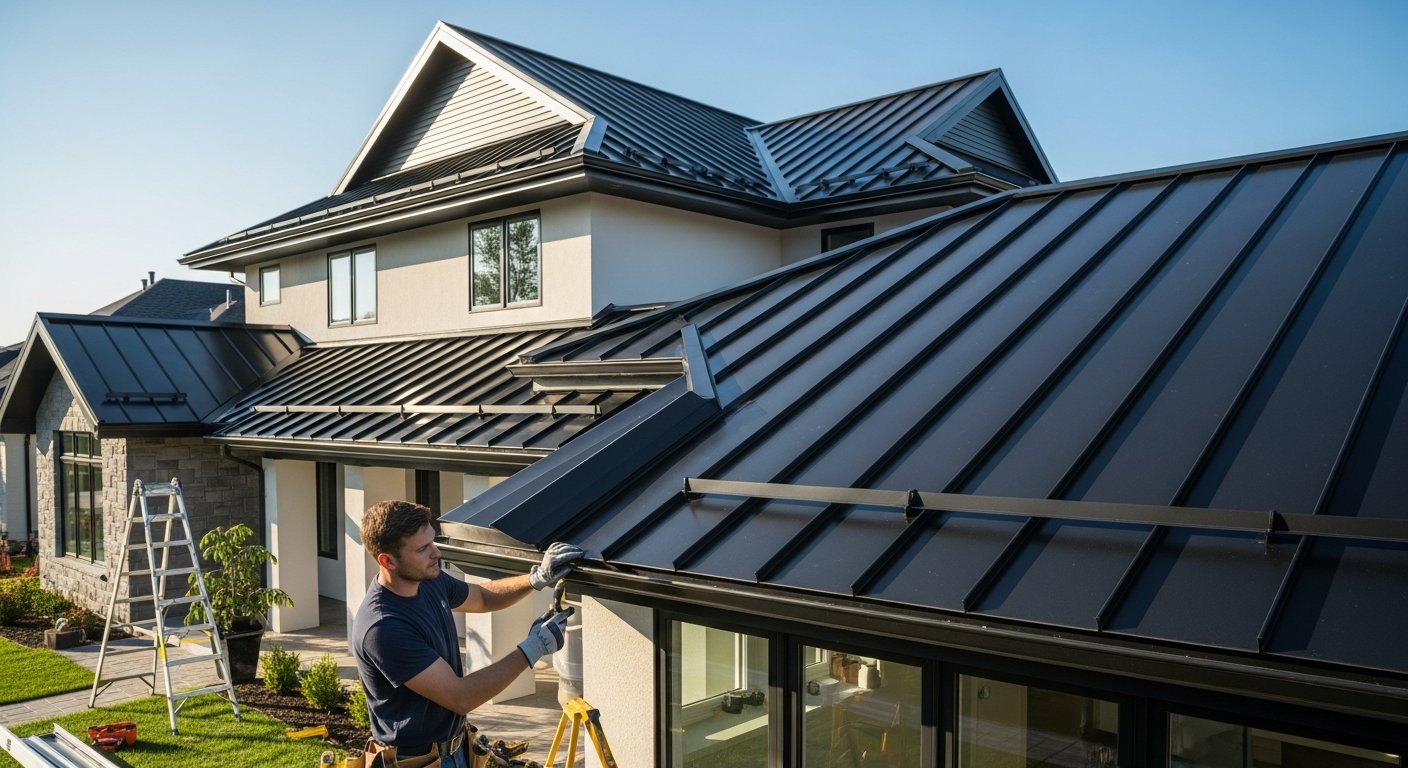
Metal Roofing: Durability Meets Modern Home Style
Discover how metal roofing delivers unmatched durability, energy savings, and style for your home while offering a smart long-term investment.

By Margaret Lowe
Learn more about Roof Installation or Replacement for guides, costs, and what to expect.
Compare Roof Installation or Replacement Pros Near You

Enter your ZIP code to compare top-rated local professionals and request free quotes.
When it comes to protecting your home, few decisions carry as much weight as the choice of roofing material. Asphalt shingles have long been the default, but homeowners today are increasingly turning to metal roofing for its exceptional lifespan, energy efficiency, and bold aesthetic appeal. Whether you are building a new home or planning a long-overdue roof replacement, understanding the true value of metal can transform your approach to one of the most critical investments in your property. This guide walks you through the performance, costs, and installation considerations so you can make a confident, informed choice.
Why Metal Roofing Is a Smart Investment for Homeowners
Metal roofing has evolved far beyond the corrugated barn panels of the past. Modern metal roofs are precision-engineered systems that offer a combination of longevity and resilience that traditional materials simply cannot match. A typical asphalt roof lasts 15 to 20 years, while a properly installed metal roof can easily serve you for 50 years or more. That durability means you may never need to replace your roof again, a powerful advantage when you consider the disruption and expense of frequent re-roofing projects.
Beyond lifespan, metal roofs deliver superior protection against the elements. They are designed to withstand wind gusts up to 140 miles per hour, shed heavy snow with ease, and resist cracking, warping, and insect damage. For homeowners in regions prone to severe weather, this robustness provides peace of mind that is hard to quantify in dollars alone. Additionally, metal is non-combustible, which adds an extra layer of safety in wildfire-prone areas.
When you weigh the lifetime cost, metal often proves more economical. The initial investment is higher, but you save on replacement costs, reduced maintenance, and potential insurance discounts. Many homeowners also find that a metal roof increases their property's resale value, as buyers recognize the long-term benefits and lower future expenses.
Weighing the Benefits: Performance and Efficiency
Energy Savings That Pay You Back
Metal roofing excels at reflecting solar radiant heat instead of absorbing it. This can reduce cooling costs by 10 to 25 percent during hot summer months, especially when you choose light-colored or cool-roof coatings. The reflective surface keeps your attic and living spaces cooler, which lessens the load on your air conditioning system. In colder climates, metal roofs also handle snow and ice better, as their smooth surface allows snow to slide off, preventing ice dams that can cause leaks and structural damage.
Low Maintenance and Long-Term Reliability
One of the most attractive aspects of metal roofing is its minimal upkeep. Unlike asphalt shingles that may lose granules or wood shakes that can rot, metal panels are resistant to common issues like moss, mildew, and corrosion (when properly coated). You will spend far less time and money on repairs and inspections. A simple annual check and occasional cleaning are usually all that is needed to keep your roof in top shape, making it an ideal choice for busy homeowners who prefer a set-and-forget solution.
Environmental Credentials and Sustainability
If sustainability matters to you, metal roofing is a standout option. Most metal roofs are made from recycled content, and at the end of their extremely long life, the material is 100 percent recyclable. This means you are not contributing to the growing problem of asphalt shingle waste, which fills millions of tons of landfill space each year. Furthermore, the energy savings from reduced cooling needs lower your household's carbon footprint, aligning your home improvement choices with eco-conscious values.
Understanding Metal Roofing Costs: A Realistic Budget
Cost is often the first question homeowners ask, and for good reason. Metal roofing typically costs between $10 and $20 per square foot installed, depending on the material, complexity of your roof, and your location. This translates to roughly $15,000 to $40,000 for an average-sized home, which is two to three times more than asphalt. However, it is crucial to view this as a lifetime investment. Over 40 to 50 years, the per-year cost of metal is often lower than asphalt when you factor in multiple replacements and maintenance.
Several factors influence the final price:
- Material type: Steel is the most affordable, while aluminum, copper, and zinc are premium options with distinctive looks and higher price tags.
- Panel style: Standing seam panels are generally more expensive than corrugated or shingle-look metal due to their advanced installation and superior performance.
- Roof complexity: Steep slopes, multiple valleys, and penetrations like chimneys or skylights increase labor time and material waste.
- Underlayment and insulation: Quality underlayment and proper ventilation add to the cost but are essential for long-term performance.
- Geographic location: Labor rates and material availability vary by region, so local quotes will give you the most accurate picture.
To get a precise estimate for your home, it is wise to consult with a professional contractor who can assess your specific roof geometry and recommend the right materials. Many homeowners find that the long-term savings on energy bills and replacement costs more than offset the upfront expense.
Metal Roofing Styles and Materials: Finding Your Match
Gone are the days when metal roofs had a single industrial look. Today's options are diverse and can complement any architectural style, from historic cottages to modern minimalist designs. You can choose panels that mimic the appearance of slate, wood shakes, or traditional shingles, all while enjoying the inherent benefits of metal.
Here are the most popular metal roofing types:
- Standing seam: Characterized by vertical raised seams that lock panels together, this style offers exceptional weather resistance and a clean, contemporary profile. It is a top choice for modern and commercial buildings.
- Corrugated panels: Recognizable by their wavy pattern, these are a cost-effective and durable option, often used in agricultural or rustic settings but now embraced in residential designs.
- Stone-coated steel: These panels are coated with stone chips to mimic the texture of asphalt, tile, or shake. They offer the durability of steel with a more traditional look, making them a versatile choice for many neighborhoods.
- Metal shingles: These are individual metal pieces that replicate the look of slate or wood. They provide a high-end appearance and are easier to install on complex roof shapes.
When selecting a style, consider the architectural character of your home and your local climate. A professional contractor can help you balance aesthetics with performance, ensuring you choose a product that both enhances your curb appeal and meets the demands of your environment.
The Installation Process: What to Expect
Installing a metal roof is a specialized job that requires skill and experience. Unlike asphalt shingles, which are nailed directly to the roof deck, metal panels are typically installed over a solid substrate or purlins, with fasteners either exposed or hidden depending on the system. The process involves several key steps:
- Inspection and preparation: The contractor inspects the existing roof structure, removes old roofing if necessary, and ensures the deck is sound and clean.
- Underlayment installation: A high-quality synthetic underlayment is laid down to provide an extra moisture barrier and protect the roof deck.
- Flashing and drip edge: Metal flashing is installed around valleys, chimneys, vents, and edges to direct water away from vulnerable areas.
- Panel placement and fastening: Metal panels are carefully aligned and secured, with seams either mechanically seamed or sealed with specialized fasteners and gaskets.
- Final inspection: The contractor checks for proper alignment, fastener tightness, and overall watertight integrity before completing the project.
Most metal roof installations are completed in a few days, though larger or more complex roofs may take longer. Because metal panels are lightweight and can often be installed over existing shingles (in some cases), the process can be less disruptive than a full tear-off. However, a thorough assessment is necessary to determine if an over-roof is viable and safe.
Maintenance Tips for Longevity
While metal roofing is remarkably low maintenance, a few simple practices will keep it performing at its best for decades. Regularly clean leaves and debris from valleys and around chimneys to prevent moisture buildup. Inspect the roof after severe storms to ensure no panels have shifted and that seals are intact. Check and replace any deteriorated sealant around penetrations, and trim overhanging branches to prevent scratches from rubbing against the surface.
If you notice any dents from hail or falling branches, these are typically cosmetic and do not compromise the roof's integrity. For corrosion-prone areas, ensure that any scratches on the paint are touched up to prevent rust. By staying proactive, you can avoid minor issues from becoming larger problems, protecting your investment and your home.
Choosing the Right Contractor for Your Metal Roof
The success of your metal roofing project hinges on the expertise of the installer. A poorly installed metal roof can lead to leaks, premature wear, and even voided warranties. Therefore, it is essential to select a contractor with specific experience in metal systems. Look for a team that offers detailed consultations, transparent pricing, and a clear warranty on both materials and workmanship. Reading reviews and asking for references can give you confidence in their reliability.
When you are ready to move forward, obtaining multiple quotes is a smart strategy. A professional contractor will conduct a thorough inspection of your roof and provide a detailed estimate that covers all materials, labor, and potential extras. They should also explain the different metal options and help you choose the right one for your budget and aesthetic preferences. For more guidance on navigating the selection process, you might find our article on metal roofing choices and benefits helpful, as it offers a deeper look into specific products and their applications.
Additionally, understanding the broader scope of your roofing project, including how it fits into your home's overall energy efficiency, can be valuable. You can explore how metal roofs impact your home's efficiency to see how this investment contributes to long-term savings and comfort.
Is a Metal Roof Right for Your Home?
Deciding whether to invest in metal roofing ultimately comes down to your priorities. If you value durability, energy efficiency, and minimal maintenance, and you plan to stay in your home for many years, metal is an excellent choice. The upfront cost is higher, but the lifetime value is compelling. For those who may move within a few years, the increased resale value and buyer appeal can still make metal a worthwhile investment.
Consider your local climate as well. In areas with extreme heat, hail, heavy snow, or high winds, metal roofing's resilience is a major asset. If you live in a neighborhood with strict homeowner association rules, ensure that your chosen metal style complies with any aesthetic guidelines. Finally, think about the architectural style of your home and whether metal will enhance its character. With so many styles available, you can likely find a metal roof that not only protects your home but also elevates its appearance.
In the end, a metal roof is more than just a covering; it is a long-term commitment to quality, safety, and sustainability. By educating yourself and working with a trusted professional, you can enjoy the many benefits that metal roofing brings to your home and your peace of mind.
Learn more about Roof Installation or Replacement for guides, costs, and what to expect.
Compare Roof Installation or Replacement Pros Near You
Enter your ZIP code to compare top-rated local professionals and request free quotes.