Licensed Remodeling Contractors: Why They Matter for Your Home
"*" indicates required fields
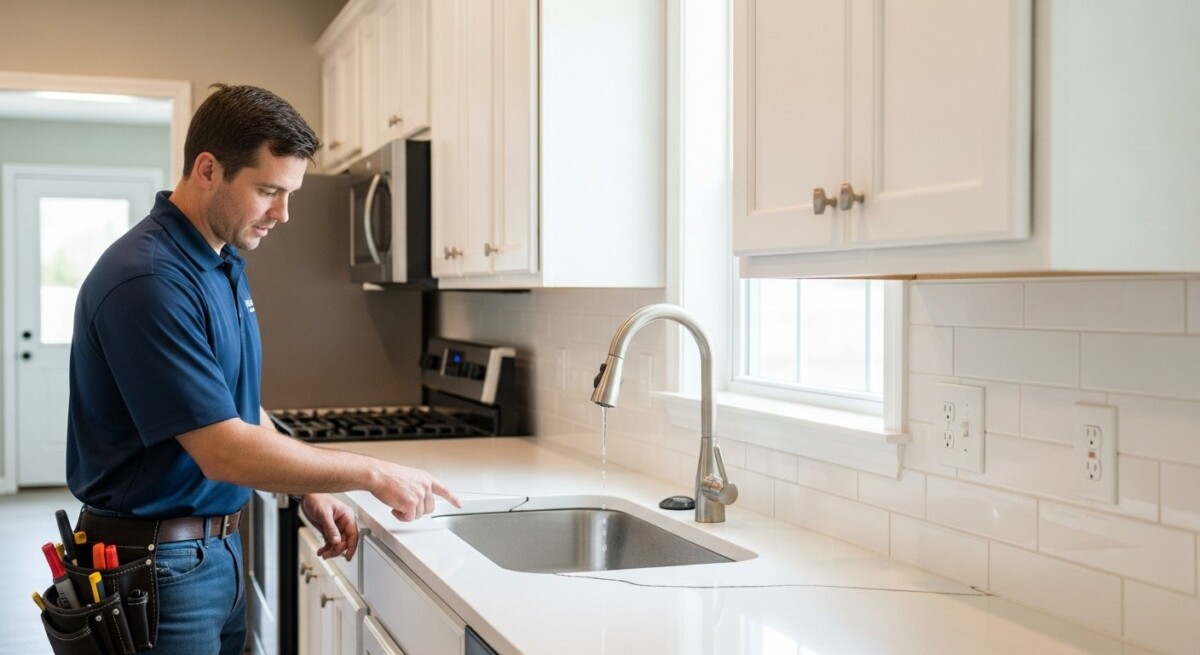
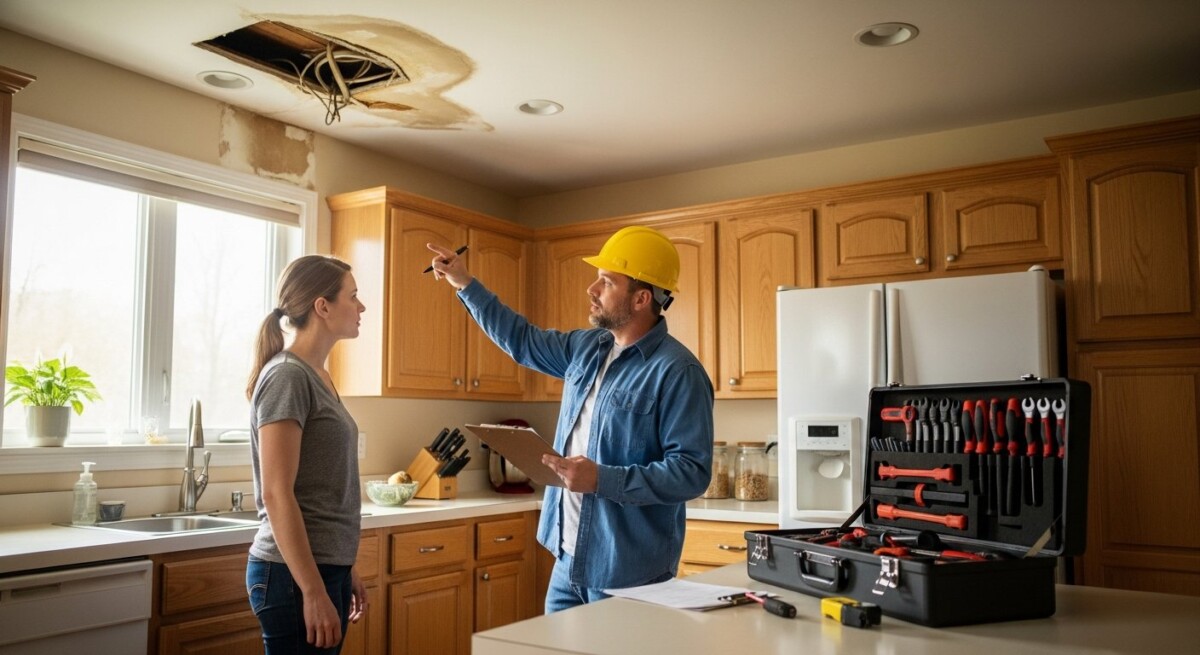
You walk into your kitchen one morning and notice a small water stain spreading across the ceiling. Maybe the cabinet door hangs crooked, or the bathroom tile feels loose underfoot. At first, these problems seem minor,something you can fix later. But as days pass, the stain grows, the door sags further, and the tile shifts more. Suddenly, what looked like a small issue becomes a costly headache. This is the moment many homeowners realize they need help from licensed remodeling contractors. Understanding who they are and why their credentials matter can save you time, money, and stress.
Understanding Licensed Remodeling Contractors
A licensed remodeling contractor is a professional who has met state or local requirements to perform home improvement work legally. These requirements usually include passing exams, proving years of experience, carrying insurance, and maintaining a bond. Unlike an unlicensed handyman, a licensed contractor operates under a set of rules designed to protect you and your property.
Homeowners often discover the importance of licensing after a bad experience. Perhaps a neighbor hired someone without a license, only to face shoddy work, unfinished projects, or safety violations. In many states, unlicensed work can also void your homeowner’s insurance if something goes wrong. Older homes, properties with previous DIY renovations, and houses in areas prone to weather damage are especially vulnerable to problems that require professional attention.
Why This Matters for Your Home
When you hire a licensed contractor, you gain more than just a worker,you gain accountability. Licensed professionals must follow building codes, which exist to keep your home safe and structurally sound. If a contractor skips permits or ignores safety standards, your home could face electrical fires, water damage, or even collapse risks.
Beyond safety, licensed work protects your investment. A poorly done remodel can lower your home’s value, while professional work adds curb appeal and resale potential. And because licensed contractors carry insurance, you are not held liable if a worker gets injured on your property. Delaying repairs or choosing unlicensed help often leads to larger costs down the road,sometimes double or triple the original estimate.
If you notice signs of this issue in your home, it may help to speak with a qualified contractor. Request a free quote or call (602) 730-1888 to explore your repair or remodeling options.
Common Problems Homeowners Experience
Many homeowners only realize they need a licensed contractor after something goes wrong. A leaky roof, cracked foundation, or outdated wiring can start as a nuisance and escalate into a major repair. The most common problems include water intrusion, structural settling, and worn-out materials like siding or flooring.
These issues often show up in visible ways, but some remain hidden until an inspection reveals them. For example, a musty smell in the basement might point to mold behind the walls, or a door that sticks could indicate a shifting foundation. Ignoring these signs can lead to costly emergency repairs.
- Water stains on ceilings or walls
- Cracks in drywall, brick, or foundation
- Drafty windows or doors that no longer seal
- Sagging floors or uneven surfaces
- Outdated electrical panels or frequent breaker trips
- Rotting wood around windows, decks, or porches
How Professionals Solve the Problem
Licensed remodeling contractors bring experience, tools, and project management skills that DIY efforts cannot match. They start with a thorough inspection to identify all issues,not just the obvious ones. Then they create a plan that addresses the root cause, not just the symptom.
- Assessment: The contractor inspects the area, checks for hidden damage, and discusses your goals.
- Permitting: They pull necessary permits and ensure the work meets local building codes.
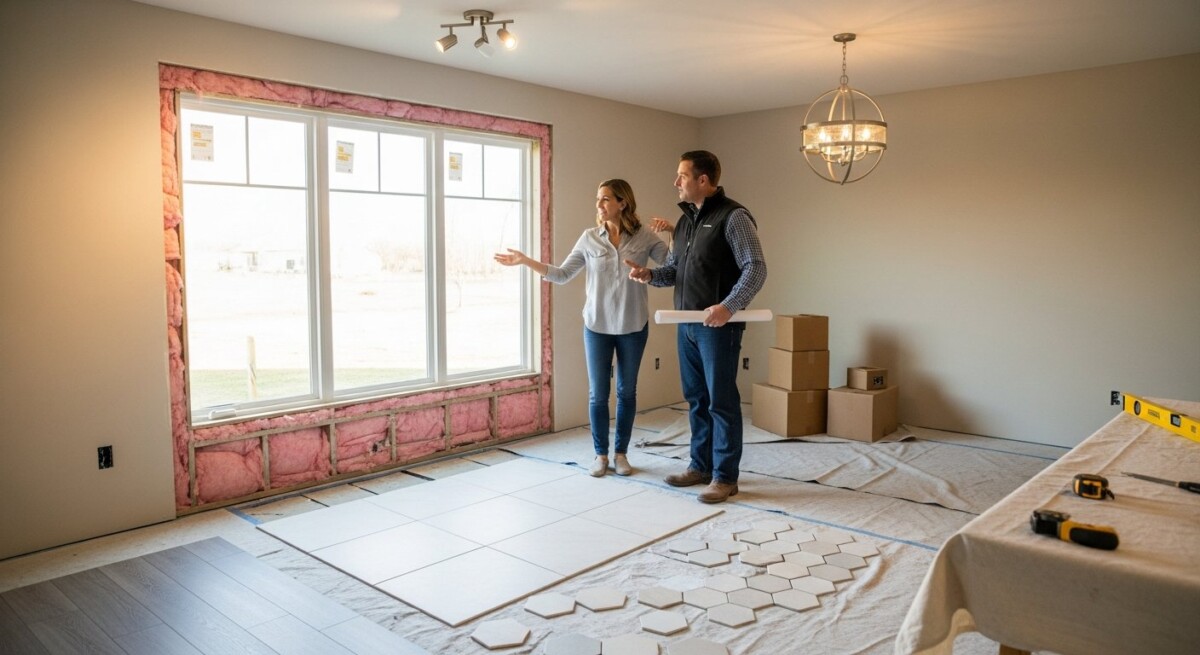
- Preparation: They protect your furniture, floors, and landscaping before starting work.
- Repair or Installation: Skilled crews complete the work using proper materials and techniques.
- Cleanup and Inspection: The site is cleaned, and a final inspection confirms everything meets code.
Professional work is safer and more reliable because contractors have the training to handle unexpected issues,like finding dry rot behind a shower wall. They also offer warranties on labor, giving you peace of mind long after the project ends.
A professional inspection can reveal hidden issues before they become expensive repairs. Compare contractor quotes here or call (602) 730-1888 to discuss your project.
Warning Signs You Should Not Ignore
Your home often gives early signals that professional help is needed. Pay attention to changes in how your house looks, feels, or sounds. A creaking floor, a sudden spike in your energy bill, or water pooling around the foundation can all indicate underlying problems.
Acting early can prevent small issues from becoming major expenses. For instance, fixing a small roof leak might cost a few hundred dollars, but waiting until water damages the ceiling, insulation, and drywall could run into thousands. The same applies to plumbing, electrical, and structural concerns.
- Peeling paint or wallpaper (often a sign of moisture)
- Visible mold or mildew growth
- Unexplained musty odors
- Doors or windows that stick or won’t close properly
- Bouncy or sloping floors
- Higher-than-normal utility bills
What Affects the Cost of Repairs or Installation
Pricing for remodeling projects varies widely based on the scope of work. A small bathroom update might cost less than a full kitchen renovation, but hidden issues can increase the price. For example, if a contractor opens a wall and finds outdated wiring or termite damage, the repair cost will rise.
Other factors include the size of the project, the quality of materials you choose, and the accessibility of the work area. An attic conversion, for instance, may require extra framing and insulation, while a first-floor addition is easier to access. The age of your home also matters,older houses often have non-standard materials or outdated systems that need special handling.
Costs can vary depending on the condition of your home. The best way to know the price is to get a personalized estimate. Request free quotes from contractors or call (602) 730-1888 today.
How to Choose the Right Contractor
Selecting a contractor can feel overwhelming, but a few simple steps help you find a reliable professional. Start by asking for recommendations from neighbors or friends who have had similar work done. Then check online reviews and verify the contractor’s license with your state licensing board.
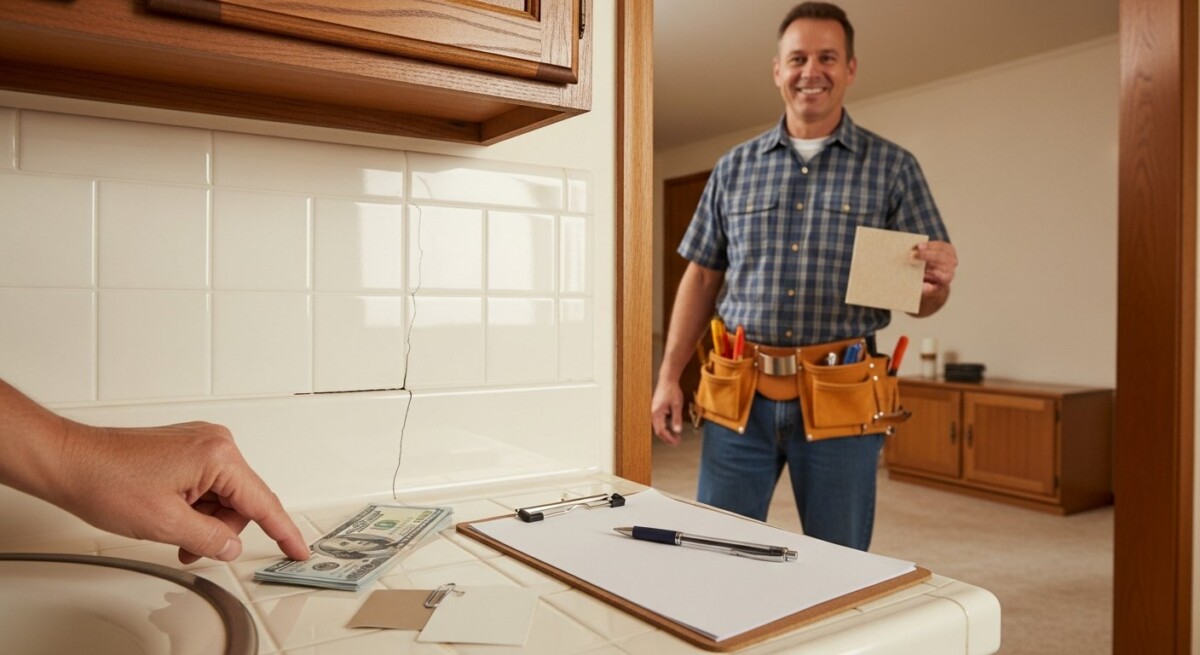
Always get at least three written estimates before making a decision. A low bid might seem attractive, but it could mean the contractor is cutting corners or lacks proper insurance. A detailed estimate shows exactly what is included,materials, labor, permits, and cleanup. Trust your instincts: if a contractor pressures you to sign quickly or asks for full payment upfront, consider it a red flag.
- Verify the contractor’s license and insurance
- Read recent customer reviews on trusted sites
- Ask for a detailed written estimate
- Compare at least three quotes
- Confirm experience with projects like yours
Long-Term Benefits of Professional Work
Investing in a licensed remodeling contractor pays off in ways beyond the finished project. Professional work improves your home’s safety by correcting code violations and upgrading outdated systems. It also boosts energy efficiency,new windows, insulation, or HVAC systems can lower monthly bills.
Durability is another major advantage. Licensed contractors use quality materials and proven techniques, so repairs last longer and require less maintenance. When it comes time to sell, a professionally remodeled home commands a higher price and attracts more buyers. In short, hiring the right contractor protects your home and your wallet for years to come.
What is the difference between a licensed contractor and a handyman?
A licensed contractor has passed state exams, carries insurance, and is legally allowed to perform major remodeling work. A handyman typically handles small jobs like painting or minor repairs but cannot pull permits or do structural work. For safety and legal protection, always use a licensed contractor for significant projects.
Do I need a permit for my remodeling project?
Most cities require permits for structural changes, electrical work, plumbing, and major renovations. A licensed contractor will handle the permit process for you, ensuring the work passes inspection. Attempting unpermitted work can result in fines, insurance issues, and problems when selling your home.
How do I verify a contractor’s license?
You can check your state’s contractor licensing board website. Most offer an online lookup tool where you enter the contractor’s name or license number. This confirms the license is active and shows any complaints or disciplinary actions.
What should I look for in a contractor’s estimate?
A good estimate breaks down costs for materials, labor, permits, and cleanup. It should also include a timeline and payment schedule. Avoid estimates that are vague or handwritten,they often lead to surprises later.
How long does a typical remodeling project take?
Timelines vary by project size. A bathroom remodel might take two to four weeks, while a full kitchen renovation can run six to twelve weeks. Delays can happen due to material shortages or hidden issues, so ask your contractor for a realistic schedule.
Is it worth hiring a contractor for small repairs?
Even small repairs can expose larger problems. A licensed contractor can spot issues a homeowner might miss, such as water damage behind a wall. For safety and long-term value, it is often worth the investment.
What happens if the contractor damages my property?
Licensed contractors carry liability insurance that covers accidental damage. Always ask for proof of insurance before work begins. If damage occurs, the contractor’s insurance should pay for repairs.
Can I negotiate the price with a contractor?
Some contractors are open to negotiation, especially for larger projects. However, be cautious of any contractor who drops their price significantly,it may mean they plan to cut corners. Focus on value rather than the lowest price.
Your home is one of your most valuable assets, and keeping it in good condition requires the right expertise. Licensed remodeling contractors offer the skills, insurance, and accountability that protect your investment. Whether you are fixing a leaky roof, updating a bathroom, or planning a major renovation, the best first step is to understand your options. Compare contractor quotes, ask questions, and choose a professional who puts your safety and satisfaction first. Taking action today can save you from bigger problems tomorrow.

About Alex Carter
"*" indicates required fields