
HVAC System Basics: A Homeowner’s Guide to Comfort
"*" indicates required fields
Your home’s heating and cooling system is a silent partner in your daily comfort, working behind the scenes to keep your family cozy in winter and cool in summer. But when it makes a strange noise, fails to keep up with the weather, or causes your energy bill to spike, it suddenly becomes a source of stress. Understanding a few HVAC system basics can transform you from a confused homeowner into an informed partner in your home’s comfort, helping you communicate effectively with technicians and make smarter decisions about maintenance and repairs.
What Is an HVAC System?
HVAC stands for Heating, Ventilation, and Air Conditioning. It’s not just one appliance; it’s the integrated system responsible for managing your home’s temperature, humidity, and air quality. Think of it as your home’s lungs and circulatory system, constantly working to breathe fresh air in and move conditioned air throughout every room.
The system has two main parts: the indoor unit and the outdoor unit. They work together via refrigerant lines and electrical connections. In the summer, it pulls heat from inside your home and releases it outside. In the winter, the process can reverse (in heat pump systems) or a furnace generates heat to warm the air.
The Core Components
While systems vary, most central HVAC setups include these key parts:
- Furnace or Heat Pump: The primary heating source. Furnaces burn fuel (like gas or oil), while heat pumps move heat from one place to another.
- Air Conditioner (Condenser): The outdoor unit that releases heat from your home during cooling.
- Air Handler/Evaporator Coil: The indoor unit that houses the coil where refrigerant absorbs heat, and the blower that circulates air.
- Ductwork: The network of tubes in your walls, floors, or ceilings that distributes conditioned air.
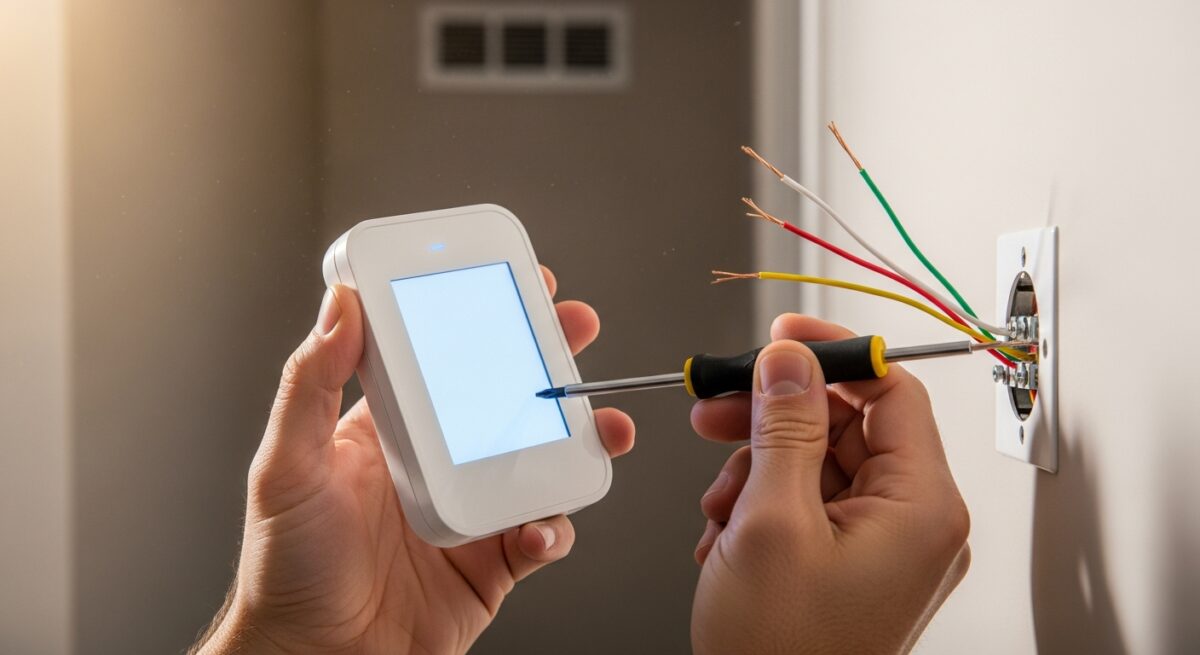
- Thermostat: The command center where you set your desired temperature, signaling the system to turn on or off.
- Vents & Registers: The grilles you see on walls, floors, or ceilings where air enters and returns to the system.
Why It Matters for Homeowners
Knowing these basics isn’t about becoming a technician,it’s about protecting your investment and your comfort. Your HVAC system is one of the most expensive and critical components of your home. A basic understanding helps you recognize small issues before they become big, expensive emergencies that leave you without heat on a freezing night or cooling during a heatwave.
This knowledge directly impacts your wallet. A well-maintained and properly functioning system runs efficiently, which can significantly lower your monthly energy bills. Conversely, a neglected system with a dirty filter or a failing component has to work much harder, wasting energy and money. It also empowers you to have more confident conversations with service professionals, ensuring you get the right service for your needs. For a deeper look at protecting your investment, our article on HVAC system maintenance contracts explores structured service plans.
Is your system struggling to keep up or making unusual noises? Don’t wait for a complete breakdown. Call our certified HVAC experts today at 555-123-4567 for a comprehensive system evaluation and honest advice.
Common Issues and Their Causes
Most HVAC problems stem from a handful of common, often preventable, issues. By knowing what to look for, you can often provide helpful information when you call for service.
One of the most frequent culprits is lack of maintenance. Systems that aren’t cleaned and tuned annually accumulate dirt and wear, leading to inefficiency and failure. Another widespread issue is improper installation,if a system is the wrong size for your home or installed incorrectly, it will never perform optimally or last as long as it should.
- Reduced Airflow: Caused by clogged air filters, blocked vents, or failing blower motors.
- Uneven Heating/Cooling: Often due to leaky or poorly designed ductwork, or an undersized system.
- Strange Noises (banging, squealing, rattling): Can indicate loose parts, a failing motor, or debris in the system.
- Constant Cycling (short-cycling): The system turns on and off too frequently. Causes include a dirty filter, faulty thermostat, or an oversized unit.
- High Humidity in Summer: Suggests the system isn’t running long enough to dehumidify properly, often a sizing or refrigerant issue.
How Professionals Fix the Problem
When you call a professional, they follow a systematic approach to diagnose and resolve your HVAC issue. It starts with a conversation,listening to your description of the problem and any symptoms you’ve noticed. This is where your knowledge of the basics pays off!
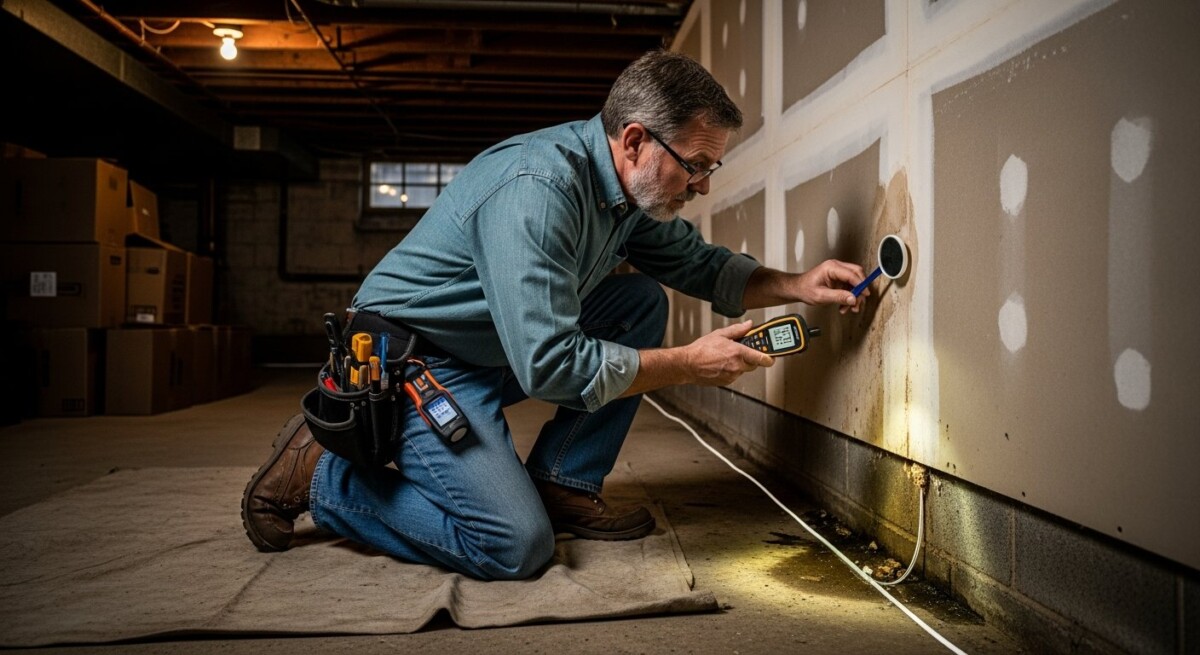
The technician will then perform a thorough inspection. This includes checking the thermostat settings, examining the air filter, listening to the system operate, and using specialized tools to measure temperatures, refrigerant pressure, and electrical values. They test each major component to isolate the fault. For complex upgrades or replacements, understanding HVAC system financing options can make the project more manageable.
- Diagnosis: Pinpointing the exact failed component or system imbalance.
- Explanation & Estimate: Clearly explaining the problem, the necessary repair, and providing a transparent cost estimate.
- Repair/Replacement: Performing the work with quality parts, ensuring all connections and safety controls are functioning.
- Testing & Verification: Running the system through a full cycle to confirm the repair is successful and your comfort is restored.
Ready for a professional diagnosis? Our team provides clear explanations and upfront pricing. Schedule your service now at 555-123-4567.
Signs You Should Not Ignore
Some HVAC warnings are subtle, while others are urgent cries for help. Paying attention to these signs can prevent minor issues from escalating into costly repairs or full system failures. Your system is designed to run relatively quietly and consistently; any major deviation from its normal operation is a clue.
Ignoring these signs often leads to a domino effect. A small refrigerant leak can cause the compressor to overheat and fail. A dirty blower motor can overwork and burn out, leaving you with no airflow at all. Addressing problems early is always more affordable and less disruptive.
- Rapidly Rising Energy Bills: A sure sign of declining efficiency.
- Weak or No Airflow from Vents: Indicates a blockage or blower failure.
- Burning or Rotten Egg Smells: A burning smell could be electrical; a gas smell requires you to shut off the gas and leave the house immediately.
- Water Pooling Around the Indoor Unit: Signals a clogged condensate drain line, which can cause water damage.
- System Is Over 10-15 Years Old and Frequently Needs Repairs: It may be more cost-effective to consider a replacement. Learn more about when it’s time in our guide on HVAC system upgrades.
Cost Factors and What Affects Pricing
HVAC service costs can vary widely, and understanding why helps set realistic expectations. The biggest factor is the type of service needed. A seasonal tune-up has a standard cost, while an emergency repair on a holiday will cost more. Replacing a single capacitor is far less expensive than replacing an entire compressor or heat exchanger.
The parts required also drive the price. Standard replacement parts like filters or capacitors are relatively low-cost. Major components like compressors, coils, or control boards are more expensive. Labor intensity matters too,a repair that takes two hours costs less in labor than one that takes a full day. Finally, the age and accessibility of your system play a role. Older systems may require special-order parts, and a unit in a tight attic or crawlspace takes longer to service than one in an open basement.
Concerned about cost? We offer transparent, upfront estimates and discuss all your options. Call us for a free, no-obligation quote at 555-123-4567.
How To Choose the Right Professional or Service
Selecting the right HVAC company is crucial for quality work and peace of mind. Always look for proper licensing and insurance. This protects you and your home in case of accidents. Check for certifications from organizations like NATE (North American Technician Excellence), which indicate advanced technician training.
Read reviews and ask for references to gauge the company’s reputation for reliability and customer service. A trustworthy professional will always perform a thorough inspection before giving an estimate, and they should be willing to explain the problem and your options in clear, simple language. Avoid companies that give quotes over the phone without seeing the system or that pressure you into immediate, unnecessary replacements.
Long-Term Benefits for Your Home
Investing in understanding and maintaining your HVAC system pays dividends for years. A well-cared-for system delivers consistent, reliable comfort in every season. It operates at peak energy efficiency, putting money back in your pocket each month on utility bills.
Proper maintenance also extends the system’s lifespan, delaying the major expense of a full replacement. It ensures better indoor air quality by keeping components clean and filtering out allergens. Ultimately, it provides peace of mind, knowing your home’s comfort system is safe, reliable, and ready to perform when you need it most.
Frequently Asked Questions
How often should I replace my air filter?
For standard 1-inch filters, check monthly and replace every 1-3 months, especially during heavy-use seasons. Homes with pets or allergies may need more frequent changes. Thicker filters may last 6-12 months.
What’s the difference between a tune-up and a repair?
A tune-up is preventative maintenance,cleaning, inspecting, and adjusting the system to keep it running efficiently and catch small issues. A repair is corrective, fixing a specific problem after the system has failed or is malfunctioning.
How long should an HVAC system last?
With proper maintenance, a typical central air conditioner or heat pump lasts 12-15 years. A gas furnace can last 15-20 years. System lifespan is greatly reduced by lack of maintenance.
What size HVAC system does my home need?
Size is critical and is not based on square footage alone. A proper load calculation considers your home’s insulation, windows, layout, and climate. An oversized or undersized system will cause comfort and efficiency problems.
Why is my thermostat not reaching the set temperature?
This could be due to a dirty filter restricting airflow, a refrigerant leak, a faulty thermostat, or a system that is too small for the space. A professional diagnosis is needed to find the root cause.
Should I cover my outdoor AC unit in the winter?
It’s not necessary and can trap moisture, leading to rust. The unit is designed to withstand outdoor elements. Simply keep the area around it clear of leaves and debris.
Your HVAC system is a complex but understandable part of your home. By grasping these fundamentals, you take control of your comfort, your budget, and the longevity of your equipment. Remember, proactive care is always simpler and less expensive than reactive repairs. When in doubt, partnering with a trusted, professional HVAC technician is the best step to ensure your home remains a haven of comfort year-round.

About Alex Carter
"*" indicates required fields