
How to Prevent Water Damage with Sump Pump Maintenance
Discover how regular sump pump maintenance can prevent costly basement flooding. Simple checks to keep your system ready for any storm.

By Rachel Green
Learn more about Sump Pump Installation or Replacement for guides, costs, and what to expect.
Compare Sump Pump Installation or Replacement Pros Near You

Enter your ZIP code to compare top-rated local professionals and request free quotes.
A basement sump pump is a silent guardian. It sits in a pit, waits for groundwater to rise, and then activates to push water away from your home's foundation. When it works, you likely never think about it. When it fails, the result can be thousands of dollars in water damage, ruined belongings, and the beginning of a mold problem. Many homeowners only realize the true value of their sump pump after a heavy storm overwhelms their basement. That is the wrong time to learn. The right time is right now, before the next weather event puts your home to the test. This article will show you how consistent sump pump maintenance directly supports water damage prevention, the exact steps to keep your pump reliable, and the warning signs that indicate your system needs professional attention.
Why Sump Pump Maintenance Is a Core Water Damage Prevention Strategy
Water damage prevention sump pump maintenance is not a luxury or an optional checklist item. It is a fundamental part of protecting one of your largest investments: your home. A sump pump that is not maintained will eventually fail. It might run more frequently, become louder, or simply stop working during a critical storm. The most common causes of sump pump failure are not complex mechanical mysteries. They are basic issues like a clogged intake screen, a stuck float switch, a dead battery backup, or a pump that has simply reached the end of its lifespan.
The financial impact of a flooded basement is significant. The Federal Emergency Management Agency (FEMA) notes that even a single inch of water can cause roughly $25,000 in damage to a home. This includes damage to flooring, drywall, personal belongings, and electrical systems. The cost of a new sump pump is often less than $500, and routine maintenance costs almost nothing if you do it yourself. The contrast is stark. Investing a few minutes each month in sump pump checks is one of the most cost-effective water damage prevention measures you can take. For more detailed guidance on installation or comprehensive system reviews, refer to our sump pump installation and maintenance guide which covers the full lifecycle of the device.
Furthermore, a well-maintained sump pump does more than prevent flooding. It protects your home's structural integrity. Persistent moisture can compromise your foundation, leading to cracks, shifting, and costly structural repairs. It also helps maintain better indoor air quality by reducing humidity levels, which can deter the growth of mold and mildew that thrive in damp environments. In essence, your sump pump is a key component in your home's overall health system, and water damage prevention sump pump maintenance ensures that this system remains operational when you need it most.
Critical Components of a Sump Pump System
Before you can properly maintain your sump pump, you need to understand what makes up the entire system. Many homeowners only think about the pump itself, but several parts must work together for effective water removal. A failure in any one component can render the whole system useless.
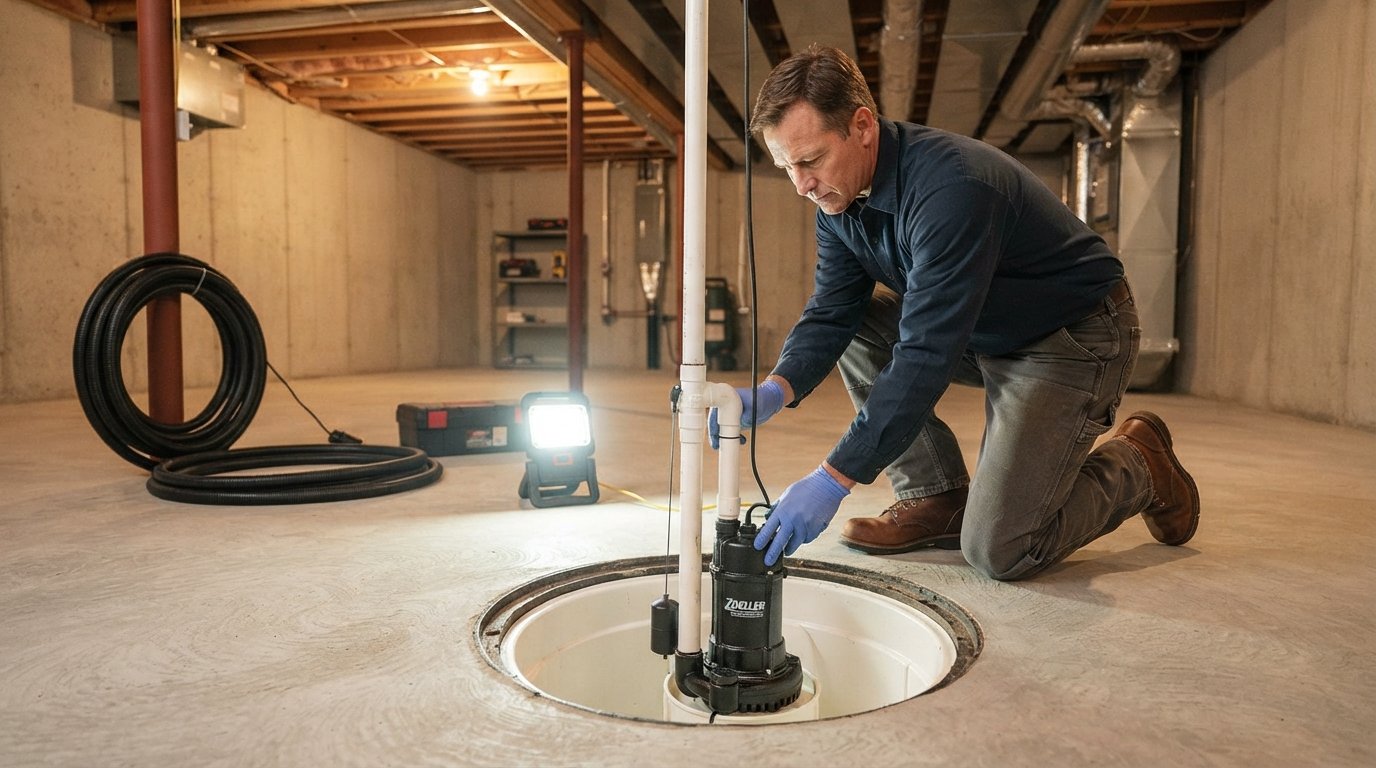
- The Pump Unit: This is the primary motor and impeller that moves water. It sits at the bottom of the sump pit.
- The Float Switch: This device detects the water level in the pit. When the water rises to a certain point, the float activates the pump. A stuck or malfunctioning float is a leading cause of pump failure.
- The Check Valve: This one-way valve is installed on the discharge pipe. It prevents water from flowing back into the pit after the pump shuts off, which would cause the pump to cycle unnecessarily and wear out faster.
- The Discharge Line: This pipe carries water from the pump to a safe drainage point outside your home, ideally at least 10 feet away from the foundation.
- The Backup System: This is often a battery-powered pump or a water-powered backup that activates if the primary pump fails or during a power outage. It is essential for homes that experience severe storms.
- The Sump Pit: The basin or hole in your basement floor that collects water from the perimeter drainage system.
Understanding these components helps you perform targeted checks. For example, if you know your check valve is faulty, you might notice your pump turning on and off frequently. If the float switch is stuck, the pump might not turn on at all. Regular inspection of each part is an integral part of water damage prevention sump pump maintenance. When you inspect your pump, you are not just looking at the motor; you are evaluating the health of the entire drainage system.
Seasonal Sump Pump Maintenance Checklist
To ensure maximum reliability, you should perform a more thorough maintenance routine at least twice a year, ideally in the spring and fall before the wettest seasons. This proactive approach is the cornerstone of water damage prevention sump pump maintenance. Here is a step-by-step checklist to guide you through the process.
1. Visual and Physical Inspection
Start by unplugging the pump and removing it from the pit. This is a dirty job, but it is necessary. Clean out any debris, gravel, or silt that has accumulated at the bottom of the pit. Debris can clog the pump's intake screen and cause the motor to overheat. While the pump is out, inspect the power cord for any fraying or damage. Look at the exterior of the pump for cracks or signs of corrosion.
2. Test the Float Switch and Pump Operation
With the pump out of the pit, plug it directly into a working GFCI outlet. Pour a bucket of water into the pit, but ensure the pump is still partially submerged to test the float. If the float is on a tether, gently lift it to see if the pump activates. If the pump does not turn on, the float switch might be stuck, or the motor might be faulty. Then, pour a large amount of water into the pit to allow the float to rise naturally and trigger the pump. Observe how the pump drains the water. It should run smoothly and shut off automatically when the water level drops.
3. Clean the Pump and Intake Screen
Use a brush or a cloth to clean the pump's exterior and the intake screen at the bottom. Remove any mud or mineral deposits that have built up. These deposits can reduce the pump's efficiency over time. For a more thorough cleaning, you can use a diluted vinegar solution to help break down hard water deposits, but be sure to rinse the pump with clean water afterward.
4. Inspect the Discharge Line and Check Valve
Follow the discharge line from the pump to outside your home. Ensure the line is not kinked, frozen, or blocked. Look for any holes or leaks in the pipe. Also, check the check valve to ensure it is installed correctly and functioning. A simple way to test it is to pour a small amount of water into the discharge pipe from the top. It should not flow back into the pit. If it does, the check valve needs to be replaced.
5. Test the Backup System
If you have a battery backup pump, test it by unplugging the primary pump and pouring water into the pit. The backup pump should activate and drain the water. Check the battery's charge level and replace it if it is older than 3 to 5 years or shows signs of weakness. For water-powered backups, ensure the water supply line is open and that the system is connected to a high-pressure water source.
6. Clean or Clear the Weep Hole
Most sump pumps have a small 1/8-inch hole on the discharge pipe below the check valve. This is called a weep hole, and it prevents an air lock. If this hole becomes clogged, your pump can run but not pump any water. Use a paperclip or a small wire to clear this hole during each maintenance session.
Performing these steps biannually will address 90% of common sump pump issues. However, you should also do a quick test of your pump every month during the rainy season. Simply pour a bucket of water into the pit and watch to see that the pump activates and drains properly. This rapid test takes less than five minutes and can be a critical early warning system for water damage prevention.
Recognizing the Warning Signs of Impending Failure
Even with a diligent maintenance schedule, parts will eventually wear out. Being able to recognize the early warning signs of a failing sump pump can save you from a catastrophic flood. Your pump and your basement will often give you signals before a total breakdown occurs.
- Unusual Noises: Grinding, rattling, or gurgling sounds from your sump pump are not normal. Grinding can indicate a damaged impeller or a worn bearing. A rattling sound might mean that debris is caught inside the pump. Gurgling could be a sign of a blocked discharge line.
- Frequent Cycling: If your pump turns on and off more often than usual, it could be a sign of a faulty check valve or a stuck float switch. This constant on-and-off operation puts excessive wear on the pump motor and will lead to premature failure.
- Vibration or Shaking: A pump that vibrates excessively when it runs may have a misaligned motor or a damaged impeller. This can cause the pump to move around in the pit and potentially damage the discharge pipe.
- Visible Rust or Corrosion: While some surface rust is normal, significant corrosion on the motor housing or the electrical connections can compromise the pump's integrity and lead to electrical shorts.
- Continuous Running: If your pump seems to run constantly, even when it is not raining, it could be a sign of a high water table, a cracked foundation, or a stuck float switch. This will burn out the motor quickly.
- Age of the Pump: The average lifespan of a sump pump is about 7 to 10 years. If your pump is older than that, it is wise to consider a proactive replacement rather than waiting for it to fail during a storm.
If you notice any of these signs, do not wait for a storm to confirm your suspicions. A proactive approach to water damage prevention sump pump maintenance means addressing these issues immediately. Sometimes, a simple cleaning or a minor part replacement can extend the life of your pump. Other times, a full replacement is the most cost-effective solution to protect your home. Ignoring these signs is a gamble where the house always loses.
Professional Maintenance and Replacement Services
While many sump pump maintenance tasks are DIY-friendly, there are times when calling a professional is the wisest decision. If you are not comfortable working with electricity or plumbing, or if you encounter a problem you cannot diagnose, a licensed plumber or basement waterproofing specialist can provide a thorough inspection and service. They have the tools and experience to test the pump's capacity, check the electrical connections, and ensure the discharge line is properly sloped and secured.
Professional maintenance can also include a more detailed electrical inspection of the outlet and the pump's wiring, which is crucial for safety. They can also verify that your sump pump is sized correctly for your home's water load. An undersized pump will run constantly and fail early, while an oversized pump will cycle too quickly, which also leads to premature wear. In our experience, a professional tune-up every couple of years is an excellent investment that complements your own seasonal checks.
When it comes to replacing an old or failing sump pump, you might also consider upgrading to a more robust model with a built-in backup system. Modern pumps often feature better float switches, such as electronic pressure sensors, which are less prone to sticking. They may also have more efficient motors that use less electricity. A professional can help you select the right pump for your specific needs and install it correctly. For homeowners who are undertaking a larger renovation or who want to ensure their entire home is protected, working with a qualified contractor is essential. If you are planning a broader home improvement project, you can find vetted professionals through platforms like USremodel, which connects you with contractors for a wide range of services, including plumbing and basement waterproofing.
Remember that your sump pump is a lifeline for your basement. Regular professional oversight can catch issues that you might miss, providing an extra layer of security for water damage prevention. The cost of a professional service call is a small price to pay for the peace of mind that comes with knowing your system is in top working order.
Integrating Sump Pump Care into a Whole-Home Water Protection Plan
Sump pump maintenance is a critical piece of the puzzle, but it is most effective when it is part of a comprehensive water damage prevention plan. Think of your sump pump as one line of defense. Other strategies include properly grading your landscaping so water flows away from your foundation, maintaining your gutters and downspouts to ensure they direct water away from the house, and installing a backwater valve to prevent sewer backups.
Your sump pump works in conjunction with these other systems. If your gutters are clogged and overflowing, they can saturate the soil around your foundation, causing your sump pump to work harder and more frequently. By addressing all sources of water intrusion, you reduce the strain on your sump pump and extend its lifespan. This holistic approach is the essence of effective water damage prevention sump pump maintenance. It is not just about the pump itself, but about the entire ecosystem that manages water around your home.
Additionally, consider installing a water alarm in your basement near the sump pit. This simple device will alert you if the water level gets too high, which can happen if your pump fails while you are away. Some advanced sump pumps have Wi-Fi connectivity that sends alerts to your smartphone. These technologies provide an early warning system that can allow you to take action before significant water damage occurs, such as calling a plumber or returning home to address the issue.
Finally, document your maintenance activities. Keep a log of when you cleaned your pump, tested it, or had it professionally serviced. This record can help you track the pump's performance over time and predict when it might need replacement. It is also useful if you ever need to file an insurance claim, as it demonstrates that you took reasonable steps to maintain your property.
Final Thoughts
Water damage prevention sump pump maintenance is not a glamorous task, but it is a non-negotiable responsibility for homeowners with a basement. A few hours of work each year can prevent a catastrophic and expensive flood. By understanding your system, performing regular checks, and recognizing the signs of trouble, you can ensure that your sump pump is always ready to protect your home. The alternative, dealing with a flooded basement, is a stressful and costly experience that no homeowner wants to face. Take the time today to give your sump pump the attention it deserves. Your future self, standing in a dry basement after a heavy rain, will thank you.
Learn more about Sump Pump Installation or Replacement for guides, costs, and what to expect.
Compare Sump Pump Installation or Replacement Pros Near You
Enter your ZIP code to compare top-rated local professionals and request free quotes.