
How To Plan a Home Remodeling Project From Start to Finish
"*" indicates required fields
You finally decide to tackle that outdated kitchen or cramped bathroom. Maybe you have been saving for years, or a leaky pipe finally forced your hand. Planning a home remodeling project can feel overwhelming the moment you start thinking about budgets, timelines, and the chaos of construction. Many homeowners begin with excitement, only to stall when they realize how many decisions lie ahead.
Without a clear plan, small remodels can stretch for months, costs can balloon, and the stress can strain your entire household. The good news is that learning how to plan a home remodeling project properly can save you time, money, and a lot of frustration. This guide walks you through every step so you can move forward with confidence.
Understanding How To Plan a Home Remodeling Project
A home remodeling project is any significant change to your home’s structure, systems, or finishes. It might be a single-room update, like a kitchen or bathroom renovation, or a whole-house transformation. Planning is the process of defining your goals, setting a budget, creating a timeline, and lining up the right professionals before any work begins.
Most homeowners underestimate how much preparation a successful remodel requires. They choose finishes first, then realize the layout won’t work, or they hire a contractor without checking references. Proper planning flips that order. You start with your needs, your home’s condition, and your financial limits. Then you match those to the right design and contractor.
Homes of all ages can benefit from remodeling, but older homes often need more structural work. A house built before 1980 may have outdated wiring, plumbing, or insulation that must be updated to meet current codes. Planning ahead helps you uncover these hidden issues before the drywall goes up.
Why This Matters for Your Home
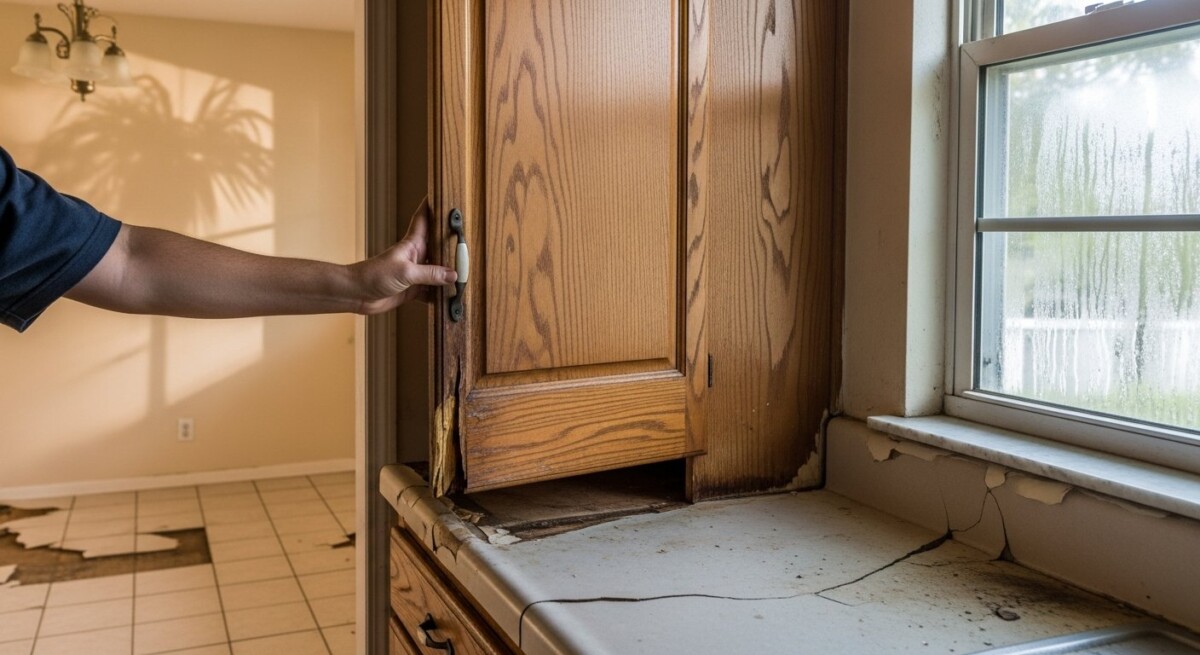
Jumping into a remodel without a solid plan can lead to serious problems. You might run out of money halfway through the project, discover mold behind a wall, or find that your new cabinets don’t fit because the floor is uneven. These issues are not just inconvenient,they can damage your home and reduce its value.
Safety is another critical concern. Electrical work, structural changes, and plumbing modifications require permits and inspections. Skipping these steps can create fire hazards, water damage, or even collapse risks. A well-planned project follows local building codes and keeps your family safe.
Delaying necessary repairs or remodeling can also increase costs over time. A small leak behind a shower wall can rot the subfloor and spread mold throughout the bathroom. Fixing it early might cost a few hundred dollars. Waiting until the damage spreads could turn into a five-figure repair.
If you notice signs of this issue in your home, it may help to speak with a qualified contractor. Request a free quote or call to explore your repair or remodeling options.
Common Problems Homeowners Experience
Even experienced homeowners run into obstacles when planning a remodel. One of the most common mistakes is underestimating the total cost. Many people only think about materials and labor, forgetting permits, dumpster fees, temporary housing, and unexpected repairs.
Another frequent problem is scope creep. You start by replacing countertops, then decide to change the backsplash, then the cabinets, and suddenly you are rewiring the entire kitchen. Without a clear plan, the project expands beyond your budget and timeline.
- Budget overruns that force you to pause the project mid-way
- Delays caused by supply chain issues or backordered materials
- Miscommunication with contractors about design expectations
- Structural surprises like rotten wood, outdated wiring, or termite damage
- Permit problems that halt construction and require rework
- Living in a construction zone for weeks longer than expected
How Professionals Solve the Problem
Experienced contractors bring order to the chaos of remodeling. They start with a thorough assessment of your home’s current condition. This inspection reveals hidden issues like moisture damage, foundation cracks, or inadequate electrical capacity that could derail the project later.
Once the assessment is complete, professionals follow a structured process. This keeps the project on track and prevents costly mistakes. Here is a typical sequence a contractor uses for a major remodel:
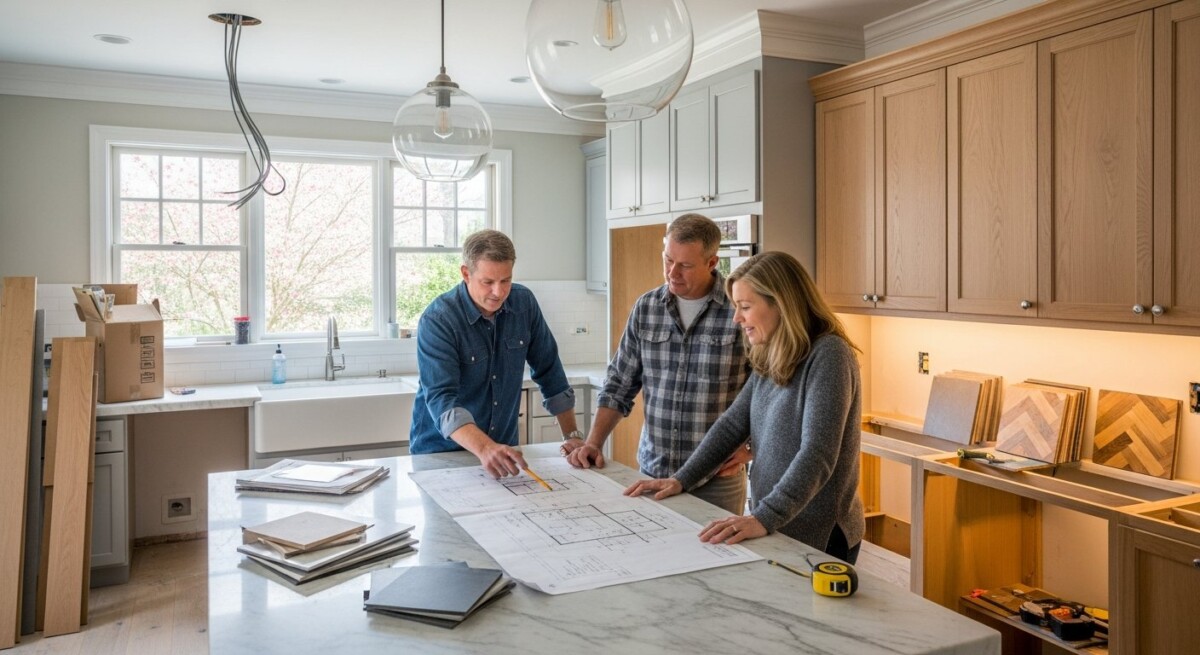
- Initial consultation and site evaluation to understand your goals
- Detailed scope of work and material selection
- Permit application and code compliance check
- Demolition and debris removal
- Structural, electrical, plumbing, and HVAC rough-ins
- Insulation, drywall, and finishing work
- Final inspections and punch list completion
Professional work is almost always safer and more reliable than DIY fixes. Contractors carry insurance, bond their work, and stand behind their craftsmanship. If something goes wrong, you have recourse. With a DIY project, you bear all the risk alone.
A professional inspection can reveal hidden issues before they become expensive repairs. Compare contractor quotes here or call to discuss your project.
Warning Signs You Should Not Ignore
Some problems are obvious, like a sagging ceiling or a toilet that rocks. Others are subtle and easy to dismiss. Paying attention to early warning signs can save you thousands of dollars and prevent a minor issue from becoming a major remodel.
If you notice any of these signs during your pre-remodel walkthrough, add them to your project scope. Ignoring them now means dealing with them later, often at a higher cost.
- Water stains on ceilings or walls, which may indicate a roof or pipe leak
- Musty odors or visible mold, signaling moisture behind walls
- Floors that slope or feel spongy, suggesting subfloor damage
- Doors or windows that stick, which can mean foundation movement
- Frequent circuit breaker trips, pointing to overloaded or outdated wiring
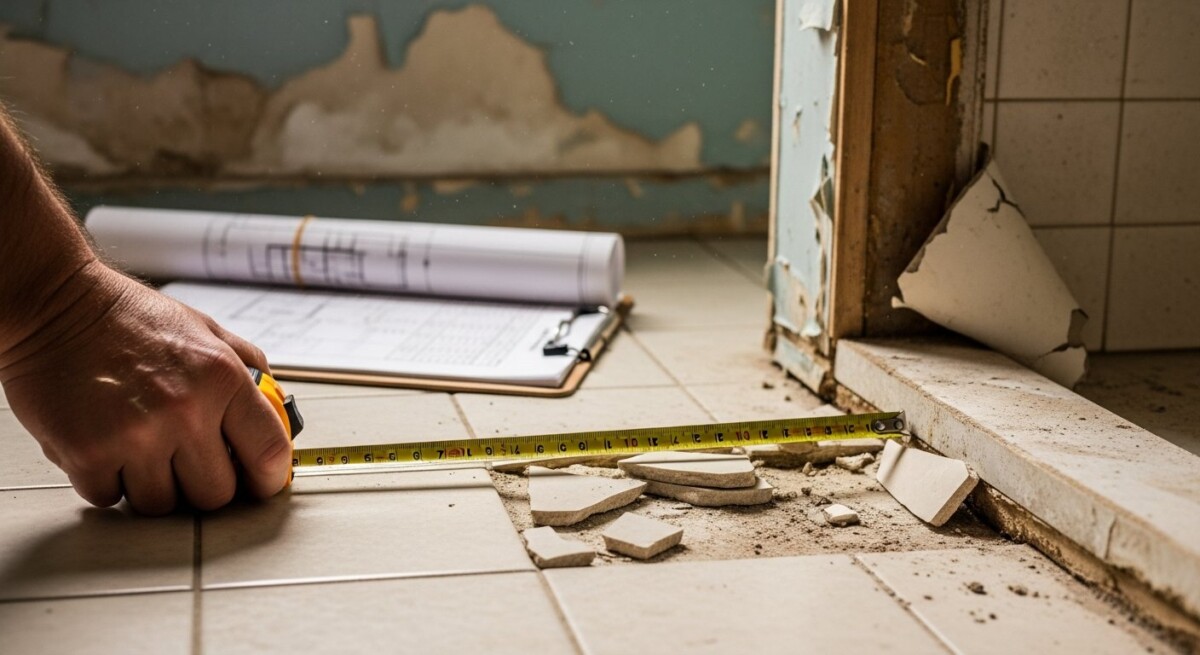
- Cracks in tile, grout, or drywall near plumbing fixtures
What Affects the Cost of Repairs or Installation
No two remodeling projects cost the same. The price depends on several factors, and understanding them helps you set a realistic budget. The size of the room or project is the biggest driver. A full kitchen remodel costs more than a bathroom refresh because it involves more square footage, more materials, and more trades.
Materials also play a huge role. Custom cabinetry, natural stone countertops, and high-end fixtures can double the cost of a remodel compared to stock options. Labor rates vary by region and by the complexity of the work. A load-bearing wall removal costs more than a simple partition because it requires engineering and structural support.
Accessibility matters too. A basement remodel is often more expensive than a main-floor project because materials and debris must be carried up and down stairs. Older homes may require additional work to bring systems up to code, which adds to the total.
Costs can vary depending on the condition of your home. The best way to know the price is to get a personalized estimate. Request free quotes from contractors or call today.
How To Choose the Right Contractor
Your contractor can make or break your remodeling experience. The right one communicates clearly, shows up on time, and delivers quality work. The wrong one can turn your dream project into a nightmare of delays, disputes, and subpar results.
Start by asking friends, neighbors, and local real estate agents for recommendations. Then verify each candidate’s credentials. A legitimate contractor should be licensed, insured, and willing to provide references from recent projects. Never hire someone who asks for full payment upfront or pressures you to sign a contract on the spot.
- Check their license status with your state or local licensing board
- Read online reviews on Google, Yelp, and the Better Business Bureau
- Ask for at least three references and call them
- Get detailed written estimates from at least three contractors
- Confirm they have experience with projects similar to yours
Taking the time to compare multiple quotes gives you leverage and helps you understand the market rate for your project. It also shows you which contractors are transparent about pricing and which ones try to hide costs.
Long-Term Benefits of Professional Work
A professionally planned and executed remodel adds lasting value to your home. The work is done right the first time, which means fewer repairs and less maintenance down the road. You also get the peace of mind that comes with knowing your home is safe, efficient, and built to code.
Energy efficiency is a major benefit of many remodels. New windows, better insulation, and modern HVAC systems can cut your utility bills significantly. Over time, these savings can offset part of the project cost. In our guide on home remodeling in Houston, we explain how regional climate considerations affect material choices and energy upgrades.
Improved home value is another long-term advantage. Kitchens and bathrooms consistently offer the highest return on investment. A well-done remodel can increase your home’s resale value by more than the cost of the project. If you plan to sell in the future, professional work gives buyers confidence.
Finally, professional work reduces future headaches. You will not have to worry about tiles falling off, cabinets pulling away from the wall, or plumbing leaks behind closed walls. For a deeper look at what remodeling involves, read our guide on what is home remodeling.
How long does a typical home remodel take?
A small bathroom remodel usually takes 2 to 4 weeks. A full kitchen remodel averages 4 to 8 weeks. Whole-house remodels can take 3 to 6 months or longer, depending on the scope and size of the home.
Do I need a permit for a home remodel?
Most structural, electrical, plumbing, and HVAC changes require a permit. Cosmetic updates like painting or flooring usually do not. Your contractor should handle the permit process as part of their service.
What is the first step in planning a home remodel?
The first step is defining your goals and budget. Write down what you want to achieve, how much you can spend, and what your absolute priorities are. Then schedule a professional consultation to get a reality check on feasibility.
Can I live in my home during a remodel?
It depends on the scope. For a single bathroom remodel, you can usually stay if you have another bathroom. For a kitchen remodel or whole-house project, you may need to arrange temporary housing or set up a temporary kitchen.
How do I know if a contractor is reliable?
Check their license, insurance, and references. Read online reviews and look for consistent positive feedback. A reliable contractor provides a detailed written contract, communicates regularly, and does not ask for large upfront payments.
Should I hire a designer before a contractor?
For complex projects like kitchen or whole-house remodels, hiring a designer first can save money. They create a detailed plan that contractors can bid on accurately, reducing the risk of change orders and cost overruns.
Remodeling your home is a big decision, but it does not have to be a stressful one. Start with a solid plan, set a realistic budget, and work with experienced professionals. The time you invest in planning pays off in fewer surprises, smoother construction, and a finished home you love. Before you sign any contract, take a few minutes to compare quotes from multiple contractors. It is the smartest way to ensure you get quality work at a fair price. Learn more about full home remodeling services and how they can simplify your project from start to finish.

About Alex Carter
"*" indicates required fields