Damaged Sewer Pipes: A Homeowner’s Guide to Signs and Solutions
"*" indicates required fields
A slow drain is a nuisance, but a damaged sewer pipe is a full-blown home emergency. Hidden beneath your yard or foundation, your main sewer line is the vital artery that carries all your home’s wastewater away. When it cracks, collapses, or clogs, it can lead to messy backups, foul odors, and costly property damage. Understanding the problem is the first step to a safe, lasting solution.
Understanding Damaged Sewer Pipes
Your home’s sewer line is a pipe, typically 4 to 6 inches in diameter, that connects your home’s plumbing system to the city’s main sewer line or your private septic tank. It handles everything from toilet waste to sink and shower water.
Damage to this critical line means it can no longer perform its job effectively. This isn’t just a simple clog you can fix with a plunger. Damage refers to a physical compromise of the pipe itself,like cracks, holes, bellies (sags), or complete breaks. These issues allow wastewater to escape into the surrounding soil and, sometimes, let tree roots and dirt to invade the pipe.
Types of Pipe Materials
Older homes often have pipes made of cast iron, clay, or Orangeburg (a bituminous fiber conduit). These materials are more susceptible to corrosion, cracking, and root intrusion over decades of use. Modern homes usually use more durable PVC or ABS plastic pipes, which resist corrosion but can still be damaged by shifting soil or improper installation.
Why It Matters for Homeowners
Ignoring a damaged sewer pipe is one of the most costly mistakes a homeowner can make. What starts as a minor issue can quickly escalate into a major disaster affecting your home’s health, safety, and value.
Raw sewage backing up into your home is a severe health hazard, exposing your family to dangerous bacteria and pathogens. Furthermore, leaking wastewater can saturate the soil around your foundation, leading to sinkholes, foundation cracks, and landscape destruction. The longer the problem persists, the more extensive and expensive the repairs become, both for the pipe and the collateral damage it causes.
Don’t wait for a sewage flood in your basement. If you suspect a problem, getting a professional diagnosis is crucial. Contact Repairmen today or call (555) 123-4567 for a thorough sewer line inspection and an honest assessment.
Common Issues and Their Causes
Sewer line damage rarely happens overnight. It’s usually the result of years of wear, environmental pressure, or accidental impact. Knowing the common culprits can help you understand the risks to your property.
The most frequent causes of sewer pipe failure include invasive tree roots seeking moisture, which can crack joints and completely block pipes. Over time, the ground naturally shifts and settles, which can cause pipes to sag (creating a “belly” that collects waste) or even break. In colder climates, ground freezing and thawing cycles exert tremendous pressure on pipes.
- Tree Root Intrusion: Roots are drawn to the moisture and nutrients in sewer lines, growing through tiny cracks and eventually blocking the flow.
- Ground Movement & Corrosion: Soil shifting, earthquakes, or heavy construction traffic can crack pipes. Old metal pipes rust and corrode from the inside out.
- Grease & Debris Buildup: Pouring fats and non-flushable items (wipes, hygiene products) down drains creates hard clogs that strain and block pipes.
- Old Age & Material Failure: Pipes, like anything else, have a lifespan. Old clay or cast iron pipes simply wear out after 50-100 years.
How Professionals Fix the Problem
Gone are the days when fixing a sewer line always meant digging a massive, destructive trench across your entire yard. Today’s plumbing professionals use advanced, less invasive techniques to repair most problems efficiently.
The process begins with a sewer camera inspection. A professional inserts a flexible, waterproof camera into your cleanout or through a roof vent to travel the entire length of the pipe. This provides a real-time video feed, pinpointing the exact location, nature, and severity of the damage,all without any digging.
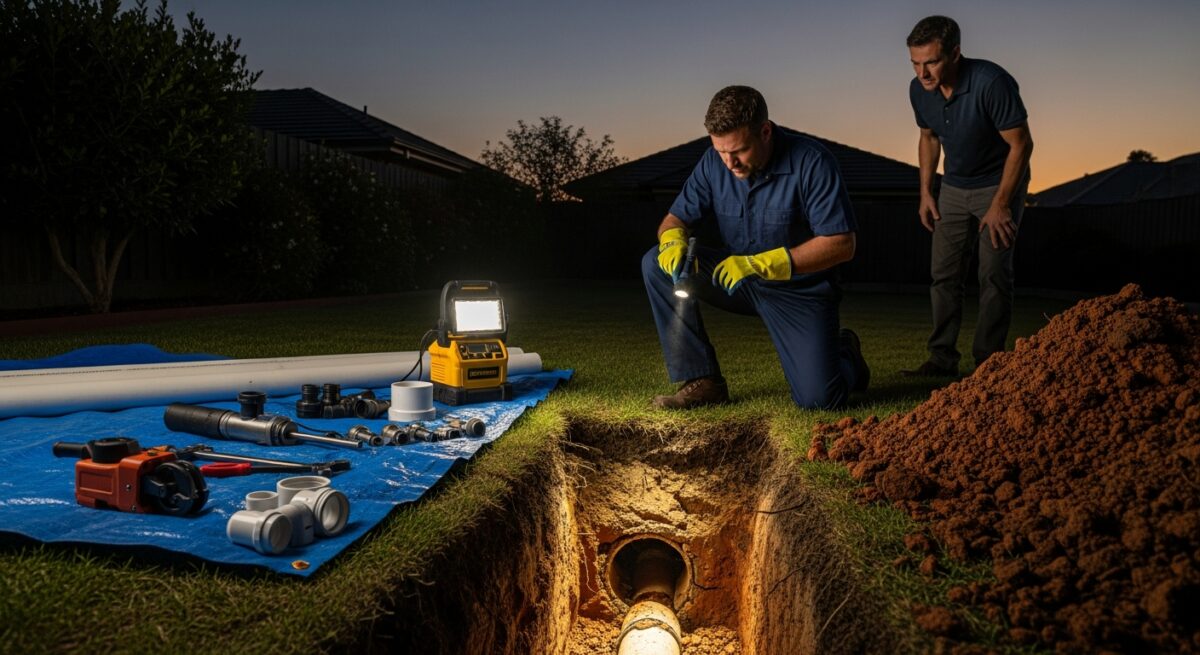
Based on the inspection, your technician will recommend the best repair method. For cracks, holes, or root intrusions in an otherwise sound pipe, trenchless pipe lining (also called Cured-In-Place Pipe or CIPP) is often ideal. A resin-saturated liner is inserted into the old pipe and inflated, creating a new, seamless pipe within the old one. For severely collapsed or misaligned pipes, trenchless pipe bursting may be used, where a bursting head pulls a new pipe through while simultaneously breaking apart the old one.
For extensive damage or in situations where trenchless isn’t suitable, traditional excavation is still a reliable option. The key is having a professional who can explain all your choices. Let Repairmen provide a clear, upfront quote and discuss the best repair strategy for your home and budget. Call us at (555) 123-4567.
Signs You Should Not Ignore
Your home often sends clear distress signals when the main sewer line is in trouble. Learning to recognize these early warnings can save you thousands of dollars and prevent a horrible mess.
Some signs are obvious, like multiple drains backing up at once or sewage coming up in your basement floor drain. Others are more subtle but just as telling. Pay attention to strange gurgling sounds coming from your toilets or drains when you run water elsewhere, as this often indicates a blockage deep in the line.
- Multiple Drain Backups: Toilets, showers, and sinks all drain slowly or back up simultaneously, especially when using washing machine.
- Unpleasant Odors: Persistent sewer gas smells in your yard, basement, or coming from drains indicate a crack or break in the pipe.
- Unusual Lawn Patches: Unexplained soggy, sunken, or extra-lush green spots in your yard can signal a leaking sewer line underground.
- Foundation Cracks or Settlement: New cracks in your foundation or interior walls can be caused by soil erosion from a leaking pipe.
Cost Factors and What Affects Pricing
The cost to repair a damaged sewer line can vary widely, typically ranging from a few thousand to tens of thousands of dollars. Understanding what influences the price helps you make an informed decision and avoid surprises.
The primary factor is the repair method. Trenchless repairs, while less disruptive, often have a higher material cost but can save significantly on labor and landscape restoration. Traditional excavation is labor-intensive and adds costs for digging, backfilling, and repairing your yard, driveway, or sidewalk.
Other major factors include the location and depth of the damage (under a driveway is more costly than under a lawn), the length of pipe that needs repair, local permit costs, and the accessibility of your cleanout. An honest professional will provide a detailed estimate that breaks down all these elements after a camera inspection.
Worried about the potential cost? An accurate diagnosis is the first step. Schedule a sewer camera inspection with Repairmen for a precise quote. Call (555) 123-4567,we believe in transparent pricing and will explain every detail.
How To Choose the Right Professional or Service
Not all plumbers are equipped to handle main sewer line repairs. This is specialized work that requires specific training, insurance, and equipment. Choosing the right team is essential for a job done right.
Always look for a licensed, insured professional with specific experience in sewer line repair and trenchless technology. Ask for proof of insurance and check online reviews. A reputable company will always recommend a camera inspection first,be wary of anyone who quotes a large repair without seeing the problem.
Get detailed, written estimates from at least two companies. The estimate should clearly state the proposed method, materials, warranty, timeline, and total cost, including permits and restoration. Choose the company that provides the clearest communication and makes you feel confident in their expertise, not just the lowest price.
Long-Term Benefits for Your Home
Investing in a proper sewer line repair delivers peace of mind and tangible value for years to come. A fully functional sewer system protects your family’s health by eliminating exposure to raw sewage and preventing mold growth from moisture intrusion.
It safeguards your property investment by preventing catastrophic foundation damage and landscape ruin. Modern repair methods, especially trenchless lining, often result in a new pipe that is more durable and root-resistant than the original, potentially adding decades of reliable service. Ultimately, fixing the problem correctly the first time prevents recurring emergencies, saving you money, stress, and hassle in the long run.
Frequently Asked Questions
How long does sewer line repair take?
Most trenchless repairs can be completed in one to two days. Traditional excavation can take several days to a week, depending on the depth, length, and complexity of restoring the landscape afterward.
Will you have to dig up my entire yard?
Not necessarily. Trenchless repair methods typically require only one or two small access pits, leaving your lawn, driveway, and landscaping largely intact. We always opt for the least invasive method possible.
Can I use chemical drain cleaners on a main line clog?
We strongly advise against it. These harsh chemicals rarely fix a deep clog and can corrode your pipes, especially older ones, making them more prone to damage. They are also a safety hazard.
Does homeowner’s insurance cover sewer line repair?
It depends on your policy and the cause of damage. Sudden, accidental damage (like a tree root crushing a pipe) may be covered, while wear and tear from age typically is not. Always check with your insurance provider.
How often should I have my sewer line inspected?
For preventative maintenance, we recommend a camera inspection every 18-24 months if you have large trees near your line or an older home. Otherwise, an inspection at the first sign of trouble is sufficient.
What is the lifespan of a repaired sewer line?
A trenchless pipe liner can last 50 years or more. A fully replaced PVC pipe has a similar lifespan. The longevity depends on the material used and proper installation by a qualified professional.
A damaged sewer line is a serious issue, but with the right knowledge and professional help, it’s a solvable one. By recognizing the warning signs early and partnering with a trusted, experienced team, you can protect your home, your health, and your wallet. Don’t let a hidden problem become a household disaster.

About Alex Carter
"*" indicates required fields