
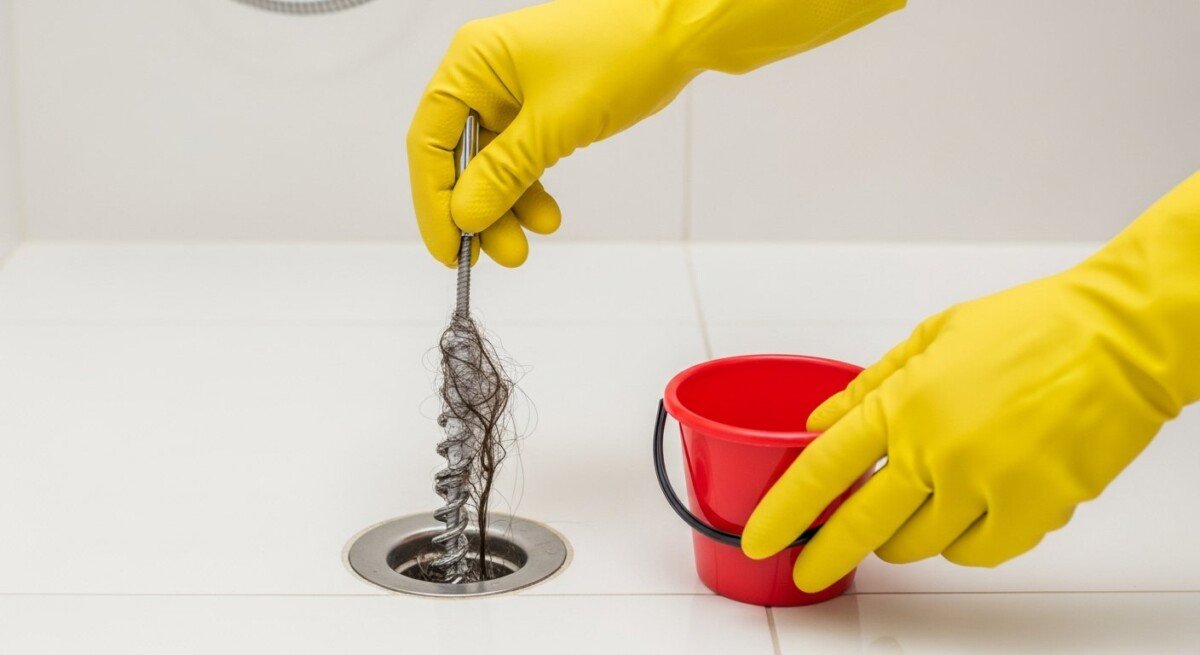
Clogged Drain Causes and How to Fix Them
Learn the common clogged drain causes, why they’re serious, and how professional repair protects your home from damage and costly emergencies.

By Alex Carter
Learn more about Plumbing Pipe Repair for guides, costs, and what to expect.
Compare Plumbing Pipe Repair Pros Near You

Enter your ZIP code to compare top-rated local professionals and request free quotes.
You’re brushing your teeth, and instead of swirling away, the water in the sink just sits there, slowly inching down. Or maybe you’re in the shower, and you find yourself standing in an increasingly warm puddle. A clogged drain is one of the most common and frustrating problems a homeowner can face. It often starts as a minor nuisance,a slow drain here, a gurgle there,but ignoring these early warnings can lead to serious backups, water damage, and costly repairs. Understanding the common clogged drain causes is the first step to protecting your home and getting your plumbing flowing smoothly again.
Understanding Clogged Drain Causes
At its core, a clog is simply a blockage that prevents water from flowing freely through your pipes. This happens when materials build up on the pipe walls or get stuck at a bend or joint. Over time, this buildup catches more debris, and the flow of water becomes slower and slower until it stops completely.
Every drain in your home is vulnerable, from kitchen sinks to shower drains and main sewer lines. While some clogs are simple and localized, others can be deep within your home’s plumbing system, indicating a larger issue. The materials that cause these blockages are often everyday items we don’t think twice about washing down the drain.
Kitchen vs. Bathroom Drains
Different drains face different enemies. Kitchen sink clogs are typically caused by fats, oils, grease, and food scraps. In the bathroom, hair, soap scum, and personal care products are the usual culprits. Toilets have their own set of challenges, often clogged by non-flushable items.
Why This Matters for Your Home
Ignoring a slow or clogged drain is more than just an inconvenience. That standing water can become a breeding ground for bacteria and mold, creating unpleasant odors and potential health hazards. More critically, a complete blockage creates pressure in your pipes that can lead to leaks or even burst pipes, especially in older homes.
Water damage from an overflow or leak is one of the most expensive home repairs. It can ruin cabinetry, flooring, and drywall, and if not addressed quickly, can lead to structural damage and mold remediation costs. A professional plumber can not only clear the immediate clog but also help you understand if there’s a recurring issue that needs a more permanent solution.
If you notice signs of this issue in your home, it may help to speak with a qualified contractor. Request a free quote or call to explore your repair or remodeling options.
Common Problems Homeowners Experience
Clogs rarely announce themselves with a dramatic burst. Instead, they give you subtle hints that gradually become impossible to ignore. You might first notice it takes longer for water to disappear after doing dishes. Later, you might hear strange gurgling sounds coming from other drains when you flush a toilet.
These problems can stem from issues inside your home or even outside in the main sewer line. Tree roots seeking moisture can infiltrate and crush old pipes, while shifts in your home’s foundation can cause pipes to sag and trap debris. Sometimes, what seems like a simple clog is actually a symptom of low water pressure or other systemic plumbing issues, which we explore in our guide on common low water pressure causes.
- Slow Draining: Water takes minutes, not seconds, to drain from sinks, tubs, or showers.
- Complete Stoppage: Water refuses to drain at all, often backing up into the sink, tub, or floor drain.
- Multiple Drain Backups: When using one fixture causes a backup in another (e.g., flushing the toilet makes the shower drain bubble). This often points to a main line clog.
- Foul Odors: Persistent sewer smells coming from drains indicate trapped decomposing material.
- Gurgling Sounds: Bubbling or gurgling noises from drains when water is running elsewhere signal a venting problem or partial blockage.
- Frequent Plunger Use: If you find yourself reaching for the plunger more than once in a blue moon, you have a chronic clogging issue.
How Professionals Solve the Problem
When a store-bought drain cleaner or a plunger fails, it’s time to call a professional. Plumbers have the tools, expertise, and experience to diagnose the exact cause and location of a clog without guesswork. They can also spot underlying issues, like deteriorating pipes or improper installation, that a homeowner might miss.
A professional approach is safer and more effective than harsh chemical drain cleaners, which can damage your pipes and pose health risks. Plumbers use mechanical methods to clear blockages, ensuring the job is done thoroughly and with minimal risk to your plumbing system. For persistent or complex clogs, knowing how to tackle clogged drain repair properly is a job for a skilled technician.
- Inspection & Diagnosis: Using a small camera, the plumber snakes a line down your drain to visually identify the clog’s nature and location on a monitor.
- Selecting the Right Tool: Based on the diagnosis, they choose the best method,a manual drain snake, a motorized auger for tougher clogs, or a high-pressure water jetter for grease and root intrusions.
- Clearing the Blockage: The technician methodically breaks up or extracts the clog material, restoring full flow.
- Post-Clearance Inspection: A final camera check ensures the pipe is completely clear and allows them to assess the pipe’s overall condition for cracks, bellies, or root damage.
- Recommendations & Prevention: A trustworthy plumber will explain what caused the clog and offer advice or solutions to prevent it from happening again.
A professional inspection can reveal hidden issues before they become expensive repairs. Compare contractor quotes here or call to discuss your project.
Warning Signs You Should Not Ignore
Paying attention to the early warnings your plumbing system gives you can save thousands of dollars and a major headache. A slow drain today is often a completely blocked drain tomorrow. Acting quickly when you first notice a problem can prevent a small issue from escalating into a home-wide plumbing emergency.
Some signs indicate a problem that goes beyond a simple hair clog in the P-trap. For instance, if you notice water backing up in strange places when you run an appliance, it could be related to pressure issues throughout your system. Understanding the causes and solutions for water pressure issues can help you communicate more effectively with a professional.
- Water Backing Up in Other Fixtures: The most serious red flag, indicating a main sewer line clog.
- Overflowing Floor Drains: Water coming up from the basement floor drain during heavy use.
- Persistent Sewer Smell: A constant rotten egg odor from drains, even when they’re not in use.
- Unusual Lawn Patches: Unexpectedly lush, wet, or sunken spots in your yard could signal a leaking sewer line.
- Bubbling Toilet Water: The water in your toilet bowl bubbles or ripples for no apparent reason.
- History of Frequent Clogs: If clogs in the same drain are a recurring theme, the pipe itself may be damaged or improperly sloped.
What Affects the Cost of Repairs or Installation
The cost to fix a clogged drain isn’t a one-size-fits-all number. A simple sink clog cleared with a hand auger will cost significantly less than a main sewer line clog that requires excavation and pipe replacement. The final price depends on a combination of factors related to the complexity of the job and your home’s specific plumbing.
An honest contractor will provide a clear estimate after diagnosing the problem. They should explain what they need to do and why, so you understand what you’re paying for. Getting multiple quotes is the best way to ensure you receive a fair price for quality work.
Costs can vary depending on the condition of your home. The best way to know the price is to get a personalized estimate. Request free quotes from contractors or call today.
How to Choose the Right Contractor
Finding a reliable plumbing professional is crucial. You want someone who will fix the problem correctly the first time, not just provide a temporary patch. Start by asking friends and neighbors for recommendations and checking online reviews for consistent patterns of positive feedback.
A reputable contractor will be transparent, licensed, insured, and willing to answer all your questions. They should provide a detailed written estimate that outlines the scope of work, materials, labor, and a timeline. Avoid anyone who pressures you for an immediate decision or only offers a vague verbal quote.
- Verify Licenses and Insurance: Always ask for proof. This protects you if anything goes wrong during the job.
- Read Reviews and Ask for References: Look for feedback on their punctuality, cleanliness, communication, and quality of work.
- Get Detailed, Written Estimates: Compare quotes from at least three contractors. The cheapest option isn’t always the best value.
- Ask About Experience with Your Specific Issue: If you have an old home or suspect a main line clog, find a plumber who specializes in those areas.
- Check for Warranties: Do they guarantee their work for a period of time after the repair is complete?
Long-Term Benefits of Professional Work
Investing in a professional plumbing repair does more than just clear a clog. It protects your home’s value and your family’s comfort. Properly functioning drains are essential for daily life and prevent the stress and disruption of unexpected plumbing disasters.
Quality workmanship ensures the repair lasts. A professional can also advise you on preventive maintenance, like regular drain cleaning or installing hair catchers, which can extend the life of your pipes. Well-maintained plumbing is a key selling point for potential buyers and contributes to the overall health and safety of your living environment.
What are the most common causes of kitchen sink clogs?
The biggest offenders are fats, oils, and grease (FOG). When poured down the drain, they liquid, but solidify inside your cool pipes, catching food particles and creating a hard, cement-like blockage. Food scraps, especially starchy ones like pasta and rice, also expand with water and contribute to major clogs.
Can I use chemical drain cleaners?
It’s not recommended. These caustic chemicals can corrode your pipes (especially older metal ones), leading to leaks. They are also hazardous to your health and often only create a small hole in the clog, which quickly closes up again. Mechanical clearing by a plumber is safer and more effective.
Why do my drains keep clogging in the same spot?
Recurring clogs in one drain usually point to a problem with that specific pipe. It could be damaged, improperly installed with insufficient slope, or have a rough interior that catches debris easily. A camera inspection can identify the root cause.
What should I never flush down the toilet?
Only human waste and toilet paper should be flushed. Never flush “flushable” wipes (they don’t disintegrate), feminine hygiene products, cotton swabs, dental floss, paper towels, or cat litter. These items are guaranteed to create a sewer line clog.
How can I prevent shower drain clogs?
Install a metal or silicone hair catcher over the drain. Clean it after every shower. Regularly flush the drain with a mixture of baking soda and vinegar followed by hot water to help break down soap scum before it builds up.
What does a gurgling drain mean?
Gurgling sounds typically indicate a venting problem or a partial blockage. As water tries to drain, it pulls air through the water in the P-trap, creating bubbles and noise. This often means a clog is forming further down the line.
How do I know if it’s a main sewer line clog?
Key signs include multiple fixtures backing up at once (e.g., toilet flushes cause water to come up in the shower drain), gurgling sounds from several drains, or sewage backing up into basement floor drains. This requires immediate professional attention.
Are there natural ways to clean drains?
For maintenance, pour a half-cup of baking soda followed by a half-cup of vinegar down the drain. Cover it for 15 minutes, then flush with very hot water. This can help break down mild organic buildup but will not clear a solid clog.
A clogged drain is a problem that only gets worse with time. By understanding the common causes and heeding the early warning signs, you can take proactive steps to protect your home from water damage and costly emergency repairs. Don’t let a slow drain turn into a household crisis. The most practical and cost-effective approach is to consult with a professional who can provide a lasting solution. Start by comparing detailed quotes from qualified, local contractors to understand your options and restore peace of mind to your home.
Learn more about Plumbing Pipe Repair for guides, costs, and what to expect.
Compare Plumbing Pipe Repair Pros Near You
Enter your ZIP code to compare top-rated local professionals and request free quotes.