Can Remodeling Increase Home Value? A Practical Guide
"*" indicates required fields
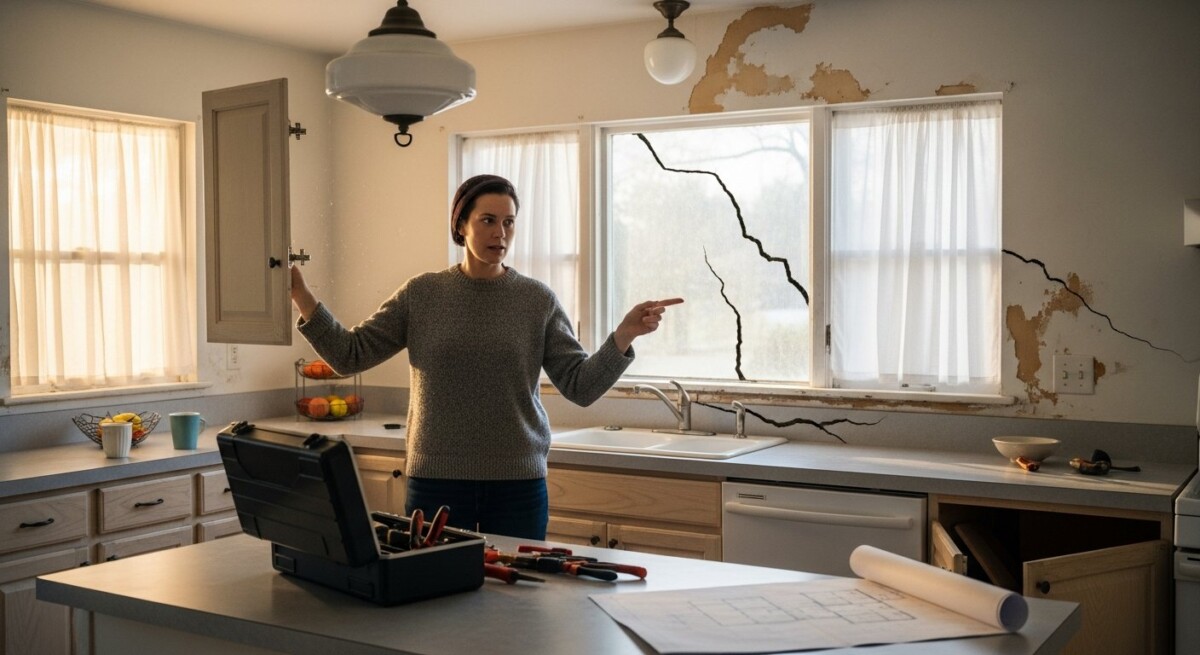
You walk into your kitchen and notice the cabinets are starting to sag. The countertops have seen better days, and the outdated tile backsplash feels like a relic from another decade. You wonder if it is worth the investment to update everything. For many homeowners, this is the moment they start asking a critical question: can remodeling increase home value? The answer is yes, but only if you make the right choices. Ignoring major updates in key areas like the kitchen or bathroom can actually lower your home’s market appeal over time.
When you start noticing wear and tear, it is easy to put off big projects. You might assume cosmetic flaws are just part of owning a home. But those small issues can compound. A leaky faucet can lead to water damage behind the walls. Outdated electrical systems can create safety hazards. The longer you wait, the more expensive the repair becomes. Understanding how remodeling affects your home’s value helps you prioritize projects that protect your investment and improve your daily living experience.
In this guide, you will learn what types of remodeling projects offer the best return on investment, why professional work matters, and how to avoid costly mistakes. By the end, you will have a clear plan for improving your home without overspending.
Understanding Can Remodeling Increase Home Value
Remodeling increases home value when you focus on projects that buyers care about most. Kitchens, bathrooms, and curb appeal upgrades consistently deliver the highest returns. A minor kitchen remodel, for example, can recoup over 70 percent of its cost at resale. Bathroom renovations often see similar returns, especially when you update fixtures, lighting, and flooring.
Why does this happen? Buyers want move-in ready homes. They do not want to spend weekends ripping out old cabinets or replacing worn-out carpet. When you invest in modern finishes and functional layouts, your home stands out in a competitive market. Even small changes, like new hardware or a fresh coat of paint, can make a property feel more valuable.
Homes that are most affected by remodeling value include older properties with original fixtures, houses in neighborhoods where upgrades are common, and homes that have not been updated in ten years or more. If your home falls into any of these categories, strategic remodeling can significantly boost your resale price.
Which Remodels Offer the Best Return?
Not all remodeling projects are equal. Some upgrades cost more than they add to your home’s value. For instance, a high-end home office renovation may not appeal to every buyer. On the other hand, replacing an old garage door or adding stone veneer to the front of your house can return nearly 100 percent of the cost at resale. The key is to focus on projects that improve functionality, energy efficiency, and visual appeal without over-customizing for your personal taste.
Why This Matters for Your Home
Your home is likely your biggest financial asset. When remodeling increases home value, you build equity and gain more options if you decide to sell. But the benefits go beyond money. Updated homes are safer, more comfortable, and cheaper to maintain. New windows reduce energy bills. Modern plumbing prevents leaks. Updated electrical systems lower the risk of fire.
Delaying important remodels can lead to bigger headaches. A small roof leak turns into structural rot. An old water heater fails and floods your basement. These emergencies cost thousands more than planned renovations. By addressing issues early, you protect your family and your property.
There is also a comfort factor. Living in a home that feels outdated can be frustrating. You might avoid hosting guests because your kitchen is cramped or your bathroom feels dingy. Remodeling transforms how you experience your home every day, making it a place you are proud to call your own.
If you notice signs of this issue in your home, it may help to speak with a qualified contractor. Request a free quote or call to explore your repair or remodeling options.
Common Problems Homeowners Experience
Many homeowners struggle with knowing which remodeling projects actually pay off. You might spend thousands on a luxury bathroom only to find that buyers prefer a simple, clean design. Another common problem is underestimating the total cost of a remodel. Hidden issues like old wiring or mold can double your budget if you are not prepared.
Timing is another challenge. You may want to remodel but worry about living through construction. Dust, noise, and limited access to your kitchen or bathroom can be stressful. Without a clear plan, projects drag on for months, causing frustration and cost overruns.
Here are some of the most frequent issues homeowners face when considering a remodel:
- Outdated kitchens with inefficient layouts and worn appliances
- Bathrooms with cracked tile, old fixtures, or poor ventilation
- Drafty windows and doors that drive up energy costs
- Worn flooring that makes the home feel dirty or dated
- Inadequate storage space in closets and garages
- Poor curb appeal due to faded paint, overgrown landscaping, or an old front door
How Professionals Solve the Problem
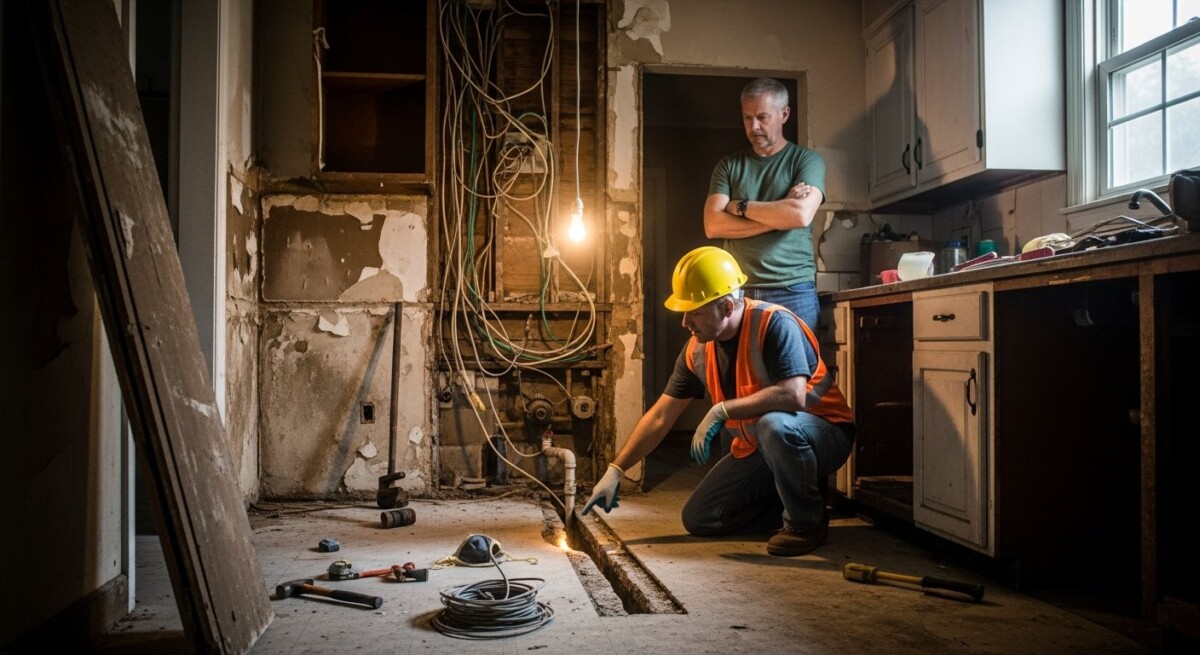
Experienced contractors approach remodeling with a systematic process that saves you time and money. They start with a thorough inspection to identify hidden issues like water damage, outdated wiring, or structural weaknesses. This upfront assessment prevents surprises later. Then they create a detailed plan with realistic timelines and material selections that fit your budget.
Professional work is safer and more reliable than DIY fixes. A contractor knows local building codes and obtains the necessary permits. They have access to trade discounts on materials and can coordinate electricians, plumbers, and carpenters efficiently. When you hire a pro, you avoid the common pitfalls of amateur work that can actually decrease your home’s value.
Here is a typical process professionals follow for a kitchen or bathroom remodel:
- Initial consultation and on-site inspection
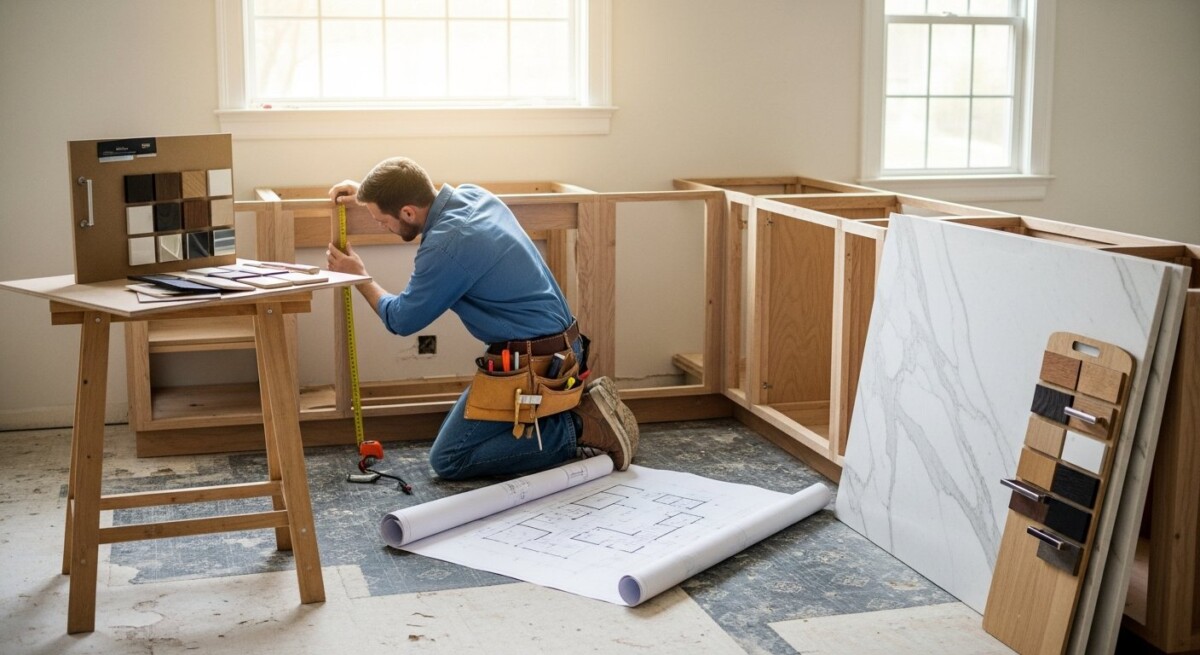
- Design and material selection based on your goals and budget
- Obtaining permits and ordering materials
- Demolition and removal of old fixtures
- Rough-in work for plumbing, electrical, and HVAC
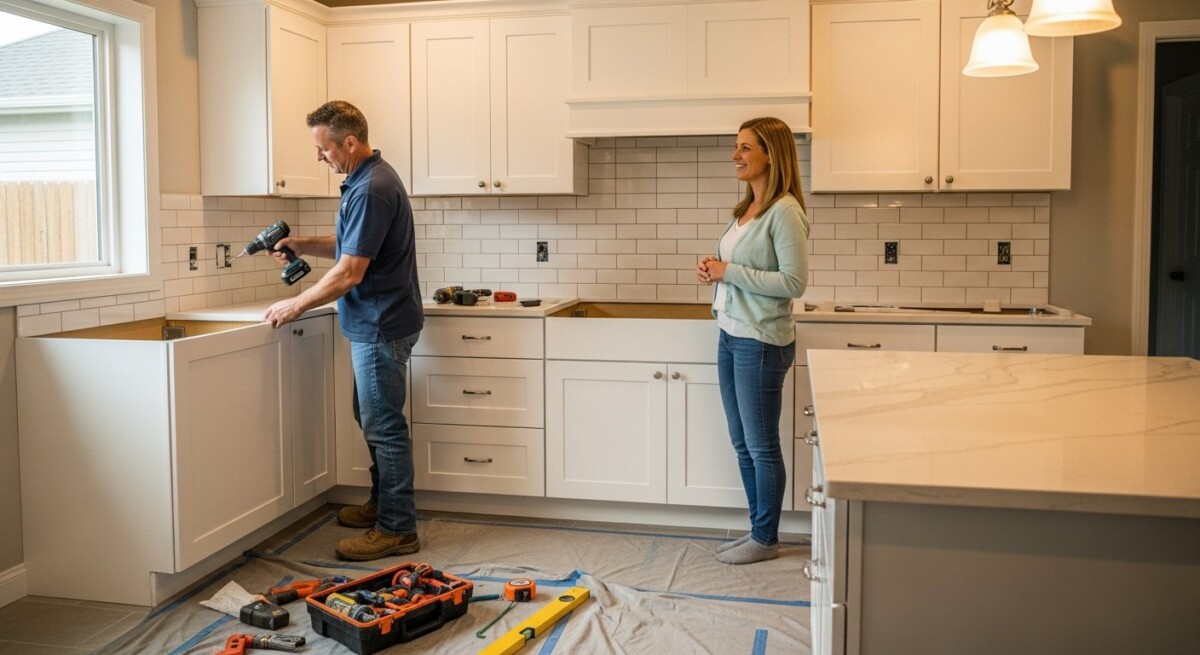
- Installation of new cabinets, countertops, flooring, and fixtures
- Final inspection and cleanup
A professional inspection can reveal hidden issues before they become expensive repairs. Compare contractor quotes here or call to discuss your project.
Warning Signs You Should Not Ignore
Some problems are obvious, like a cracked foundation or a leaking roof. But other warning signs are subtle. Pay attention to how your home feels. Are certain rooms always too hot or too cold? Do you hear water running when no faucets are on? These small clues can point to bigger issues that affect your home’s value.
Ignoring early warning signs often leads to emergency repairs that cost much more than planned renovations. For example, a small patch of soft drywall near a window might indicate a slow leak that will eventually rot the framing. Catching it early means a simple repair instead of a full wall replacement.
Look for these signs that suggest it is time to remodel or repair:
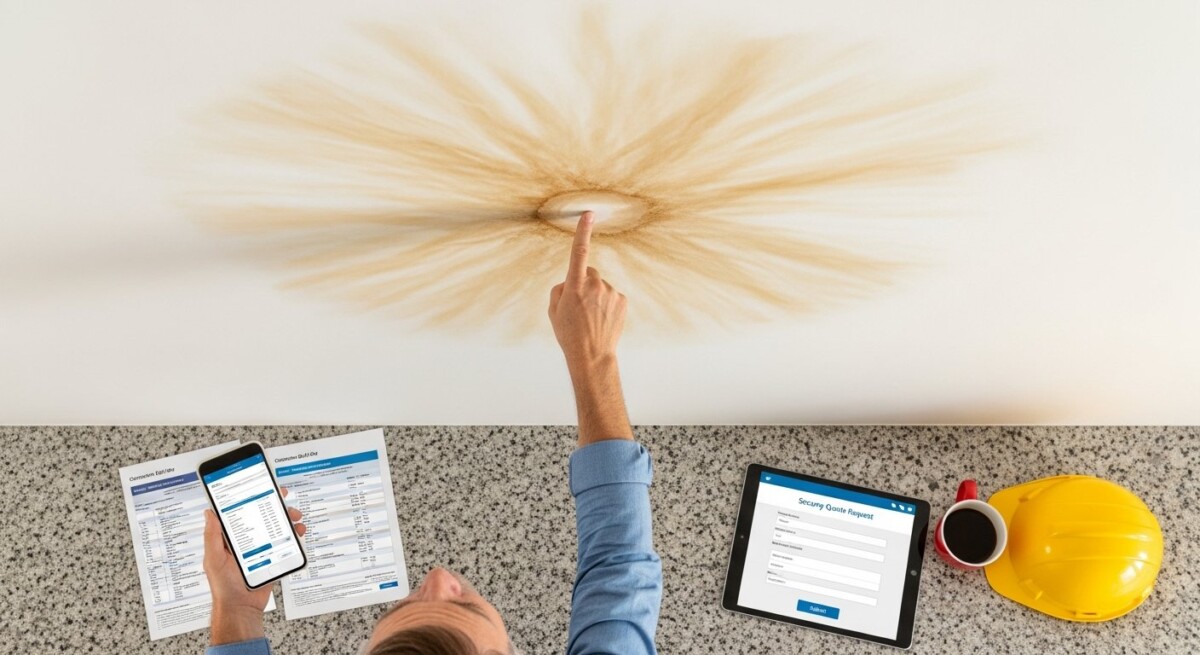
- Water stains on ceilings or walls
- Musty odors that indicate mold or mildew
- Drafts around windows or doors
- Flickering lights or frequently tripped breakers
- Peeling paint or wallpaper that suggests moisture
- Uneven floors or doors that stick
What Affects the Cost of Repairs or Installation
Several factors determine how much your remodeling project will cost. The size of the space is the most obvious. A full kitchen remodel in a large open-plan home will cost more than a small galley kitchen update. Materials also play a huge role. Solid quartz countertops cost more than laminate, but they also add more value and last longer.
Labor costs vary by location and the complexity of the job. If your home has unique structural challenges, like load-bearing walls that need to be moved, expect higher costs. Accessibility matters too. A bathroom on the second floor is harder to work on than one at ground level, which can increase labor time and expense.
The age of your home can also affect pricing. Older homes often have outdated plumbing, electrical, or insulation that must be brought up to code. This adds to the total cost but also ensures your remodel is safe and legal. Getting multiple quotes helps you understand the realistic range for your specific project.
Costs can vary depending on the condition of your home. The best way to know the price is to get a personalized estimate. Request free quotes from contractors or call today.
How to Choose the Right Contractor
Finding the right contractor is just as important as choosing the right remodel. A skilled contractor delivers quality work on time and within budget. A bad contractor can turn your dream renovation into a nightmare. Start by asking friends and neighbors for recommendations. Look for contractors who specialize in the type of project you want, whether that is kitchens, bathrooms, or whole-home remodels.
Always check credentials before signing a contract. Verify that the contractor is licensed and insured in your state. Insurance protects you if a worker gets injured on your property. Read online reviews on sites like Google and Yelp, but also ask for references you can call directly. A reputable contractor will be happy to share past client experiences.
Here are tips for choosing a contractor you can trust:
- Verify licensing and insurance with your state’s contractor board
- Read recent reviews and ask for references
- Get at least three detailed written estimates
- Compare warranties on materials and workmanship
- Confirm experience with projects similar to yours
Long-Term Benefits of Professional Work
Professional remodeling pays off in many ways beyond the initial boost in home value. Quality materials and skilled installation mean your upgrades will last longer. You will spend less on repairs and replacements over the years. Energy-efficient windows, insulation, and appliances lower your monthly utility bills, putting money back in your pocket.
Safety is another major benefit. Professional contractors follow building codes that protect your family from electrical fires, carbon monoxide leaks, and structural failures. Updated smoke detectors, GFCI outlets, and proper ventilation are small details that make a big difference in daily life.
Finally, professional work gives you peace of mind. When you sell your home, you can confidently disclose that all renovations were done by licensed contractors with permits. Buyers see this as a major plus. They know the work was done right, which makes them more willing to pay full price. In our guide on can remodeling increase home value, we explain how to choose projects that offer the best returns.
Frequently Asked Questions
Does remodeling always increase home value?
No, not every remodel adds value. Projects that are too personalized or poorly executed can actually lower your home’s appeal. Focus on neutral designs and functional improvements that appeal to a wide range of buyers.
Which room remodel adds the most value?
Kitchen and bathroom remodels consistently offer the highest return on investment. Minor kitchen updates and mid-range bathroom renovations typically recoup 60 to 80 percent of their cost at resale.
How much does a kitchen remodel increase home value?
A minor kitchen remodel can increase your home’s value by $15,000 to $25,000 on average, depending on your market. Major upscale remodels may not return as high a percentage but can still add significant dollar value.
Should I remodel before selling my home?
Yes, if you can focus on high-impact updates like fresh paint, new flooring, and modern fixtures. These improvements help your home sell faster and for a higher price.
Can I finance a home remodel?
Yes, many homeowners use home equity loans, cash-out refinancing, or personal loans to fund remodels. Some contractors also offer financing options. Compare rates and terms before committing.
How do I find a reliable contractor?
Ask for referrals from friends, check online reviews, and verify licenses and insurance. Always get multiple quotes and ask for references before hiring.
Do small remodels increase home value?
Yes, even small projects like replacing cabinet hardware, updating light fixtures, or painting walls can improve your home’s perceived value and help it sell faster.
How long does a typical remodel take?
A minor kitchen or bathroom remodel usually takes 3 to 6 weeks. Major whole-home renovations can take 3 to 6 months, depending on scope and permitting.
Remodeling your home is one of the best ways to protect your investment and improve your quality of life. By focusing on the right projects and working with experienced professionals, you can increase your home’s value while creating a space you love. Do not wait until small problems become big expenses. Compare contractor quotes today to find the best options for your home and budget.

About Alex Carter
"*" indicates required fields