Can Remodeling Increase Home Value? A Practical Guide for Homeowners
"*" indicates required fields
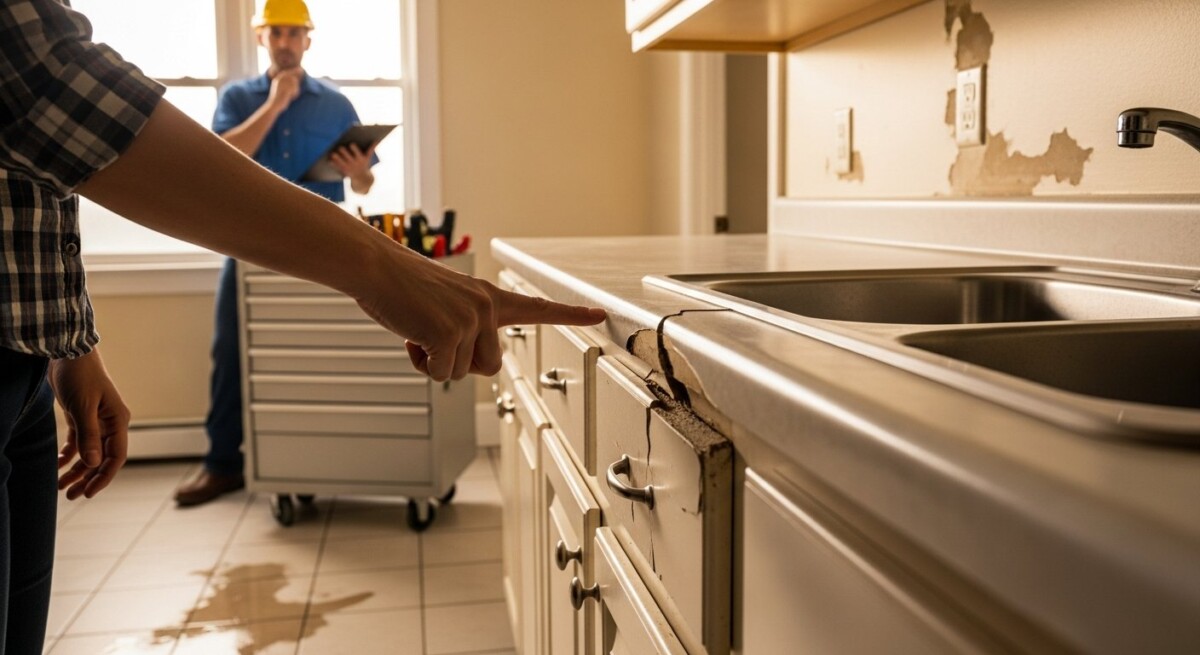
You walk into your kitchen and notice the countertops are starting to crack. The bathroom tile feels loose underfoot, and the living room carpet has seen better days. You start wondering if these small issues are worth fixing,or if a full remodel could actually pay off when you sell your home. The question many homeowners face is: can remodeling increase home value enough to justify the cost? The short answer is yes, but only if you focus on the right projects and work with the right professionals. Ignoring these signs or delaying repairs can lead to bigger problems, like water damage or structural issues, that actually decrease your home’s value.
Understanding Can Remodeling Increase Home Value
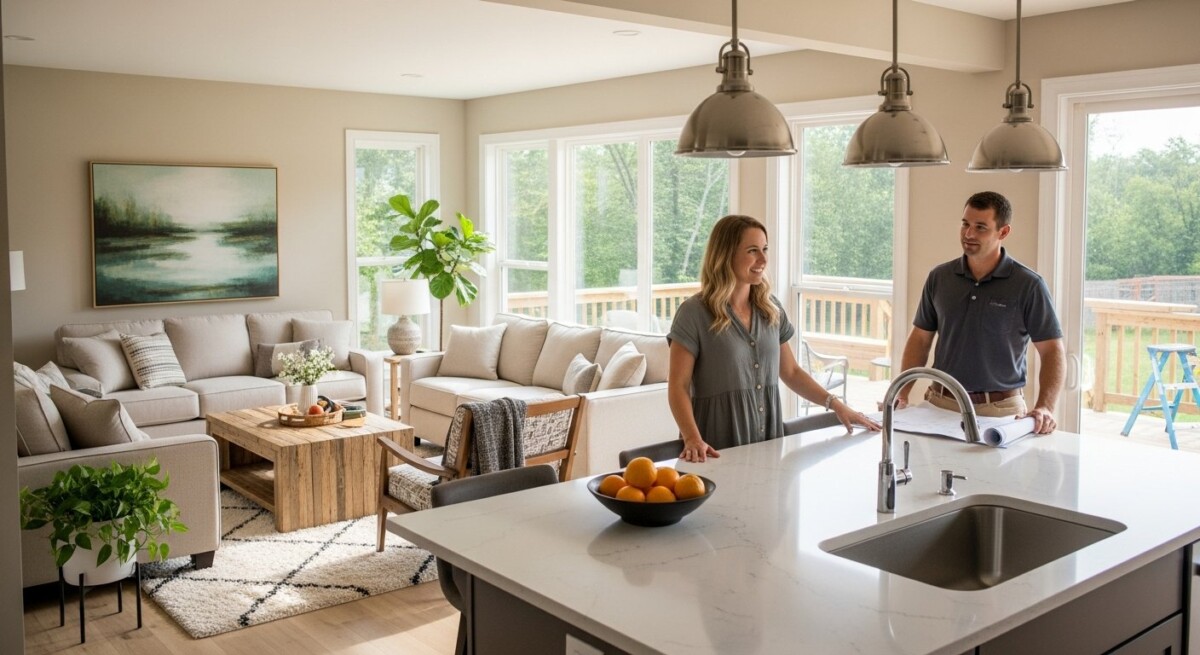
Remodeling increases home value when you invest in updates that buyers want and that improve the function and safety of your home. Kitchens, bathrooms, and curb-appeal projects like new siding or windows tend to offer the best return on investment. But not every remodel adds value,an overly personalized design or poor workmanship can actually hurt your home’s resale potential.
Homes that are older or have outdated systems often benefit most from remodeling. For example, a 20-year-old kitchen with worn cabinets and old appliances may drag down your home’s market price. Updating it can bring your home in line with modern standards and attract more buyers. On the other hand, a home that’s already in good condition may see only a modest boost from minor upgrades.
Which Rooms Add the Most Value?
Kitchen and bathroom remodels consistently offer the highest return, often recouping 60% to 80% of the project cost at resale. Adding a bathroom or finishing a basement can also increase usable square footage, which directly boosts home value. Exterior improvements like new roofing or garage doors improve curb appeal and protect the structure, making them smart investments too.
Why This Matters for Your Home
If you ignore needed repairs or put off remodeling, you risk more than just an outdated look. Small leaks, cracked tiles, or worn seals can lead to water damage, mold, or rot. These issues can spread quickly and turn a small fix into a major, expensive repair. Over time, the cost of neglect often exceeds the cost of the original remodel.
Safety is another critical concern. Outdated wiring, weak flooring, or poorly installed fixtures can pose risks to your family. Remodeling addresses these hidden dangers while also making your home more comfortable and energy efficient. In our guide on Kitchen Upgrades That Increase Home Value, we explain how targeted updates can improve both safety and resale price.
If you notice signs of this issue in your home, it may help to speak with a qualified contractor. Request a free quote or call to explore your repair or remodeling options.
Common Problems Homeowners Experience
Many homeowners don’t realize how much small issues add up until they try to sell. A dated bathroom with peeling paint and a slow drain can turn off buyers before they even see the rest of the house. Similarly, a kitchen with worn countertops and inefficient appliances can make your home feel older than it is.
These problems aren’t just cosmetic. They can affect how your home functions day to day. Drafty windows raise energy bills, and cracked flooring can be a tripping hazard. Addressing these issues through remodeling not only improves your daily life but also protects your investment.
- Outdated kitchens with worn cabinets and old appliances
- Bathrooms with cracked tile, poor lighting, or leaky fixtures
- Drafty windows or doors that increase energy costs
- Worn flooring like carpet, vinyl, or laminate that shows stains
- Unfinished basements or attics that waste usable space
- Exterior issues like faded siding, damaged roofing, or old garage doors
How Professionals Solve the Problem
Experienced contractors take a systematic approach to remodeling. They start with a thorough inspection to identify hidden issues like water damage, electrical problems, or structural weaknesses. Then they create a plan that addresses both the visible problems and the underlying causes, ensuring the work lasts.
- Inspection and assessment , The contractor evaluates the space, checks for code compliance, and identifies any hidden damage.
- Design and material selection , You choose finishes, fixtures, and materials that fit your budget and style, with professional advice on durability and value.
- Permits and planning , The contractor handles necessary permits and schedules the work to minimize disruption.
- Demolition and preparation , Old materials are removed safely, and the area is prepped for new installation.
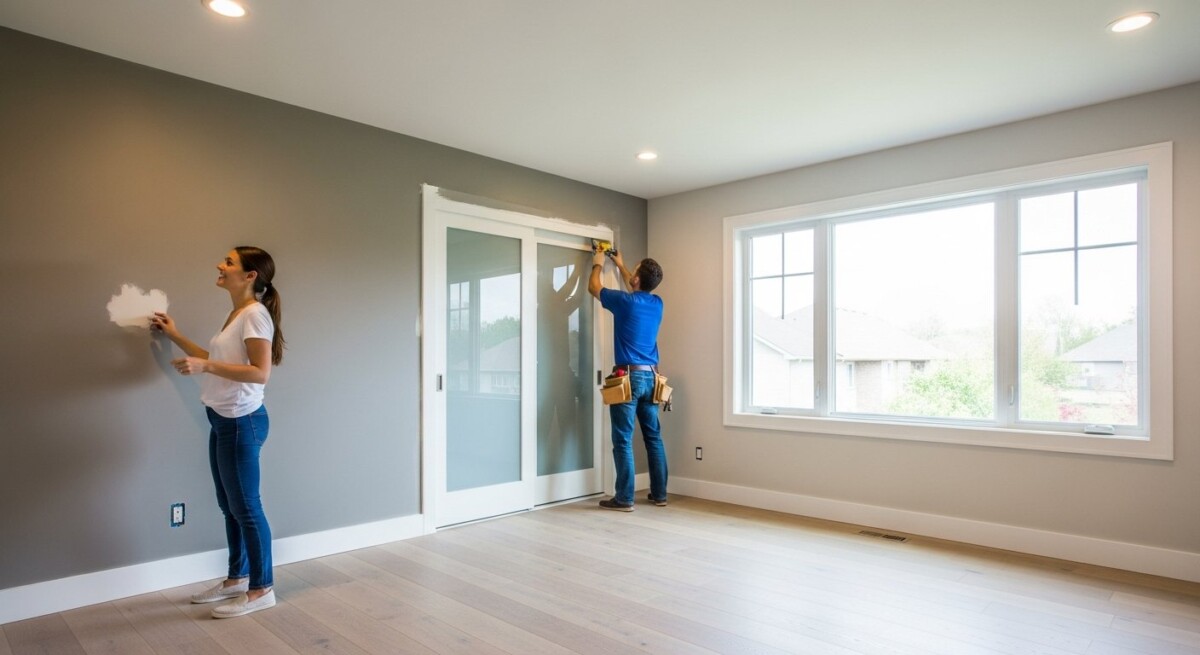
- Installation and finishing , New systems, surfaces, and fixtures are installed with precision, followed by final touches like painting and sealing.
- Final inspection and cleanup , The contractor verifies everything works correctly, cleans the site, and ensures you’re satisfied.
Professional work is safer and more reliable than DIY because contractors have the training, tools, and experience to handle unexpected issues. They also stand behind their work with warranties, giving you peace of mind. A professional inspection can reveal hidden issues before they become expensive repairs. Compare contractor quotes here or call to discuss your project.
Warning Signs You Should Not Ignore
Some signs of needed remodeling are obvious, like a leaky faucet or a cracked window. Others are subtle,a door that sticks, a room that feels damp, or higher utility bills than usual. Paying attention to these clues can save you from bigger headaches later.
Early action is key. If you catch a small water stain before it spreads, you might only need to replace a section of drywall. Wait too long, and you could be dealing with mold remediation and structural repairs. The same applies to worn roofing or outdated electrical systems,fixing them early costs less and protects your home’s value.
- Water stains on ceilings or walls, especially near bathrooms or the roof
- Musty odors or visible mold growth in basements or bathrooms
- Drafts around windows or doors that make rooms uncomfortable
- Flooring that feels uneven, squeaks, or shows signs of rot
- Outdated electrical panels or frequent blown fuses
- Kitchen or bathroom fixtures that are 15 years or older
What Affects the Cost of Repairs or Installation
The cost of a remodeling project depends on several factors, starting with the size of the space. A full kitchen remodel costs more than a minor bathroom update, but both can offer solid returns. The materials you choose also play a big role,quartz countertops cost more than laminate, but they last longer and add more value.
Labor costs vary by region and by the complexity of the work. If your home has unique features or difficult access, like a second-story bathroom, the price may be higher. Older homes often require additional work to bring wiring, plumbing, or insulation up to code, which adds to the total. Getting multiple quotes helps you understand the range of costs and avoid overpaying.
Costs can vary depending on the condition of your home. The best way to know the price is to get a personalized estimate. Request free quotes from contractors or call today.
How to Choose the Right Contractor
Choosing the right contractor is just as important as choosing the right remodel. A good contractor delivers quality work on time and within budget, while a bad one can cause delays, cost overruns, and shoddy results. Start by asking for recommendations from neighbors or friends who have had similar work done.
Once you have a few names, do your homework. Check online reviews on sites like Google or the Better Business Bureau, and ask for references from past clients. A reputable contractor will be happy to share examples of their work and explain their process. Always get at least three detailed estimates before making a decision.
- Verify the contractor is licensed and insured in your state
- Read customer reviews and check their rating with the Better Business Bureau
- Ask for a detailed written estimate that includes materials, labor, and timelines
- Compare quotes from at least three contractors to find fair pricing
- Confirm they have experience with projects similar to yours, like kitchen or bathroom remodels
Long-Term Benefits of Professional Work
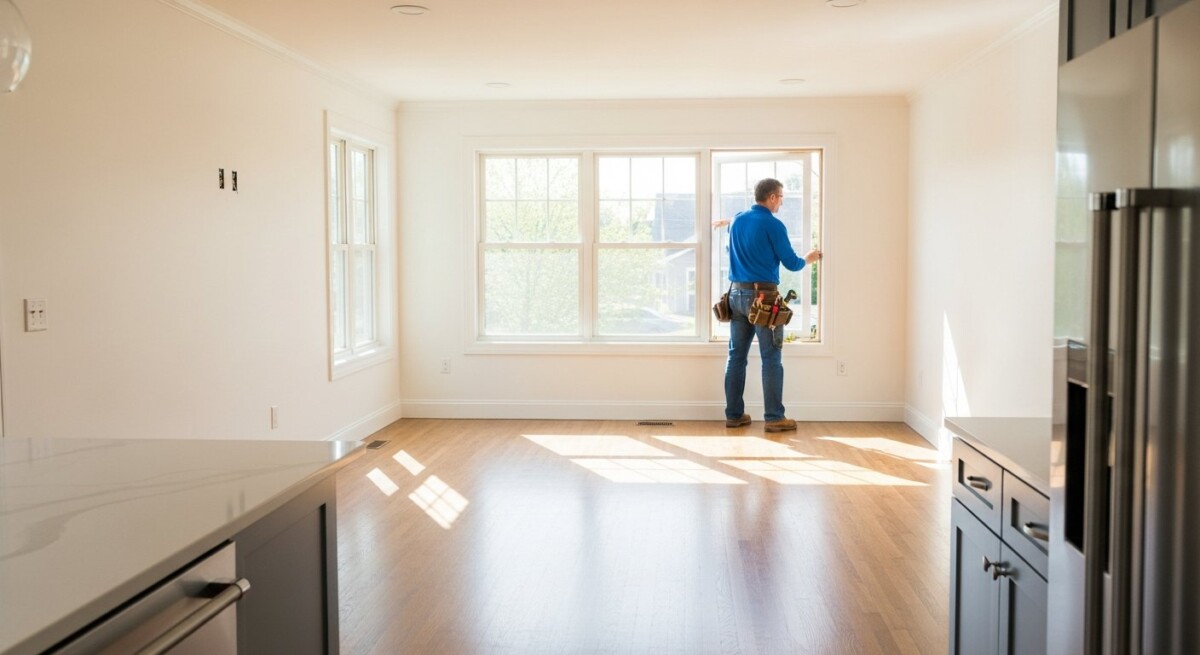
Investing in professional remodeling pays off in many ways beyond just resale value. A well-executed remodel improves your daily comfort,no more cold drafts, leaky faucets, or cramped spaces. It also makes your home safer by addressing electrical, plumbing, and structural issues that could cause accidents.
Energy efficiency is another major benefit. New windows, insulation, and appliances reduce your utility bills month after month. Over time, these savings can offset a significant portion of the remodel cost. And because professional work is built to last, you’ll spend less on maintenance and repairs down the road.
Ultimately, remodeling done right adds value you can enjoy now and recover when you sell. Whether you’re updating a kitchen, finishing a basement, or replacing old windows, the key is working with a contractor who understands both your vision and the market. For more insight on high-return projects, read our article on Kitchen Upgrades That Increase Home Value to see which updates offer the best payoff.
How do I know which remodeling projects add the most value to my home?
Kitchen and bathroom remodels typically offer the highest return, often recouping 60% to 80% of the cost at resale. Adding usable square footage, like finishing a basement or adding a deck, also boosts value. Focus on projects that improve function, safety, and curb appeal rather than overly personal design choices.
Will a minor kitchen remodel increase home value as much as a major one?
A minor kitchen remodel,like refacing cabinets, updating countertops, and replacing appliances,often recoups a higher percentage of its cost than a full gut renovation. Major remodels add more absolute value but cost significantly more. For most homeowners, a mid-range update offers the best balance of cost and return.
Can I increase home value by remodeling a bathroom?
Yes, bathroom remodels are one of the top value-adding projects. Updating fixtures, replacing old tile, improving lighting, and adding modern storage can make a big difference. Even a simple refresh with new paint, a vanity, and a toilet can improve your home’s appeal and resale price.
Does adding a deck or patio increase home value?
Outdoor living spaces are highly desirable for many buyers. Adding a wood deck or paver patio can recoup 50% to 70% of the cost at resale, especially in warmer climates. The key is to use quality materials and professional installation so the structure lasts and looks great.
What is the best way to finance a home remodeling project?
Many homeowners use home equity loans, lines of credit (HELOCs), or cash-out refinancing to fund larger remodels. Smaller projects can be paid for with savings or a personal loan. Before borrowing, compare interest rates and terms, and always get multiple contractor quotes to ensure you stay within budget.
How long does a typical kitchen or bathroom remodel take?
A minor bathroom remodel can take 2 to 3 weeks, while a full kitchen renovation often takes 6 to 8 weeks. Delays can happen due to material backorders or unexpected structural issues. A professional contractor will give you a realistic timeline and keep you updated throughout the process.
Should I get permits for my remodeling project?
Yes, permits are required for most structural, electrical, plumbing, and major renovation work. A reputable contractor handles the permit process as part of the project. Working without permits can lead to fines, safety issues, and problems when selling your home, so it’s best to follow the rules.
How do I know if a contractor’s quote is reasonable?
Compare quotes from at least three contractors who visit your home and provide detailed estimates. Look for line items on materials, labor, permits, and cleanup. If one quote is significantly lower than the others, ask why,it could mean they’re cutting corners or missing important work.
Remodeling your home is one of the smartest ways to protect your investment and improve your quality of life. The key is to start with a clear plan, focus on projects that add real value, and work with experienced professionals who can deliver quality results. Don’t wait until small problems become big ones,reach out to contractors, compare quotes, and take the first step toward a more valuable, comfortable home. For more ideas on high-return updates, check out our article on Kitchen Upgrades That Increase Home Value to see which projects offer the best payoff.

About Alex Carter
"*" indicates required fields