Can Remodeling Improve Resale Value? A Practical Guide
"*" indicates required fields
You walk into your kitchen and notice the cabinets are starting to show their age. The countertops have a few stubborn stains, and the faucet drips no matter how many times you tighten it. You start wondering: if you put money into remodeling, will you ever see it back when you sell the home? This is a question almost every homeowner asks at some point. The short answer is yes,but only if you choose the right projects. Understanding can remodeling improve resale value helps you make smart decisions that protect your investment and your family’s comfort.
Understanding Can Remodeling Improve Resale Value
When we talk about resale value, we mean the amount of money you can expect to get back from a renovation when you sell your home. Not every project pays for itself. Some upgrades,like replacing an old front door or updating a bathroom,tend to return a high percentage of their cost. Others, like adding a luxury home theater, may not appeal to future buyers.
Remodeling improves resale value when it addresses what buyers actually want. Buyers look for homes that feel move-in ready, energy-efficient, and safe. They want updated kitchens, modern bathrooms, durable flooring, and reliable systems like HVAC and plumbing. If your home still has original fixtures from twenty years ago, a targeted remodel can make it stand out in a competitive market.
Which Projects Offer the Best Return?
Some renovations consistently deliver strong returns. Minor kitchen remodels, bathroom updates, and replacing windows or siding often recoup 70% to 80% of the cost. Adding a deck or replacing an entry door also tends to perform well. The key is focusing on projects that improve function, appearance, and energy efficiency without overbuilding for the neighborhood.
Why This Matters for Your Home
Ignoring outdated or worn-out areas of your home can cost you more than just curb appeal. Over time, small problems grow into expensive repairs. A leaking pipe behind an old vanity can lead to mold and structural damage. An inefficient furnace drives up your utility bills month after month. When you finally decide to sell, buyers will notice these issues and either walk away or demand a lower price.
Safety is another major concern. Old wiring, cracked foundations, or rotting deck boards pose real risks to your family. By remodeling proactively, you address these hazards before they cause injury or lead to emergency repairs. You also gain peace of mind knowing your home is solid, efficient, and ready for whatever comes next.
If you notice signs of this issue in your home, it may help to speak with a qualified contractor. Request a free quote or call to explore your repair or remodeling options.
Common Problems Homeowners Experience
Many homeowners discover that their home’s value is being held back by a handful of common problems. Outdated kitchens and bathrooms top the list. These are the rooms buyers scrutinize most. If your kitchen still has laminate countertops from the 1990s or your bathroom has a pink tub, you are losing potential offers.
Other issues include worn flooring, drafty windows, and an aging roof. These problems not only look bad but also signal to buyers that the home has not been well maintained. Even if you are not planning to sell soon, these same issues affect your daily comfort and energy bills.
- Outdated kitchen cabinets and countertops
- Old or inefficient windows that leak air
- Worn flooring, especially carpet and vinyl
- Bathrooms with cracked tile or outdated fixtures
- Exterior siding that is faded, warped, or damaged
- An aging roof with missing or curled shingles
How Professionals Solve the Problem
Professional contractors bring experience, tools, and knowledge that most homeowners simply do not have. They know which materials hold up best in your climate and which designs appeal to local buyers. They also handle permits, inspections, and scheduling so you do not have to worry about the details.
When you hire a pro for a value-boosting remodel, the process typically follows a clear path. First, they assess your home and discuss your goals. Then they provide a detailed estimate and timeline. Once work begins, they manage each phase,from demolition to final finish,ensuring quality and safety at every step. The result is a renovation that looks great, functions well, and adds real value.
- Inspection and planning: The contractor evaluates the space and identifies any hidden issues.
- Design and material selection: You choose finishes that fit your style and budget.
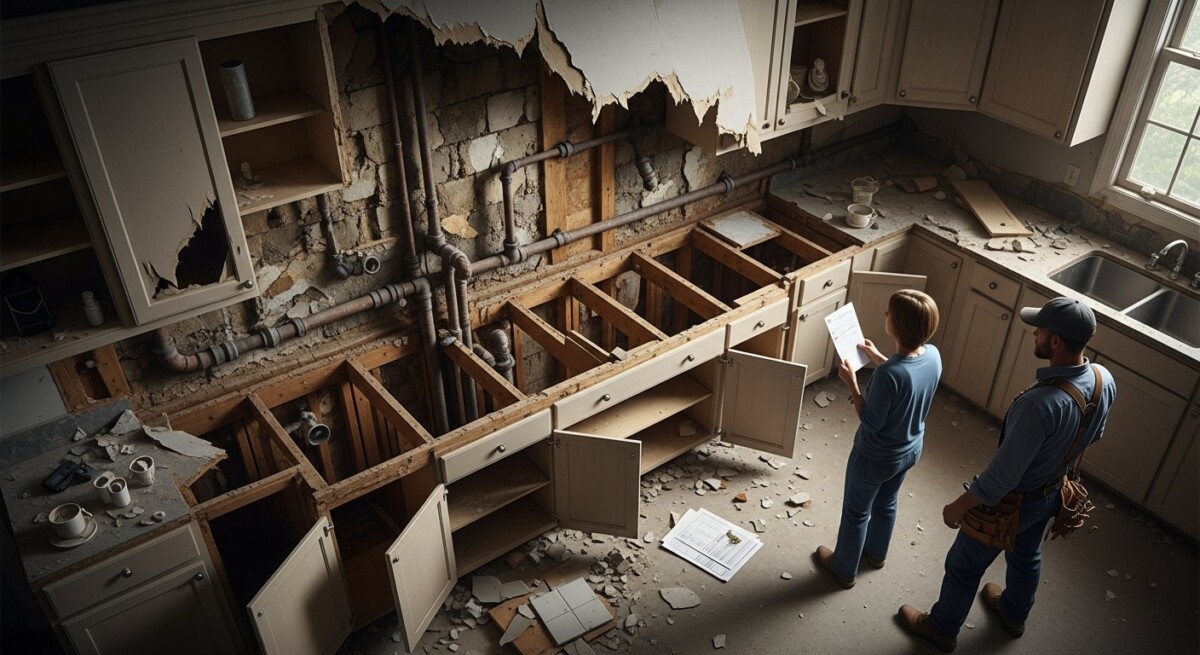
- Demolition and preparation: Old materials are removed safely and debris is hauled away.
- Installation: New flooring, cabinets, fixtures, or systems are installed to code.
- Final inspection and cleanup: The work is inspected and your home is left clean and ready to use.
A professional inspection can reveal hidden issues before they become expensive repairs. Compare contractor quotes here or call to discuss your project.
Warning Signs You Should Not Ignore
Your home often gives you clues that a remodel is needed. Pay attention to these signs. They may be costing you resale value right now. The earlier you act, the less you will spend in the long run. Small fixes today can prevent major renovations tomorrow.
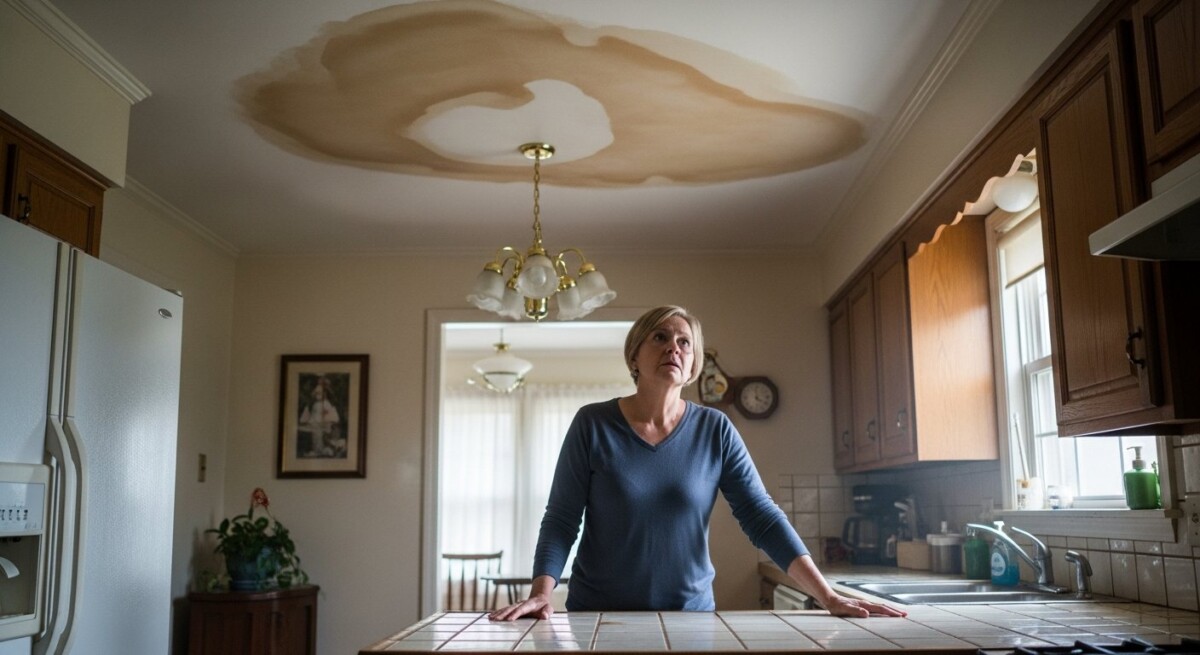
- Water stains on ceilings or walls
- Drafts near windows or doors
- Flooring that is peeling, buckling, or stained
- Kitchen cabinets that stick or have broken hinges
- Bathroom fixtures that leak or feel loose
- Paint that is chipping or fading, especially on exterior surfaces
What Affects the Cost of Repairs or Installation
Several factors influence how much a remodeling project will cost. The size of the room or area matters,a full kitchen remodel costs more than a minor update. The materials you choose also play a big role. Quartz countertops cost more than laminate, but they also add more resale value. Labor costs vary by region and by the complexity of the job.
Accessibility is another factor. If your project is on a second floor or in a tight space, it may take more time and effort. Older homes often have surprises like outdated wiring or plumbing that must be updated to meet current codes. These hidden costs can add up, but a professional contractor will help you plan for them upfront.
Costs can vary depending on the condition of your home. The best way to know the price is to get a personalized estimate. Request free quotes from contractors or call today.
How to Choose the Right Contractor
Finding a trustworthy contractor is one of the most important steps in any remodeling project. A good contractor will listen to your needs, provide a clear estimate, and communicate throughout the job. They will also have the proper licenses and insurance to protect you and your home.
Start by asking for recommendations from friends or neighbors. Then research online reviews and check each contractor’s credentials. Do not settle for the first quote you receive. Comparing multiple estimates helps you understand what is a fair price and what might be a red flag.
- Verify the contractor’s license and insurance coverage
- Read recent customer reviews on trusted platforms
- Ask for a detailed written estimate, including materials and labor
- Get at least three quotes before making a decision
- Confirm the contractor has experience with projects like yours
Long-Term Benefits of Professional Work
When you invest in professional remodeling, you are not just fixing a problem,you are improving your home for years to come. Quality work lasts longer and requires less maintenance. Energy-efficient windows, insulation, and appliances lower your monthly bills. Updated electrical and plumbing systems reduce the risk of emergencies.
Beyond the practical benefits, a well-remodeled home simply feels better to live in. You enjoy your space more, and when it comes time to sell, you have a strong advantage. Buyers are willing to pay more for a home that has been thoughtfully updated by professionals. In many cases, the return on investment is substantial.
Frequently Asked Questions
What remodeling projects add the most resale value?
Minor kitchen remodels, bathroom updates, and window replacements typically offer the highest return on investment. Adding a deck or replacing the front door also performs well. Focus on projects that improve function and appeal without over-improving for your neighborhood.
How much value does a kitchen remodel add?
A minor kitchen remodel can recoup 70% to 80% of its cost at resale. A major, high-end renovation may return less,around 50% to 60%,because it costs more and may not appeal to all buyers. Stick to midrange finishes for the best balance.
Does remodeling increase home value enough to justify the cost?
In many cases, yes,especially if you choose the right projects and work with a professional. You also benefit from improved comfort, lower energy bills, and fewer repairs. The value is not just financial; it is also about enjoying your home more while you live in it.
Should I remodel before selling my home?
It depends on your home’s condition and your local market. If your home has obvious issues like an outdated kitchen or worn flooring, remodeling can help you sell faster and at a higher price. A contractor can help you decide which projects are worth doing.
Can I get a return on investment from a bathroom remodel?
Yes. A midrange bathroom remodel typically recovers about 60% to 70% of its cost at resale. It also makes your home more appealing to buyers, especially if the existing bathroom is old or damaged. Even a simple update like new fixtures and paint can help.
How do I know if a remodel is worth it for my home?
Start by getting a professional inspection and a few quotes. Compare the estimated cost of the remodel with the potential increase in home value. A contractor can also tell you which projects are most popular with buyers in your area.
Do energy-efficient upgrades improve resale value?
Yes. Energy-efficient windows, insulation, and HVAC systems are attractive to buyers because they lower utility costs. Many buyers actively look for homes with these features. You may also qualify for tax credits or rebates.
How long does a typical remodeling project take?
It depends on the scope. A minor kitchen remodel might take two to four weeks. A full bathroom remodel can take one to three weeks. Your contractor will provide a timeline based on your specific project.
Remodeling your home is one of the best ways to protect your investment and improve your quality of life. By addressing problems early and working with experienced professionals, you can increase your home’s resale value while enjoying a more comfortable, efficient space. The smartest first step is to compare quotes from local contractors. Request free estimates or call to get started.

About Alex Carter
"*" indicates required fields