
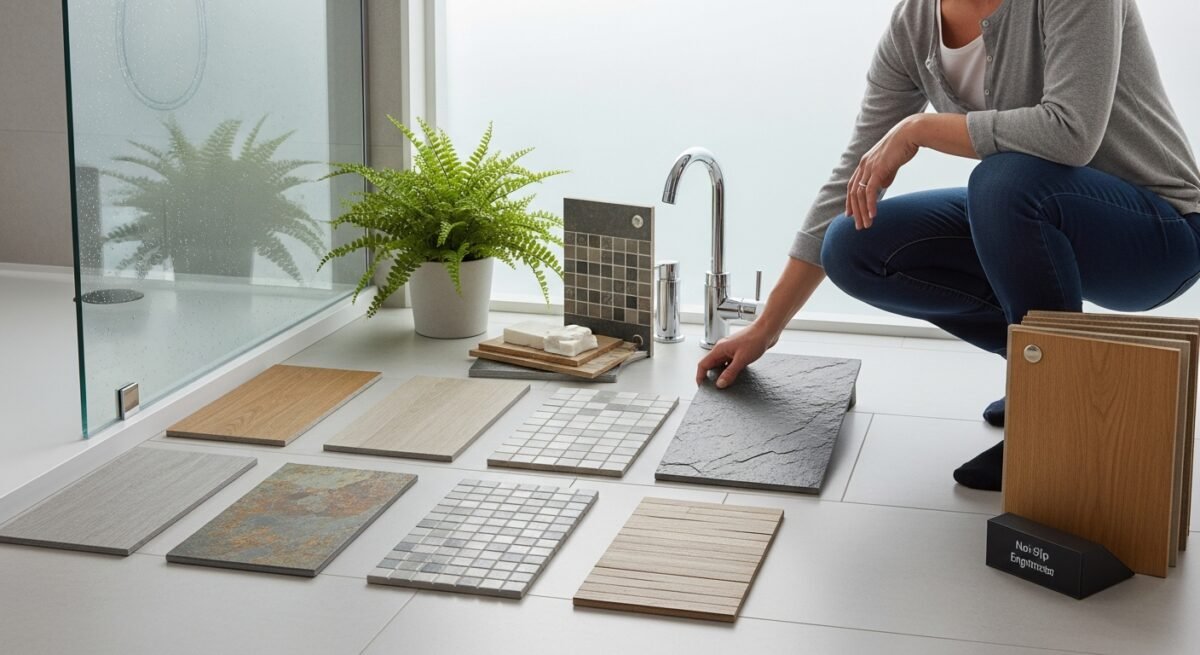
Bathroom Flooring Options: A Guide for Homeowners
Explore the best bathroom flooring options for durability, water resistance, and style. Our guide helps homeowners choose the perfect floor.

By Alex Carter
Learn more about Floor Installation or Replacement for guides, costs, and what to expect.
Compare Floor Installation or Replacement Pros Near You

Enter your ZIP code to compare top-rated local professionals and request free quotes.
Choosing the right bathroom flooring is one of the most important decisions in any home renovation or repair. It has to handle daily splashes, wet feet, and humidity while still being safe, beautiful, and comfortable underfoot. With so many materials available, from classic ceramic tile to modern vinyl planks, it’s easy to feel overwhelmed. This guide breaks down your options in clear, simple terms to help you make a choice that looks great and lasts for years.
Call 📞833-365-8755 or visit Explore Your Options for a free consultation with our flooring experts.
Understanding Bathroom Flooring Options
Bathroom flooring isn’t just about the look,it’s about finding the perfect balance of water resistance, durability, safety, and style. Unlike other rooms, your bathroom floor is a workhorse that faces constant moisture and temperature changes. The right choice protects your subfloor, prevents mold, and creates a foundation for your daily routine.
Your main options fall into several categories: ceramic and porcelain tile, luxury vinyl, natural stone, engineered wood, and sheet vinyl. Each has its own pros, cons, and typical price range. The best choice for your home depends on your budget, your style, and how you use the space.
Core Qualities of Good Bathroom Flooring
All great bathroom flooring shares a few key traits. First is water resistance,the ability to repel or withstand moisture without damage. Next is slip resistance, especially important for safety in wet areas. Durability and ease of cleaning are also crucial, as is comfort, since you’ll often be standing there barefoot.
Why It Matters for Homeowners
The flooring you choose directly impacts your home’s safety, maintenance routine, and long-term value. A poor choice can lead to costly water damage, mold growth in the subfloor, or slippery surfaces that are a hazard for your family. On the other hand, a well-chosen, professionally installed floor adds to your home’s comfort and appeal.
Think of your bathroom floor as a long-term investment. The right material will look good for a decade or more with proper care, saving you money on premature replacements. It also ties the whole room’s design together. A cohesive look between your flooring, vanity, and shower makes the space feel larger and more intentional.
Ready to explore your options and make a confident choice? Our team of flooring experts is here to help you navigate the selection and installation process from start to finish..
Common Issues and Their Causes
Even the best-looking bathroom floors can develop problems if the material is wrong for the environment or the installation wasn’t done properly. Being aware of these common issues can help you choose a more resilient option and know when to call for help.
Water damage is the number one enemy. It can warp planks, cause tile grout to crack and mildew, and lead to rot in the wooden subfloor beneath. This often happens because the flooring material itself isn’t waterproof, the seams or grout lines aren’t properly sealed, or water finds a way under the flooring at the edges.
- Loose or Cracked Tiles: Caused by a shifting subfloor, improper adhesive, or impact damage.
- Mold and Mildew Growth: Thrives in damp, poorly ventilated bathrooms, especially on porous surfaces or in grout.
- Slipperiness: Occurs with glossy finishes or smooth surfaces without adequate texture.
- Discoloration or Staining: Happens with porous stone or low-quality vinyl when exposed to certain cleaners or hair products.
How Professionals Fix the Problem
When bathroom flooring fails, a professional repair or full replacement follows a careful process to ensure the new floor is secure, level, and watertight. It starts with a thorough assessment to identify the root cause,whether it’s a material failure, installation error, or underlying subfloor issue.
The old flooring is carefully removed, and the subfloor is inspected, dried, and repaired. Any rot or water damage must be completely addressed before anything new goes down. For installations, professionals then follow manufacturer specifications precisely, using the correct underlayment, adhesives, and sealing methods. The process for tile is quite different from luxury vinyl plank installation, which is why hiring a specialist matters.
- Assessment & Prep: Remove old flooring, repair the subfloor, and ensure a perfectly flat, dry surface.
- Precise Installation: Use moisture barriers, recommended adhesives, and proper spacing/expansion gaps.
- Finishing & Sealing: Apply sealant to grout and edges, install moldings, and conduct a final inspection.
Don’t let a failing bathroom floor cause more damage. Our professional installers have the tools and expertise to do the job right the first time..
Signs You Should Not Ignore
Your bathroom floor often gives you clear warnings before a small issue becomes a major repair. Paying attention to these signs can save you thousands of dollars in water damage and prevent potential safety issues.
If you notice soft or spongy areas when you walk, that’s a major red flag. It usually means water has compromised the subfloor, which can lead to structural damage. Peeling edges, especially in sheet vinyl or laminate, indicate moisture is getting underneath and breaking the adhesive bond.
- Persistent Musty Odors: A telltale sign of mold or mildew growing beneath the surface.
- Cracked Grout or Loose Tiles: Creates openings for water to seep through to the subfloor.
- Visible Water Staining or Warping: On wood-look planks or around the toilet base.
- Increased Slipperiness: A loss of texture on the surface that creates a fall hazard.
Cost Factors and What Affects Pricing
The cost of new bathroom flooring varies widely based on your material choice, the size and complexity of the space, and the condition of your existing floor. Understanding these factors helps you set a realistic budget and avoid surprises.
Call 📞833-365-8755 or visit Explore Your Options for a free consultation with our flooring experts.
Material cost is the biggest variable. Sheet vinyl and standard ceramic tile are often the most budget-friendly, while natural stone and large-format porcelain tile are premium investments. However, don’t forget installation labor, which can be significant for intricate tile patterns or time-consuming stone work. The prep work needed,like leveling a sloped floor or replacing a rotten subfloor,also adds to the project cost.
Remember, the cheapest option upfront isn’t always the most cost-effective over time. A slightly more expensive, waterproof luxury vinyl plank might outlast a cheaper laminate that swells at the first sign of moisture. Investing in quality professional installation also pays off by preventing costly call-backs and water damage repairs down the line. For a complete picture of value, consider our insights on kitchen flooring costs and choices as well, as the principles of durability and water resistance often overlap.
How To Choose the Right Professional or Service
Installing bathroom flooring is a precision job. The right contractor will ensure your floor is beautiful, functional, and watertight for years. Look for a service with specific, proven experience in bathroom floors, not just general flooring.
Check for proper licensing and insurance, and always ask for references or photos of past bathroom projects. A trustworthy professional will offer a detailed written estimate, explain the prep and installation process clearly, and provide warranties on both materials and labor. They should also help guide you on material selection based on your lifestyle, budget, and the specific conditions of your bathroom.
Long-Term Benefits for Your Home
Choosing and installing the right bathroom flooring pays dividends long after the project is complete. A durable, water-resistant floor provides peace of mind, knowing your home is protected from moisture damage and mold. This contributes to a healthier indoor environment for your family.
You’ll also enjoy easier cleaning and lower maintenance. Properly sealed tile grout or waterproof vinyl plank means simple wipe-ups instead of battling stains and mildew. A timeless, well-installed floor also boosts your home’s resale value, as buyers appreciate an updated, worry-free bathroom. Ultimately, it’s an investment in daily comfort, safety, and the long-term integrity of your home.
FAQs
What is the most waterproof flooring for a bathroom?
Luxury Vinyl Plank (LVP) and Tile (LVT) are fully waterproof, making them top contenders. Porcelain tile is also an excellent choice due to its extremely low porosity. Proper installation and sealing of seams or grout are critical for any material to achieve true waterproof performance.
Can I put vinyl plank flooring in a bathroom?
Yes, modern luxury vinyl plank (LVP) is an outstanding choice for bathrooms. It’s 100% waterproof, warm underfoot, slip-resistant, and comes in designs that mimic wood or tile beautifully. Ensure it’s installed with moisture-resistant underlayment and sealed properly at the edges.
Is ceramic tile too cold for a bathroom floor?
Tile can feel cool, but this can be mitigated. Using area rugs is a simple solution. For a more permanent fix, radiant floor heating systems can be installed beneath tile, providing luxurious warmth. Some homeowners also find the cool feel refreshing.
How long does bathroom flooring typically last?
With proper installation and care, porcelain tile can last 50+ years. Quality vinyl products can last 15-25 years. Natural stone lasts a lifetime but may require periodic resealing. Lifespan heavily depends on avoiding water damage and using appropriate cleaning products.
What is the most slip-resistant bathroom flooring?
Textured surfaces provide the best grip. Look for vinyl with an embossed texture, tile with a matte or honed finish (especially in a smaller format with more grout lines), or natural stone like slate. Avoid high-gloss finishes in wet areas like shower stalls.
Can I install new flooring over my old bathroom floor?
Sometimes, but it’s not always recommended. A professional must assess if the old floor is perfectly level, solidly adhered, and free of mold. Building up height can also cause issues with toilet flanges and door clearances. Removal of the old floor is often the best practice.
How do I maintain my bathroom floor?
Use manufacturer-recommended cleaners. For tile, regularly clean grout and reseal it as needed. For vinyl, avoid abrasive pads and harsh chemicals. Wipe up spills promptly, use bath mats in high-splash zones, and ensure your bathroom ventilation fan is working properly to control humidity.
Is laminate flooring a good option for bathrooms?
Generally, no. Traditional laminate has a fiberboard core that swells and warps when it gets wet. While “water-resistant” laminates exist, most flooring experts recommend fully waterproof materials like vinyl or tile for bathrooms due to the high-moisture environment.
Your bathroom floor is a critical component of your home’s function, safety, and style. By understanding the options, recognizing warning signs, and partnering with a skilled professional, you can ensure a beautiful result that stands up to daily life. A thoughtful choice today means enjoying a worry-free, comfortable bathroom for many years to come.
Call 📞833-365-8755 or visit Explore Your Options for a free consultation with our flooring experts.
Learn more about Floor Installation or Replacement for guides, costs, and what to expect.
Compare Floor Installation or Replacement Pros Near You
Enter your ZIP code to compare top-rated local professionals and request free quotes.