
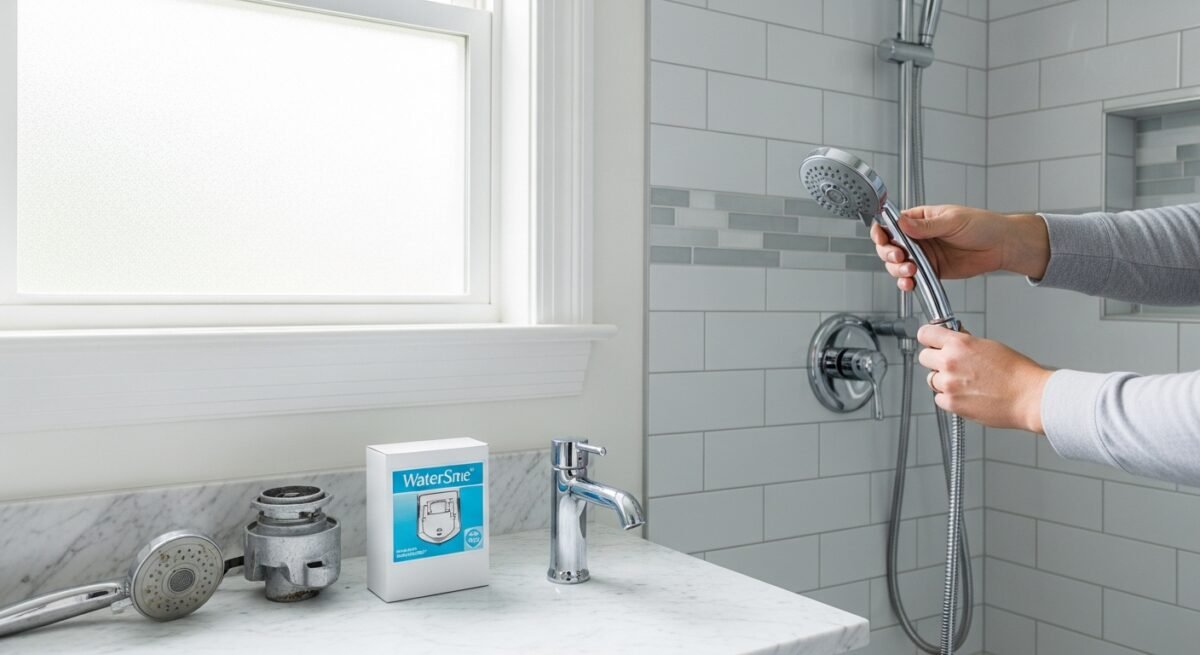
Water Saving Bathroom Fixtures for a Greener Home
Discover how modern water saving bathroom fixtures can drastically reduce your water bill and environmental impact without sacrificing performance. A smart upgrade for any home.

By Alex Carter
Learn more about Emergency Plumbing for guides, costs, and what to expect.
Compare Emergency Plumbing Pros Near You

Enter your ZIP code to compare top-rated local professionals and request free quotes.
Have you ever looked at your water bill and wondered where it all goes? The answer is often closer than you think. Your bathroom is responsible for a significant portion of your home’s water use, from flushing toilets to long showers. But what if you could cut that water use significantly without sacrificing performance? That’s the promise of modern water saving bathroom fixtures. Upgrading these key components is a smart, practical step toward a more efficient, cost-effective, and environmentally friendly home.
Understanding Water Saving Bathroom Fixtures
Water saving bathroom fixtures are simply modern versions of your toilets, faucets, and showerheads that are engineered to use less water per minute or per use compared to older models. They achieve this through improved design, better pressure management, and advanced technology, delivering the same great performance with far less waste.
These aren’t the weak, dribbling fixtures you might remember from decades past. Today’s high-efficiency models are designed to feel powerful and effective while meeting strict water conservation standards. They are a direct upgrade that pays for itself over time.
Key Fixtures in Your Bathroom
The main targets for water savings are your toilet, showerhead, and faucet. A standard pre-1990s toilet can use 3.5 to 7 gallons per flush. Modern WaterSense-labeled toilets use just 1.28 gallons or less. Similarly, old showerheads can pour out 2.5 gallons per minute (gpm), while efficient models use 2.0 gpm or less without you noticing a difference in spray strength.
Why It Matters for Homeowners
Installing water saving bathroom fixtures isn’t just about being eco-conscious—it’s a direct financial benefit to your household. The U.S. Environmental Protection Agency (EPA) estimates that switching to WaterSense-labeled fixtures can save the average family nearly $380 annually on their water and energy bills. That’s money that stays in your pocket.
Beyond the savings, you’re also reducing strain on municipal water systems and your own home’s septic system. Using less hot water directly translates to lower energy bills, as your water heater doesn’t have to work as hard. It’s a simple upgrade that contributes to a more sustainable home and community, a key part of any thoughtful bathroom renovation guide.
We often see homeowners who are overwhelmed by where to start with a bathroom update. Focusing on fixture replacement is a manageable project with immediate, measurable results. You don’t have to do a full remodel to start saving.
Ready to start saving on your water bill? Our licensed plumbers can assess your current fixtures and recommend the best water-saving upgrades for your home. Contact us online or call (555) 123-4567 for a professional consultation.
Common Issues and Their Causes
Many older fixtures simply waste water due to outdated design. A constantly running toilet, often due to a worn flapper valve, can waste hundreds of gallons a day. A dripping faucet, usually from a deteriorated washer or O-ring, isn’t just annoying—it’s literally money down the drain.
Low water pressure in older, inefficient showerheads can tempt you to take longer showers, negating any potential savings. The core cause of water waste is often just age and wear. Fixtures degrade over time, and technology has vastly improved since many were installed.
- Constant toilet running: Caused by a faulty flapper, fill valve, or overflow tube.
- Faucet drips: Worn-out washers, seals, or cartridges.
- Poor shower pressure: Mineral buildup in old showerheads or an inefficient design.
- Inefficient flow: Fixtures simply designed before modern water standards.
How Professionals Fix the Problem
Our process begins with a thorough assessment. We’ll check the age, model, and flow rate of your existing fixtures and identify any leaks or inefficiencies. We then provide clear recommendations on the most effective water saving replacements that fit your budget and design preferences.
Professional installation is key. Our licensed plumbers ensure each new fixture is correctly installed, sealed, and tested. This prevents leaks behind walls or under floors, which can cause costly damage. We handle everything from shutting off the water and removing old fixtures to adjusting supply lines and testing for optimal performance.
- Assessment & Recommendation: We evaluate your current water use and suggest the best fixtures.
- Professional Installation: Precise, code-compliant installation of new toilets, faucets, and showerheads.
- Testing & Review: We check for leaks, ensure proper pressure, and show you how your new fixtures work.
Don’t let a leaking toilet or outdated showerhead drain your wallet. Our expert team can upgrade your bathroom efficiently. Schedule your service today or call us at (555) 123-4567.
Signs You Should Not Ignore
Your bathroom often gives clear signals that it’s time for an upgrade. A rising water bill with no change in household habits is a major red flag. If you hear your toilet refilling when no one has used it, or see a slight but constant trickle in the bowl, water is being wasted.
Visible signs of wear, like corrosion around faucet bases or difficulty adjusting water temperature and flow, indicate aging components. If your showerhead is over a decade old, it’s almost certainly not as efficient as current models.
- Unexplained increase in your water bill.
- Sounds of running water from the toilet tank.
- Visible dripping, leaking, or corrosion on fixtures.
- Showerheads or faucets with uneven, weak, or dribbling flow.
- Fixtures that are older than 10-15 years.
Cost Factors and What Affects Pricing
The cost of upgrading to water saving bathroom fixtures depends on a few straightforward factors. The first is the type and brand of fixtures you select. Basic WaterSense-certified models are very affordable, while luxury or smart fixtures (like touchless faucets) cost more. The number of fixtures you replace—toilet, showerhead, and vanity faucet—obviously affects the total price.
Labor is another factor. If your existing plumbing is easily accessible and in good condition, installation is typically quick and straightforward. However, if we encounter corroded pipes, incorrect existing setups, or need to move plumbing lines, the project will require more time and expertise. This is why a professional assessment is so valuable, as it helps avoid the common bathroom remodeling mistakes that come from unexpected issues.
Remember to factor in the immediate and ongoing savings. The investment often pays for itself within a few years through lower utility bills, and it adds value to your home.
Curious about the specific cost for your home? We provide upfront, transparent quotes. Get in touch for a free estimate by calling (555) 123-4567.
How To Choose the Right Professional or Service
Always choose a licensed and insured plumbing professional. This protects you and your home in case of any issues. Look for a service with specific experience in fixture replacement and a reputation for quality workmanship. Reading reviews and asking for references can give you great insight.
A good professional will offer a clear, written estimate that breaks down both parts and labor. They should be able to explain the benefits of different fixture options and help you choose based on your needs, not just upsell you. They should also handle all necessary permits if any plumbing modifications are required, ensuring your project is up to code. For a bigger project, this is a step outlined in our ultimate bathroom remodel checklist.
Long-Term Benefits for Your Home
The long-term benefits extend far beyond the first lower water bill. You’ll enjoy reliable, high-performing fixtures that are less prone to leaks and problems. You’re investing in the durability and efficiency of your home’s plumbing system.
This upgrade also increases your home’s appeal and value. Eco-friendly features are a strong selling point. Most importantly, you gain peace of mind knowing you’re conserving a vital resource, protecting your home from water damage caused by leaky fixtures, and creating a more sustainable household for years to come.
Frequently Asked Questions
Will a low-flow showerhead really feel as good as my old one?
Yes, absolutely. Modern water saving showerheads use advanced technology like aerated or laminar flow to create a full, satisfying spray using less water. Many users don’t notice a difference in feel, only in their lower bills.
How much can I really save by installing water saving fixtures?
The EPA states that replacing older, inefficient fixtures with WaterSense-labeled models can save the average family about 700 gallons of water per year. That translates to roughly $380 saved annually on water and energy bills, and potentially thousands over the lifespan of the fixtures.
Can I install water saving bathroom fixtures myself?
Some simple swaps, like a showerhead or faucet aerator, can be DIY projects. However, for toilet installation or if you encounter any complications like old plumbing, we highly recommend professional installation to ensure no leaks, proper sealing, and optimal function.
Do I need a special toilet for water saving?
You just need to look for a high-efficiency toilet, often labeled as WaterSense certified. These are now the standard and are available at any plumbing or home improvement store in a wide range of styles and prices.
What is the WaterSense label?
WaterSense is a U.S. EPA certification program. It’s a label you can trust that indicates a fixture meets independent testing for both performance and water efficiency, using at least 20% less water than standard models.
Will saving water affect my septic system?
It will help it. Reducing the flow of water into your septic system reduces the strain on it, allowing it to operate more effectively and potentially extending its lifespan.
Upgrading to water saving bathroom fixtures is one of the simplest and most impactful home improvements you can make. It’s a direct investment in lower monthly bills, a more reliable plumbing system, and a greener home. With professional guidance and installation, the transition is seamless, and the benefits begin immediately.
Learn more about Emergency Plumbing for guides, costs, and what to expect.
Compare Emergency Plumbing Pros Near You
Enter your ZIP code to compare top-rated local professionals and request free quotes.