
Avoid These Common Bathroom Renovation Errors
"*" indicates required fields
A bathroom renovation is a significant investment in your home’s comfort, functionality, and value. It’s an exciting project, but one filled with potential pitfalls that can turn your dream upgrade into a costly, stressful headache. Many homeowners, eager to see the transformation, rush into the process without proper planning, leading to mistakes that compromise the final result. Understanding these common errors is the first step to ensuring your renovation is smooth, successful, and delivers the beautiful, durable bathroom you deserve.
Key Things To Know About Bathroom Renovation Errors
Bathroom renovation errors aren’t just about picking the wrong tile color. They are fundamental mistakes in planning, execution, and material selection that affect the space’s safety, durability, and daily use. These errors often stem from a lack of experience with the unique demands of a wet, humid environment and the complex systems—plumbing, electrical, ventilation—that converge there.
From improper waterproofing to poor layout choices, these missteps can be hidden behind beautiful finishes, only revealing themselves months later as leaks, mold, or frustration. A successful renovation balances aesthetics with robust, code-compliant construction. This is why a detailed plan and professional expertise are not luxuries; they are necessities for protecting your investment.
Where Errors Often Hide
The most critical mistakes often happen in areas you can’t see once the walls are closed up. Waterproofing membranes, pipe slopes, venting, and electrical rough-ins must be done correctly the first time. Fixing these hidden errors post-renovation is incredibly disruptive and expensive, often requiring demolition of brand-new finishes.
Why It Matters for Homeowners
Getting your bathroom renovation right matters profoundly for your home’s long-term health and your family’s safety. A single waterproofing failure can lead to structural rot, toxic mold growth, and damage to adjacent rooms. These are not simple fixes; they are major repairs that far exceed the original renovation budget.
Beyond structural concerns, errors impact your daily life. A poorly planned layout can make the room feel cramped and awkward. Inadequate lighting or ventilation creates a gloomy, damp atmosphere. Choosing the wrong materials leads to constant cleaning, premature wear, and a bathroom that feels cheap rather than luxurious. A well-executed renovation, however, enhances your routine, adds significant resale value, and provides peace of mind for years to come.
Don’t let avoidable mistakes derail your project. Our essential guide to hiring a bathroom renovation company can help you find the right partner from the start. For professional guidance, call our team at (555) 123-4567.
Common Issues and Their Causes
Many renovation problems are predictable and preventable. They often occur when homeowners underestimate the project’s complexity or cut corners to save money upfront. This false economy inevitably leads to higher costs down the line.
One major category of error is technical. This includes insufficient or incorrectly installed waterproofing, improper venting of plumbing fixtures, and inadequate electrical work. Another category is design and planning errors, like failing to consider traffic flow, neglecting storage needs, or selecting beautiful but impractical materials for a wet environment.
- Inadequate Ventilation: Caused by installing an underpowered fan or venting it into the attic, leading to chronic moisture and mold.
- Poor Waterproofing: Skipping the shower pan liner, using the wrong membrane, or not sealing corners properly in wet areas.
- Ignoring Building Codes: DIY or unlicensed work that doesn’t meet safety standards for electrical, plumbing, or structural changes.
- Wrong Material Choices: Using porous stone without sealing, slippery floor tiles, or wood that warps in humidity.
- Insufficient Lighting: Relying on a single ceiling fixture, creating shadows at the mirror and in the shower.
How Professionals Fix the Problem
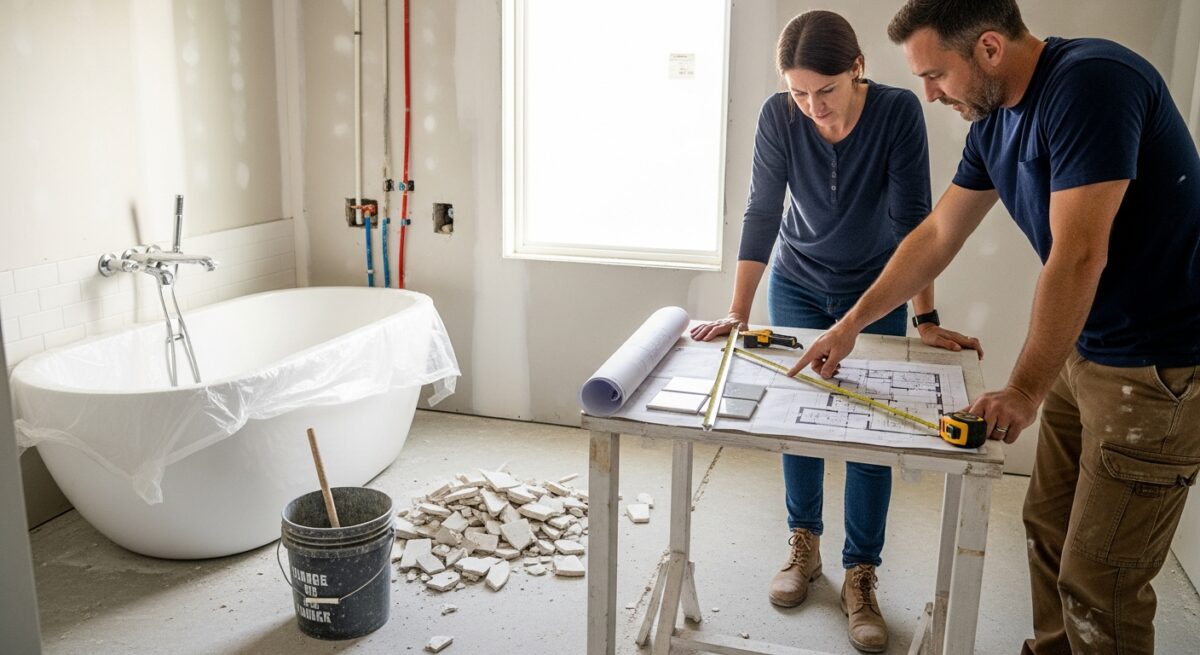
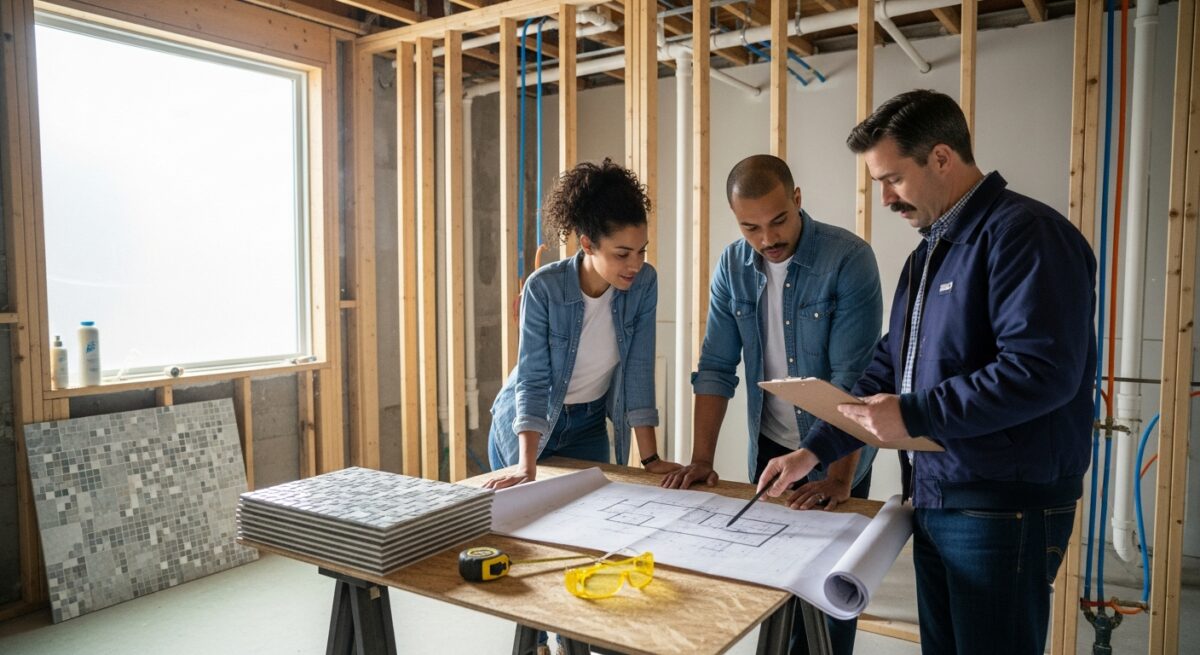
A professional bathroom remodeler approaches the project systematically to prevent errors before they happen. It starts with a comprehensive plan that addresses every detail, from the location of pipes to the type of grout. This plan serves as a roadmap, ensuring all trades are coordinated and the work meets all local building codes.
The repair or renovation process follows a logical sequence. Professionals first address any hidden issues like old plumbing or rotten subfloor. Then, they meticulously install critical moisture barriers and waterproofing systems before any finished surfaces go in. They coordinate licensed plumbers and electricians to ensure all rough-in work is inspected and approved. Finally, they install finishes with precision, understanding how materials interact in a humid space.
- Assessment & Planning: Evaluate existing conditions, create detailed drawings, and secure necessary permits.
- Demolition & Prep: Carefully remove old materials, repair the subfloor and wall framing, and install new plumbing/electrical rough-ins.
- Waterproofing & Moisture Control: Install shower pans, apply waterproof membranes to walls and floors, and set up proper ventilation ducting.
- Finishing: Install tile, fixtures, lighting, and cabinetry according to the plan, with attention to detail and sealing.
Avoiding errors requires a proven process. Learn more about the comprehensive steps in a professional bathroom remodel to understand what a successful project entails. For a flawless installation, reach out to our experts at (555) 123-4567.
Signs You Should Not Ignore
Sometimes, errors from a previous renovation become apparent only after you’ve lived with the bathroom for a while. Recognizing these warning signs early can help you address problems before they cause extensive damage. Persistent issues often point to foundational mistakes that need professional correction.
Listen to what your bathroom is telling you. A musty smell that won’t go away, tiles that feel loose or grout that cracks repeatedly, or walls that show soft spots or discoloration are all red flags. These are not cosmetic issues; they are symptoms of underlying failures in the bathroom’s systems.
- Persistent Moisture or Mold: Mold recurring on ceilings or walls, or a constant damp smell, indicates failed ventilation or hidden leaks.
- Water Pooling or Drainage Issues: Water that doesn’t drain toward the shower drain or pools on the bathroom floor signals incorrect slope installation.
- Frequent Clogs or Slow Drains: Often a sign of improper plumbing venting or pipe installation during the remodel.
- Cracked Tiles or Grout: Can indicate movement in the subfloor or walls that wasn’t properly addressed, or the use of inflexible grout.
- Poor Water Pressure or Temperature Fluctuations: May result from undersized pipes or incorrect valve installation.
Cost Factors and What Affects Pricing
The cost to fix a bathroom renovation error or to do a new one correctly varies widely. It depends heavily on the scope of the problem and the quality of materials and labor. A simple fix like recaulking is inexpensive, but repairing a leaking shower pan behind tile can cost thousands, as it requires demolition and reconstruction.
Key factors influencing price include the extent of water damage discovered, the need to bring plumbing or electrical up to current code, the quality of replacement fixtures and finishes, and the labor intensity of the repair. Correcting errors is almost always more expensive per square foot than doing it right initially, due to the added cost of demolition, diagnostics, and potential damage repair.
Understanding costs upfront prevents sticker shock. We demystify bathroom renovation costs in our detailed budget guide. For a transparent, upfront quote on your project, call us today at (555) 123-4567.
How To Choose the Right Professional or Service
Selecting the right contractor is the single most important decision you’ll make to avoid renovation errors. Look for a licensed, insured, and experienced bathroom remodeling specialist, not a general handyman. A true professional will have a portfolio of completed bathrooms, verifiable references, and a detailed, written process.
Ask specific questions about their approach to waterproofing, ventilation, and permitting. A reputable pro will welcome these questions and provide clear answers. They should also provide a detailed, fixed-price contract that outlines the scope of work, materials to be used, payment schedule, and timeline. Never base your decision on price alone; the lowest bid often reflects inexperience or plans to cut critical corners.
- Verify licensing, insurance, and check reviews on multiple platforms.
- Ask to see photos of past bathroom projects, specifically of the “behind-the-walls” stages.
- Ensure they obtain all required permits and schedule inspections.
- Get everything in writing, including a detailed scope of work and product specifications.
Long-Term Benefits for Your Home
Avoiding renovation errors delivers lasting benefits that extend far beyond a beautiful new space. A correctly built bathroom is a durable, safe, and healthy environment. Proper waterproofing and ventilation protect your home’s structure from rot and mold, safeguarding your family’s health and your largest investment.
You’ll enjoy lower maintenance costs, as quality materials installed correctly last longer and perform better. The thoughtful design improves daily functionality and comfort. Ultimately, a professional-grade renovation maximizes your return on investment, making your home more attractive and valuable to future buyers. It’s an upgrade that pays dividends in peace of mind, day after day, for years to come.
Frequently Asked Questions
What is the most common bathroom renovation mistake?
The most common and costly mistake is inadequate waterproofing. Skipping or improperly installing a waterproof membrane behind shower and tub walls and under tile floors is the leading cause of leaks, mold, and structural damage. It’s an error hidden behind tile that is extremely expensive to fix.
Can I renovate my bathroom myself to avoid errors?
While DIY projects can be rewarding, a full bathroom renovation involves complex plumbing, electrical, and waterproofing systems. Without specific trade skills and knowledge of building codes, the risk of making costly, hidden errors is very high. Professional oversight is recommended for most homeowners.
How long should a proper bathroom renovation take?
A typical full bathroom renovation with professional management takes 3 to 6 weeks. The timeline depends on the project’s complexity, material availability, and permit inspections. Rushing the process is a common error that leads to poor craftsmanship and overlooked details.
Do I need a permit for my bathroom renovation?
In most areas, yes. Permits are required for any work that involves moving plumbing, altering electrical circuits, or changing the structure. A reputable contractor will handle permitting, ensuring the work is inspected and meets all safety codes, which is a key way to avoid major errors.
What is the best way to prevent mold in my new bathroom?
Prevent mold with a multi-pronged approach: install a correctly sized ventilation fan that vents to the outdoors (not the attic), use quality waterproofing in all wet areas, choose mildew-resistant materials like porcelain tile, and seal all grout lines properly.
How much should I budget for unexpected problems during a renovation?
It’s wise to set aside a contingency fund of 10-20% of your total project budget. In older homes, professionals often discover hidden issues like outdated wiring, corroded pipes, or rot once walls are opened, and this fund covers addressing them properly.
Are walk-in showers prone to more errors than tubs?
Walk-in showers require more precise waterproofing and sloping of the floor to the drain. If not done meticulously, they can be more prone to leaks. A professional installer knows the critical techniques, like creating a proper shower pan liner and curb, to prevent these issues.
What questions should I ask a potential bathroom contractor?
Ask about their specific waterproofing method, who will perform the plumbing/electrical work (licensed subs or in-house?), how they handle project management and communication, and for a list of recent client references. Their answers will reveal their expertise and process.
A successful bathroom renovation transforms your daily routine and enhances your home’s value, but only when it’s done right. By understanding common pitfalls, prioritizing proper planning and waterproofing, and partnering with a qualified professional, you can navigate the process with confidence. The result will be a beautiful, functional, and durable space that stands the test of time, free from the worry of hidden errors and unexpected repairs.


About Alex Carter
"*" indicates required fields
Recent Posts
Related Posts