A Complete Guide to Plumbing System Evaluation for Homeowners
"*" indicates required fields
Your home’s plumbing is a silent, hardworking system that you likely only think about when something goes wrong. But waiting for a leak, a clog, or a spike in your water bill to pay attention can lead to costly repairs and major headaches. A professional plumbing system evaluation is the smart, proactive way to understand the health of your entire water and drainage network, catch small issues before they become emergencies, and ensure your home runs smoothly for years to come.
Understanding Plumbing System Evaluation
A plumbing system evaluation is a comprehensive inspection performed by a licensed professional. It’s like a full physical exam for your home’s water and waste systems. The plumber will assess every major component, from the point where water enters your house to where it drains away, checking for current problems, potential risks, and signs of wear and tear.
This isn’t a quick look under the sink. A thorough evaluation covers both the supply lines that bring fresh water in and the drain-waste-vent (DWV) lines that carry wastewater out. The goal is to give you a clear, honest picture of your plumbing’s condition, its efficiency, and its expected lifespan.
What’s Included in the Inspection
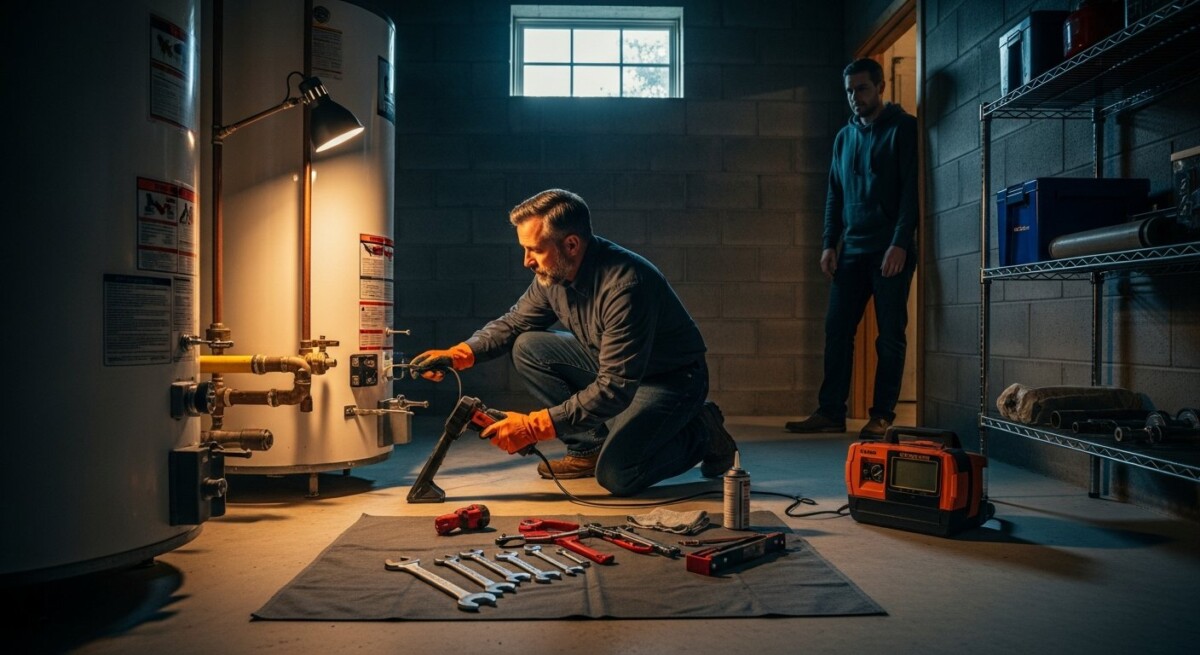
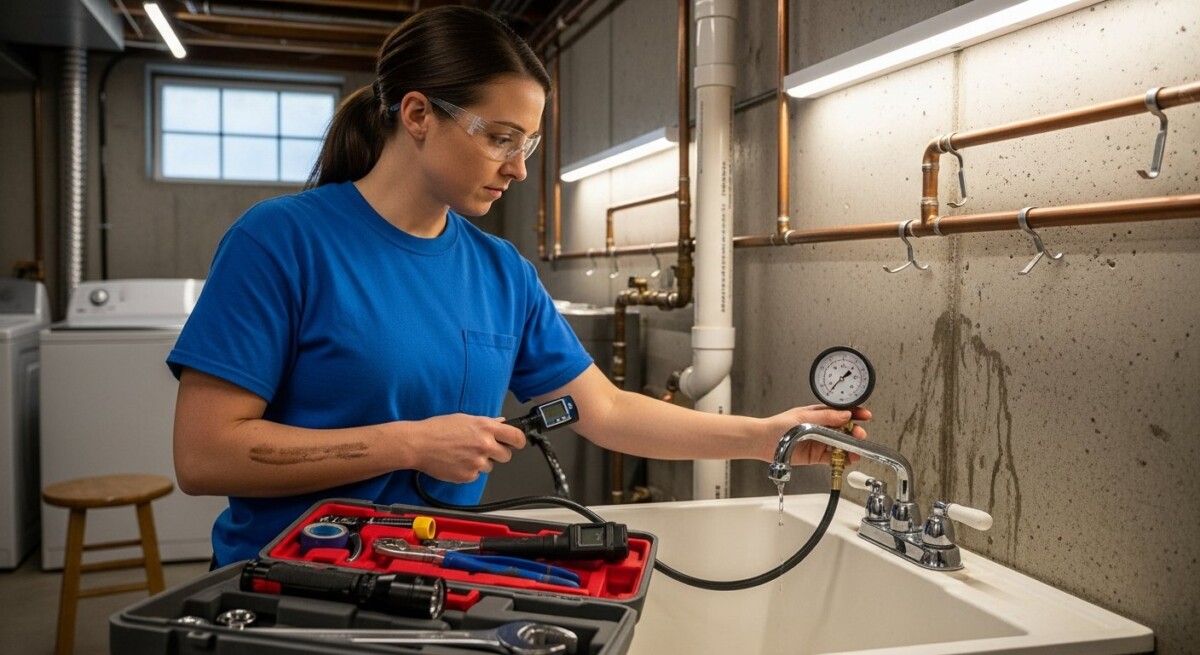
The inspection is methodical. The plumber will test water pressure, check for leaks at all visible pipes and fixtures, inspect water heaters, examine shut-off valves for proper operation, and assess the condition of drains and vents. They will also look at the age and material of your pipes, as this greatly influences their durability and potential for issues like corrosion.
Why It Matters for Homeowners
Think of your plumbing like the circulatory system of your home. When it’s healthy, everything works seamlessly. But hidden problems can cause slow damage, waste resources, and even create health hazards like mold. An evaluation gives you peace of mind and control. You’re not just reacting to disasters; you’re making informed decisions to protect your investment.
The benefits are substantial. You can prevent catastrophic failures that lead to flooded basements or ruined drywall. You’ll improve water efficiency, potentially lowering your utility bills. You’ll also ensure your family’s safety by verifying there are no risks like gas line leaks (for gas water heaters) or cross-connections that could contaminate your drinking water. For a deeper dive into how modern systems work, our guide to modern plumbing systems explains the advancements that improve home efficiency.
Ready to take control of your home’s plumbing health? Contact our certified team today at (555) 123-4567 to schedule your comprehensive evaluation and gain peace of mind.
Common Issues and Their Causes
During an evaluation, plumbers frequently uncover a set of common issues. Many of these start small and are easy to miss until they escalate. Understanding the root causes helps you see the value of catching them early.
Corrosion and mineral buildup inside pipes is a major culprit, especially in older homes with galvanized steel pipes. This slowly restricts water flow and can eventually cause leaks. Another widespread issue is hidden leaks within walls or under slabs, which waste water and promote mold growth. Drain lines can also become compromised due to bellies (sags) or root intrusion from outside, leading to chronic slow drains or backups.
- Low Water Pressure: Often caused by corroded pipes, faulty pressure regulators, or hidden leaks.
- Slow Drains: Usually due to partial clogs, improper venting, or damaged sewer lines.
- Running Toilets or Dripping Faucets: Worn-out internal seals and washers that waste thousands of gallons yearly.
- Water Heater Issues: Sediment buildup, a failing anode rod, or an aging tank nearing the end of its life.
- Faulty Shut-Off Valves: Valves that seize or leak over time, preventing you from turning water off in an emergency.
How Professionals Fix the Problem
Once the evaluation is complete, your plumber will provide a detailed report and recommend a prioritized plan. For minor issues like worn washers or a slow-draining sink, the fix is often quick and straightforward. For more complex problems, they use specialized tools and techniques.
For hidden leaks, they might use acoustic listening devices or thermal imaging cameras to pinpoint the exact location without unnecessary demolition. To diagnose drain problems, a video inspection camera is sent down the line, providing a real-time view of the pipe’s interior to identify cracks, blockages, or root intrusion. Repairs can then be targeted and efficient.
If pipe replacement is necessary, modern trenchless methods like pipe lining or pipe bursting can often rehabilitate lines with minimal disruption to your landscaping or flooring. The key is that the evaluation guides all these decisions, ensuring the solution matches the exact problem. The choice of plumbing pipe materials during any replacement is crucial for long-term performance, which we discuss in detail in our dedicated resource.
Don’t let small problems turn into big projects. Call us at (555) 123-4567 for expert diagnosis and repair solutions tailored to your home’s specific needs.
Signs You Should Not Ignore
Your plumbing often sends clear distress signals. While an evaluation is valuable even when nothing seems wrong, certain signs demand immediate attention. Acting on these warnings can save you from extensive water damage and more expensive repairs down the line.
Listen to and look for changes in your system’s normal behavior. A sudden drop in water pressure in multiple fixtures, for example, could indicate a major supply line issue. Discolored water (brown, yellow, or rusty) often points to corroding pipes. Gurgling sounds from drains or toilets can signal a venting problem or a blockage in the main sewer line.
- Unexplained increases in your water bill.
- Persistent damp spots on floors, walls, or ceilings.
- The smell of sewer gas inside your home.
- Mold or mildew growth in non-bathroom areas.
- Foundation cracks or sinkholes in your yard.
Cost Factors and What Affects Pricing
The cost of a plumbing evaluation is an investment in prevention, and it’s typically very reasonable compared to emergency repair costs. Several factors influence the price, with the size and age of your home being the primary ones. A larger home with more bathrooms and fixtures simply takes longer to inspect thoroughly.
The scope of the inspection also matters. A basic evaluation might cover visible fixtures and supply lines, while a premium one includes video drain scoping, water heater analysis, and water quality testing. Your location and the plumber’s expertise will also play a role. Remember, the most expensive evaluation is the one you never get before a pipe bursts.
Invest in your home’s future today. Schedule your evaluation with our trusted professionals by calling (555) 123-4567 for transparent pricing and exceptional service.
How To Choose the Right Professional or Service
Not all plumbing services are created equal. For something as important as a full system evaluation, choosing the right professional is critical. Always look for a licensed, insured, and bonded plumber. This protects you and your property in case of any accidents.
Seek out companies with strong local reputations and read verified customer reviews. A good plumber will be happy to explain their evaluation process, provide a clear estimate for the inspection itself, and communicate their findings in plain language. They should see themselves as your long-term partner in home maintenance, not just a one-time fix. Asking about their experience with homes of your age and pipe material types is also a smart move.
Long-Term Benefits for Your Home
The value of a plumbing system evaluation extends far beyond the day it’s performed. It lays the foundation for a reliable, efficient, and safe home for years to come. By identifying and addressing wear and tear proactively, you dramatically extend the lifespan of your entire plumbing system.
You’ll enjoy consistent water pressure, reliable hot water, and drains that work as they should. You’ll save money by avoiding emergency service calls and catastrophic water damage repairs. Most importantly, you’ll have the confidence that comes from truly understanding one of your home’s most vital systems, allowing you to plan upgrades and maintenance on your schedule, not on a crisis’s schedule.
Frequently Asked Questions
How often should I get a plumbing system evaluation?
For most homes, a full evaluation every 2-3 years is a good rule of thumb. If your home is over 20 years old or you’ve experienced recurring minor issues, consider an annual check-up.
How long does a full evaluation take?
For an average single-family home, a comprehensive inspection typically takes between 1.5 to 3 hours, depending on the home’s size, number of bathrooms, and accessibility of components.
Will the plumber need to cut into my walls?
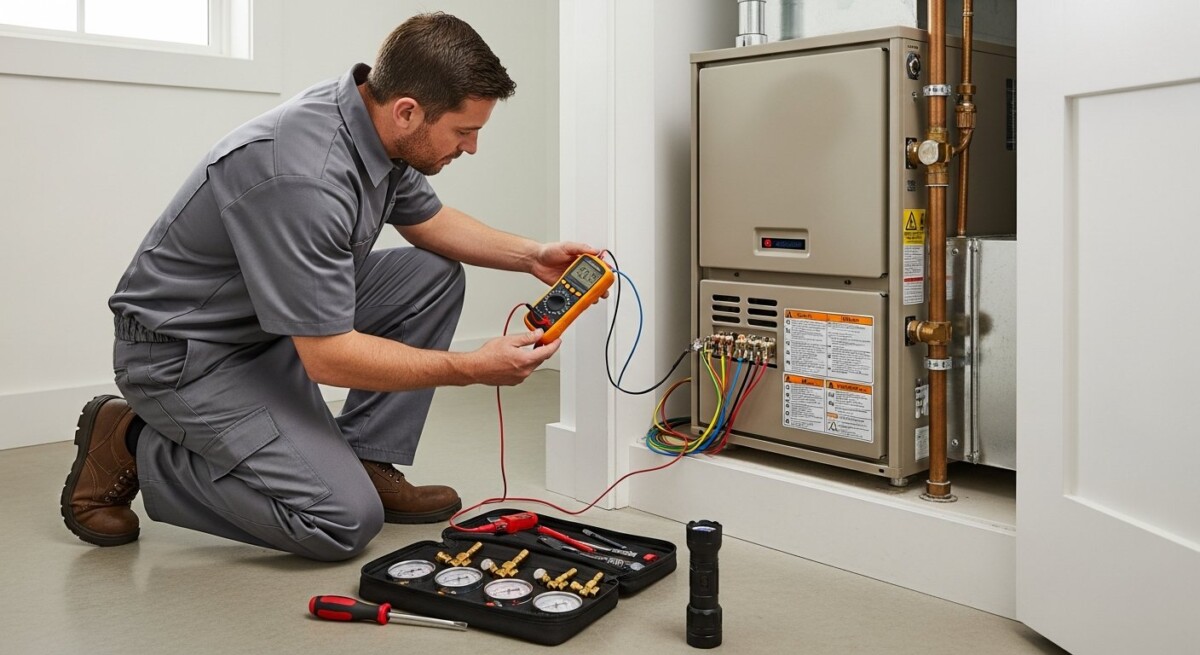
A standard evaluation is non-invasive. Plumbers use tools like moisture meters, pressure gauges, and video cameras to assess conditions without damaging your home. If a hidden leak is suspected, they will discuss any necessary investigative steps with you first.
What should I do to prepare for the evaluation?
Ensure clear access to your water heater, under-sink areas, and main shut-off valve. Make a note of any specific issues you’ve noticed, like which drain is slow or which faucet drips, to point out to the plumber.
Do I really need one if I have no problems?
Absolutely. Many serious plumbing issues start silently. An evaluation is preventive care, catching small problems like minor corrosion or a slowly failing valve before they cause damage or an emergency.
What’s included in the report I receive?
You should receive a detailed written report listing all components inspected, their condition, any issues found (with photos if possible), recommendations for repair or monitoring, and an assessment of your system’s overall health and remaining lifespan.
Can an evaluation help when buying a home?
Yes, a pre-purchase plumbing evaluation is highly recommended. It goes beyond a general home inspector’s look and can reveal hidden defects, giving you leverage in negotiations or helping you avoid a money pit.
Your home’s plumbing is too important to leave to chance. A professional plumbing system evaluation provides the clarity and confidence you need to protect your investment, ensure your family’s comfort, and avoid unexpected expenses. By taking this proactive step, you’re not just fixing problems,you’re building a foundation for a worry-free home.

About Alex Carter
"*" indicates required fields