Home Remodeling Cost Guide: What Homeowners Need to Budget
"*" indicates required fields
You walk into your kitchen one morning and notice a small crack in the tile. Or maybe your bathroom faucet has started dripping again. At first, it seems minor,something you can fix later. But then you remember that old roof leak, the drafty window, and the bathroom that hasn’t been updated in twenty years. Suddenly, the thought of remodeling feels overwhelming, especially when you have no idea what it might cost. This is exactly why having a home remodeling cost guide is essential for every homeowner who wants to protect their investment and avoid financial surprises.
Without a clear picture of costs, many homeowners delay necessary repairs or dive into projects without a realistic budget. That small crack can turn into water damage. That dripping faucet can lead to mold. And an outdated bathroom can lower your home’s resale value. The truth is, ignoring home remodeling needs almost always costs more in the long run. Understanding the factors that influence pricing helps you make smarter decisions,and knowing when to call a professional can save you thousands.
Understanding Home Remodeling Cost Guide
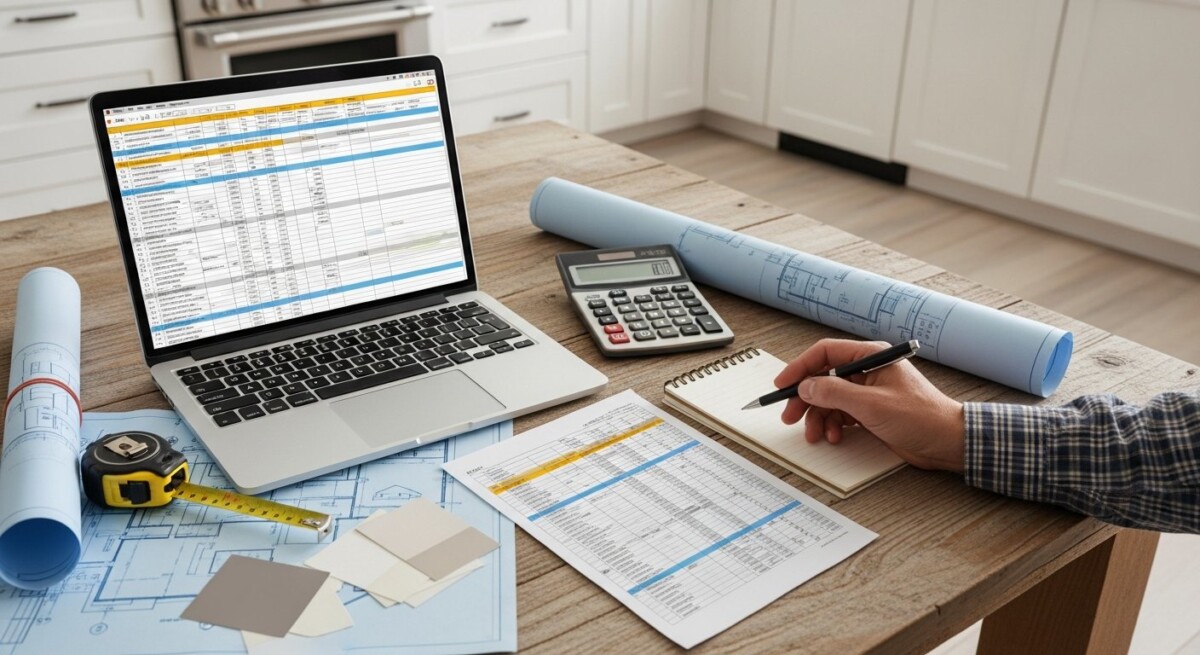
A home remodeling cost guide is simply a resource that breaks down the typical expenses involved in renovating different areas of your home. It covers everything from materials and labor to permits and unexpected repairs. Think of it as a roadmap that helps you plan your budget before you ever pick up a hammer or call a contractor.
Costs vary widely depending on the scope of your project, the quality of materials you choose, and where you live. For example, a kitchen remodel might cost between $15,000 and $50,000, while a bathroom renovation could range from $6,000 to $20,000. These numbers aren’t meant to scare you,they’re meant to help you prepare. A good cost guide also explains why prices differ, so you can make choices that fit your budget without sacrificing quality.
Why Costs Are Different for Every Home
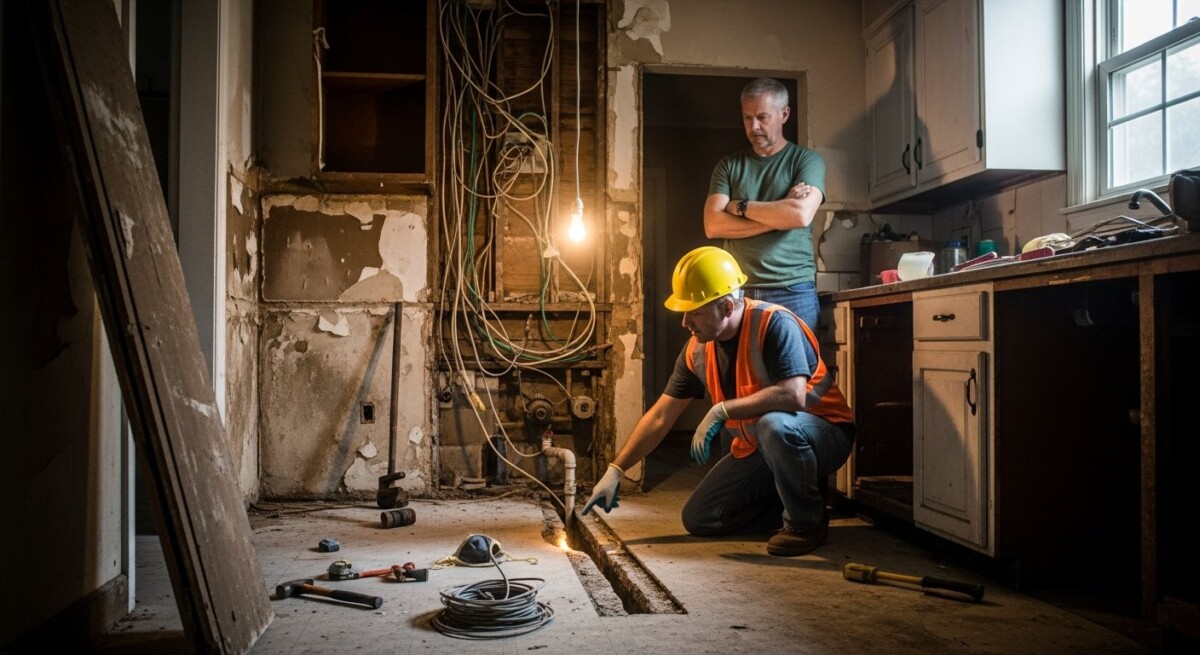
No two homes are exactly alike, and remodeling costs reflect that. The age of your home, its structural condition, and even its layout can affect pricing. Older homes often require more work behind the walls,like updating electrical wiring or plumbing,which adds to the total cost. Newer homes might need less structural work but could involve higher-end finishes if you want a modern look.
Why This Matters for Your Home
Delaying remodeling projects doesn’t just affect your home’s appearance,it affects its safety and value. A leaky roof, for example, can lead to rot, mold, and even structural damage over time. An outdated electrical system increases the risk of fires. These problems don’t fix themselves, and they only get more expensive the longer you wait.
Your home is likely your biggest financial asset. Regular remodeling and repairs help maintain,and even increase,its value. A well-maintained kitchen or bathroom is one of the top selling points for buyers. On the flip side, a home that looks neglected can sit on the market for months or sell for less than you’d expect. Investing in professional remodeling now protects your property and your peace of mind.
Comfort matters too. Drafty windows, old flooring, and inefficient appliances make your home less enjoyable to live in. Remodeling can improve energy efficiency, reduce utility bills, and make your home a more comfortable place for your family. These benefits go beyond dollars and cents,they improve your daily life.
If you notice signs of this issue in your home, it may help to speak with a qualified contractor. Request a free quote or call (480) 123-4567 to explore your repair or remodeling options.
Common Problems Homeowners Experience
Homeowners often face similar challenges when planning a remodel. One of the most common is underestimating the total cost. You might budget for new cabinets and countertops but forget about permits, disposal fees, or the cost of fixing hidden damage. These surprises can derail your project or force you to cut corners.
Another frequent issue is choosing the wrong materials. It’s tempting to go with the cheapest option, but low-quality materials often wear out faster and may not perform well in your climate. On the other hand, overspending on premium materials can leave you with no budget left for proper installation. A balanced approach,guided by professional advice,usually works best.
Here are some of the most common problems homeowners run into during remodeling projects:
- Hidden water damage or mold behind walls or under flooring
- Outdated electrical wiring that doesn’t meet current codes
- Asbestos or lead paint in older homes, requiring special removal
- Structural issues like sagging beams or foundation cracks
- Poor insulation leading to high energy bills and uneven temperatures
- Permit delays or zoning restrictions that slow down the project
How Professionals Solve the Problem
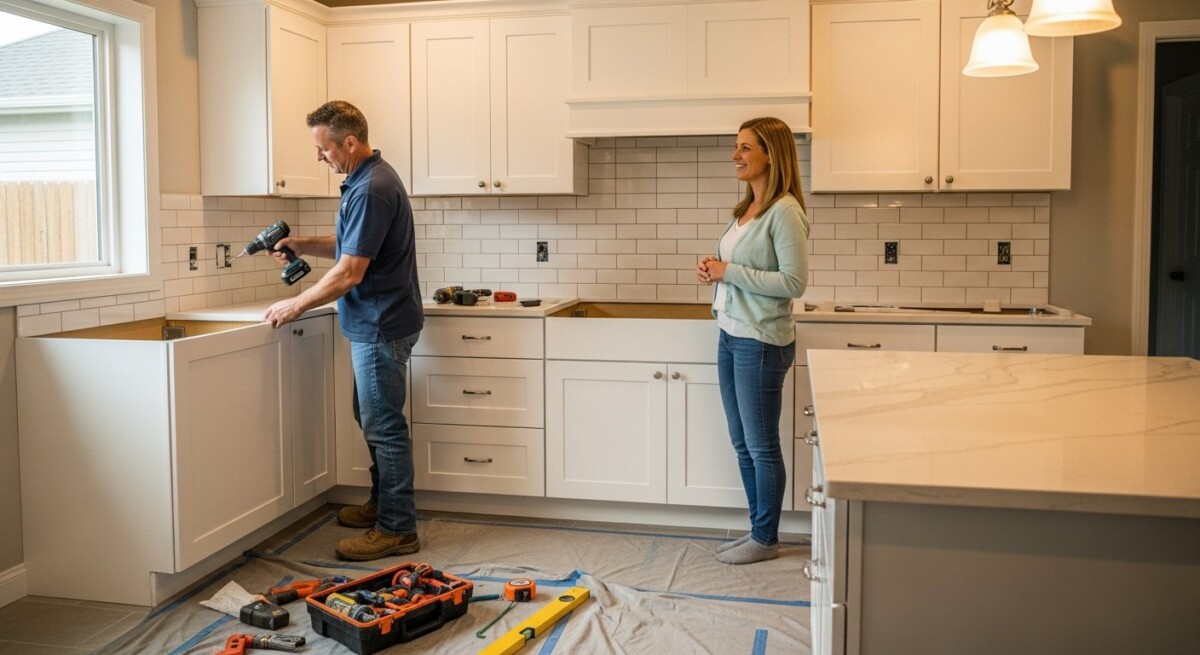
Experienced contractors approach remodeling projects with a clear process that minimizes surprises and keeps costs under control. They start with a thorough inspection of your home to identify any hidden issues. This step is critical because it catches problems early,before they become expensive emergencies.
Once the inspection is complete, the contractor creates a detailed plan and estimate. This includes the cost of materials, labor, permits, and a timeline for completion. Professionals also handle all the paperwork, including obtaining necessary permits and scheduling inspections. This saves you time and ensures everything is done to code.
The typical process for a professional remodel follows these steps:
- Initial consultation and inspection , The contractor visits your home, discusses your goals, and inspects the area to be remodeled. They look for potential issues like water damage, old wiring, or structural concerns.
- Design and material selection , You choose finishes, fixtures, and layouts with guidance from the contractor or a designer. They help you balance cost and quality to stay within your budget.
- Permitting and prep work , The contractor pulls any required permits and prepares the work area. This may include protecting floors, sealing off rooms, or removing old materials.
- Demolition and construction , Old fixtures and materials are removed, and the new work begins. Professionals follow safety protocols and building codes throughout this phase.
- Final inspection and cleanup , Once the work is done, the contractor inspects everything, cleans up the site, and walks you through the finished project. They also schedule any required city inspections.
DIY remodeling can seem cheaper upfront, but it often leads to mistakes that cost more to fix later. Professional contractors have the tools, training, and experience to get the job done right the first time. They also carry insurance, so you’re protected if something goes wrong.
A professional inspection can reveal hidden issues before they become expensive repairs. Compare contractor quotes here or call (480) 123-4567 to discuss your project.
Warning Signs You Should Not Ignore
Your home often gives you clues when something needs attention. Learning to recognize these warning signs can help you catch problems early and save money. If you wait until the damage is visible, you’re likely facing a much larger repair bill.
Pay attention to changes in your home’s performance. A sudden spike in your energy bill might mean your insulation is failing or your windows are leaking air. Strange smells, especially musty odors, can indicate mold or mildew behind walls. And if you hear creaking or shifting sounds, especially in the attic or basement, it’s worth investigating.
Here are warning signs that suggest it’s time to consider remodeling or repairs:
- Water stains on ceilings, walls, or around windows
- Peeling paint or wallpaper that wasn’t there before
- Drafts near windows, doors, or electrical outlets
- Flooring that feels uneven, spongy, or shows signs of rot
- Cracks in drywall, tiles, or the foundation
- Outdated fixtures that are hard to find parts for or that leak frequently
What Affects the Cost of Repairs or Installation
Several factors influence how much a remodeling project will cost. Understanding these can help you budget more accurately and avoid sticker shock when you get quotes. The size of the project is the most obvious factor,a full kitchen remodel costs more than a minor bathroom update. But size alone doesn’t tell the whole story.
Materials play a huge role in pricing. Custom cabinetry, natural stone countertops, and high-end flooring can quickly double your budget. On the other hand, stock cabinets, laminate countertops, and vinyl flooring are more affordable and still look great when installed properly. Labor costs also vary by region and by the complexity of the work. A simple flooring installation costs less than a full bathroom gut and rebuild.
Accessibility matters too. If your home has tight spaces, multiple stories, or limited parking for contractors, the work may take longer and cost more. Older homes often require additional work to bring them up to current codes, which adds to the total. The condition of your home’s existing systems,like plumbing, electrical, and HVAC,can also affect the final price.
Costs can vary depending on the condition of your home. The best way to know the price is to get a personalized estimate. Request free quotes from contractors or call (480) 123-4567 today.
How to Choose the Right Contractor
Finding a reliable contractor is one of the most important steps in any remodeling project. A good contractor not only does quality work but also communicates clearly, stays on schedule, and respects your budget. Start by asking for recommendations from friends, family, or neighbors who have recently completed similar projects.
Once you have a few names, do your research. Check online reviews on sites like Google, Yelp, and the Better Business Bureau. Look for patterns in feedback,multiple complaints about missed deadlines or poor communication are red flags. Always verify that the contractor is licensed, insured, and bonded. This protects you if something goes wrong during the project.
Here are practical tips for choosing the right contractor:
- Verify licenses and insurance , Ask for proof of liability insurance and workers’ compensation. This protects you from liability if a worker is injured on your property.
- Read customer reviews , Look for recent reviews that mention similar projects. Pay attention to how the contractor handled problems or changes.
- Ask for detailed estimates , A good estimate breaks down costs by materials, labor, permits, and other fees. Avoid contractors who give vague or verbal estimates.
- Compare multiple quotes , Get at least three quotes to understand the market rate. The cheapest option isn’t always the best,look for value, not just price.
- Confirm experience with similar projects , Ask how many projects like yours they’ve completed. Experienced contractors can anticipate challenges and avoid costly delays.
Long-Term Benefits of Professional Work
Investing in professional remodeling pays off in many ways over the years. The most immediate benefit is safety. Professional contractors follow building codes and safety standards, reducing the risk of fire, electrical shock, or structural failure. This is especially important for projects involving electrical, plumbing, or structural changes.
Durability is another major advantage. Professional work tends to last longer because it’s done right the first time. Materials are installed correctly, seams are sealed, and finishes are applied properly. This means fewer repairs and less maintenance down the road. You’ll also enjoy better energy efficiency, which lowers your utility bills and makes your home more comfortable year-round.
Finally, professional remodeling increases your home’s resale value. Kitchens and bathrooms are two of the most important rooms to buyers. A well-designed, professionally installed remodel can recoup 60% to 80% of its cost when you sell. Even smaller projects, like replacing windows or updating flooring, offer strong returns. By working with professionals, you’re not just improving your home,you’re making a smart financial investment.
What is the average cost of a home remodel?
The average cost varies widely by project. A minor bathroom remodel might cost $6,000 to $10,000, while a major kitchen renovation can run $25,000 to $50,000 or more. For whole-home remodeling, expect to pay between $15 and $60 per square foot, depending on the scope and quality of finishes.
How can I estimate my remodeling budget?
Start by listing all the areas you want to remodel and research average costs in your area. Use online cost guides and talk to local contractors for rough estimates. Always add a 10% to 20% contingency fund for unexpected expenses like hidden water damage or code upgrades.
What is the most expensive part of a home remodel?
Labor is typically the largest expense, accounting for 40% to 60% of the total cost. For kitchens and bathrooms, custom cabinetry, countertops, and appliances are also major cost drivers. Structural changes, like moving walls or adding windows, add significant cost due to engineering and permitting requirements.
Should I remodel my home before selling?
It depends on your market and the condition of your home. Minor updates that improve curb appeal and fix obvious problems,like a fresh coat of paint, new flooring, or updated fixtures,often pay off. Major remodels may not recoup their full cost if you’re selling soon. A real estate agent can help you decide what’s worth doing.
How long does a typical home remodel take?
A small bathroom remodel usually takes 2 to 4 weeks. A kitchen remodel can take 4 to 8 weeks. Whole-home renovations may last 3 to 6 months or longer, depending on the size and complexity. Delays can happen due to material shortages, permit issues, or unexpected discoveries during demolition.
Can I live in my home during a remodel?
For small projects like a single bathroom or room update, you can usually stay in your home. For larger projects that involve kitchen, multiple rooms, or structural work, it may be more comfortable to move out temporarily. Discuss this with your contractor to plan for disruptions.
How do I finance a home remodel?
Options include paying with savings, using a home equity loan or line of credit, or taking out a personal loan. Some contractors offer financing through third-party lenders. Compare interest rates and terms before choosing a method. Always factor in the total cost, including interest, when budgeting.
What questions should I ask a contractor before hiring?
Ask about their experience with similar projects, their licensing and insurance, and their process for handling unexpected issues. Request a detailed written estimate and ask for references from past clients. Also, clarify the payment schedule, timeline, and how they handle changes or delays.
Remodeling your home is a big decision, but you don’t have to navigate it alone. Understanding the costs, recognizing warning signs early, and choosing the right professionals can make the process smoother and more affordable. Whether you’re fixing a small problem or planning a full renovation, taking action sooner rather than later protects your home and your budget. Start by comparing contractor quotes to see what’s possible within your budget. With the right plan and team, you can transform your home into a space you’ll love for years to come.

About Alex Carter
"*" indicates required fields