Why Renovation Costs Increase: A Homeowner’s Guide
"*" indicates required fields
You’ve finally saved up for that kitchen update or bathroom remodel. The plans look perfect on paper, and you’re ready to transform your home. But then the first quote arrives,and it’s thousands of dollars more than you expected. You start to wonder: why do renovation costs keep climbing? This frustrating moment is more common than you think. Hidden issues, outdated materials, and unexpected structural problems all drive up the price. If ignored, these surprises can turn a simple project into a financial headache. Understanding why renovation costs increase helps you plan smarter and avoid costly mistakes.
Understanding Why Renovation Costs Increase
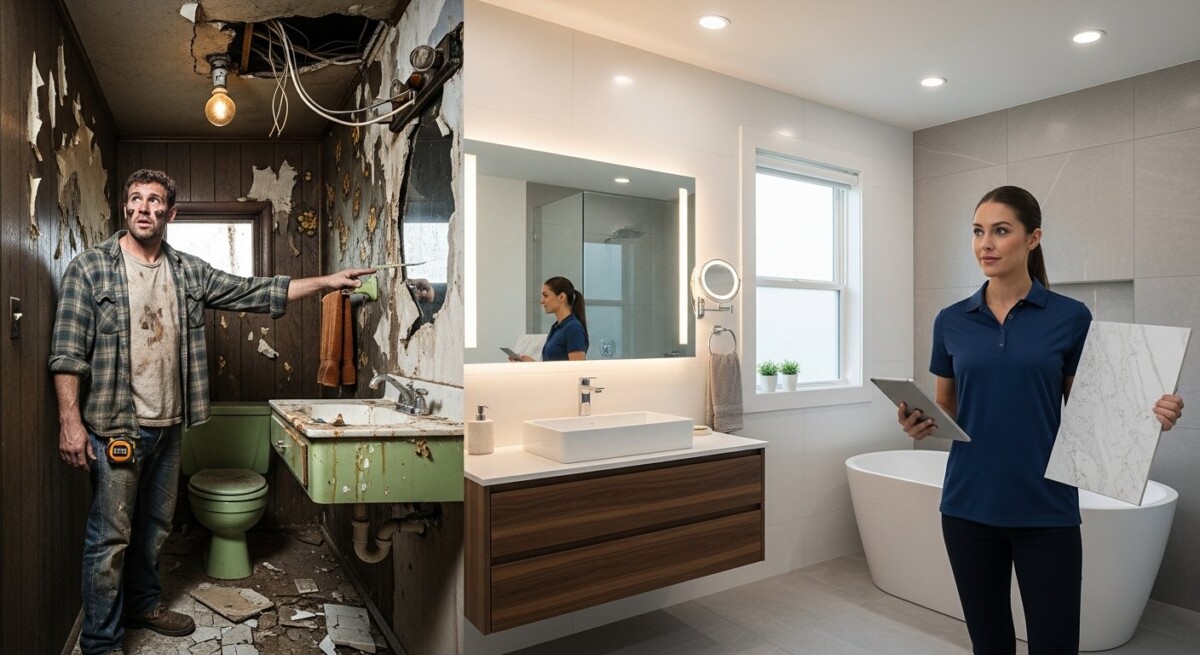
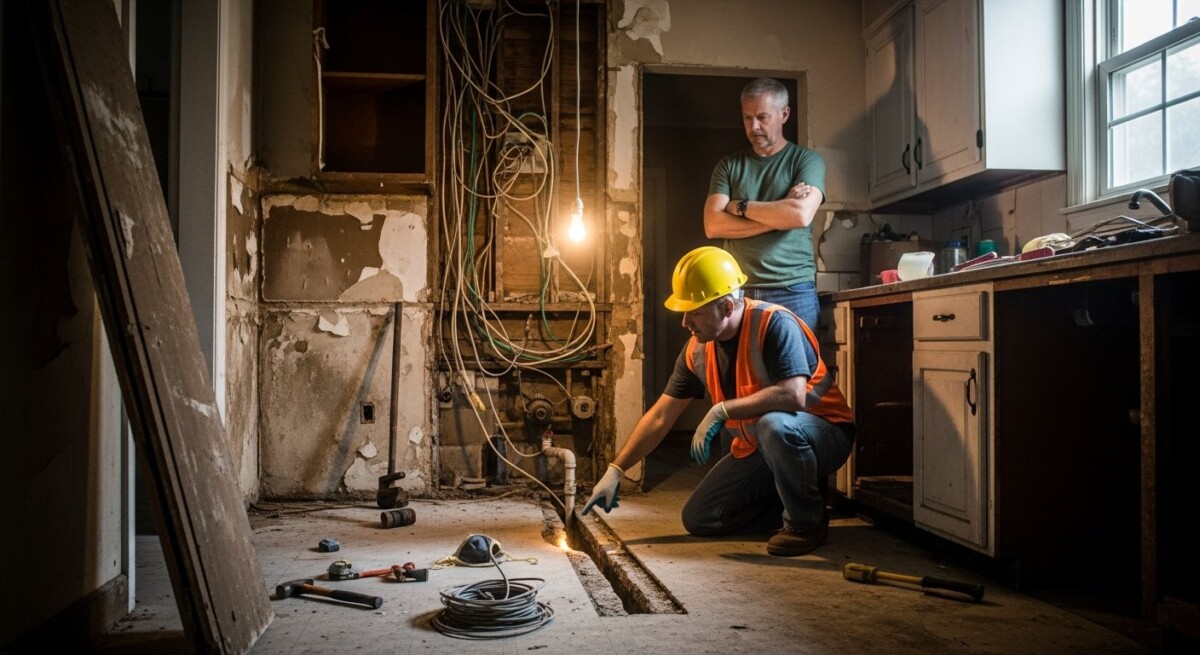
Renovation costs rise for many reasons, but the most common is discovering problems behind walls, under floors, or inside old systems. What looks like a straightforward job often reveals water damage, outdated wiring, or structural decay once the work begins. These hidden issues require immediate attention and additional labor, materials, and permits.
Older homes, especially those built before 1980, are more likely to hide surprises. But even newer houses can have installation errors or subpar materials that only come to light during demolition. The key is to expect the unexpected and budget for it. As we explain in how to estimate renovation costs, factoring in a 10,20% contingency fund is a standard practice that protects your wallet.
Why This Matters for Your Home
Ignoring why costs increase can lead to bigger problems down the road. For example, a small leak behind a shower wall might only cost a few hundred dollars to fix today. But if left untreated, it can rot the subfloor, damage adjacent rooms, and create mold,turning a $300 repair into a $5,000 restoration. Your safety is also at risk: faulty electrical systems or weakened foundations can cause fires or collapses.
Comfort matters too. A poorly planned renovation that cuts corners will leave you with drafty rooms, uneven floors, or fixtures that fail early. And when it’s time to sell, buyers will notice shoddy work. Professional repairs protect your property’s value and ensure your home remains a safe, enjoyable place to live.
If you notice signs of this issue in your home, it may help to speak with a qualified contractor. Request a free quote or call 602-730-3520 to explore your repair or remodeling options.
Common Problems Homeowners Experience
Homeowners often discover cost increases when contractors open up walls or remove old finishes. What looked like a simple paint job becomes a full drywall replacement because of moisture damage. A flooring upgrade reveals rotted subfloors that need replacing before new materials can go down. These surprises are the norm, not the exception.
Another common problem is outdated systems that no longer meet code. Old plumbing, knob-and-tube wiring, or asbestos-laden insulation must be updated to comply with modern safety standards. These upgrades are non-negotiable and add significant cost, but they also make your home safer and more efficient.
- Water damage behind walls or under floors
- Outdated electrical systems that need rewiring
- Structural issues like sagging beams or cracked foundations
- Mold or mildew growth from hidden leaks
- Pest infestations that require extermination before work begins
- Permit fees and inspection requirements that vary by location
How Professionals Solve the Problem
Experienced contractors know how to anticipate and manage hidden costs. They perform thorough inspections before quoting and build contingency plans into their budgets. When surprises arise, they communicate with you immediately and explain the options. This transparency helps you make informed decisions without panic.
The typical professional process follows a clear path. First, the contractor visits your home for a detailed assessment, checking everything from the roof to the foundation. Second, they provide a written estimate that includes materials, labor, permits, and a contingency buffer. Third, during demolition, they stop work if they find unexpected issues and discuss solutions with you before proceeding.
- Initial inspection and consultation
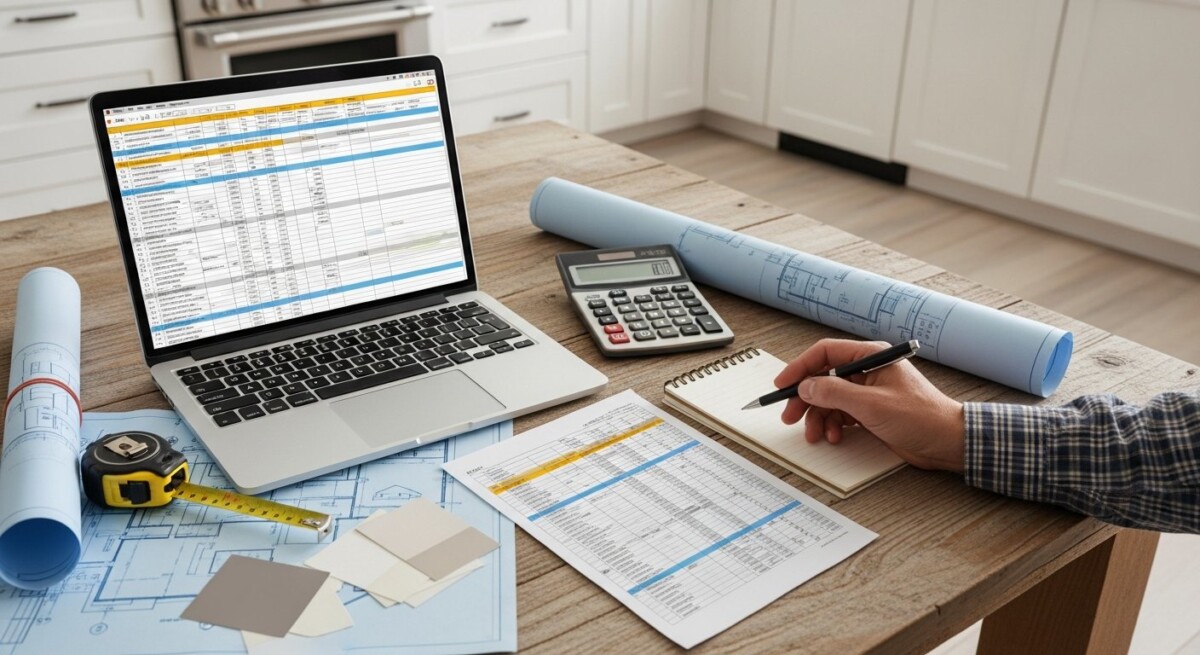
- Detailed written estimate with line items
- Secure permits and schedule inspections
- Demolition and cleanup with continuous monitoring
- Repairs and installations using quality materials
- Final walkthrough and warranty documentation
A professional inspection can reveal hidden issues before they become expensive repairs. Compare contractor quotes here or call 602-730-3520 to discuss your project.
Warning Signs You Should Not Ignore
Your home often gives early signals that a renovation will cost more than expected. Pay attention to these clues before you start planning. For example, if your faucets drip or your walls feel damp, there’s likely moisture hiding inside. Cracked tiles, peeling paint, or musty odors also point to deeper issues.
Another red flag is inconsistent temperatures or high energy bills. These can indicate poor insulation, leaky ducts, or aging windows that need replacement. And if you notice squeaky floors or doors that stick, the framing may have shifted. Addressing these signs early helps you budget realistically and avoid mid-project surprises.
- Persistent musty odors or visible mold
- Cracks in walls, ceilings, or foundations
- Water stains on ceilings or near plumbing fixtures
- Flickering lights or frequent breaker trips
- Drafty rooms or uneven floor temperatures
- Old, brittle wiring or rusty pipes visible in basements or attics
What Affects the Cost of Repairs or Installation
Several factors influence how much your renovation will ultimately cost. The size of the project is the most obvious,a full kitchen remodel costs more than a single cabinet reface. But material choices also play a huge role: solid hardwood flooring is pricier than laminate, and custom cabinetry costs more than stock options.
Labor costs vary based on your location and the complexity of the work. Projects that require specialized skills,like electrical, plumbing, or structural engineering,command higher rates. Accessibility matters too; a bathroom on the third floor with narrow stairways takes longer and costs more than a ground-floor powder room. And as we discuss in bathroom makeover on a budget, even small spaces can hide big costs when plumbing needs rerouting.
Costs can vary depending on the condition of your home. The best way to know the price is to get a personalized estimate. Request free quotes from contractors or call 602-730-3520 today.
How to Choose the Right Contractor
Selecting the right contractor is the most important decision you’ll make. A good contractor doesn’t just provide a low bid,they explain why costs are what they are and help you prioritize. They also carry proper licenses and insurance, which protects you if something goes wrong. Always ask for references and check online reviews to confirm their reputation.
Don’t rush the decision. Get at least three quotes and compare them carefully. Look beyond the total price: examine the scope of work, materials specified, and warranty terms. A cheap quote might omit essential steps like permits or cleanup, leading to higher costs later. Trust your gut,if a contractor seems evasive or pushy, move on.
- Verify state licensing and general liability insurance
- Read recent reviews on Google, Yelp, or the Better Business Bureau
- Ask for a detailed written estimate with no vague line items
- Compare at least three quotes before making a decision
- Confirm the contractor has experience with similar projects
Long-Term Benefits of Professional Work
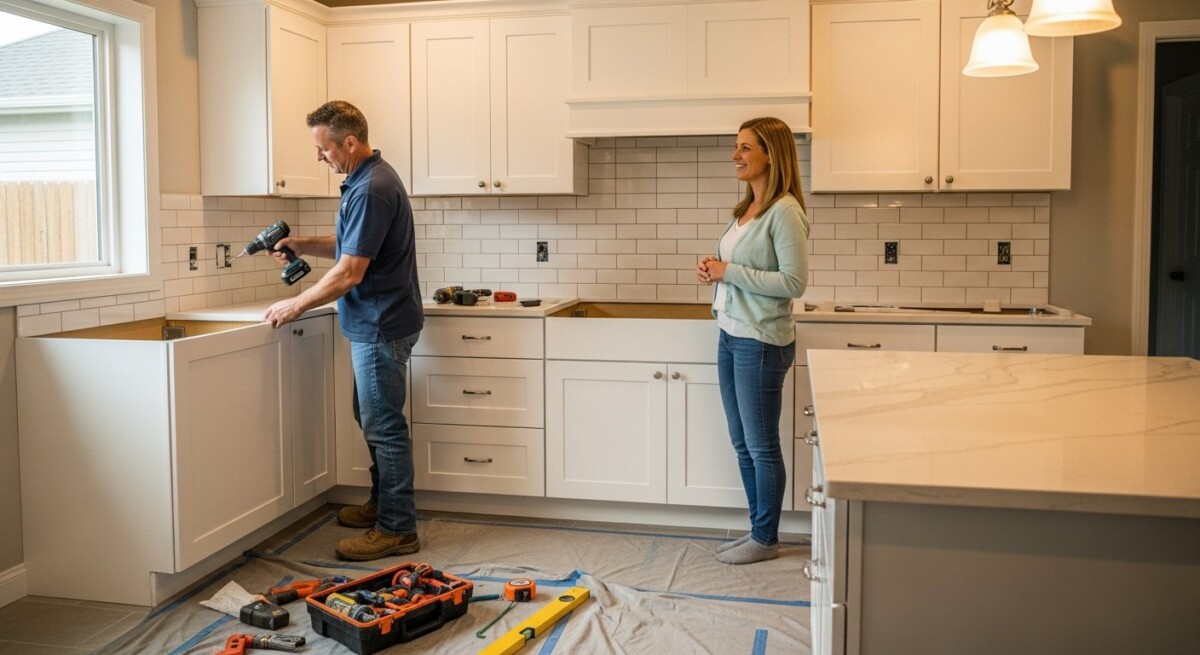
Investing in professional renovation pays off for years. Quality materials and expert installation last longer, meaning fewer repairs and replacements. Your home will be safer,no electrical shorts, no leaking pipes, no sagging floors. Energy efficiency improves too: modern windows, insulation, and HVAC systems lower your utility bills month after month.
Professional work also boosts your home’s resale value. Buyers pay a premium for a house with updated kitchens, bathrooms, and systems. They trust that the work was done right, with permits and inspections. And you’ll enjoy peace of mind knowing your home is built to last, without hidden problems waiting to surface.
What is the biggest cause of renovation cost overruns?
The biggest cause is discovering hidden problems after work begins,like water damage, outdated wiring, or structural decay. These issues are invisible until walls or floors are opened. A professional pre-inspection can identify many of them before you commit to a budget.
How much should I budget for unexpected costs?
Industry experts recommend setting aside 10,20% of your total budget for surprises. For a $30,000 kitchen remodel, that means an extra $3,000 to $6,000. This contingency fund covers unexpected repairs without derailing your project.
Can I reduce renovation costs by doing some work myself?
Yes, but only for simple tasks like painting or demolition. Leave electrical, plumbing, and structural work to licensed professionals. DIY mistakes often cost more to fix than hiring a pro from the start. Always check local codes before tackling any project.
Why do contractor quotes vary so much?
Quotes differ because contractors include different levels of detail. One might price basic materials, while another includes premium finishes, permits, and cleanup. Always compare the scope of work, not just the total price. A higher quote often means better materials and more thorough service.
Is it worth getting a permit for a small renovation?
Yes, permits ensure your renovation meets safety codes. Unpermitted work can cause problems when you sell your home or file an insurance claim. Permit fees are a small price for legal protection and peace of mind.
How can I avoid mid-project price increases?
Get a detailed contract that lists every material, labor hour, and fee. Ask your contractor to pause and get your approval before making any changes. Avoid vague phrases like “as needed” in the scope of work.
Does the age of my home affect renovation costs?
Absolutely. Older homes often have outdated systems, hazardous materials like asbestos, and non-standard dimensions. These factors increase labor time and material costs. A pre-1980 home almost always requires more work than a newer one.
When should I get a second opinion on a contractor’s estimate?
Always get at least three quotes. If one contractor’s estimate is significantly higher or lower than others, ask why. A second opinion helps you understand whether the price difference reflects quality or corners being cut.
Understanding why renovation costs increase helps you plan a successful project without financial surprises. Hidden problems, material choices, and labor complexity all play a role. The best way to protect your budget is to work with experienced professionals and compare multiple quotes. Start by requesting estimates from trusted contractors,your home deserves work that lasts.

About Alex Carter
"*" indicates required fields