Licensed Remodeling Contractors: Protect Your Home and Investment
"*" indicates required fields
You finally decide to tackle that outdated bathroom or the kitchen that has been bothering you for years. You start searching online for help, and within minutes, you see dozens of companies offering to remodel your home. Some prices seem too good to be true, while others feel sky-high. It is easy to feel overwhelmed and unsure who to trust. This is exactly where many homeowners get stuck, and unfortunately, where some make a costly mistake by hiring the wrong person. The difference between a smooth, successful renovation and a stressful, expensive disaster often comes down to one simple decision: working with licensed remodeling contractors.
When you hire someone without the proper credentials, you risk shoddy workmanship, safety hazards, and even legal headaches. A leaky pipe behind a new wall or an electrical system that isn’t up to code can turn your dream renovation into a nightmare. Ignoring the importance of a license might save you a few hundred dollars upfront, but it can cost you thousands in repairs later. Understanding what a licensed contractor brings to your project is the first step toward protecting your home, your budget, and your peace of mind. This article explains why hiring a licensed professional matters, what warning signs to watch for, and how to find the right expert for your next project.
Understanding Licensed Remodeling Contractors
A licensed remodeling contractor has met specific state or local requirements to legally perform home improvement work. These requirements typically include passing exams, proving years of experience, carrying liability insurance, and posting a bond. This license is not just a piece of paper; it is a guarantee that the contractor understands building codes, safety standards, and proper construction methods. When you hire a licensed professional, you are hiring someone who has been vetted by a governing body.
Many homeowners assume that any contractor with a truck and a toolbox is qualified. Unfortunately, that is not always the case. Unlicensed workers often operate without insurance, meaning you could be held liable if someone gets injured on your property. They may also skip permits, which can cause problems when you try to sell your home later. Licensed contractors, on the other hand, are accountable to their licensing board and must follow strict rules to keep their credentials active. This accountability protects you, your home, and your investment.
Why This Matters for Your Home
Your home is likely your biggest financial asset. Every renovation project you undertake should add value, not create problems. When you hire a licensed remodeling contractor, you reduce the risk of structural issues, electrical fires, or water damage caused by improper installation. These professionals know how to handle unexpected problems that often arise during demolition or construction, such as hidden mold, outdated wiring, or load-bearing walls that need reinforcement.
Delaying necessary repairs or choosing an unqualified worker can lead to escalating costs. A small bathroom leak ignored today can rot subflooring and require a full tear-out next year. A poorly installed roof can lead to ceiling stains, mold growth, and even structural decay. Licensed contractors help you avoid these domino effects by doing the job right the first time. They also provide warranties on their work, giving you recourse if something goes wrong months or years later. In our guide on licensed remodeling contractors: why they matter for your home, we explain how professional work protects your property long-term.
Beyond safety and finances, there is the matter of comfort. A properly remodeled kitchen or bathroom functions better, looks better, and makes daily life more enjoyable. Licensed contractors bring design expertise and practical experience that can turn your ideas into a space that truly works for your family. They coordinate subcontractors, order materials, and manage timelines so you don’t have to stress over every detail.
If you notice signs of this issue in your home, it may help to speak with a qualified contractor. Request a free quote or call to explore your repair or remodeling options.
Common Problems Homeowners Experience
Even well-maintained homes develop issues over time. Age, weather, and daily wear and tear take a toll on every part of your house. Many homeowners first notice problems when something stops working correctly, like a window that sticks, a faucet that leaks, or a floor that feels spongy. These small symptoms are often signs of larger underlying issues that need professional attention.
Some problems are obvious, like cracked tiles or peeling paint. Others are hidden behind walls, under floors, or in the attic. A licensed contractor has the training and tools to detect these hidden problems early, before they cause major damage. Here are some of the most common issues homeowners face that require a professional remodeler:
- Outdated electrical systems that cannot handle modern appliances or devices
- Water damage from leaking pipes, roofs, or windows that leads to mold and rot
- Poor insulation that drives up energy bills and makes rooms uncomfortable
- Aging plumbing that causes low water pressure, discolored water, or leaks
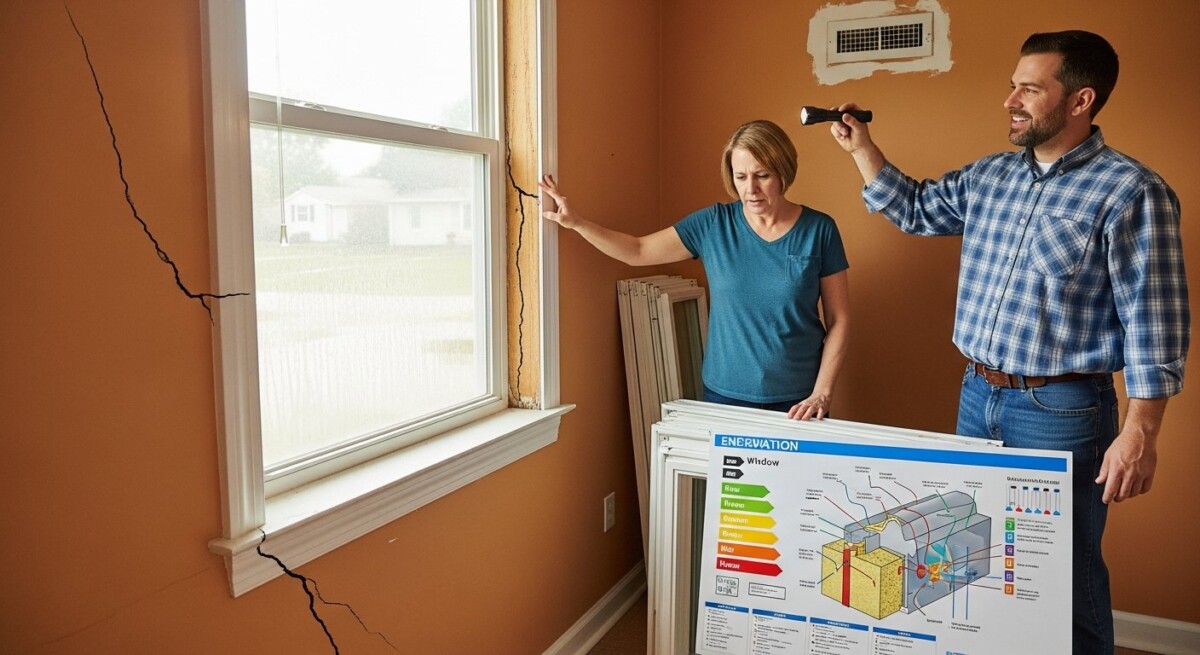
- Structural cracks in foundations, walls, or ceilings that indicate settling or damage
- Inefficient layouts in kitchens and bathrooms that waste space and limit functionality
How Professionals Solve the Problem
When you hire a licensed remodeling contractor, you get more than just labor. You get a systematic approach to solving your home improvement challenges. The process usually begins with a thorough inspection of the area to be remodeled. The contractor identifies all issues, from the obvious to the hidden, and creates a detailed plan to address each one. This plan includes material choices, timelines, and a clear budget.
Here is a typical step-by-step process for a professional remodeling project:
- Assessment and Consultation: The contractor visits your home, listens to your goals, and evaluates the space. They take measurements, check for existing damage, and discuss design options.
- Detailed Estimate: You receive a written estimate that breaks down costs for materials, labor, permits, and any contingencies. This transparency helps you make an informed decision.
- Permitting and Planning: The contractor pulls the necessary permits from your local building department. This ensures all work meets code and passes required inspections.
- Demolition and Preparation: The team safely removes old materials, protects adjacent areas, and prepares the space for new construction.
- Installation and Construction: Skilled tradespeople install new wiring, plumbing, drywall, flooring, cabinetry, and fixtures according to the plan. The contractor oversees quality and timelines.
- Final Inspection and Cleanup: After all work is complete, the contractor inspects every detail, cleans the site, and walks you through the finished project. You receive warranty information and maintenance tips.
Professional work is safer and more reliable than DIY or unlicensed labor because it follows established codes and standards. A licensed contractor carries insurance that covers accidents, damage, and defective work. If something goes wrong, you have a path to resolution. For more details on why credentials matter, read our article on why licensed remodeling contractors matter for your home.
A professional inspection can reveal hidden issues before they become expensive repairs. Compare contractor quotes here or call to discuss your project.
Warning Signs You Should Not Ignore
Your home often gives you clues that something needs attention. Paying attention to these early warning signs can save you from major headaches and unexpected costs. Some signals are subtle, like a door that no longer closes properly or a faint musty smell in the basement. Others are more obvious, such as water stains on the ceiling or cracks spreading across a wall.
If you notice any of these issues, it is wise to have a licensed contractor take a look. Early intervention is almost always cheaper and less disruptive than waiting until the problem forces an emergency repair. Here are warning signs that should prompt a call to a professional:
- Persistent odors like mustiness, sewage, or burning that you cannot identify
- Visible mold or mildew growing on walls, ceilings, or around windows
- Water stains or discoloration on ceilings, walls, or floors
- Drafty rooms or uneven temperatures that suggest insulation or HVAC problems
- Peeling paint or wallpaper that indicates moisture behind the surface
- Sagging ceilings or bowed walls that point to structural issues
- Frequent circuit breaker trips or flickering lights that signal electrical trouble
What Affects the Cost of Repairs or Installation
Every remodeling project is unique, and costs vary based on several factors. Understanding what influences pricing helps you set realistic expectations and compare quotes fairly. The size of the project is the most obvious factor, but other elements can significantly affect the final number.
Materials play a major role in cost. High-end countertops, custom cabinetry, and premium flooring cost more than standard options. However, investing in quality materials often pays off in durability and resale value. Labor costs also vary by region and by the complexity of the work. A simple bathroom refresh costs less than a full gut renovation that requires moving plumbing and electrical lines. Accessibility matters too; a second-story addition is more expensive than a ground-floor remodel because of the extra logistics and safety requirements. Older homes often present surprises like outdated wiring or asbestos that add to the price.
Costs can vary depending on the condition of your home. The best way to know the price is to get a personalized estimate. Request free quotes from contractors or call today.
How to Choose the Right Contractor
Selecting the right contractor is one of the most important decisions you will make during a renovation. A good choice leads to a smooth project and a beautiful result. A poor choice can cause stress, delays, and financial loss. Taking the time to vet contractors properly is well worth the effort.
Start by asking friends, neighbors, or local hardware stores for recommendations. Then, research each candidate online and check their license status with your state’s licensing board. Always ask for proof of insurance and request references from recent clients. A reputable contractor will be happy to provide this information. Here are key tips for choosing wisely:
- Verify their license with your state or local licensing authority
- Confirm insurance coverage for liability and workers’ compensation
- Read online reviews on Google, Yelp, and the Better Business Bureau
- Get at least three detailed estimates in writing before deciding
- Ask about their experience with projects similar to yours
- Review the contract carefully before signing, including payment schedules and warranty terms
Long-Term Benefits of Professional Work
Investing in a licensed remodeling contractor pays dividends for years to come. Professional work is built to last, which means fewer repairs and less maintenance down the road. You will enjoy a home that functions better, looks great, and holds its value. When it comes time to sell, a well-documented renovation by a licensed professional can be a strong selling point.
Energy efficiency is another major benefit. Licensed contractors know how to install windows, insulation, and HVAC systems for maximum performance. Lower utility bills and a more comfortable home are direct results of quality workmanship. Safety is also a long-term win; proper electrical, plumbing, and structural work reduces the risk of fires, floods, and collapses. You and your family can relax knowing your home is secure.
Finally, professional remodeling increases your home’s resale value. Buyers are willing to pay more for a home with updated kitchens, bathrooms, and systems that have been installed correctly. If you are planning to stay in your home for many years, the daily enjoyment and reduced stress of a well-built space are priceless. For help finding trusted professionals, check out our resource on finding trusted remodeling contractors near you.
What is the difference between a licensed contractor and a general handyman?
A licensed contractor has met state requirements including exams, insurance, and bonding. Handymen are typically limited to small jobs under a certain dollar amount and may not carry the same insurance or accountability. For major remodeling projects, a licensed contractor provides greater protection and quality assurance.
Do I need a licensed contractor for a small bathroom remodel?
Yes, even small bathroom remodels often involve plumbing, electrical work, and structural changes. Most states require a licensed contractor for any project over a specific cost threshold, usually $500 to $1,000. Hiring a licensed professional ensures the work meets code and protects your home.
How can I verify a contractor’s license?
You can check your state’s licensing board website, which usually has a searchable database. Ask the contractor for their license number and verify it online. You can also call the board directly to confirm the status and any complaints on record.
What happens if I hire an unlicensed contractor?
You risk poor workmanship, safety hazards, and legal liability. If the worker gets injured on your property, you may be responsible for medical bills. Unlicensed work may also void your homeowner’s insurance and cause problems when selling your home.
How much does it cost to hire a licensed remodeling contractor?
Costs vary widely based on project size, materials, and location. A small bathroom remodel might cost $5,000 to $15,000, while a full kitchen renovation can range from $20,000 to $50,000 or more. Getting multiple quotes helps you understand the market rate for your specific project.
How long does a typical remodeling project take?
Timelines depend on the scope of work. A bathroom remodel usually takes 2 to 4 weeks, while a kitchen renovation can take 6 to 12 weeks. Delays can occur due to material availability, permit approvals, or unexpected issues found during demolition.
What should I look for in a remodeling contract?
A good contract includes a detailed scope of work, material specifications, payment schedule, start and completion dates, and warranty information. It should also outline how change orders and unforeseen issues will be handled. Never sign a contract with blank spaces or vague terms.
Can I save money by doing some work myself and hiring a contractor for the rest?
Some homeowners act as their own general contractor to save money, but this requires significant time, knowledge, and coordination. Licensed contractors often won’t take on partial projects due to liability concerns. If you go this route, make sure you pull permits and understand local codes.
Your home deserves the best care you can give it. Whether you are planning a small update or a major renovation, working with licensed remodeling contractors is the smartest way to protect your investment and achieve lasting results. Do not wait until a small problem becomes a big expense. Start by comparing quotes from qualified professionals so you can make an informed choice and move forward with confidence.

About Alex Carter
"*" indicates required fields