
What Is Full Home Renovation: A Complete Guide for Homeowners
"*" indicates required fields
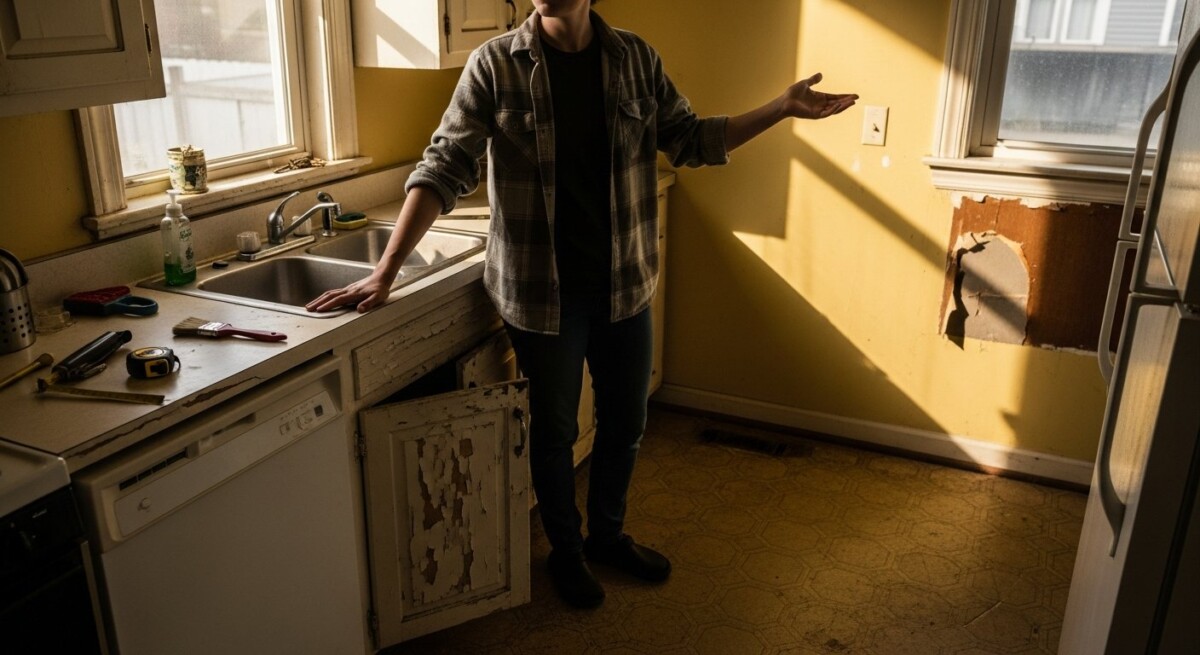
You walk into your living room and notice the ceiling has a small water stain. The kitchen cabinets are sticking, the bathroom tile is cracked, and the windows whistle when the wind picks up. At first, these seem like minor annoyances. But over time, you realize your home no longer feels comfortable or safe. That water stain could mean a hidden leak. The sticking cabinets might indicate shifting foundations. The drafty windows are driving up your energy bills. This is the moment many homeowners begin asking: what is full home renovation? It is the process of restoring or upgrading your entire house,not just one room,to make it functional, safe, and enjoyable again. Ignoring these issues can lead to costly structural damage, mold growth, and even safety hazards. If your home is showing its age, it may be time to consider a complete transformation.
Understanding What Is Full Home Renovation
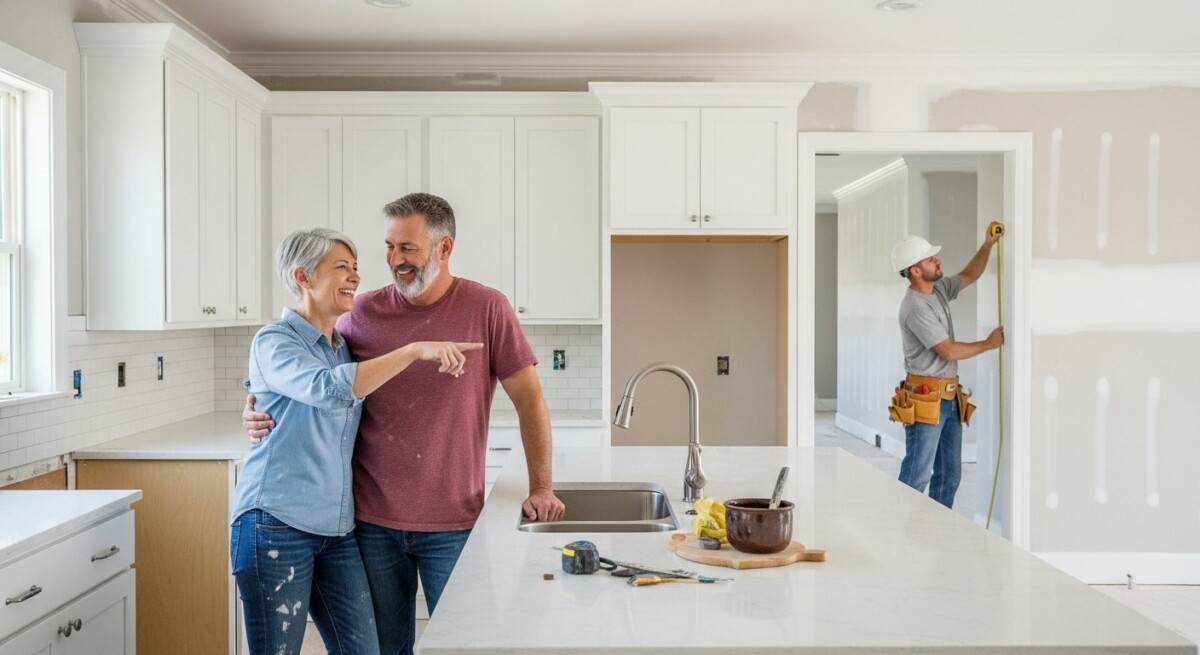
A full home renovation is exactly what it sounds like: a comprehensive overhaul of your entire home. Unlike a simple room refresh or a single repair, this process addresses every major system and surface in the house, from the foundation to the roof. It includes structural repairs, electrical and plumbing updates, new flooring, wall finishes, window replacements, and often kitchen and bathroom remodeling. Think of it as giving your home a second life,bringing it up to modern standards while preserving its character.
Why do homeowners choose a full renovation? Many homes, especially those built before 1990, have outdated wiring, inefficient insulation, and aging materials that no longer meet safety codes. Other homeowners purchase fixer-uppers and want to customize every detail. Common triggers include persistent leaks, frequent electrical trips, uneven floors, or simply a desire for better energy efficiency. Homes with obvious wear and tear,like cracked drywall, rotting wood, or drafty rooms,are the most likely candidates.
Is a Full Renovation Right for Your Home?
Not every home needs a complete renovation. If your house has sound structure but outdated finishes, a targeted remodel might suffice. However, if you have multiple issues across different rooms,such as failing plumbing, old wiring, and damaged flooring,a full renovation often costs less in the long run than patching problems one by one. A professional inspection can help you decide.
Why This Matters for Your Home
Delaying a full home renovation can have serious consequences. Water damage that starts as a small stain can rot your subfloor and attract termites. Old wiring can overheat and cause a fire. Drafty windows and poor insulation force your HVAC system to work harder, increasing your monthly bills by 20 percent or more. The longer you wait, the more expensive the repairs become.
There are also safety risks to consider. Aging homes often contain hazardous materials like lead paint or asbestos, which require professional removal. Without a full renovation, these dangers remain hidden. Additionally, an unrenovated home loses resale value quickly. Buyers today expect modern kitchens, energy-efficient windows, and updated bathrooms. A home that looks neglected can sit on the market for months.
Comfort is another factor. A drafty, uneven, or outdated home simply isn’t pleasant to live in. You deserve a space that feels warm, dry, and welcoming. A full renovation solves these problems at the root, not just the surface.
If you notice signs of this issue in your home, it may help to speak with a qualified contractor. Request a free quote or call (555) 123-4567 to explore your repair or remodeling options.
Common Problems Homeowners Experience
When homeowners begin researching what is full home renovation, they typically already face several recurring issues. One of the most common is water damage,leaky roofs, burst pipes, or clogged gutters that lead to mold and rot. Another is outdated electrical systems that can’t handle modern appliances, causing frequent breaker trips or flickering lights.
Structural problems also appear often. Settling foundations create cracked walls and uneven floors. Old windows and doors let in drafts and pests. And aging HVAC systems struggle to maintain a consistent temperature, leaving some rooms too hot and others too cold. These problems rarely happen in isolation; they compound over time, making your home less efficient and less safe.
- Water stains on ceilings or walls indicating roof or pipe leaks
- Frequent tripping of circuit breakers or flickering lights
- Drafty rooms, high energy bills, or uneven heating and cooling
- Cracked or sloping floors, sticking doors, or gaps in window frames
- Outdated kitchens and bathrooms with worn cabinets, old fixtures, or mold
- Visible rot, peeling paint, or crumbling drywall
How Professionals Solve the Problem
Experienced contractors approach a full home renovation with a clear plan. They begin with a thorough inspection to identify hidden issues,like termite damage, mold behind walls, or corroded pipes,that you might not see. Then they create a detailed scope of work, budget, and timeline. Professional crews handle all aspects: demolition, structural repairs, electrical and plumbing updates, insulation, drywall, flooring, and finishing touches.
Why hire a professional instead of doing it yourself? Renovating an entire home requires multiple trades,electricians, plumbers, carpenters, and painters,working in sequence. A general contractor coordinates these teams, obtains permits, and ensures the work meets local building codes. DIY attempts often lead to mistakes that cost more to fix later. Plus, professionals have access to better materials and tools, and they can complete the job in weeks instead of months.
- Inspection and assessment: A contractor evaluates the home’s structure, systems, and finishes.
- Design and planning: You choose layouts, materials, and finishes. The contractor creates blueprints and secures permits.
- Demolition and preparation: Old materials are removed safely, and the site is prepped for new work.
- Structural and system upgrades: Foundation repairs, new wiring, plumbing, and HVAC are installed.
- Finishing work: Drywall, flooring, cabinets, countertops, paint, and trim are completed.
- Final inspection and cleanup: The contractor ensures everything meets code and leaves your home ready to enjoy.
A professional inspection can reveal hidden issues before they become expensive repairs. Compare contractor quotes here or call (555) 123-4567 to discuss your project.
Warning Signs You Should Not Ignore
Your home often gives you clues that a full renovation is needed. Pay attention to changes you can see, feel, or smell. Early detection can save you thousands of dollars and prevent dangerous situations. For example, a musty odor in the basement may indicate mold growth behind walls. A sudden spike in your water bill could mean a hidden leak.
Don’t dismiss cosmetic issues as purely aesthetic. Peeling paint on a ceiling might be a sign of a roof leak. A door that won’t close properly could mean your foundation is shifting. These small warnings often escalate into major structural problems if ignored. Being proactive gives you control over the timeline and budget.
- Water stains, bubbling paint, or soft spots on walls or ceilings
- Warped or squeaky floors that feel uneven underfoot
- Electrical outlets that are warm to the touch or spark when used
- Persistent drafts, cold rooms, or high humidity indoors
- Visible mold, mildew, or a musty smell that doesn’t go away
- Exterior cracks in the foundation, brickwork, or siding
What Affects the Cost of Repairs or Installation
The cost of a full home renovation varies widely based on several factors. The size of your home is the most obvious,a 1,500-square-foot house costs less to renovate than a 3,000-square-foot one. The condition of the existing structure also matters. If you need foundation repairs or full electrical rewiring, costs increase. The quality of materials you choose,basic laminate versus hardwood, stock cabinets versus custom,also drives the price.
Labor rates depend on your location and the complexity of the work. Kitchens and bathrooms are typically the most expensive rooms to remodel because they require plumbing, electrical, and tile work. Accessibility matters too: a home with narrow hallways or no elevator can make moving materials more difficult, adding to labor time. Finally, the age of your home can introduce surprises, like outdated wiring that needs replacement or hazardous materials like asbestos that require special removal.
Costs can vary depending on the condition of your home. The best way to know the price is to get a personalized estimate. Request free quotes from contractors or call (555) 123-4567 today.
How to Choose the Right Contractor
Selecting the right contractor is the most important decision you’ll make during a full home renovation. A good contractor protects your investment, keeps the project on schedule, and ensures quality work. Start by asking for recommendations from friends or neighbors who have completed similar projects. Then check online reviews on platforms like Google, Yelp, and the Better Business Bureau.
Always verify that a contractor is licensed and insured. Licensing ensures they meet state requirements, and insurance protects you if something goes wrong. Ask for detailed written estimates from at least three contractors, and compare them line by line. Be wary of bids that are significantly lower than others,they may cut corners or use cheap materials. Finally, confirm that the contractor has experience with full home renovations, not just small repairs.
- Verify state licensing and liability insurance before signing any contract.
- Read customer reviews and ask for references from recent projects.
- Get multiple detailed estimates that break down materials, labor, and timeline.
- Confirm the contractor has experience with full home renovations, not just small jobs.
- Ask about permits, warranties, and how they handle unexpected issues during the project.
Long-Term Benefits of Professional Work
Investing in a professional full home renovation pays off in many ways. First, your home becomes safer,new wiring reduces fire risk, updated plumbing prevents leaks, and modern windows improve security. Second, the work is durable. Professional contractors use high-quality materials and proper installation techniques, so your renovations last for decades. You won’t have to worry about peeling paint or warped floors a few years down the road.
Energy efficiency is another major benefit. New insulation, windows, and HVAC systems can cut your energy bills by 30 percent or more. That money stays in your pocket every month. Additionally, a fully renovated home has higher resale value. According to industry data, homeowners recoup 60 to 80 percent of renovation costs when they sell. But beyond dollars and cents, you gain peace of mind. Your home works the way it should, and you can enjoy it without constant repairs.
For more insights on timing your project, read our guide on the best time for home renovation.
What is the difference between a full renovation and a remodel?
A full renovation involves restoring a home to good condition, often including structural and system repairs. A remodel focuses on changing the layout, style, or function of a space. Many full renovations include remodeling elements, but the key difference is that renovation fixes what’s broken, while remodeling changes what exists.
How long does a full home renovation take?
Most full home renovations take 8 to 16 weeks, depending on the size and complexity of the project. A small home with minimal structural issues might take 6 to 8 weeks. Larger homes or those requiring extensive foundation or electrical work can take 4 months or more. A contractor can give you a realistic timeline after an inspection.
Can I live in my home during a full renovation?
It is possible but challenging. Renovations create dust, noise, and limited access to kitchens and bathrooms. Many homeowners choose to move out temporarily, especially if the work affects multiple rooms. Talk to your contractor about phasing the work so you can stay in part of the home if needed.
How much does a full home renovation cost per square foot?
Costs vary widely by location and materials. On average, expect to pay between $60 and $150 per square foot for a full renovation in the United States. A basic renovation with standard finishes might cost $60 to $80 per square foot. A high-end renovation with custom cabinets, hardwood floors, and premium fixtures can exceed $150 per square foot.
Do I need permits for a full home renovation?
Yes, most full renovations require permits for structural changes, electrical work, plumbing, and HVAC modifications. Your contractor should handle the permitting process. Skipping permits can lead to fines, difficulty selling your home, and safety hazards if work is not inspected.
What should I look for in a renovation contract?
A good contract includes a detailed scope of work, material specifications, payment schedule, start and completion dates, and warranty information. It should also outline how change orders (unexpected additions) are handled. Never sign a contract that is vague or missing key details.
Will a full renovation increase my property taxes?
Yes, a significant renovation can increase your home’s assessed value, which may lead to higher property taxes. However, the increase is usually modest compared to the value and comfort you gain. Check with your local tax assessor for specific rules in your area.
How do I prepare for a full home renovation?
Start by decluttering and packing away valuables. Set up a temporary living space if you plan to stay home. Communicate with your contractor about daily schedules, parking, and waste removal. Finally, have a contingency budget (10 to 20 percent of the total cost) for unexpected issues.
A full home renovation is one of the most rewarding investments you can make in your property. It solves hidden problems, improves safety, boosts energy efficiency, and makes your home truly yours. The key is to act early,before small issues become major headaches. Start by comparing quotes from licensed professionals. You’ll gain clarity on costs, timelines, and what’s possible for your home. Take the first step today: request free quotes from trusted contractors and see how a full renovation can transform your home.

About Alex Carter
"*" indicates required fields