
Full House Renovation Guide: What Every Homeowner Should Know
"*" indicates required fields
You walk through your front door after a long day, and instead of feeling at ease, you notice the peeling paint in the hallway, the cracked tile in the bathroom, and the draft sneaking in through the living room window. Little by little, your home has started to show its age, and the thought of fixing everything at once feels overwhelming. You are not alone,many homeowners face this moment when they realize their house needs more than a fresh coat of paint. A full house renovation can feel like a big step, but ignoring the growing list of problems often leads to higher costs and more stress down the road.
Whether you have just moved into an older home or have lived in yours for decades, the signs of wear and tear are hard to miss. A full house renovation is the process of updating or restoring multiple areas of your home at once, and it can transform the way you live. In this guide, we will walk you through what a full house renovation involves, why it matters for your safety and property value, and how to get started with confidence.
Understanding Full House Renovation
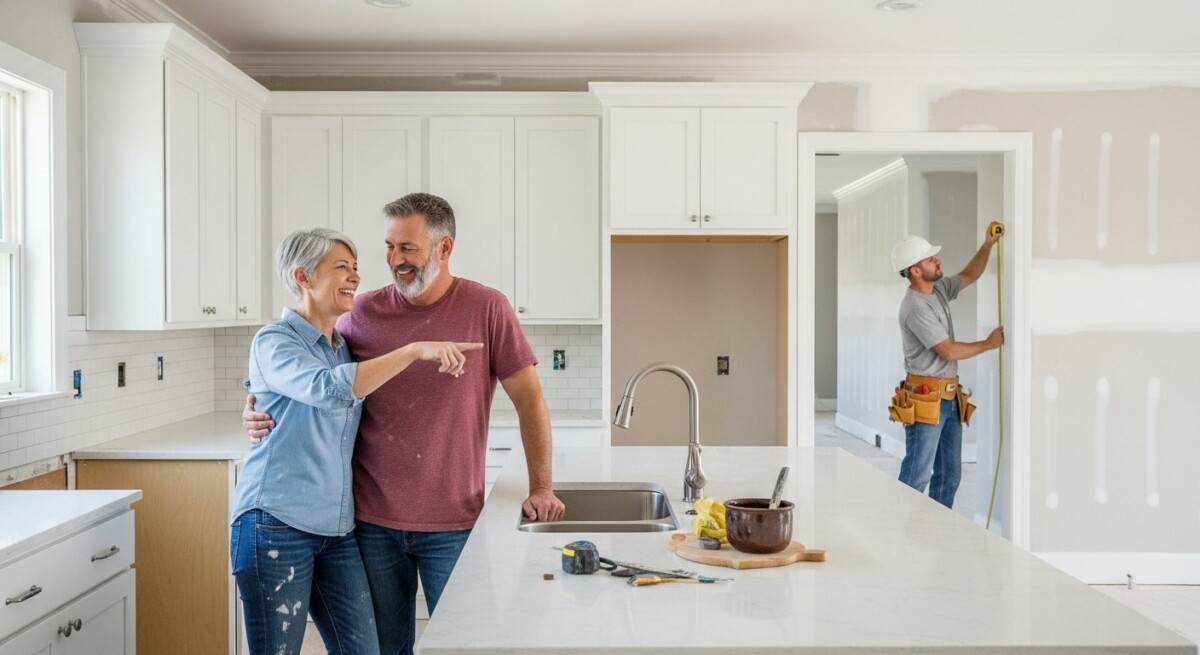
A full house renovation means updating several rooms or systems in your home at the same time, rather than tackling one small project here and there. This could include remodeling the kitchen, bathroom, bedrooms, living areas, and even upgrading the electrical, plumbing, or HVAC systems. The goal is to bring your entire home up to modern standards, improve comfort, and increase its overall value.
Homes that are more than 20 to 30 years old often need this kind of comprehensive work. Older homes may have outdated wiring, inefficient windows, worn flooring, or layouts that no longer fit how your family lives. Even newer homes can benefit from a full renovation if the original construction used lower-quality materials or if you want to customize the space to your tastes. A full house renovation is not just about making things look better,it is about making your home safer, more energy-efficient, and more enjoyable to live in.
What Makes a Full House Renovation Different from Room-by-Room Updates
Many homeowners choose to renovate one room at a time over several years. While that approach can work, it often costs more in the long run because you pay for labor and materials multiple times. A full house renovation lets you coordinate all the work at once, which can save money on permits, materials, and contractor travel time. It also means you only have to deal with the disruption once, and you can enjoy a completely refreshed home when the project is finished.
Why This Matters for Your Home
Your home is likely your biggest investment, and a full house renovation protects that investment in several important ways. First, it addresses hidden problems like old wiring or leaky pipes that could cause fires, water damage, or mold if left unchecked. These issues are not always visible, but they can create serious safety hazards and lead to expensive emergency repairs.
Second, a full renovation improves your daily comfort. Drafty windows, uneven temperatures from room to room, and outdated fixtures can make your home feel less inviting. By updating insulation, windows, heating, and cooling systems, you can lower your energy bills and create a more consistent indoor environment. A well-planned renovation also helps increase your home’s resale value, making it a smart financial move if you ever decide to sell.
If you notice signs of this issue in your home, it may help to speak with a qualified contractor. Request a free quote or call to explore your repair or remodeling options.
Common Problems Homeowners Experience
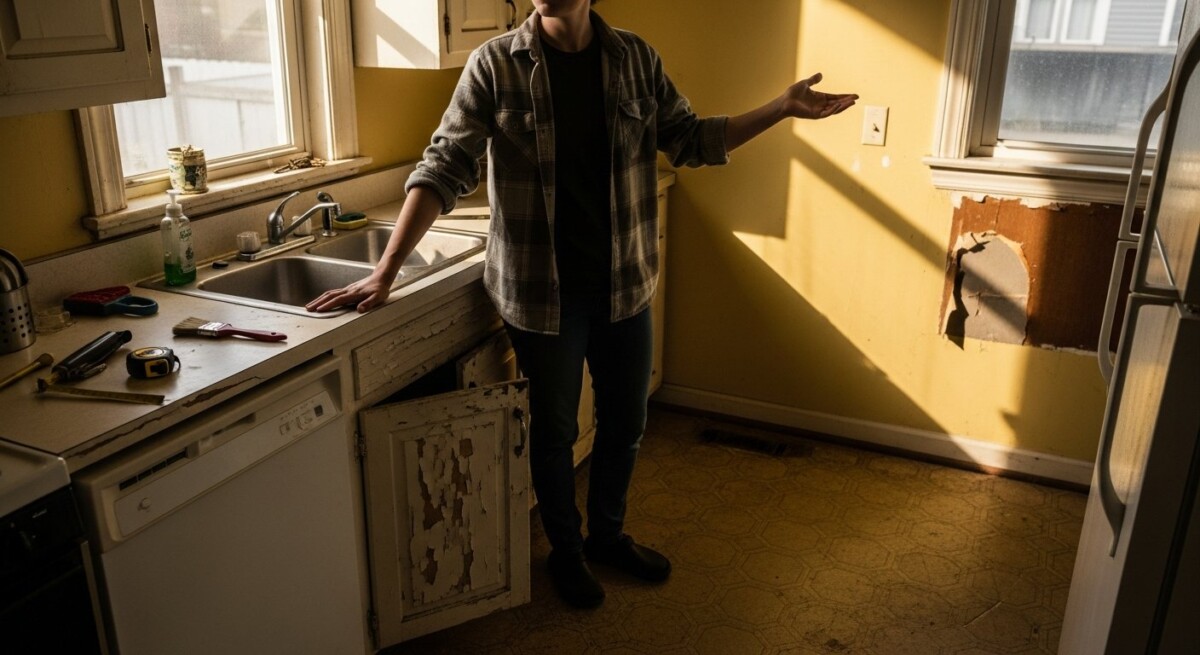
Every home has its own set of challenges, but there are several problems that tend to appear in houses that need a full renovation. You might notice that some rooms feel cramped because the layout does not match how your family uses the space. Or perhaps the kitchen cabinets are falling apart, the bathroom tiles are cracked, and the carpet in the living room is stained and worn.
Beyond cosmetic issues, many homeowners deal with functional problems like frequent circuit breaker trips, low water pressure, or rooms that are too hot in summer and too cold in winter. These are signs that the home’s core systems,electrical, plumbing, and HVAC,are struggling to keep up with modern demands. In our guide on whole house renovation services, we explain how comprehensive updates can resolve these frustrations.
- Outdated or unsafe electrical wiring that cannot handle modern appliances
- Leaky or corroded plumbing that causes water damage and mold
- Poor insulation and drafty windows that drive up energy costs
- Worn flooring, cracked tiles, and damaged drywall throughout the home
- Inefficient kitchen and bathroom layouts that waste space and make daily tasks harder
- Old roofing or siding that allows moisture to enter the structure
How Professionals Solve the Problem
Experienced contractors approach a full house renovation with a clear plan that starts with a thorough inspection of your home. They look at the structure, systems, and finishes to identify what needs to be repaired, replaced, or upgraded. Once they understand the scope of work, they create a timeline and budget that covers everything from permits to final cleanup.
Professional teams handle the project step by step to ensure quality and safety. Here is a typical process they follow:
- Initial consultation and detailed home inspection to identify all issues and opportunities.
- Design and material selection, where you choose finishes, fixtures, and layouts that fit your style and budget.
- Demolition and removal of old materials, such as flooring, cabinets, and outdated systems.
- Structural, electrical, plumbing, and HVAC upgrades to bring the home up to current codes.
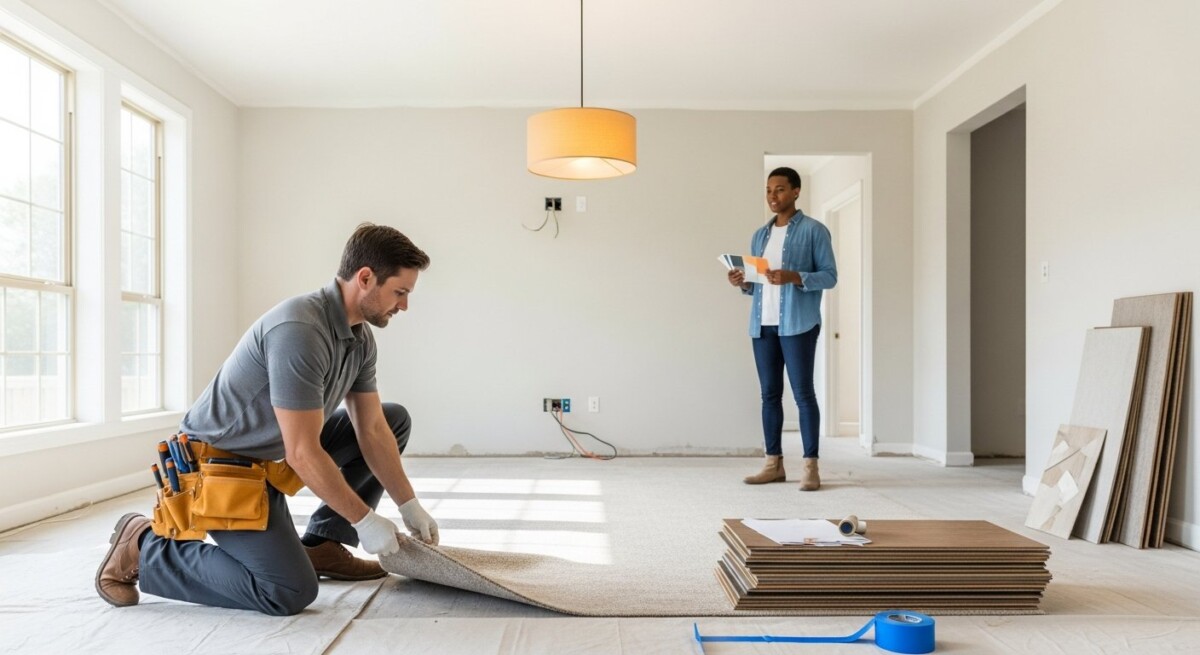
- Installation of new drywall, flooring, cabinetry, countertops, and fixtures.
- Final painting, trim work, and cleaning before the final walkthrough.
Hiring a professional is almost always safer and more reliable than trying to do a full renovation yourself. DIY projects can lead to code violations, safety hazards, and costly mistakes that a trained contractor would avoid. Professionals also have the right tools and insurance to protect you and your property.
A professional inspection can reveal hidden issues before they become expensive repairs. Compare contractor quotes here or call to discuss your project.
Warning Signs You Should Not Ignore
Some problems are obvious, but others are easy to overlook until they become serious. Pay attention to these warning signs that your home may need a full renovation. If you catch them early, you can plan the work on your own terms instead of dealing with an emergency.
- Frequent power outages or flickering lights when you use multiple appliances
- Persistent musty odors or visible mold growth, especially in basements or bathrooms
- Water stains on ceilings or walls that indicate a leaky roof or plumbing
- Doors and windows that stick, do not close properly, or let in drafts
- Peeling paint or wallpaper that suggests moisture problems behind the walls
- Cracks in the foundation, walls, or ceilings that may signal structural movement
If you see any of these signs, it is wise to act sooner rather than later. Delaying repairs often allows small problems to grow into major structural or safety issues that cost much more to fix.
What Affects the Cost of Repairs or Installation
The cost of a full house renovation varies widely depending on several factors. The size of your home is the biggest factor,a larger home naturally requires more materials and labor. The condition of your existing systems also matters; if the wiring, plumbing, or foundation needs major work, the price will be higher than a home that only needs cosmetic updates.
Material choices play a large role in your budget as well. High-end hardwood floors, custom cabinetry, and luxury fixtures cost more than standard options, but they can also add more value to your home. Accessibility is another concern: if your home has narrow hallways or multiple stories, moving materials and equipment takes extra time and effort. Finally, the age of your home can affect costs because older houses may contain hazardous materials like asbestos or lead paint that require special handling.
Costs can vary depending on the condition of your home. The best way to know the price is to get a personalized estimate. Request free quotes from contractors or call today.
How to Choose the Right Contractor
Finding a contractor you can trust is one of the most important steps in a full house renovation. The right professional will communicate clearly, show up on time, and deliver quality work that meets your expectations. Take your time to research and compare options before making a decision.
- Verify that the contractor is licensed and insured in your state. This protects you if something goes wrong on the job.
- Read online reviews and ask for references from past clients. A good contractor will have a track record of satisfied homeowners.
- Ask for a detailed written estimate that breaks down labor, materials, permits, and any other fees. Avoid vague quotes that leave room for surprises.
- Compare quotes from at least three contractors. This gives you a sense of the fair market rate and helps you spot unusually high or low bids.
- Confirm that the contractor has experience with full house renovations specifically, not just small remodeling projects. Whole-home work requires a different level of coordination.
Long-Term Benefits of Professional Work
Investing in a professional full house renovation pays off in many ways over the years. Your home will feel safer because all systems are updated to current building codes. You will also enjoy better energy efficiency, which lowers your monthly utility bills and reduces your carbon footprint.
Durability is another major benefit. Professional contractors use high-quality materials and proper installation techniques, so your renovation will last for decades instead of needing repairs in a few years. This means less maintenance and fewer headaches down the road. Additionally, a well-executed renovation can increase your home’s market value by 10 to 20 percent or more, depending on the scope of work and your local real estate market.
Finally, a full renovation lets you create a home that truly fits your lifestyle. Whether you need an open floor plan for entertaining, a home office, or a safer environment for aging family members, professional remodeling makes it possible. In our whole house renovation services overview, we highlight how homeowners can achieve these long-term benefits with the right team.
Frequently Asked Questions
How long does a full house renovation take?
The timeline depends on the size of your home and the amount of work involved. A typical full house renovation can take anywhere from three to six months, but larger or more complex projects may take longer. Your contractor will give you a realistic schedule after the initial inspection.
Do I need to move out during a full house renovation?
Many homeowners choose to move out during major renovations because of noise, dust, and loss of access to kitchens and bathrooms. However, it is possible to stay in the home if you plan carefully and work with your contractor to phase the work. Discuss your options with your contractor before the project starts.
Can I finance a full house renovation?
Yes, there are several financing options available, including home equity loans, renovation loans, and personal loans. Some contractors also offer financing plans. Talk to your lender and contractor to find the best solution for your budget.
What is the difference between a renovation and a remodel?
Renovation typically means restoring or updating an existing space to improve its condition, while remodeling involves changing the structure or layout. A full house renovation often includes both, depending on your goals.
Should I get permits for a full house renovation?
Yes, most jurisdictions require permits for structural changes, electrical work, plumbing, and major renovations. A professional contractor will handle the permit process for you, ensuring everything meets local codes.
How much does a full house renovation cost per square foot?
Costs vary widely by region and project scope, but you can expect to pay anywhere from $100 to $250 per square foot for a full renovation. The best way to get an accurate number is to request quotes from local contractors.
Will a full house renovation increase my property taxes?
It is possible, because a renovation can increase your home’s assessed value. Check with your local tax assessor’s office to understand how renovations affect property taxes in your area.
What should I do before a full house renovation starts?
Pack up valuables, clear out furniture, and make arrangements for pets or family members if needed. Communicate your expectations clearly with your contractor, and make sure you have a written contract that outlines the scope of work, timeline, and payment schedule.
A full house renovation is a rewarding project that can transform your home and your daily life. By addressing problems early, working with experienced professionals, and comparing quotes, you can make informed decisions that protect your investment and create a space you love. Start today by exploring your options and reaching out to trusted contractors for estimates.

About Alex Carter
"*" indicates required fields