Remodeling vs Renovation: What Homeowners Need to Know
"*" indicates required fields
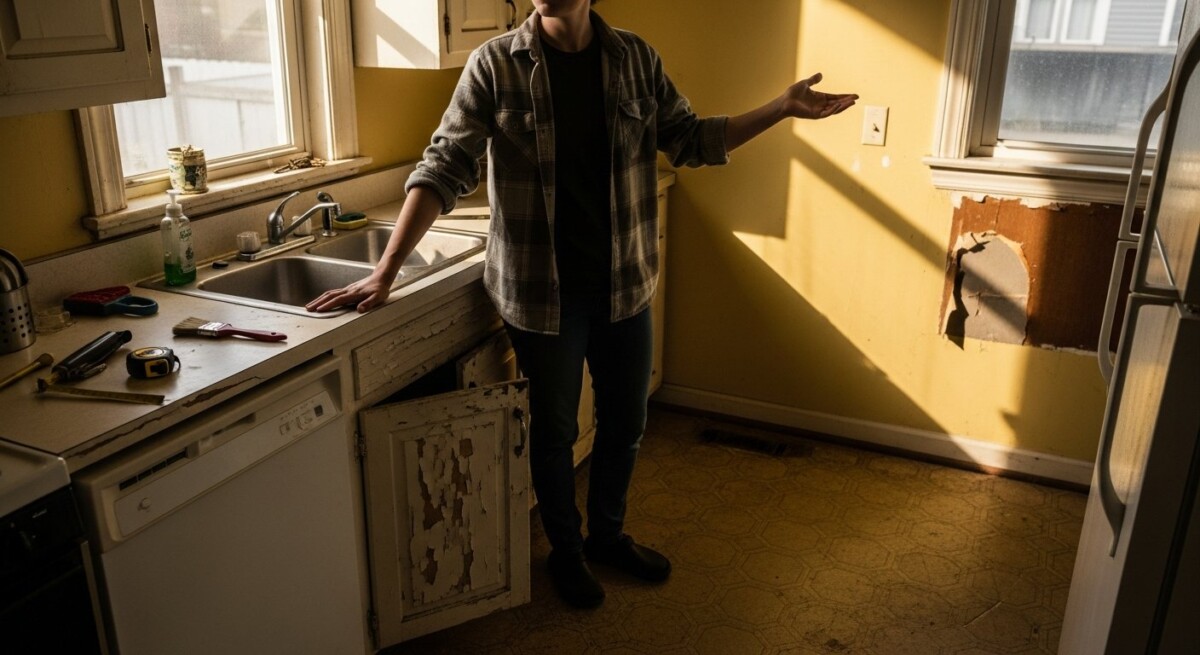
You walk into your kitchen one morning and notice the cabinet doors are starting to stick. The paint is peeling near the sink, and the countertops have a few hairline cracks you never saw before. At first, it seems like a minor annoyance,something you can fix with a fresh coat of paint or a weekend of sanding. But as you look closer, you realize the layout feels cramped, the lighting is outdated, and the whole space just doesn’t work the way your family needs it to. Suddenly, you’re asking yourself: Should I just repair what’s broken, or is it time for a bigger change? That question is at the heart of understanding what is remodeling vs renovation, and getting the answer right can save you thousands of dollars and months of frustration.
Most homeowners discover this dilemma when they face a project that seems too small for a full overhaul but too big for a simple fix. Maybe the bathroom tile is cracking, or the attic is collecting dust instead of serving as a usable room. The problem is that without a clear definition, you might choose the wrong approach,spending money on cosmetic updates when structural changes are needed, or tearing everything out when a targeted repair would do. Ignoring the decision altogether can lead to bigger issues: water damage behind those old tiles, energy loss from an uninsulated attic, or a home that feels outdated when you try to sell.
In this article, we’ll break down exactly what is remodeling vs renovation in plain language, so you can make confident decisions about your home. You’ll learn the practical differences, the warning signs to watch for, and how to get professional help that protects your investment. By the end, you’ll know whether to call a contractor for a repair or start planning a full transformation.
Understanding What Is Remodeling vs Renovation
At its simplest, renovation means restoring something to a good condition,fixing what’s worn, damaged, or outdated without changing its basic structure. If you replace the faucet in your bathroom, paint the walls, or install a new vanity in the same spot, that’s a renovation. You’re refreshing the space, not reimagining it.
Remodeling, on the other hand, involves changing the form, function, or layout of a room. When you knock down a wall to create an open-concept kitchen, move the plumbing to a different corner, or turn a spare bedroom into a home office, you’re remodeling. It’s a more complex process that often requires permits, structural changes, and a bigger budget.
Homes that are 20 years or older are most likely to need either a renovation or a remodel. Older homes often have solid bones but outdated finishes (perfect for renovation), while homes with awkward layouts or underused spaces (like an attic or basement) are ideal candidates for remodeling. The key is matching the approach to the problem: if you love the layout but hate the finishes, renovate. If the layout doesn’t work for your lifestyle, remodel.
Why the Distinction Matters
Mixing up these terms can lead to costly mistakes. Homeowners who think they’re renovating might start demo work on a load-bearing wall, not realizing they’ve stepped into a remodel. Conversely, someone planning a remodel might waste money on high-end finishes when the real issue is a leaky roof or outdated wiring. Knowing what is remodeling vs renovation helps you set realistic expectations, budget accurately, and communicate clearly with contractors.
Why This Matters for Your Home
Getting the distinction wrong doesn’t just waste money,it can put your home at risk. A renovation that doesn’t address underlying issues, like water damage or poor insulation, will only mask the problem temporarily. Within a few years, you’ll be back to square one, paying for repairs you could have avoided.
Safety is another major concern. Remodeling projects often involve electrical, plumbing, or structural work that requires permits and professional oversight. Attempting a DIY remodel without understanding load paths or building codes can lead to collapsed ceilings, electrical fires, or failed inspections when you sell the home. Renovation projects, while simpler, still carry risks if you don’t know how to properly seal a shower or vent a bathroom fan.
Ignoring the decision also impacts your comfort and home value. A kitchen that is only renovated but still cramped will never feel right for a growing family. A basement that is remodeled into a home theater but lacks proper moisture control will develop mold. By choosing the right approach early, you protect your investment and ensure your home works for you.
If you notice signs of this issue in your home, it may help to speak with a qualified contractor. Request a free quote or call to explore your repair or remodeling options.
Common Problems Homeowners Experience
Many homeowners struggle because the line between renovation and remodeling isn’t always clear. You might start with a simple plan,replace the countertops,and discover the plumbing needs to be moved, turning a renovation into a remodel. Or you might assume a full remodel is necessary when all you really need is a deep renovation.
These problems show up in everyday scenarios. A bathroom with a cracked tile floor might seem like a renovation job, but if the subfloor is rotted from years of leaks, you’re looking at a remodel that involves replacing the floor structure. An attic that feels too hot in summer and too cold in winter might just need better insulation (a renovation), but if you want to add a dormer for headroom, that’s a remodel.
Here are some common problems that create confusion:
- Outdated finishes that hide structural issues , Old wallpaper or tile may be covering water damage or mold.
- Rooms that feel cramped or poorly laid out , A kitchen with a useless island or a bathroom with no storage often needs a remodel, not just new paint.
- Energy inefficiency , Drafty windows, poor insulation, or old HVAC systems may require renovation or full replacement.
- Aging materials that are no longer safe , Lead paint, asbestos tiles, or knob-and-tube wiring need professional removal, which can turn a renovation into a remodel.
- Additions or conversions , Turning a garage into a living space or finishing a basement is always a remodel, not a renovation.
- Poor ventilation or moisture issues , Bathrooms and kitchens without proper exhaust fans may need structural changes to improve airflow.
How Professionals Solve the Problem
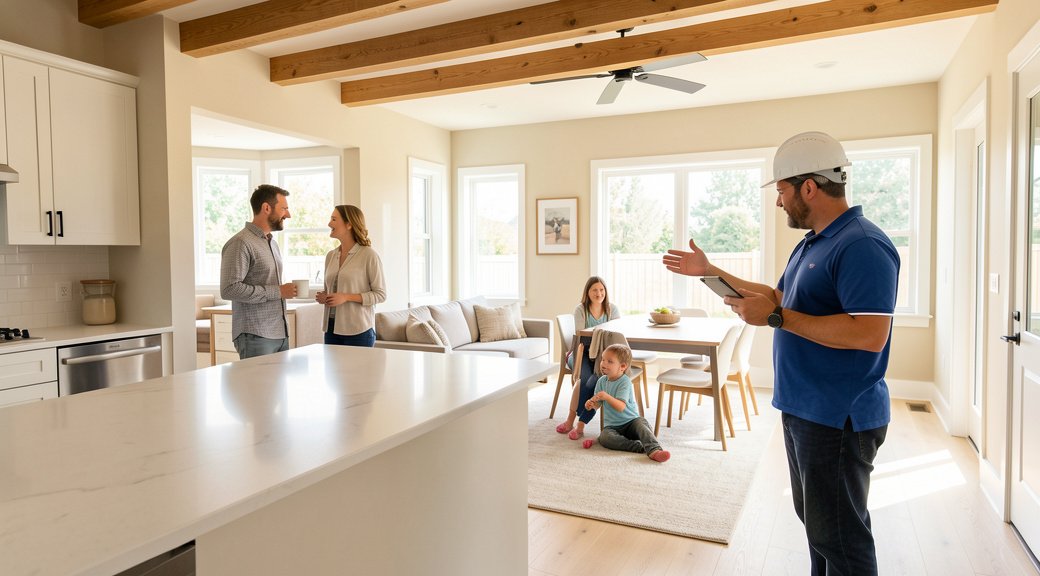
Experienced contractors start by listening to your goals and inspecting the space. They don’t just guess whether you need a renovation or a remodel,they look at the bones of your home, check for hidden damage, and discuss how you actually use the room. This upfront assessment is critical for avoiding surprises later.
Here is the typical process a professional follows:
- Initial consultation and inspection , The contractor visits your home, takes measurements, and looks for issues like water damage, structural weaknesses, or code violations.
- Scope definition , Together, you decide whether the project is a renovation (repair and refresh) or a remodel (change layout or function). The contractor explains what each option involves in terms of cost, timeline, and permits.
- Detailed estimate and planning , You receive a written quote that breaks down materials, labor, permits, and any unexpected work that might arise.
- Execution with quality control , The work proceeds according to the plan, with regular check-ins to ensure everything meets code and your expectations.
- Final walkthrough and cleanup , The contractor reviews the completed project with you, addresses any touch-ups, and provides maintenance tips.
Professional work is safer and more reliable than DIY because contractors have the training, insurance, and tools to handle unexpected problems. They also know local building codes, which is essential for remodeling projects that require permits. A contractor can tell you upfront whether your project is a renovation or a remodel, saving you from costly mistakes.
A professional inspection can reveal hidden issues before they become expensive repairs. Compare contractor quotes here or call to discuss your project.
Warning Signs You Should Not Ignore
Early detection can mean the difference between a simple renovation and a full-scale remodel. If you catch problems when they’re small, you can often fix them without changing the structure of your home. But waiting too long forces you into a more expensive, more invasive project.
Pay attention to these warning signs in your home:
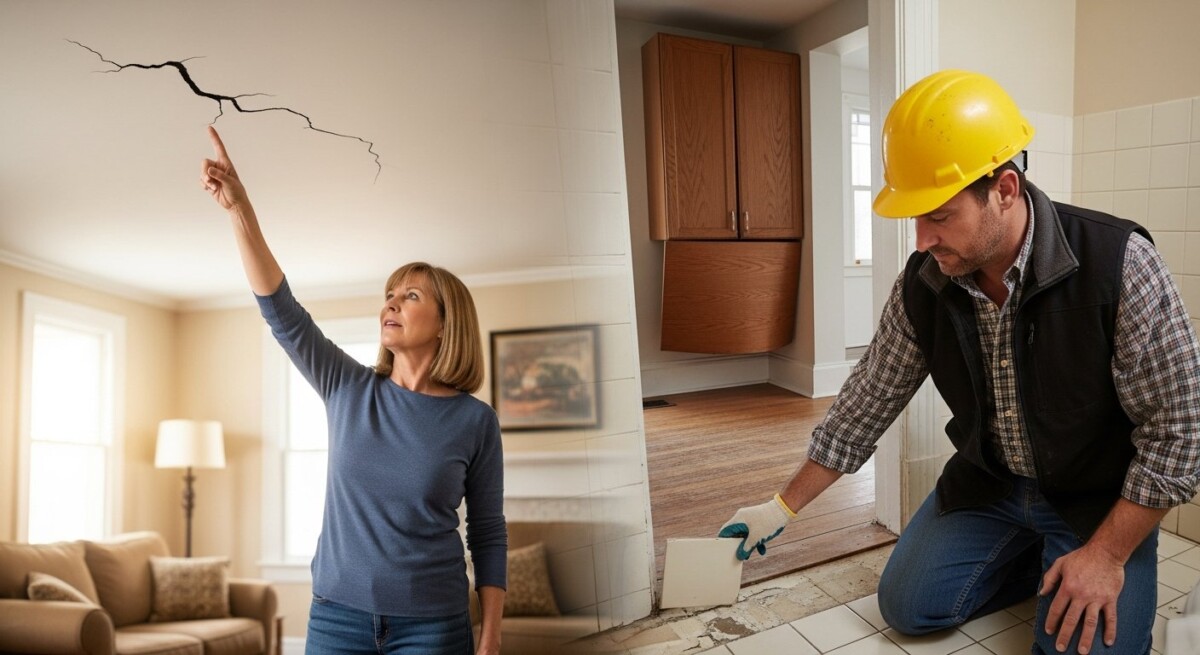
- Cracks in walls or ceilings , These can indicate foundation movement or water damage that requires structural repair.
- Sticking doors or windows , This often means the frame has shifted, pointing to underlying structural issues.
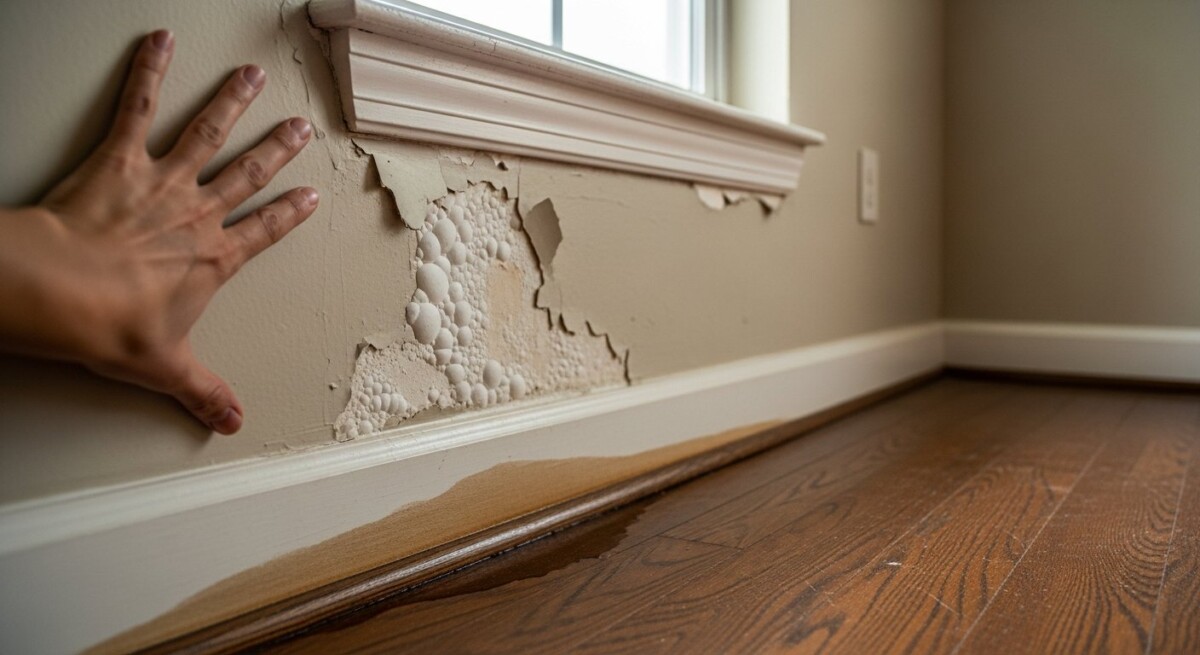
- Peeling paint or wallpaper near moisture sources , In bathrooms and kitchens, this is a sign of poor ventilation or hidden leaks.
- Musty odors or visible mold , Moisture problems in basements, attics, or behind walls often require more than just cleaning.
- Drafts or uneven temperatures , Poor insulation or old windows may need renovation, but if you plan to add rooms or change layouts, you’re looking at a remodel.
- Outdated electrical or plumbing , Flickering lights, slow drains, or frequent breaker trips suggest systems that may need to be replaced entirely.
Addressing these signs early can keep your project in the renovation category. For example, fixing a small leak before it rots the subfloor means you can simply replace the tile rather than rebuilding the entire floor structure.
What Affects the Cost of Repairs or Installation
The biggest factor in cost is whether your project is a renovation or a remodel. Renovations typically cost less because they don’t involve structural changes, permits are simpler, and the work is more predictable. Remodels are more expensive because they require engineering, permits, and often moving plumbing or electrical systems.
Other factors that influence cost include:
- Size of the project , A full kitchen remodel costs significantly more than a bathroom renovation, even if the scope seems similar.
- Materials , High-end cabinets, natural stone countertops, and custom fixtures add to the budget. Renovations can use mid-range materials to keep costs down.
- Labor , Remodels require more specialized trades (plumbers, electricians, carpenters), increasing labor costs.
- Accessibility , If your work area is hard to reach, such as a third-floor attic or a basement with low headroom, the cost goes up.
- Age of the home , Older homes often have outdated systems that must be brought up to code, turning a simple renovation into a remodel.
Getting multiple quotes is the best way to understand the range of costs for your specific project. A contractor can tell you whether your goals align with a renovation budget or require the larger investment of a remodel.
Costs can vary depending on the condition of your home. The best way to know the price is to get a personalized estimate. Request free quotes from contractors or call today.
How to Choose the Right Contractor
Choosing the right contractor is just as important as deciding between a renovation and a remodel. A good contractor will help you clarify your goals, flag potential issues, and provide a realistic timeline and budget. A bad one can turn a simple renovation into a nightmare of delays and cost overruns.
Here are practical tips for selecting a contractor you can trust:
- Check licenses and insurance , Every contractor should be licensed for the type of work they do and carry liability insurance and workers’ compensation.
- Read customer reviews , Look for reviews on Google, Yelp, or the Better Business Bureau. Pay attention to comments about communication, timeliness, and problem-solving.
- Ask for detailed estimates , A thorough estimate includes materials, labor, permits, and a timeline. Avoid contractors who give vague quotes or refuse to put things in writing.
- Compare multiple quotes , Get at least three estimates to understand the market rate. Be wary of quotes that are significantly lower than others,they may cut corners.
- Confirm experience with similar projects , If you’re remodeling an attic, choose a contractor who has done attic conversions before. For a bathroom renovation, look for experience with tile and plumbing.
Long-Term Benefits of Professional Work
Hiring a professional for your renovation or remodel pays off in ways that go beyond the finished look. First and foremost, professional work is safer. Electrical, plumbing, and structural changes are done correctly the first time, reducing the risk of fires, leaks, or collapses.
Durability is another major benefit. Professionals use quality materials and proper techniques, so your new kitchen, bathroom, or attic space will last for decades. Renovations done by homeowners often show wear within a few years because the underlying issues weren’t addressed,think of a painted cabinet that chips because the old finish wasn’t properly prepared.
Finally, professional work increases your home’s value and energy efficiency. A well-renovated bathroom or a properly remodeled attic can boost resale value by thousands of dollars. Energy-efficient upgrades like insulation, windows, and HVAC systems lower your utility bills and make your home more comfortable year-round. In contrast, a poorly executed DIY project can actually decrease value and lead to expensive repairs down the road.
Frequently Asked Questions
What is the main difference between remodeling and renovation?
Renovation means restoring something to a good condition,repairing or updating without changing the structure or layout. Remodeling changes the form or function of a space, such as moving walls, adding square footage, or converting a room for a new use. Think of renovation as “fixing up” and remodeling as “changing up.”
Is it cheaper to renovate or remodel?
Renovations are almost always cheaper because they don’t involve structural changes, permits are simpler, and the work is less complex. Remodels cost more because they require moving plumbing, electrical, or walls, and often need engineering and permits. However, a remodel can add more value if your home’s layout is inefficient.
Can I turn a renovation into a remodel later?
Yes, but it’s usually more expensive to do it in stages. If you renovate a bathroom now and later decide to move the shower to a different wall, you’ll pay for demolition and rework. It’s better to decide upfront whether you need a renovation or a remodel and plan accordingly.
Do I need a permit for a renovation?
Most renovations that don’t change the structure or systems (like painting, new flooring, or cabinet refacing) don’t require permits. However, any work involving electrical, plumbing, or structural changes,even in a renovation,may require a permit. Check with your local building department or ask your contractor.
How do I know if my project is a renovation or a remodel?
Ask yourself: Am I changing the layout or function of the space? If the answer is yes,for example, turning a closet into a laundry area or opening up a wall,it’s a remodel. If you’re simply replacing old materials with new ones in the same locations, it’s a renovation. A contractor can help you confirm.
What should I look for in a contractor for a remodel?
Look for a contractor with specific experience in the type of remodel you want (kitchen, bathroom, attic, etc.). Ask for references from similar projects, check their license and insurance, and get a detailed written contract. Good communication and a clear timeline are also essential.
How long does a typical renovation take?
A small bathroom renovation might take 1,2 weeks, while a kitchen renovation can take 3,6 weeks. Remodels take longer because they involve structural work,an attic conversion might take 4,8 weeks, and a full kitchen remodel with layout changes can take 2,4 months. Timelines depend on the scope and whether permits are needed.
Will a renovation increase my home’s value?
Yes, a well-executed renovation can increase your home’s value, especially in kitchens and bathrooms. Renovations that improve energy efficiency,like new windows or insulation,also add value. However, the return on investment depends on your local market and the quality of the work.
Understanding what is remodeling vs renovation is the first step toward making smart decisions about your home. Whether you’re refreshing a tired bathroom or converting an attic into a bedroom, the right approach saves you money, time, and stress. Don’t wait until small problems become big ones,address them early, and always compare contractor quotes to find the best fit for your project.

About Alex Carter
"*" indicates required fields