
Why Renovation Costs Increase: A Homeowner’s Guide
"*" indicates required fields
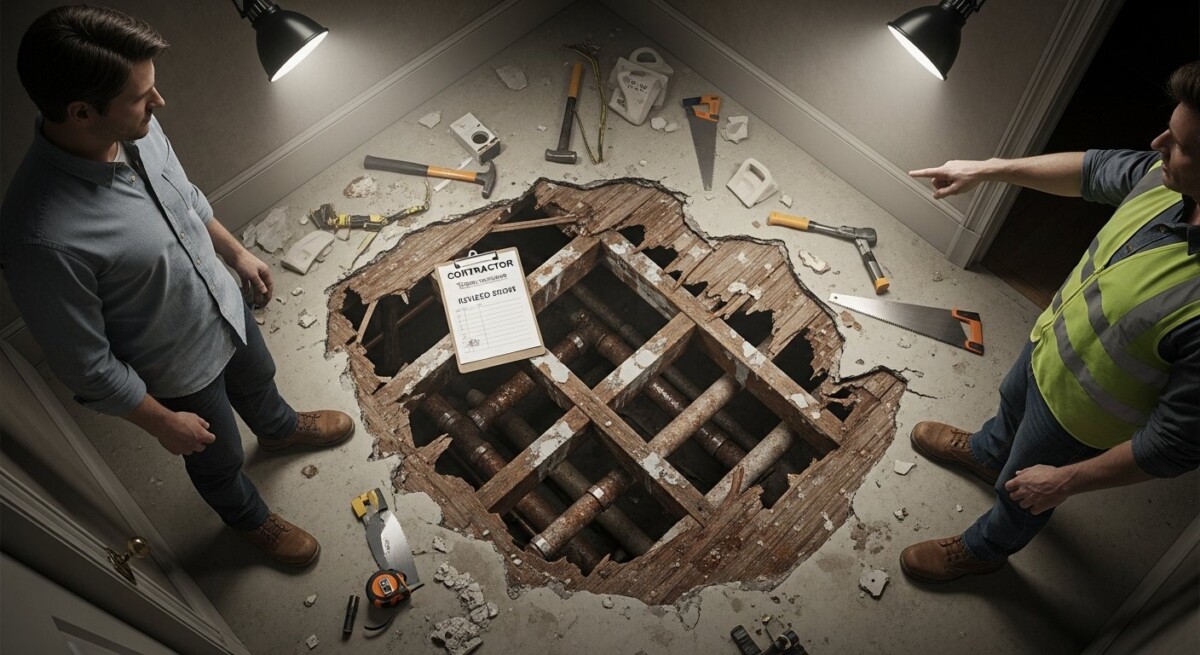
You finally decided to remodel that outdated bathroom or finish the basement. The initial quote seemed reasonable. But as the project gets underway, the numbers start climbing,sometimes by thousands of dollars. You might wonder, why renovation costs increase so quickly once work begins. This frustrating experience is more common than most homeowners realize, and it often stems from hidden problems that only become visible when walls or floors are opened up. Ignoring these surprises can turn a manageable budget into a financial headache.
Understanding Why Renovation Costs Increase
Renovation costs rise for several predictable reasons. The most common cause is discovering unexpected issues behind walls, under floors, or inside ceilings. For example, a simple bathroom remodel can reveal old water damage, outdated wiring, or mold that must be addressed before any new work begins.
Another major factor is permit and code requirements. Many older homes were built to different standards, and bringing them up to current codes,especially for electrical, plumbing, or structural elements,adds significant labor and material expenses. Homes built before 1980 are especially prone to these surprises, as are properties with multiple previous renovations that may have hidden shortcuts.
When Hidden Problems Multiply Costs
Some renovations reveal a chain reaction of issues. Fixing one problem often uncovers another. For instance, repairing a leaking pipe might expose rotted subflooring, which then requires replacing nearby joists. Each discovery adds time and money, which is why professional pre-inspections are so valuable.
Why This Matters for Your Home
Ignoring the reasons behind cost increases can leave you with a half-finished project or a home that’s unsafe. Delaying necessary repairs,like fixing a small roof leak or upgrading old wiring,often leads to bigger, more expensive problems later. Water damage can spread, mold can grow, and structural issues can worsen over time.
Safety is another critical concern. Outdated electrical systems, for instance, pose fire risks, while weakened floors can become hazardous. Your comfort also suffers when insulation, HVAC, or plumbing isn’t functioning properly. Most importantly, unaddressed issues can lower your home’s resale value, making it harder to sell when you’re ready to move.
If you notice signs of this issue in your home, it may help to speak with a qualified contractor. Request a free quote or call (555) 123-4567 to explore your repair or remodeling options.
Common Problems Homeowners Experience
Homeowners often encounter the same set of problems when renovation costs start climbing. Water damage tops the list,leaks from old pipes, roofs, or windows that weren’t visible until demolition began. Outdated electrical systems are another frequent surprise, especially in homes over 30 years old.
Structural issues like sagging beams or foundation cracks also emerge unexpectedly. And sometimes, the problem is simply that the original work was done poorly, requiring complete redo rather than simple updates.
- Hidden water damage or mold behind walls or under flooring
- Outdated or unsafe electrical wiring that needs replacement
- Plumbing pipes that are corroded, leaking, or undersized
- Structural weaknesses such as rotted beams or cracked foundations
- Poorly executed previous renovations that must be corrected
- Asbestos or lead paint that requires professional abatement
How Professionals Solve the Problem
Experienced contractors approach these challenges systematically. They begin with a thorough inspection, often using moisture meters, thermal cameras, or borescopes to see inside walls without destroying them. This upfront assessment helps identify potential cost drivers before work starts.
Once issues are found, professionals create a detailed plan that addresses each problem in the right order. They also pull necessary permits and schedule inspections to ensure everything meets current codes. This structured approach minimizes surprises and keeps the project on track.
- Conduct a comprehensive pre-renovation inspection to uncover hidden issues
- Develop a detailed scope of work with clear timelines and material lists
- Secure required permits and schedule inspections for each phase
- Perform repairs in the correct sequence to avoid rework
- Conduct final walkthrough and testing before closing up walls
Professional work is often safer and more reliable than DIY fixes. Contractors carry insurance, know local building codes, and have the tools and experience to handle unexpected problems without cutting corners. In our guide on budget-friendly bathroom makeovers, we explain how professional planning can save you money in the long run.
A professional inspection can reveal hidden issues before they become expensive repairs. Compare contractor quotes here or call (555) 123-4567 to discuss your project.
Warning Signs You Should Not Ignore
Your home often gives early warnings that renovation costs could rise if problems aren’t addressed. Pay attention to subtle clues like musty odors, peeling paint, or floors that feel uneven. These small signs can indicate bigger issues lurking behind surfaces.
Other red flags include frequent circuit breaker trips, water stains on ceilings or walls, and doors that stick or don’t close properly. Noticing these early and acting quickly can prevent a small fix from turning into a major, costly renovation.
- Musty or moldy smells in basements, bathrooms, or attics
- Water stains, bubbling paint, or peeling wallpaper
- Frequent tripping of circuit breakers or flickering lights
- Uneven floors, sagging ceilings, or cracks in walls
- Doors or windows that stick or don’t close properly
- Higher-than-normal utility bills without explanation
What Affects the Cost of Repairs or Installation
Several factors influence how much a renovation will ultimately cost. The size of the project is the most obvious,a full kitchen remodel costs more than a partial update. But material choices also play a huge role. Premium tiles, custom cabinetry, or energy-efficient windows add to the bottom line.
Labor costs vary by region and project complexity. Work that requires specialized skills,like electrical rewiring or structural framing,costs more than basic demolition or painting. Accessibility matters too. A bathroom on the second floor with limited access will take longer and cost more than a ground-floor powder room. The age of your home also matters. Older homes often require more extensive work to meet modern standards.
Costs can vary depending on the condition of your home. The best way to know the price is to get a personalized estimate. Request free quotes from contractors or call (555) 123-4567 today.
How to Choose the Right Contractor
Finding a trustworthy contractor is key to controlling costs and avoiding surprises. Start by asking for recommendations from neighbors or friends who have had similar work done. Online reviews and local home improvement forums can also provide honest feedback.
Once you have a few names, interview each one. Ask about their experience with projects like yours, how they handle unexpected issues, and whether they provide a detailed written estimate. Always verify that they are licensed and insured. A good contractor will be transparent about their process and willing to answer your questions.
- Check that the contractor is licensed and carries liability insurance
- Read online reviews and ask for references from recent projects
- Request detailed written estimates that itemize labor, materials, and permits
- Compare quotes from at least three contractors to understand market rates
- Confirm they have experience with the specific type of renovation you need
Long-Term Benefits of Professional Work
Investing in professional renovation work pays off in many ways over time. Your home becomes safer, more comfortable, and more energy-efficient. Properly installed insulation, windows, and HVAC systems reduce monthly utility bills. High-quality materials and workmanship also mean fewer repairs down the road.
Another major benefit is increased home value. A well-executed renovation can boost your property’s resale value significantly, especially if you focus on kitchens, bathrooms, or curb appeal. Professional work also provides peace of mind. You’ll know that the job was done right, with proper permits and inspections, and that your family is safe.
Why Renovation Costs Increase When You Delay
The longer you wait to address issues, the more expensive they become. What starts as a small leak can rot subflooring, damage joists, and even attract termites. A minor electrical issue can lead to a fire hazard. Acting early,and hiring professionals,saves money, time, and stress.
Frequently Asked Questions
What is the most common reason renovation costs go up?
The most common reason is discovering hidden problems like water damage, outdated wiring, or mold during demolition. These issues weren’t visible before work started, but they must be fixed before the renovation can continue.
How can I avoid unexpected cost increases during a renovation?
Get a thorough pre-renovation inspection from a qualified contractor. This can uncover hidden issues upfront so you can budget for them. Also, always include a 10,20% contingency fund in your budget for surprises.
Why do older homes cost more to renovate?
Older homes often have outdated electrical, plumbing, and structural systems that don’t meet current building codes. Bringing them up to code requires additional labor and materials. They may also contain hazardous materials like asbestos or lead paint.
Is it cheaper to DIY a renovation or hire a professional?
DIY can save money on labor, but mistakes can be costly. Professionals have the tools, experience, and insurance to do the job right the first time. For complex work like electrical or plumbing, hiring a pro is usually safer and more cost-effective.
How much should I budget for unexpected renovation costs?
A good rule of thumb is to set aside 10,20% of your total budget for unexpected issues. If you’re renovating an older home or a property with known problems, consider a higher contingency of 20,30%.
What should I look for in a renovation contract?
Your contract should include a detailed scope of work, a timeline, payment schedule, material list, and a process for handling change orders. Make sure it also specifies who pulls permits and how disputes are resolved.
Can I negotiate renovation costs with a contractor?
Yes, but focus on value rather than just price. Ask for alternative material options or suggest phasing the project. Reputable contractors are often willing to work with you to find cost-effective solutions.
How long does a typical home renovation take?
Timelines vary widely. A small bathroom remodel might take 2,3 weeks, while a full kitchen renovation can take 6,10 weeks. Larger projects like whole-home remodels can last several months. Your contractor should provide a realistic schedule.
Understanding why renovation costs increase helps you plan better and avoid financial stress. The key is to act early, get professional inspections, and compare quotes before committing. By staying informed and working with experienced contractors, you can protect your home, your budget, and your peace of mind.

About Alex Carter
"*" indicates required fields