Can Renovation Reduce Energy Bills? Yes, and Here Is How
"*" indicates required fields
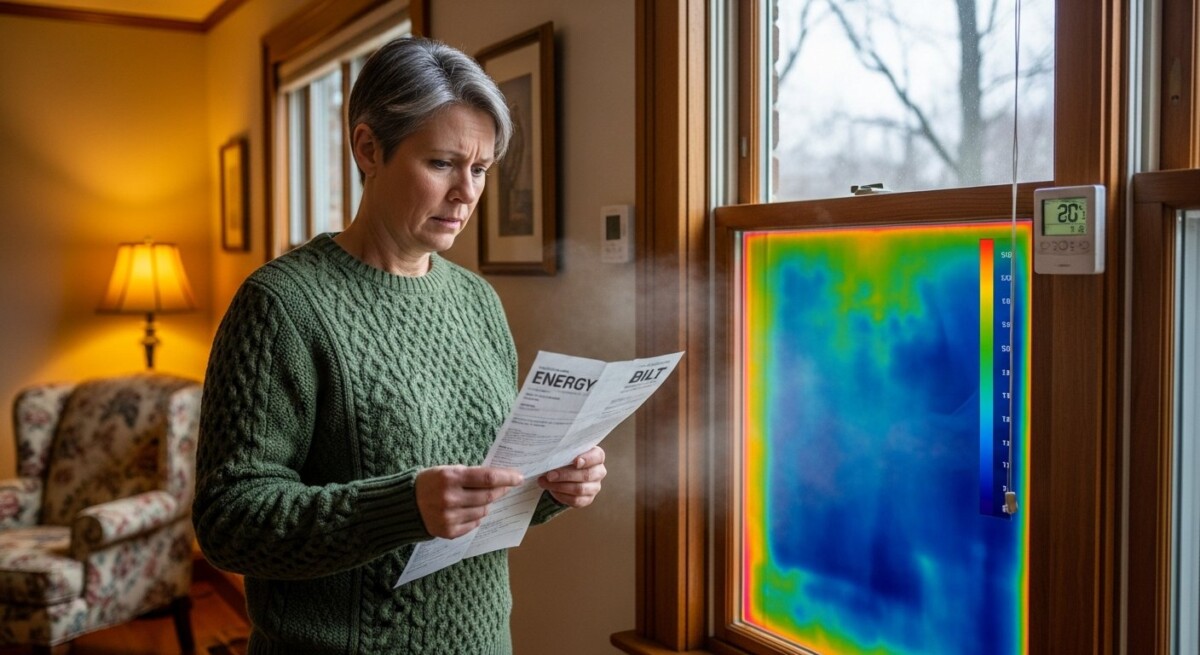
You open your monthly energy bill and feel a familiar knot in your stomach. The number keeps creeping up, even though you haven’t changed your habits. Your home feels drafty in the winter, stuffy in the summer, and you suspect your old windows or attic insulation just aren’t doing their job anymore. If this sounds familiar, you’re not alone,and the good news is that a targeted home renovation can directly lower those monthly costs.
Many homeowners discover the connection between their home’s condition and their energy bills only after they’ve lived with discomfort for months or years. Maybe you’ve noticed cold spots near exterior walls, or you’ve watched your heating system run almost non-stop on mild days. These are signs that your home is losing energy,and wasting your money. Ignoring these signals doesn’t just keep your bills high; it can lead to more serious problems like moisture damage, mold growth, and premature wear on your HVAC equipment.
In this article, we’ll explore exactly how strategic renovations can reduce energy bills, which home improvements offer the best return, and when it makes sense to call in a professional. Whether you’re planning a full remodel or just want to stop throwing money out the window, understanding your options is the first step toward a more comfortable, efficient home.
Understanding How Renovation Can Reduce Energy Bills
At its core, the idea is simple: your home is a system. When one part is outdated, damaged, or poorly installed, the whole system has to work harder,and that extra effort shows up on your utility bills. Renovations that improve insulation, seal air leaks, upgrade windows and doors, or modernize heating and cooling equipment directly reduce the amount of energy your home needs to stay comfortable.
Energy loss happens in predictable ways. Warm air escapes through gaps around windows and doors in winter. In summer, heat radiates through an under-insulated attic, forcing your air conditioner to run longer. Old appliances, inefficient water heaters, and single-pane windows all contribute to a home that bleeds energy. Renovations address these weak points, often with a surprisingly high return on investment.
Homes most affected by this problem are typically those built before 2000,especially those with original windows, minimal attic insulation, or aging HVAC systems. But even newer homes can benefit from upgrades if they were built quickly or with budget materials. The key is knowing where your home is losing energy and targeting those areas first.
What Types of Renovations Make the Biggest Difference?
Not all renovations are created equal when it comes to energy savings. The most effective projects include attic insulation and air sealing, window replacement, duct sealing or replacement, and upgrading to high-efficiency heating and cooling systems. In our guide on striving for lower energy bills? unravel the secrets to achieving HVAC energy savings and a more efficient home, we explain how modern systems can cut your usage dramatically. Solar water heating is another impactful upgrade that uses free sunlight to heat your water, reducing your reliance on gas or electricity.
Why This Matters for Your Home
High energy bills are more than just a monthly annoyance,they’re a symptom of deeper issues. When your home is inefficient, you’re not only paying more than you should, but you’re also putting extra strain on your mechanical systems. An overworked furnace or air conditioner wears out faster, leading to costly repairs or early replacement. Meanwhile, air leaks and poor insulation can allow moisture into wall cavities, creating conditions for mold and rot that compromise your home’s structure and your family’s health.
Safety is another concern. An aging furnace that struggles to heat your home may develop cracks in its heat exchanger, potentially releasing carbon monoxide into your living space. Drafty homes also make it harder to maintain a consistent temperature, which can be a serious issue for young children, elderly family members, or anyone with respiratory conditions. Addressing these problems through renovation isn’t just about comfort,it’s about protecting what matters most.
Finally, consider the long-term financial picture. Energy prices have risen steadily over the past decade, and there’s no sign they’ll drop. Every year you delay an energy-saving renovation, you’re paying higher bills and missing out on potential savings. Meanwhile, the cost of materials and labor tends to increase over time. Acting now locks in lower operating costs and adds tangible value to your home when it’s time to sell.
If you notice signs of this issue in your home, it may help to speak with a qualified contractor. Request a free quote or call (602) 730-1601 to explore your repair or remodeling options.
Common Problems Homeowners Experience
Energy waste isn’t always obvious. Many homeowners only realize something is wrong when they feel a draft, notice uneven temperatures between rooms, or see their energy bills spike during extreme weather. These problems often develop gradually, so you may not connect the dots until the discomfort becomes impossible to ignore.
For example, a home with poor attic insulation might feel fine on a mild day, but during a heatwave or cold snap, the second floor becomes nearly unusable. Or you might find that your heating system runs constantly in winter but your bedrooms still feel chilly. These are classic signs that your home’s thermal envelope,the barrier between conditioned and unconditioned space,has gaps or insufficient insulation.
Common issues that drive up energy bills include:
- Drafty windows and doors that let conditioned air escape
- Inadequate attic insulation, especially less than R-38 in most climates
- Leaky ductwork that loses 20,30% of heated or cooled air before it reaches rooms
- Old, inefficient appliances and water heaters (10+ years old)
- Single-pane or poorly sealed windows that conduct heat
- Uninsulated walls, particularly in homes with brick or stone exteriors
How Professionals Solve the Problem
Experienced contractors take a systematic approach to energy-saving renovations. They don’t guess,they assess. A typical process begins with a home energy audit, which may include a blower door test to measure air leakage, infrared camera scans to find hidden gaps, and a visual inspection of insulation levels, ductwork, and equipment. This data tells them exactly where your home is losing energy and what upgrades will deliver the best results.
From there, professionals create a prioritized plan. They often start with air sealing and attic insulation because those improvements offer the fastest payback. Next, they may address duct sealing or replacement, window upgrades, and finally, HVAC or water heater replacements. Each step builds on the last, ensuring your home works as an efficient system rather than a collection of fixes.
Why hire a pro instead of doing it yourself? Energy renovations require specialized knowledge and tools. Improperly installed insulation can actually make moisture problems worse. Sealing ducts without proper technique can restrict airflow. A professional knows the building science behind each upgrade and will ensure the work meets local codes and manufacturer specifications. Plus, professional work typically comes with warranties that protect your investment.
- Home energy audit and assessment
- Air sealing of attics, basements, and penetrations
- Insulation upgrade to recommended R-value
- Duct sealing or replacement as needed
- Window and door replacement or weatherstripping
- HVAC system upgrade to high-efficiency model
- Final testing to verify performance improvements
A professional inspection can reveal hidden issues before they become expensive repairs. Compare contractor quotes here or call (602) 730-1601 to discuss your project.
Warning Signs You Should Not Ignore
Your home sends you signals when something is wrong. Learning to recognize them early can save you hundreds,or thousands,of dollars in wasted energy and emergency repairs. Pay attention to these clues, especially as seasons change and your heating or cooling system works harder.
For instance, if you notice that your furnace or air conditioner cycles on and off more frequently than it used to, that’s a sign it’s struggling to maintain temperature. Similarly, if certain rooms are always significantly warmer or cooler than others, your ductwork or insulation likely needs attention. Ice dams forming on your roof in winter are a clear indicator of heat escaping through a poorly insulated attic.
Warning signs that suggest repairs or renovations are needed:
- Drafts around windows, doors, or electrical outlets on exterior walls
- Energy bills that increase 15% or more year over year without rate changes
- Visible gaps or peeling caulk around windows and doors
- Attic insulation that is uneven, compressed, or less than 10,12 inches deep
- Furnace or air conditioner that is more than 15 years old
- Rooms that feel stuffy or humid even when the HVAC is running
What Affects the Cost of Repairs or Installation
The price of an energy-saving renovation depends on several factors, and understanding them helps you set realistic expectations. The size of your home matters,a 2,000-square-foot house will cost more to insulate than a 1,200-square-foot one. The scope of work also plays a role: adding insulation to an attic is relatively inexpensive, while replacing all your windows is a larger investment.
Material choices affect cost too. Fiberglass insulation is budget-friendly, while spray foam offers higher performance at a premium. Vinyl windows are affordable and durable, while fiberglass or wood-clad options cost more but provide better insulation. Labor rates vary by region, and accessibility issues,like a steep roof or cramped crawlspace,can increase the time and difficulty of the job.
Age and condition of your home are also factors. Older homes may have hidden issues like knob-and-tube wiring that must be addressed before insulation can be added, or they may contain asbestos that requires specialized abatement. A good contractor will walk you through these variables and provide a clear estimate before work begins.
Costs can vary depending on the condition of your home. The best way to know the price is to get a personalized estimate. Request free quotes from contractors or call (602) 730-1601 today.
How to Choose the Right Contractor
Finding a trustworthy contractor is just as important as choosing the right renovation. A skilled professional will help you avoid costly mistakes and ensure your upgrades actually deliver the energy savings you expect. Start by asking for recommendations from neighbors or friends who’ve had similar work done. Online reviews on platforms like Google, Houzz, and the Better Business Bureau can also give you insight into a contractor’s reputation.
Once you have a shortlist, take time to vet each candidate. A reputable contractor will be happy to provide proof of licensing and insurance, share references from past clients, and walk you through their proposed scope of work in detail. Be wary of any contractor who pressures you to sign a contract immediately or asks for a large deposit upfront.
Tips for choosing the right contractor:
- Verify their license and liability insurance
- Read recent customer reviews and look for patterns
- Request at least three detailed written estimates for comparison
- Ask about experience with energy-efficient renovations specifically
- Confirm they will obtain necessary permits and schedule inspections
Long-Term Benefits of Professional Work
Investing in professional energy-saving renovations pays off in multiple ways over the life of your home. The most immediate benefit is lower monthly utility bills,often 20,30% less, depending on the scope of work. But the advantages go far beyond your energy statement.
Your home becomes more comfortable year-round, with consistent temperatures from room to room and fewer drafts. Indoor air quality improves because air sealing reduces the infiltration of outdoor pollutants, pollen, and dust. Your HVAC system runs less frequently, which extends its lifespan and reduces the need for repairs. And when it’s time to sell, energy-efficient upgrades are a powerful selling point that can increase your home’s market value and help it sell faster.
Finally, you gain peace of mind knowing your home is performing at its best. The money you save each month can be put toward other priorities, and you’ll have done your part to reduce your carbon footprint. Professional work comes with warranties and guarantees, so you can trust that the improvements will last.
Frequently Asked Questions
How much can I save on energy bills after a renovation?
Savings vary based on the scope of work and your home’s current condition. On average, homeowners see a 20,30% reduction in energy costs after addressing insulation, air sealing, and HVAC upgrades. Some projects, like attic insulation, can pay for themselves in energy savings within 2,3 years.
What is the most cost-effective energy-saving renovation?
Attic insulation and air sealing typically offer the highest return on investment. They are relatively low-cost and can reduce heating and cooling costs by 10,20% or more. Adding insulation to an uninsulated attic is often the first recommendation from energy auditors.
Will replacing windows really lower my energy bills?
Yes, but only if your current windows are single-pane or have failed seals. Replacing them with double- or triple-pane, low-E coated windows can reduce heat transfer significantly. However, window replacement is more expensive than insulation, so it’s best to address air leaks and insulation first.
Should I replace my HVAC system before it breaks?
Absolutely. Replacing an aging system proactively lets you choose a high-efficiency model and avoid emergency replacement costs. Modern units with SEER2 ratings of 16 or higher can cut your cooling costs by up to 40% compared to a 10-year-old unit.
How do I know if my home needs more insulation?
Check your attic insulation depth. If it’s less than 10,12 inches (R-30 or lower), adding more will likely help. You can also feel for cold spots on exterior walls in winter or hire a professional for an energy audit with infrared imaging.
Is it worth getting a home energy audit before renovating?
Yes. An energy audit identifies exactly where your home is losing energy, so you can prioritize upgrades that deliver the biggest savings. Many utility companies offer discounted or free audits to their customers.
Can solar panels reduce my energy bills?
Yes, solar panels can dramatically reduce or even eliminate your electricity bills. However, they work best when your home is already energy-efficient. For a deeper dive into solar water heating, check out our article on tired of high energy bills? discover the magic of solar water heating!
How do I find a reliable contractor for energy renovations?
Start by asking for referrals, reading online reviews, and checking licenses and insurance. Get multiple quotes and compare them carefully. A reputable contractor will provide a detailed written estimate and explain their process clearly.
Your home doesn’t have to keep costing you more than it should. Energy-saving renovations are a smart, practical investment that pays for itself in lower bills, greater comfort, and increased home value. The key is to act before small problems turn into expensive emergencies. Start by getting a professional assessment and comparing quotes from qualified contractors. Request free quotes today and take the first step toward a more efficient, affordable home.

About Alex Carter
"*" indicates required fields