Energy Efficient Remodeling: Save Money and Boost Comfort
"*" indicates required fields
You walk into your living room on a cold winter morning and feel a draft near the window. Your heating system has been running nonstop, yet the room never feels quite warm enough. At first, you shrug it off as a quirk of an older home. But after a few months, your energy bills are noticeably higher, and some rooms feel stuffy in summer while others stay chilly in winter. This is a classic sign that your home may need energy efficient remodeling.
Many homeowners discover the problem slowly,through rising utility costs, uneven temperatures, or higher maintenance calls for their HVAC system. What starts as a minor annoyance can quietly drain your budget and reduce your home’s comfort. If left unaddressed, these inefficiencies can lead to structural damage, mold growth, or premature wear on your heating and cooling equipment.
That drafty window or under-insulated attic isn’t just uncomfortable,it’s costing you money every single day. Understanding how energy efficient remodeling works can help you take control of your home’s performance, protect your investment, and create a more comfortable living space for your family.
Understanding energy efficient remodeling
Energy efficient remodeling means making targeted improvements to your home that reduce energy waste and lower your utility bills. Instead of just fixing one small issue, this approach looks at how your home works as a system,how heat moves through walls, where air leaks in and out, and how your appliances use power. Common upgrades include adding insulation, sealing air leaks, installing energy-efficient windows, and upgrading to high-performance HVAC equipment.
Homes of all ages can benefit from energy efficient remodeling, but older homes,especially those built before 2000,often need the most attention. Construction standards were less strict in the past, meaning many older homes lack proper insulation, have single-pane windows, or rely on outdated heating systems. However, even newer homes can have energy issues if they were built quickly or with budget materials.
Why your home might be losing energy
Think of your home like a Thermos: if the seal is broken or the walls are thin, the temperature inside changes quickly. Most energy loss happens through small gaps around windows and doors, poorly insulated attics, unsealed ductwork, and walls that lack sufficient insulation. In fact, the U.S. Department of Energy estimates that the average home loses 25 to 40 percent of its heating and cooling energy through air leaks alone. That’s like leaving a window open all year long.
Why this matters for your home
Ignoring energy inefficiency doesn’t just mean higher bills,it can cause real damage to your property. When warm air escapes through gaps in winter, moisture can condense inside walls, leading to mold, rot, and weakened framing. In summer, an under-insulated attic can trap heat, forcing your air conditioner to run longer and increasing the risk of system failure. Over time, these hidden problems can cost thousands of dollars in repairs.
Comfort is another big concern. Rooms that are too hot or too cold make your home less enjoyable, and temperature swings can aggravate allergies or respiratory issues. Energy efficient remodeling directly addresses these problems by creating a consistent indoor environment. Your home stays warmer in winter, cooler in summer, and your HVAC system doesn’t have to work as hard to maintain that balance.
There’s also the question of home value. Buyers today are more informed than ever, and many specifically look for energy-efficient features. A home with updated insulation, modern windows, and an efficient heating system can command a higher resale price and sell faster than a comparable home that still leaks energy.
If you notice signs of this issue in your home, it may help to speak with a qualified contractor. Request a free quote or call to explore your repair or remodeling options.
Common problems homeowners experience
Energy inefficiency shows up in many ways, and most homeowners notice the symptoms long before they understand the cause. You might feel a draft near an electrical outlet, hear your furnace cycling on and off frequently, or notice that your upstairs bedrooms are always warmer than the rest of the house. These are all clues that your home’s energy envelope has gaps or weaknesses.
Another common problem is ice dams forming on your roof in winter. This happens when heat escapes through the attic, melting snow on the roof, which then refreezes at the eaves. Ice dams can damage shingles and cause water to leak into your home. Similarly, high humidity indoors during summer,even with air conditioning running,often points to poor insulation or air sealing.
- Drafty windows and doors that let air in year-round
- Uneven room temperatures that make some spaces uncomfortable
- Skyrocketing energy bills despite normal usage
- Condensation or frost on windows during cold months
- Excessive dust or drafts near baseboards and outlets
- HVAC system running constantly without reaching the set temperature
How professionals solve the problem
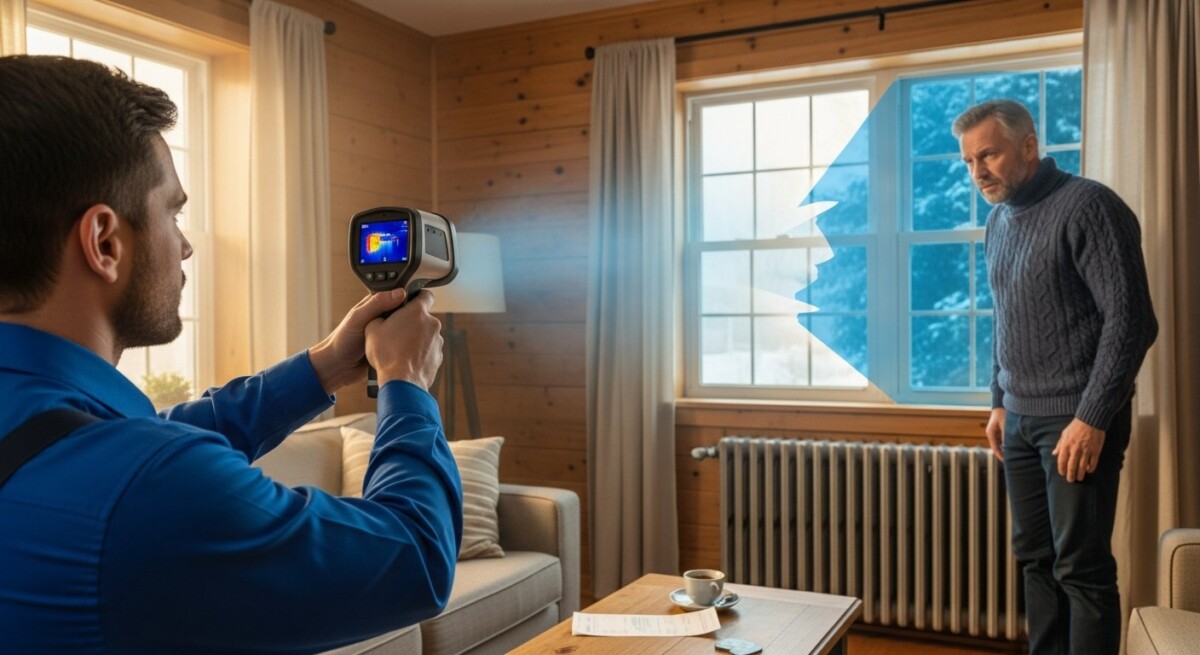
Experienced contractors approach energy efficient remodeling as a whole-home assessment rather than a piecemeal fix. They start with a thorough inspection,using tools like blower doors and thermal imaging cameras,to find exactly where energy is escaping. This diagnostic step ensures that upgrades are targeted and effective, not guesswork. A professional can identify hidden issues like gaps in ductwork or insufficient attic insulation that a homeowner might never notice.
Once the problems are identified, contractors create a customized plan that prioritizes the most impactful improvements. Typically, they start with air sealing and insulation, because these upgrades provide the biggest return on investment. Then they might recommend window replacements, duct sealing, or an HVAC upgrade, depending on your home’s specific needs.
- Complete home energy audit to identify leaks and weak spots
- Air sealing of all gaps around windows, doors, pipes, and electrical fixtures
- Installation of proper insulation in attic, walls, and crawl spaces
- Upgrade or replacement of windows and doors with energy-efficient models
- Sealing and insulating ductwork to prevent air loss
- Installation of high-efficiency HVAC equipment matched to home size
Professional work is almost always safer and more reliable than DIY attempts. Energy efficient remodeling often involves working in attics, handling insulation materials, and understanding building codes. A mistake in air sealing can actually trap moisture inside walls, leading to mold. Professionals have the training and equipment to do the job right the first time, and they stand behind their work with warranties.
A professional inspection can reveal hidden issues before they become expensive repairs. Compare contractor quotes here or call to discuss your project.
Warning signs you should not ignore
Your home gives you clues when it’s losing energy. Paying attention to these signs early can save you from major headaches and expensive emergency repairs. Many homeowners wait until their furnace breaks down in January or their AC fails in July,but by then, the damage is already done. Catching inefficiencies early allows you to plan upgrades on your schedule and budget.
Some warning signs are obvious, like a room that never feels comfortable no matter how you adjust the thermostat. Others are more subtle, such as a sudden spike in your utility bill without a change in usage. If you notice ice dams forming on your roof, or if your attic feels noticeably hotter than the rest of your house in summer, those are clear indicators that insulation and ventilation need attention.
- Drafty rooms even when windows and doors are closed
- Frozen or sweating pipes in winter
- Mold or mildew growth in corners or near windows
- Pest problems (mice or insects entering through gaps)
- Burning smell from HVAC system running too long
- Peeling wallpaper or paint near exterior walls
What affects the cost of repairs or installation
The cost of energy efficient remodeling varies widely depending on your home’s size, age, and current condition. A small home that only needs air sealing and attic insulation might cost a few thousand dollars, while a complete overhaul including new windows, doors, and HVAC can run into the tens of thousands. However, it’s important to think of this as an investment,most energy upgrades pay for themselves within 3 to 7 years through lower utility bills.
Several factors influence pricing. The size of your home directly affects how much insulation and how many windows you need. The accessibility of work areas matters too,a cramped attic or a crawl space with limited headroom takes more time and labor. The age of your home can also play a role, as older homes may have outdated wiring or structural quirks that require extra care. Finally, the quality of materials you choose,such as triple-pane windows versus double-pane,will impact both upfront cost and long-term savings.
Costs can vary depending on the condition of your home. The best way to know the price is to get a personalized estimate. Request free quotes from contractors or call today.
How to choose the right contractor
Finding a reliable contractor is one of the most important steps in any remodeling project. The right professional will not only do quality work but also help you navigate rebates, financing, and permit requirements. Start by asking for recommendations from neighbors or friends who have had similar work done, and then verify each contractor’s credentials before making a decision.
When you meet with potential contractors, pay attention to how they communicate. A good contractor will take time to explain their process, answer your questions, and provide a detailed written estimate. They should also be willing to show proof of insurance and licensing. Remember, the cheapest quote isn’t always the best,focus on value, experience, and customer reviews.
- Verify that the contractor is licensed and insured for your state
- Read online reviews on Google, Yelp, or the Better Business Bureau
- Ask for a detailed, itemized estimate in writing
- Get at least three quotes to compare pricing and approach
- Confirm the contractor has experience with energy efficient remodeling specifically
Long-term benefits of professional work
Professional energy efficient remodeling does more than just lower your monthly bills. It creates a healthier, safer, and more comfortable home. Proper insulation and air sealing reduce the entry of outdoor allergens, dust, and pests, which can improve indoor air quality. Your HVAC system will run less frequently, which means fewer breakdowns and a longer lifespan for your equipment.
From a financial perspective, energy upgrades increase your home’s resale value. According to the National Association of Realtors, energy-efficient homes sell for an average of 2 to 5 percent more than comparable non-efficient homes. Plus, many states and utility companies offer rebates and tax credits for energy efficient remodeling, which can offset a significant portion of your upfront costs.
Perhaps most importantly, professional work comes with peace of mind. You know the job was done correctly, safely, and to code. Warranties protect your investment, and you can enjoy your home without worrying about drafts, high bills, or unexpected breakdowns. Energy efficient remodeling is one of the smartest investments a homeowner can make,it pays you back every month while making your home more enjoyable to live in.
What is the first step in energy efficient remodeling?
The first step is to schedule a professional home energy audit. An auditor will use specialized tools like blower doors and infrared cameras to find exactly where your home is losing energy. This targeted approach ensures you invest in the upgrades that will make the biggest difference for your comfort and savings.
How much can I save with energy efficient remodeling?
Savings vary based on your home’s current condition and the upgrades you choose. Many homeowners report saving 20 to 30 percent on their annual energy bills after comprehensive remodeling. For a typical home, that can translate to $400 to $1,200 in savings per year, depending on local utility rates and climate.
Does energy efficient remodeling qualify for tax credits?
Yes, many energy efficient upgrades qualify for federal tax credits and local utility rebates. As of 2025, the Inflation Reduction Act offers tax credits for items like insulation, windows, doors, and heat pumps. Check with your contractor or a tax professional to see which incentives apply to your specific project.
How long does an energy efficient remodeling project take?
The timeline depends on the scope of work. A simple air sealing and insulation project might take one to two days. A full remodel including new windows, doors, and HVAC can take one to three weeks. Your contractor will provide a detailed timeline during the estimate process.
Can I do energy efficient remodeling myself?
Some small tasks like caulking around windows or adding weatherstripping can be DIY-friendly. However, major work like attic insulation, duct sealing, and window replacement is best left to professionals. Mistakes can lead to moisture problems, fire hazards, or voided warranties, and professional work often qualifies for rebates that DIY projects don’t.
Will energy efficient remodeling make my home too airtight?
No, professional contractors ensure proper ventilation when making your home more airtight. Modern building science balances air sealing with controlled ventilation to maintain healthy indoor air quality. This prevents issues like stale air or moisture buildup while still saving energy.
What is the most cost-effective energy upgrade?
Attic insulation and air sealing consistently offer the best return on investment. These upgrades are relatively low-cost and can dramatically reduce heating and cooling losses. Many homeowners recoup their investment within two to three years through lower utility bills.
How do I find a qualified energy efficient remodeling contractor?
Start by using a service like 180 Remodel to connect with pre-screened contractors in your area. Look for contractors who are certified by organizations like Building Performance Institute (BPI) or RESNET. Always read reviews, check references, and get multiple quotes before making your decision.
Energy efficient remodeling is one of the most practical ways to improve your home’s comfort, protect its value, and lower your monthly expenses. The key is to act early,before small inefficiencies turn into major problems. By working with experienced professionals, you can make upgrades that pay for themselves over time and create a home that’s truly comfortable year-round. Start by comparing contractor quotes to see what options are available for your home.

About Alex Carter
"*" indicates required fields