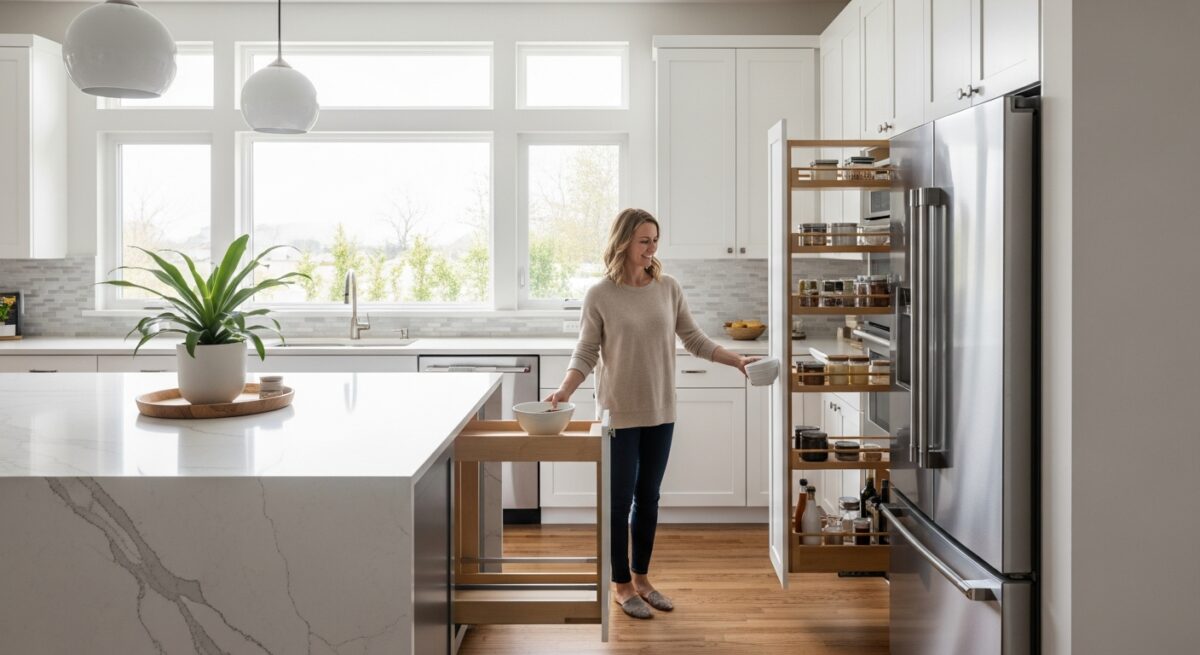
Modern Kitchen Design: A Guide to Function and Style
"*" indicates required fields
Your kitchen is the heart of your home, but an outdated design can make it feel more like a chore than a sanctuary. If you’re struggling with poor layout, inefficient storage, or a style that feels stuck in the past, you’re not alone. Modern kitchen design offers a clear solution, focusing on clean lines, smart functionality, and a space that truly works for your daily life.
Transform your kitchen today. Visit Design Your Modern Kitchen to schedule your professional consultation.
What Modern Kitchen Design Means for Homeowners
Modern kitchen design is far more than just a sleek look. It’s a thoughtful approach to creating a space that is efficient, easy to maintain, and a joy to use every day. The goal is to blend timeless aesthetics with practical innovation, resulting in a kitchen that feels calm, organized, and connected to the rest of your home.
At its core, this style emphasizes simplicity. You’ll see a move away from ornate details and busy patterns toward clean surfaces, uncluttered spaces, and a cohesive flow. It’s about creating a backdrop for your life, where the design supports cooking, gathering, and living without getting in the way.
The Pillars of a Modern Kitchen
Three key principles define modern kitchens: clean lines and minimalism, high-quality materials, and integrated technology. Cabinets often feature flat-panel (slab) doors, countertops are seamless, and hardware is simple or even absent. Durable materials like quartz, stainless steel, and sleek hardwood are chosen for both beauty and longevity. Finally, smart storage and energy-efficient appliances are seamlessly built-in, enhancing the kitchen’s functionality.
Why It Matters for Homeowners
Investing in a modern kitchen design matters because it directly improves your daily routine. A well-planned layout saves you steps and time, making meal prep and cleanup easier. Smart storage solutions reduce clutter, which in turn reduces stress. A beautiful, intentional space also becomes a natural hub for your family, increasing your home’s overall enjoyment and livability.
Beyond daily comfort, a modern kitchen is a significant investment in your home’s value. It’s one of the top renovations for return on investment, appealing to future buyers with its timeless style and updated systems. A modern design also allows for easier integration of modern plumbing and efficient appliances, potentially lowering your utility bills and preventing costly issues down the line.
Let us help you transform your kitchen into a space that works beautifully for you. Contact us at 180 Remodel for a professional consultation to start planning your dream kitchen.
Common Issues and Their Causes
Many older kitchens suffer from problems that modern design directly solves. A cramped, inefficient “work triangle” (the path between sink, stove, and refrigerator) is a common frustration, often caused by poor original layouts or piecemeal additions over the years. This leads to a cramped, frustrating cooking experience.
Other frequent issues include insufficient storage leading to countertop clutter, poor lighting that creates shadows over workspaces, and outdated electrical systems that can’t handle today’s appliances. These problems usually stem from a kitchen that was designed for a different era and hasn’t evolved with your family’s needs.
- Inefficient Layout: Awkward placement of major appliances and work zones.
- Inadequate Storage: Lack of smart organizers, deep cabinets, or pantry space.
- Poor Lighting: A single overhead light without dedicated task or ambient lighting.
- Outdated Surfaces: Worn, stained, or difficult-to-clean countertops and backsplashes.
- Lack of Integration: The kitchen feels closed off from adjacent living or dining areas.
How Professionals Fix the Problem
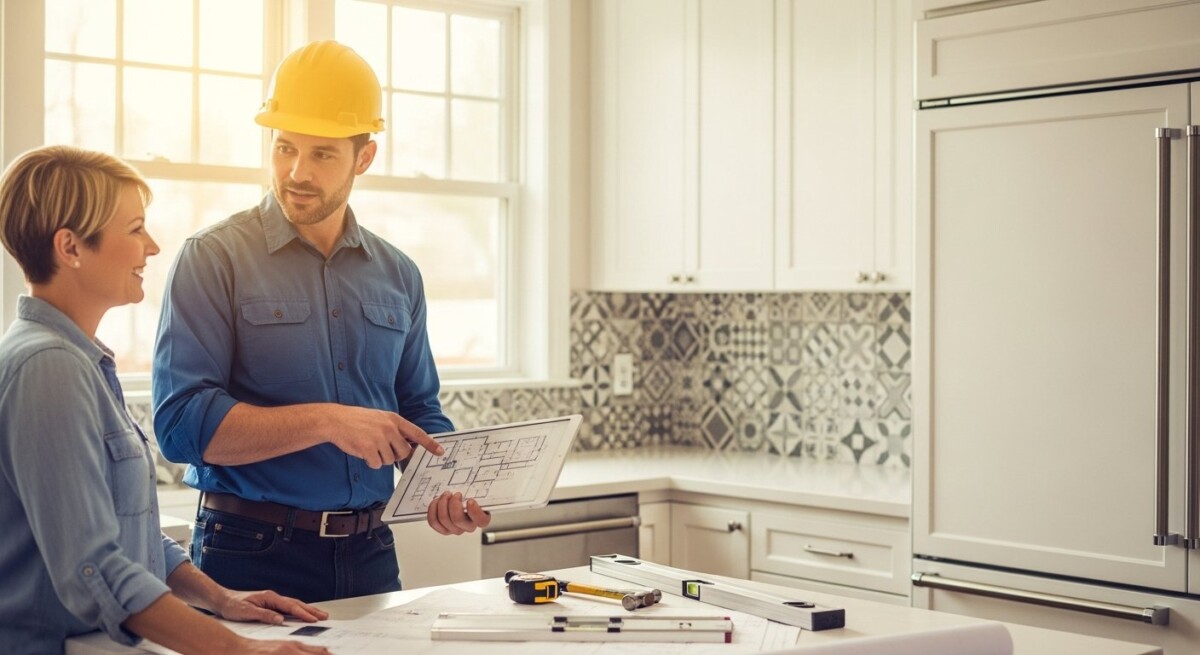
A professional remodeler starts by understanding how you use your kitchen. They assess the existing space, identify pain points, and propose solutions that reimagine the layout for optimal flow. This often involves rethinking walls, expanding into adjacent space, or reconfiguring the entire footprint to create a more open and functional plan.
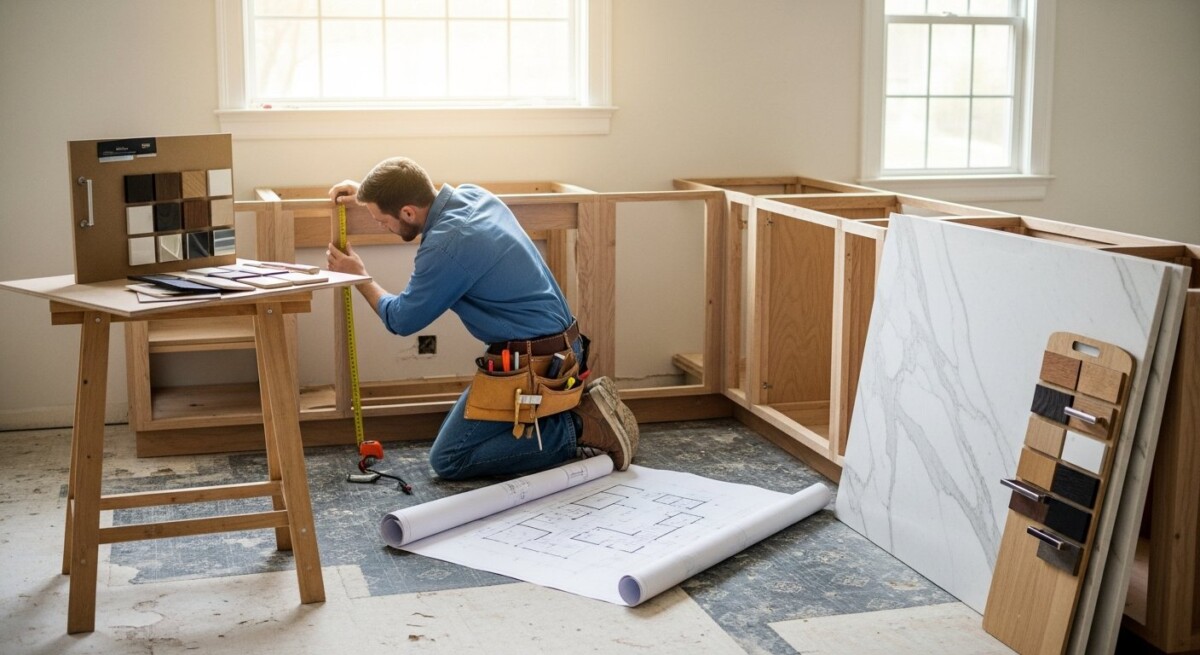
The process then moves into detailed design and specification. Professionals help you select materials, fixtures, and appliances that align with the modern aesthetic while meeting your budget. Crucially, they manage the complex coordination of trades—like ensuring your electrical system is safely upgraded to power new appliances and lighting—to ensure a smooth and high-quality installation.
- Consultation & Planning: Discussing needs, budget, and creating a preliminary design.
- Detailed Design & Demolition: Finalizing plans, securing permits, and carefully removing old elements.
- Rough-In & Installation: Updating plumbing/electrical behind walls, then installing cabinets, counters, and fixtures.
- Finishing & Final Inspection: Adding hardware, painting, and ensuring every detail is perfect.
A smooth remodel requires expert planning and execution. Reach out to our team at 180 Remodel to discuss your project timeline and details.
Signs You Should Not Ignore
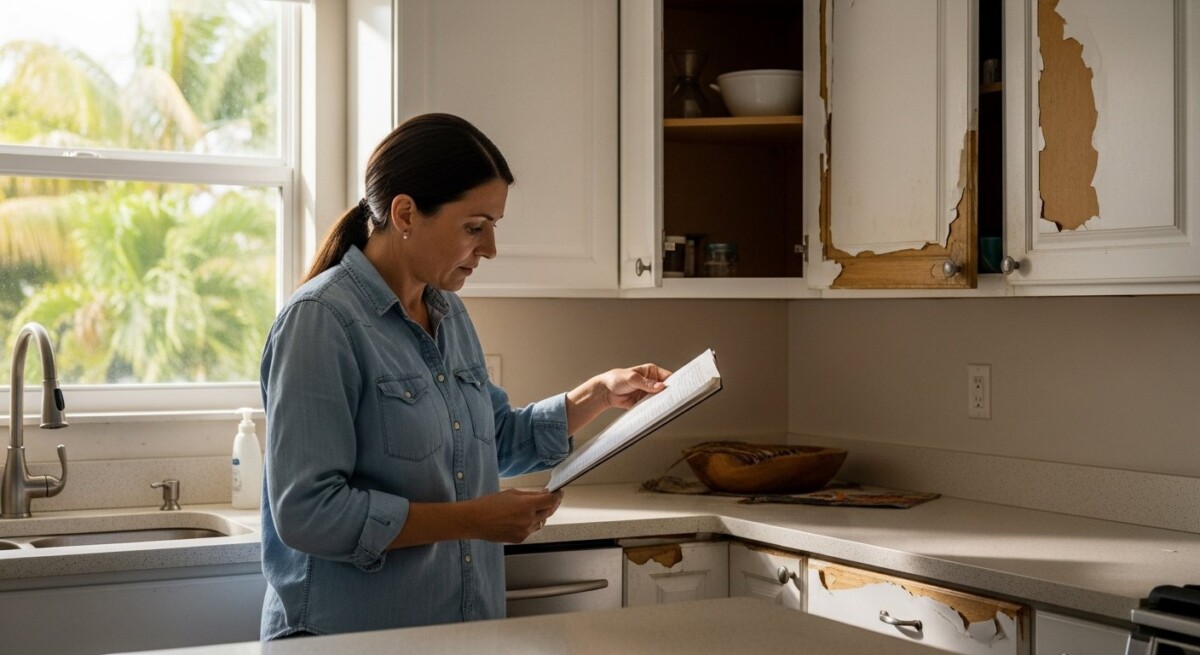
Sometimes, a simple refresh isn’t enough. If your kitchen is actively working against you, it’s a sign a full redesign is needed. Constant frustration with a lack of counter space, difficulty moving around with more than one person, or cabinets that are falling apart are clear indicators. These issues affect your home’s functionality and your quality of life.
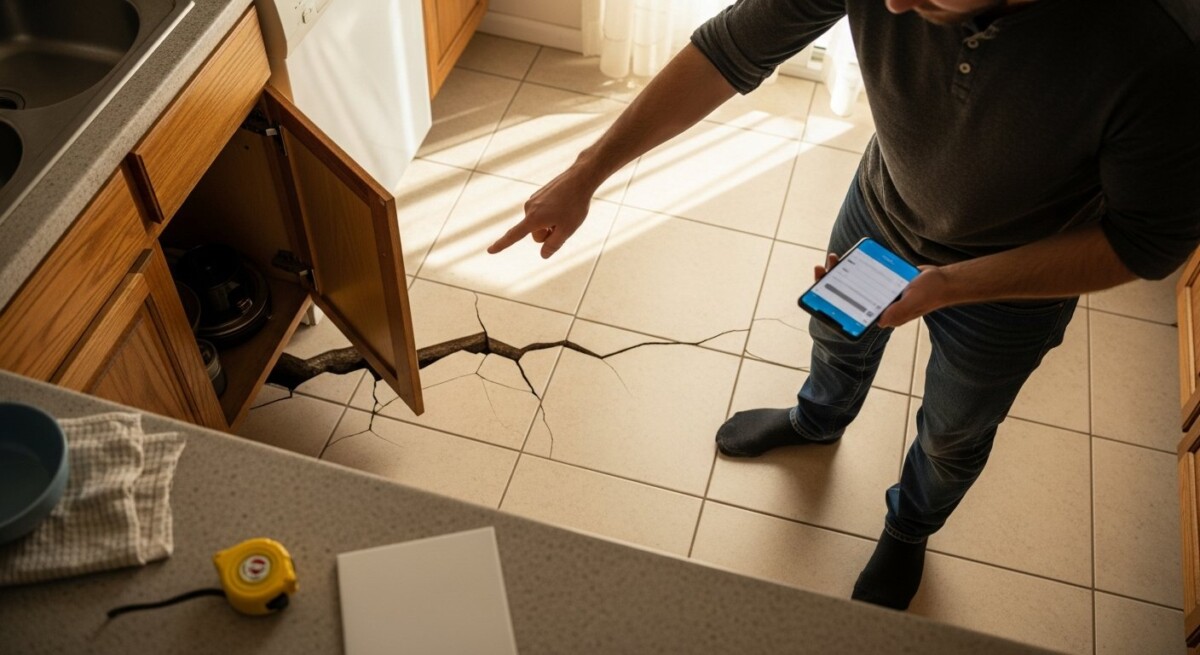
Safety and operational problems are major red flags. Persistent leaks, faulty wiring, or appliances that are unreliable and inefficient pose risks and waste money. As outlined in our related guide on when to get a kitchen remodeling, ignoring these signs can lead to more extensive and expensive damage. If your kitchen feels like a liability rather than an asset, it’s time to consider a change.
- You avoid cooking because the space is unpleasant or inefficient.
- Cabinet doors are damaged, drawers don’t slide, or storage is completely maxed out.
- You have persistent issues with plumbing, lighting, or appliance performance.
- The style is so dated it affects your enjoyment and your home’s resale appeal.
- The kitchen is completely isolated from family and guests in other rooms.
Cost Factors and What Affects Pricing
The cost of a modern kitchen remodel varies widely, and understanding the factors helps in planning. The largest portions of the budget typically go to cabinetry and countertops. Custom, full-overlay cabinets with integrated organizers cost more than stock options, just as natural stone or large-format quartz slabs are a greater investment than laminate.
Transform your kitchen today. Visit Design Your Modern Kitchen to schedule your professional consultation.
Labor and the scope of structural changes are other major cost drivers. Moving plumbing lines, relocating electrical panels, or removing walls requires skilled tradespeople and time. The choice of appliances—from standard models to professional-grade suites—and the complexity of your modern lighting design plan also significantly influence the final investment.
Ready for a clear, upfront estimate on your modern kitchen transformation? Contact 180 Remodel today for a detailed, transparent quote tailored to your vision.
How To Choose the Right Professional or Service
Selecting the right team is the most important step in ensuring a successful and stress-free remodel. Look for a company with a proven portfolio of modern kitchen projects that resonate with your style. They should have strong processes for communication, project management, and a network of trusted subcontractors for plumbing, electrical, and tiling work.
Always check licenses, insurance, and references. A reputable professional will be transparent about timelines, costs, and potential challenges. They should listen to your needs and offer creative solutions, not just a one-size-fits-all approach. The right partner will guide you from concept to completion, ensuring the final result is both beautiful and built to last.
Long-Term Benefits for Your Home
A modern kitchen remodel delivers lasting value far beyond the initial visual impact. You’ll gain years of daily enjoyment from a space designed for your specific habits, reducing stress and making household tasks easier. The use of durable, high-quality materials means your kitchen will withstand the test of time with minimal maintenance.
From a financial perspective, this upgrade significantly boosts your home’s market value and appeal. Furthermore, integrating energy-efficient appliances, better insulation, and LED lighting reduces your ongoing utility costs. Ultimately, a modern kitchen creates a safer, more comfortable, and more sustainable heart for your home for years to come.
Frequently Asked Questions
What is the difference between modern and contemporary kitchen design?
“Modern” design typically refers to a specific, timeless style rooted in early-20th century principles (like clean lines and minimalism). “Contemporary” means what is popular right now, so it can change with trends. Modern design is a consistent, enduring aesthetic.
Are modern kitchens easy to keep clean?
Yes, one of the key benefits is easier maintenance. Flat-panel cabinets have fewer crevices, seamless countertops resist staining, and integrated appliances eliminate dust-catching gaps. The minimalist approach also means less clutter to clean around.
Can I have a modern kitchen in a traditional-style home?
Absolutely. A skilled designer can create a transitional space that blends modern elements with your home’s existing architecture. The key is balancing materials, colors, and proportions to ensure the new kitchen feels like a natural, updated part of the home.
What is the most important element in a modern kitchen?
While aesthetics are key, functionality is paramount. The most important element is a thoughtful layout that creates an efficient work triangle and logical flow. Beautiful materials won’t compensate for a poorly planned kitchen.
How long does a typical modern kitchen remodel take?
From design to completion, a full kitchen remodel typically takes 8 to 16 weeks. The timeline depends on the project’s complexity, the availability of materials, and the extent of structural changes. Your contractor should provide a detailed schedule.
Do I need an interior designer for a modern kitchen?
While not strictly required, a professional designer or design-build remodeler is highly recommended. They bring expertise in space planning, material selection, and sourcing unique elements that are hard to find on your own, ensuring a cohesive and professional result.
What are popular color schemes for a modern kitchen?
Neutral palettes with contrasting accents are classic. Think white, gray, or black cabinets paired with warm wood tones or a bold-colored island. Monochromatic schemes using shades of one color are also very popular for a serene, unified look.
Is open shelving a requirement for a modern kitchen?
No, open shelving is a popular choice but not a requirement. Many modern kitchens use full-height cabinets with hidden hardware for a ultra-clean, minimalist look. The choice depends on your preference for display versus concealed storage.
A modern kitchen remodel is an investment in your home’s function, beauty, and value. By focusing on clean design, intelligent layout, and quality craftsmanship, you create a space that simplifies daily life and stands the test of time. With the right planning and professional partnership, your dream kitchen is well within reach.
Transform your kitchen today. Visit Design Your Modern Kitchen to schedule your professional consultation.

About Jackson Adams
"*" indicates required fields