Your Guide to Sustainable Bathroom Upgrades
"*" indicates required fields
Your bathroom is one of the busiest rooms in your house, and it can also be one of the most wasteful. Between long showers, leaky faucets, and outdated fixtures, it’s easy to see how water and energy bills can creep higher. But what if you could transform this space into an eco-friendly oasis that saves you money and helps the planet? Sustainable bathroom upgrades are a smart, practical way to do just that, creating a more efficient and comfortable home without sacrificing style or performance.
A Simple Breakdown of Sustainable Bathroom Upgrades
Sustainable bathroom upgrades are home improvements focused on reducing water and energy consumption, minimizing waste, and using healthier materials. It’s about making choices that are better for your home, your wallet, and the environment. This doesn’t mean a complete gut job; often, simple swaps and smart installations make a world of difference.
The goal is to create a bathroom that works efficiently for years to come. From the water you use to the lights you turn on, every element can be optimized. It combines modern plumbing technology, energy-efficient systems, and durable, non-toxic materials to build a space that’s truly thoughtful.
More Than Just Low-Flow
While water-saving faucets are a great start, true sustainability looks at the whole picture. It considers the energy needed to heat your shower water, the lifespan of your vanity, and even the air quality. It’s a holistic approach that ensures every upgrade works together for maximum benefit.
Why It Matters for Homeowners
Making sustainable choices in your bathroom has immediate and long-lasting impacts. The most direct benefit is on your utility bills. By installing efficient fixtures, you can cut your water usage by hundreds of gallons a year, which translates directly to savings. Similarly, energy-efficient lighting and better insulation for your hot water pipes reduce your electric and gas bills.
Beyond the savings, these upgrades increase the comfort and health of your home. Improved ventilation reduces mold and mildew, while materials with low volatile organic compounds (VOCs) mean better air quality for your family. You’re also investing in durability; sustainable materials are often chosen for their longevity, meaning fewer replacements and less waste over time.
Finally, choosing sustainability is an investment in your home’s value and our shared resources. Eco-friendly features are increasingly attractive to future home buyers and contribute to a smaller environmental footprint, conserving precious water and energy for your community.
Ready to start saving? Call our sustainable upgrade experts at 555-123-4567 for a consultation.
Common Issues and Their Causes
Many homeowners experience inefficiencies in their bathrooms without realizing the simple fixes available. The most common problems are high water and energy bills, which are usually symptoms of outdated or failing fixtures. A bathroom from the 1990s can use more than twice the water of a modern, sustainable one.
Other issues include poor ventilation leading to persistent moisture, cracked or worn-out single-pane windows causing heat loss, and dull, energy-hogging lighting. These problems often stem from aging systems that haven’t been updated to modern efficiency standards.
- High Water Bills: Caused by old toilets (using 3.5+ gallons per flush), standard showerheads (2.5+ GPM), and dripping faucets.
- High Energy Bills: Often due to inefficient water heating, poor insulation on hot water pipes, and incandescent or halogen lighting.
- Moisture & Mold: Result from inadequate exhaust fans, lack of proper sealing, and non-breathable materials.
How Professionals Fix the Problem
A professional approach to sustainable upgrades starts with an assessment. A qualified technician will evaluate your current bathroom’s performance, checking for leaks, assessing ventilation, and reviewing your fixture ages. This helps create a prioritized plan that fits your budget and goals.
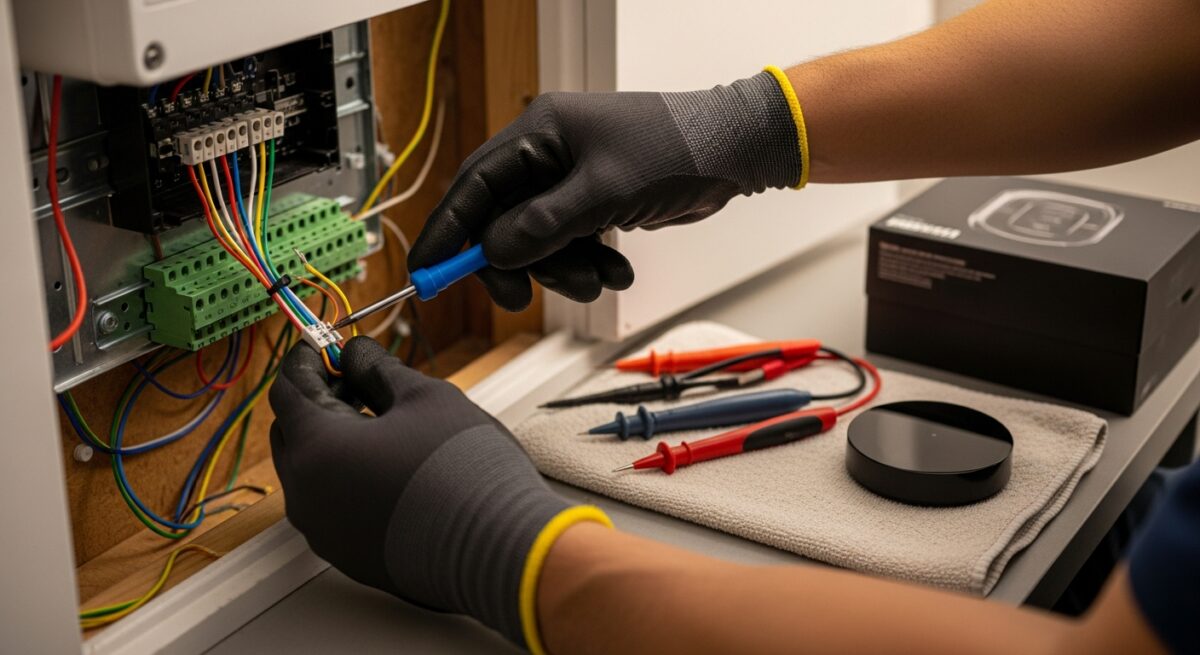
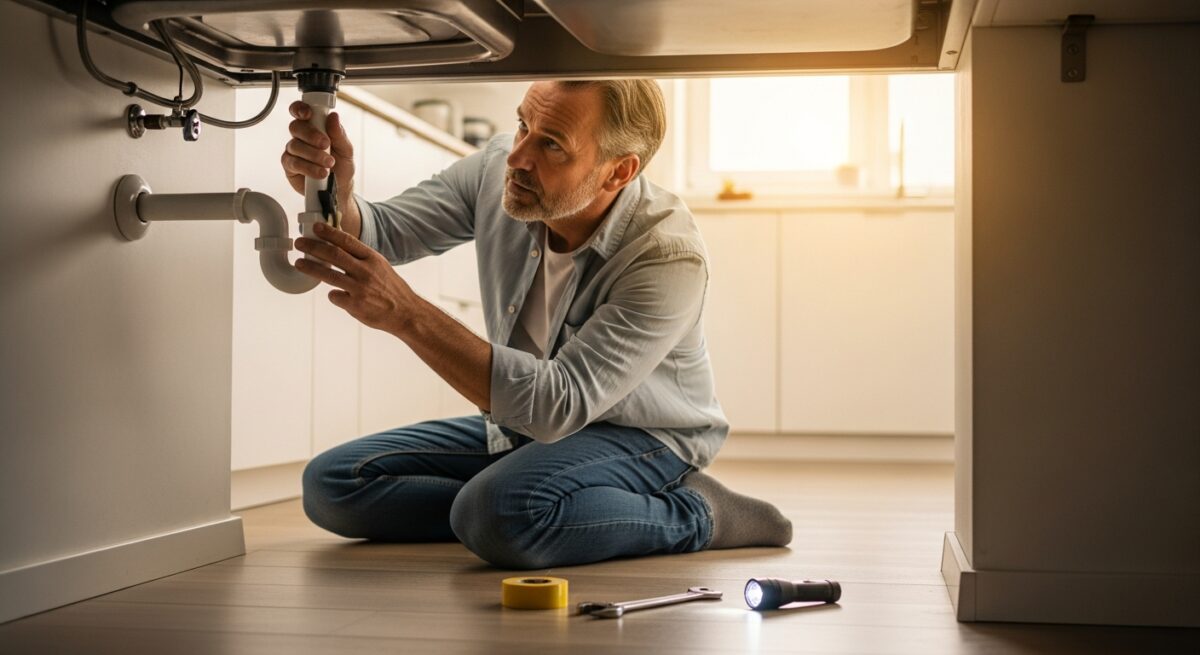
The installation process is methodical and precise. For plumbing, this means properly shutting off water, ensuring new connections are leak-free, and calibrating pressure for optimal performance. For electrical work, like installing efficient LED lighting or smart fans, it involves safe wiring and integration with your home’s electrical system. Proper installation is key to ensuring the upgrades perform as promised for years.
- Assessment & Planning: We identify the biggest areas for savings and create a custom upgrade plan.
- Professional Installation: Our licensed plumbers and electricians install high-efficiency fixtures correctly the first time.
- Testing & Verification: We check for leaks, ensure proper airflow, and confirm all new systems are operating at peak efficiency.
Signs You Should Not Ignore
Your bathroom often gives clear signals when it’s time for an efficiency upgrade. If you notice your water bill climbing steadily without a change in habits, it’s a major red flag. Similarly, if your shower takes a long time to get hot or the water temperature fluctuates, your water heater or plumbing may be inefficient.
Physical signs are also important. Condensation constantly on windows, peeling paint, or a musty smell point to ventilation issues that can damage your home and health. Don’t wait for a small drip to become a major leak or a mold problem to affect your family’s well-being.
- Constantly running or dripping toilets and faucets.
- Showerheads that feel weak or use excessive water.
- Exhaust fans that are noisy, ineffective, or non-existent.
- Single-pane windows that feel cold and drafty.
- Yellowing, inefficient incandescent light bulbs.
Cost Factors and What Affects Pricing
The cost of sustainable bathroom upgrades varies based on the scope of your project. A simple fixture swap, like installing a low-flow aerator or a WaterSense-labeled toilet, is very affordable and offers a quick return on investment. More involved projects, like installing a tankless water heater or a high-efficiency ventilation fan with dedicated ducting, require more labor and materials.
Key factors include the quality of the products you choose (premium brands versus standard), the complexity of the installation (e.g., accessing plumbing behind walls), and whether electrical or structural work is needed. Remember, while upfront costs are a consideration, the ongoing utility savings and increased home value make these upgrades a wise financial decision.
How To Choose the Right Professional or Service
Selecting the right team is crucial for a successful upgrade. Look for licensed, insured professionals with specific experience in water-efficient plumbing and energy-saving installations. A good contractor will be knowledgeable about the latest EPA WaterSense and ENERGY STAR products and able to explain the benefits clearly.
Ask for references and examples of past work. Read reviews to gauge their reliability and quality of customer service. A trustworthy professional will provide a detailed written estimate, outline the timeline, and pull all necessary permits, ensuring your upgrade is safe, legal, and built to last.
Long-Term Benefits for Your Home
Investing in sustainable bathroom upgrades pays dividends far into the future. You’ll enjoy consistently lower monthly bills, which protect you from rising utility costs. The improved durability of quality fixtures and materials means fewer repairs and a bathroom that looks great for longer.
Your home becomes healthier with better air quality and moisture control, preventing costly damage from mold. Perhaps most importantly, you gain peace of mind knowing you’ve made a responsible choice that adds lasting value to your property and contributes positively to your community’s resources.
Frequently Asked Questions
What is the most cost-effective sustainable bathroom upgrade?
Installing low-flow aerators on your sink faucets and a high-efficiency showerhead. These are inexpensive, can often be DIY-installed, and immediately reduce water and energy use for heating water, lowering your bills.
Do water-saving toilets really work well?
Absolutely. Modern high-efficiency toilets (HETs) use powerful siphoning or pressure-assist technology with just 1.28 gallons per flush or less. They perform better than older models while using a fraction of the water.
Can I make my bathroom sustainable without a full renovation?
Yes. Many impactful changes are non-invasive. Switching to LED lighting, installing a programmable smart thermostat for your heater, adding aerators, and sealing drafts around windows and doors are all effective upgrades.
Is a tankless water heater a good choice for a bathroom upgrade?
It can be excellent for efficiency. Tankless heaters provide on-demand hot water, eliminating standby heat loss. They are ideal for households that use a moderate amount of hot water simultaneously and can significantly reduce energy bills.
How do I know if my bathroom fan is efficient enough?
Check its CFM (cubic feet per minute) rating. A simple rule is to have 1 CFM per square foot of bathroom area. Also, listen for noise,quieter fans (1.0 sones or less) are more likely to be used and properly vent moisture outside, not just into the attic.
What are VOCs, and why should I avoid them in my bathroom?
VOCs (Volatile Organic Compounds) are chemicals found in many paints, adhesives, and composite woods. They can off-gas, harming indoor air quality. Choosing low-VOC or VOC-free paints, sealants, and solid wood or bamboo materials creates a healthier environment.
Will sustainable upgrades increase my home’s resale value?
Yes. Energy and water efficiency are increasingly important to homebuyers. Documented lower utility costs and high-quality, durable materials are attractive selling points that can enhance your home’s marketability and value.
Sustainable bathroom upgrades are a smart, forward-thinking investment in your home. By focusing on efficiency, durability, and health, you create a space that saves money, feels more comfortable, and stands the test of time. With the right plan and professional help, you can transform your bathroom into a model of modern, responsible living.

About Alex Carter
"*" indicates required fields